Anti-health worker rhetoric has led to deadly violence and setbacks for combatting the Ebola outbreak in the Democratic Republic of the Congo, according to the country's Ministry of Health and reports from international health organizations.
Why it matters: Doctors without Borders (MSF) announced Tuesday it is closing its Ebola Treatment Center (ETC) in Katwa after a violent attack killed one person and forced staff and patients to flee. Continued violence against health care workers and treatment centers has severely damaged efforts to combat this deadly outbreak, as each pullback or break in treatment can allow the contagious virus to spread.
Drug companies have cheered the Trump administration's proposed crackdown on industry middlemen, but some hedged this morning when asked whether that plan would cause them to lower their prices.
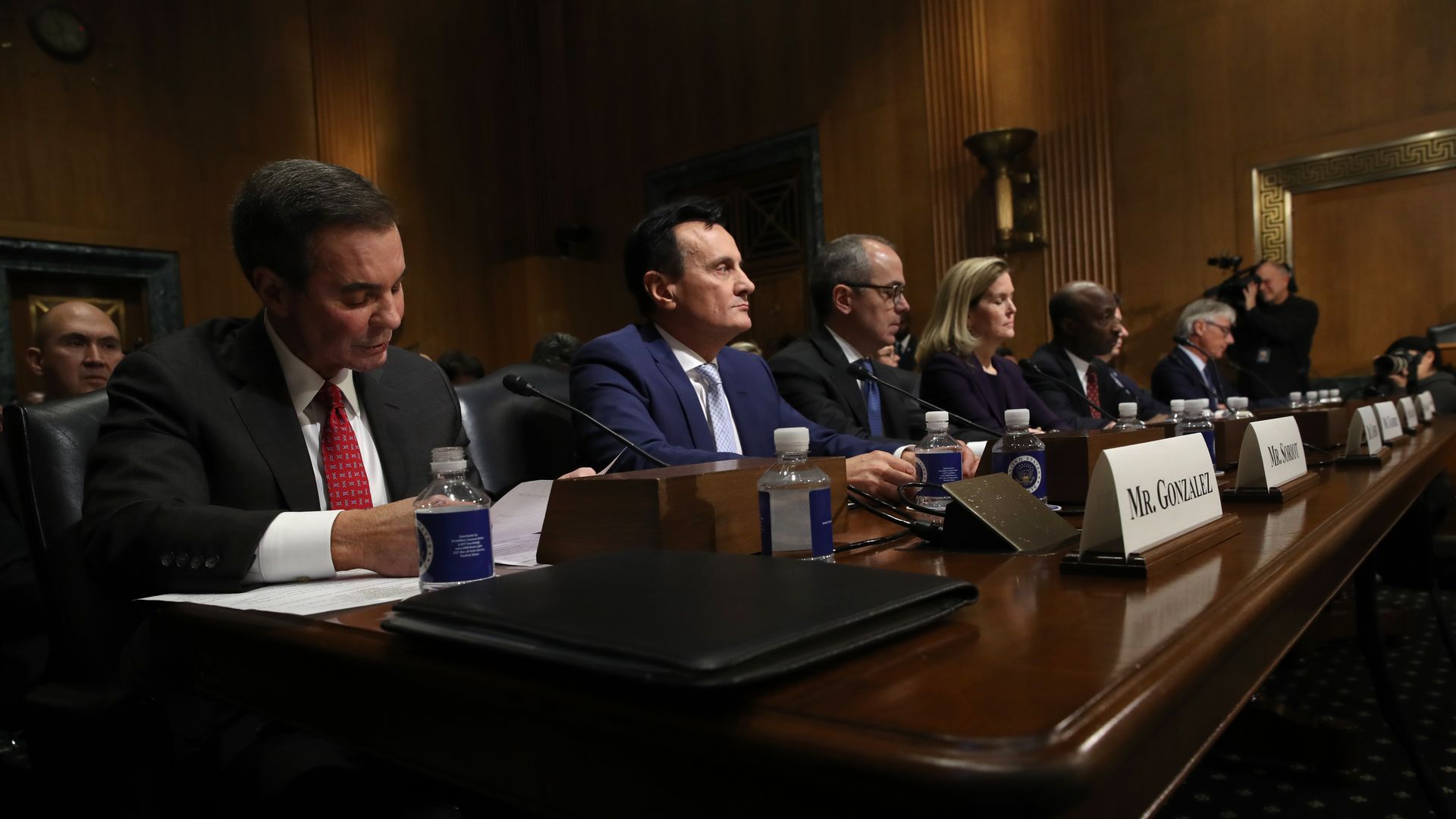
The big picture: Pharmaceutical executives have stayed firmly on message even amid some tough questioning from the Senate Finance Committee.
The Food and Drug Administration plans to require more research about whether opioid painkillers are safe for long-term use, per the Washington Post.
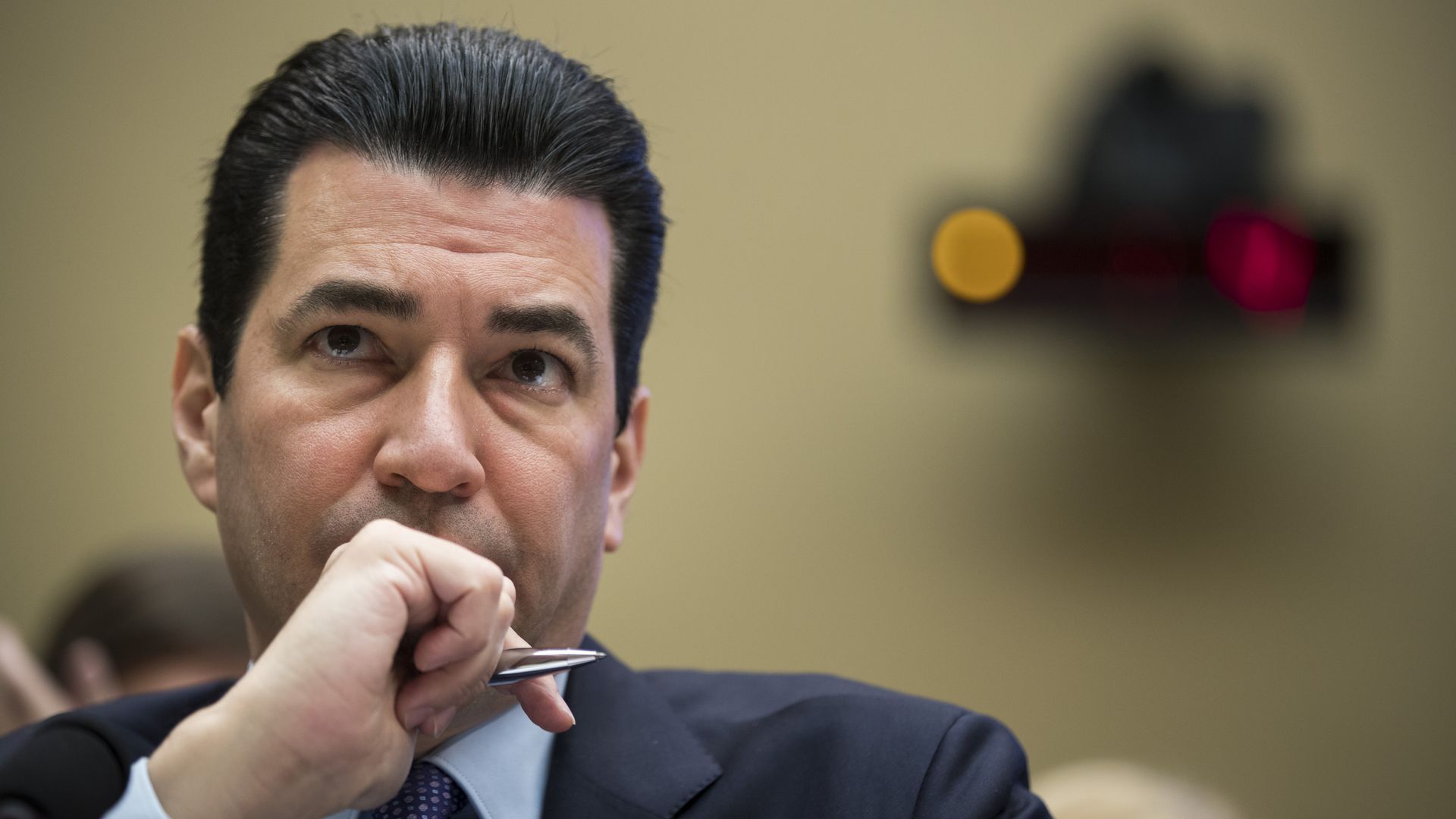
Between the lines: FDA Commissioner Scott Gottlieb told the Post, "We are going to impose a mandate on existing products ... to answer the question that people have been posing for years: whether you have declining efficacy, and whether that declining efficacy can lead to addiction." Former FDA commissioner David Kessler said on "60 Minutes" this past weekend that the agency made a mistake when it approved opioids like OxyContin for long-term use, because it didn't have enough scientific data to support that decision.
Seven pharmaceutical CEOs will face off against the Senate Finance Committee on Tuesday in what could be the beginning of a bipartisan push to reduce drug prices.
What we're watching: Pharma would rather not be here, but if there's a silver lining for the industry, it's that this hearing — with 7 drug companies and no one else — is a pretty big platform to try to shift the blame to pharmacy benefit managers.
Why it matters: Pharmaceutical companies see promise in gene therapies and are willing to pay a large premium for them, but the treatments also come with record-high price tags. Spark has an $850,000 gene therapy to treat a rare eye condition, and a separate product is in the works for hemophilia.
States in the Midwest, South and West have the highest proportions of Medicare members enrolled in Medicare Advantage. Some states have more than 40% of their Medicare population in the taxpayer-subsidized private plans.
The big picture: Roughly a third of all Medicare enrollees are in MA, a program that has garnered bipartisan support despite its shortcomings, and some Wall Street estimates think MA will be the majority option by 2021.