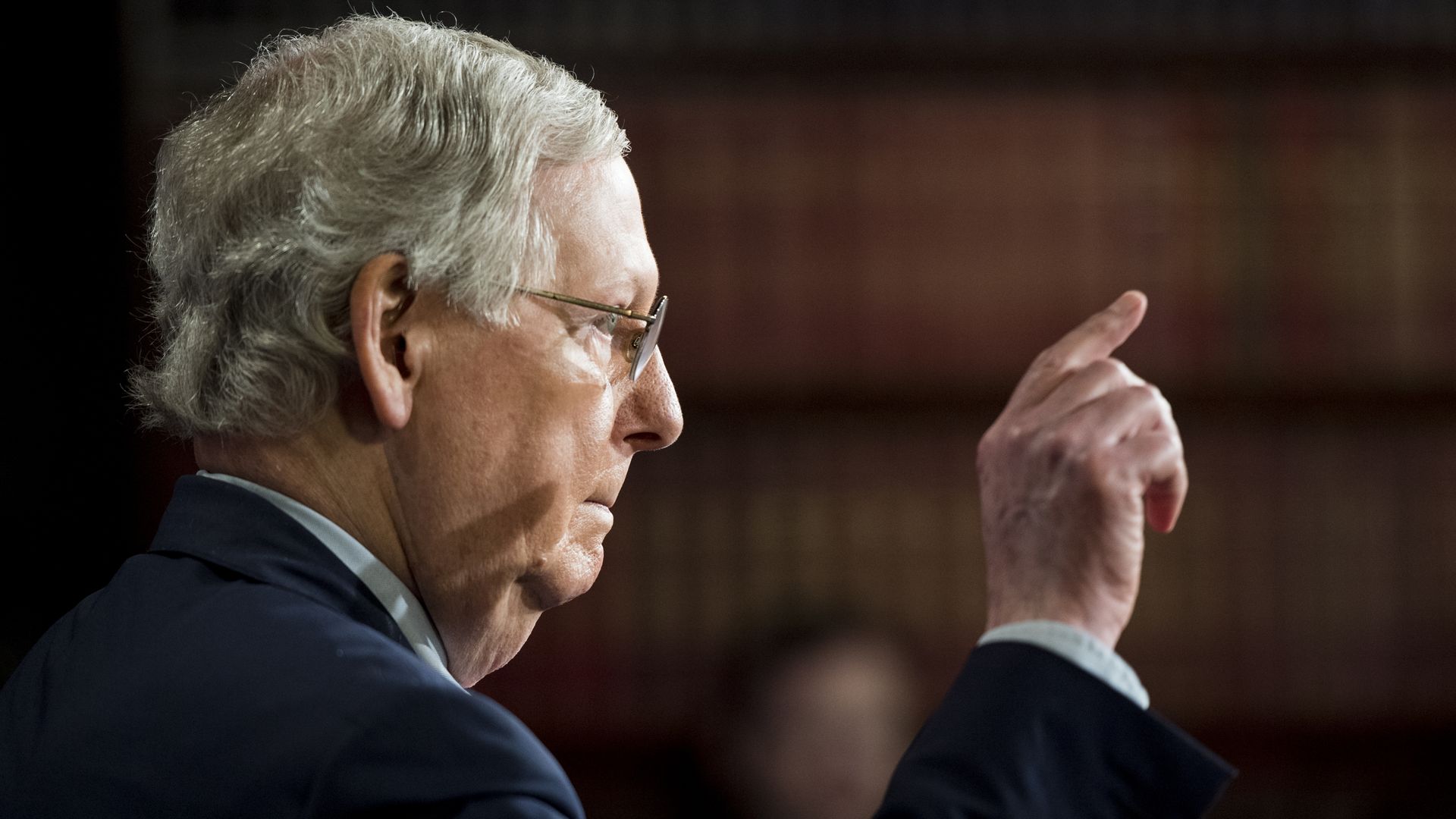
Senate Majority Leader Mitch McConnell suggested to Reuters Wednesday that Republicans could make another run at repealing the Affordable Care Act if they pick up enough seats in the midterm elections.
Between the lines: The quote has an obligatory tone to it: “If we had the votes to completely start over, we’d do it. But that depends on what happens in a couple weeks." It would be hard for McConnell to satisfy the Republican base without suggesting they'd try again if they won more votes. But that doesn't mean it's an enthusiastic goal — or a realistic one if Democrats win the House.
Centers for Disease Control and Prevention officials are investigating a multidrug-resistant strain of salmonella infantis that has already led to 21 people being hospitalized and nearly 100 infected people reported in 29 states, the organization announced on Wednesday.
Why it matters: While no deaths have been reported, officials are concerned because the strain is resistant to multiple antibiotics, fueling growing concerns about antibiotic resistance. The CDC is not advising people to stop eating properly prepared chicken, but says this outbreak strain is "present in live chickens and in many types of raw chicken products, indicating it might be widespread in the chicken industry."
The Centers for Disease Control and Prevention is “frustrated” by the mysterious spread of an illness similar to polio, cases of which have now been confirmed in 22 states. Seems like a very reasonable cause for frustration, to be honest.
By the numbers: 127 cases of acute flaccid myelitis, or AFM, have been reported so far in 2018, including 68 confirmed cases, according to CDC data. There were 33 confirmed cases last year.
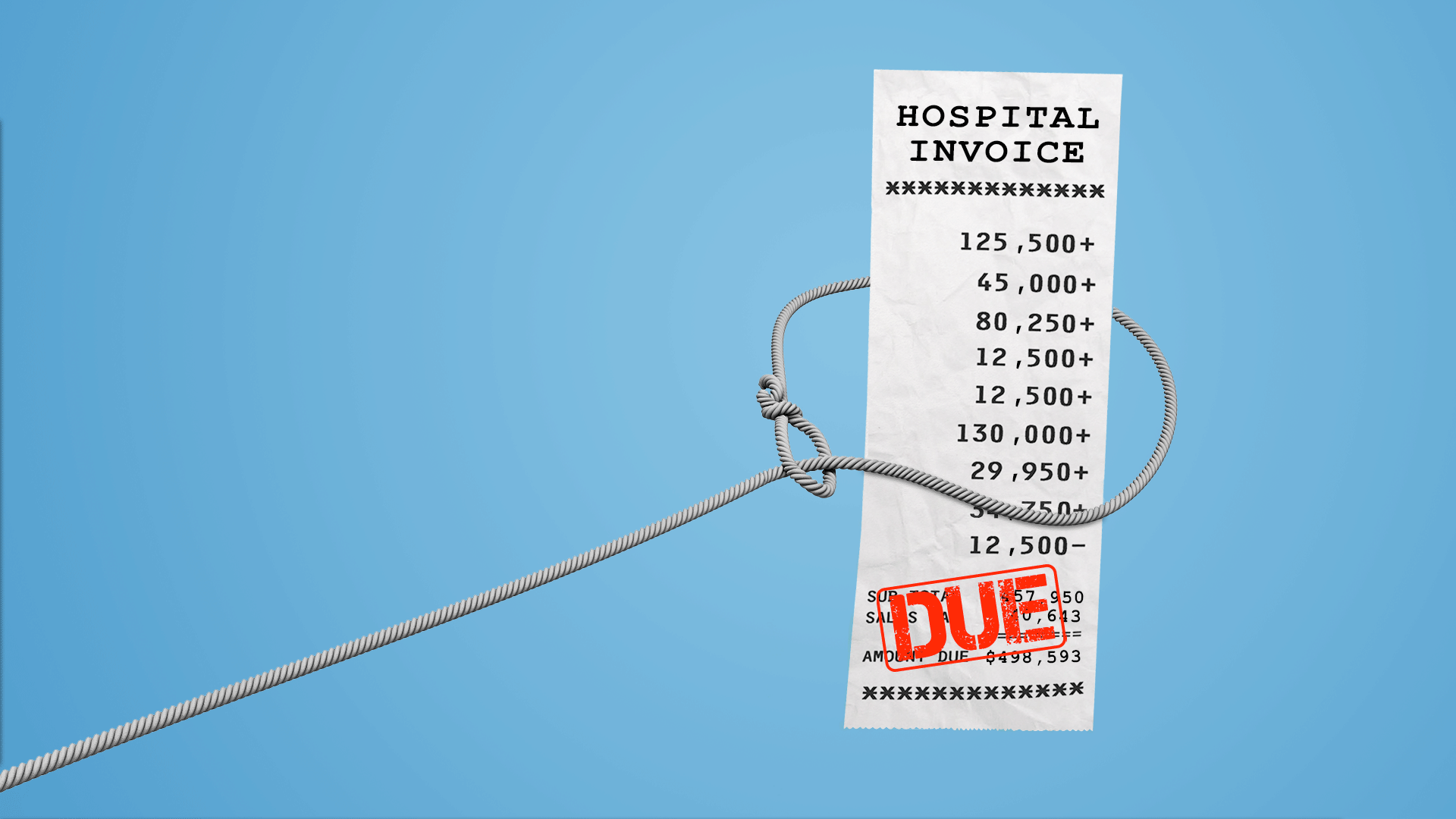
Staggering surprise medical bills are finally getting some scrutiny from policymakers. But to take patients off the hook for those bills, the money has to come from somewhere else — usually from higher insurance premiums or out of doctors’ bottom lines.
The big picture: Getting an unexpected bill for thousands of dollars is a gut-level problem. Yet that problem is a product of the health care system’s complexity, and every potential solution runs into roadblocks from an industry that wants to protect its profits, or skepticism from policy experts or political opposition.
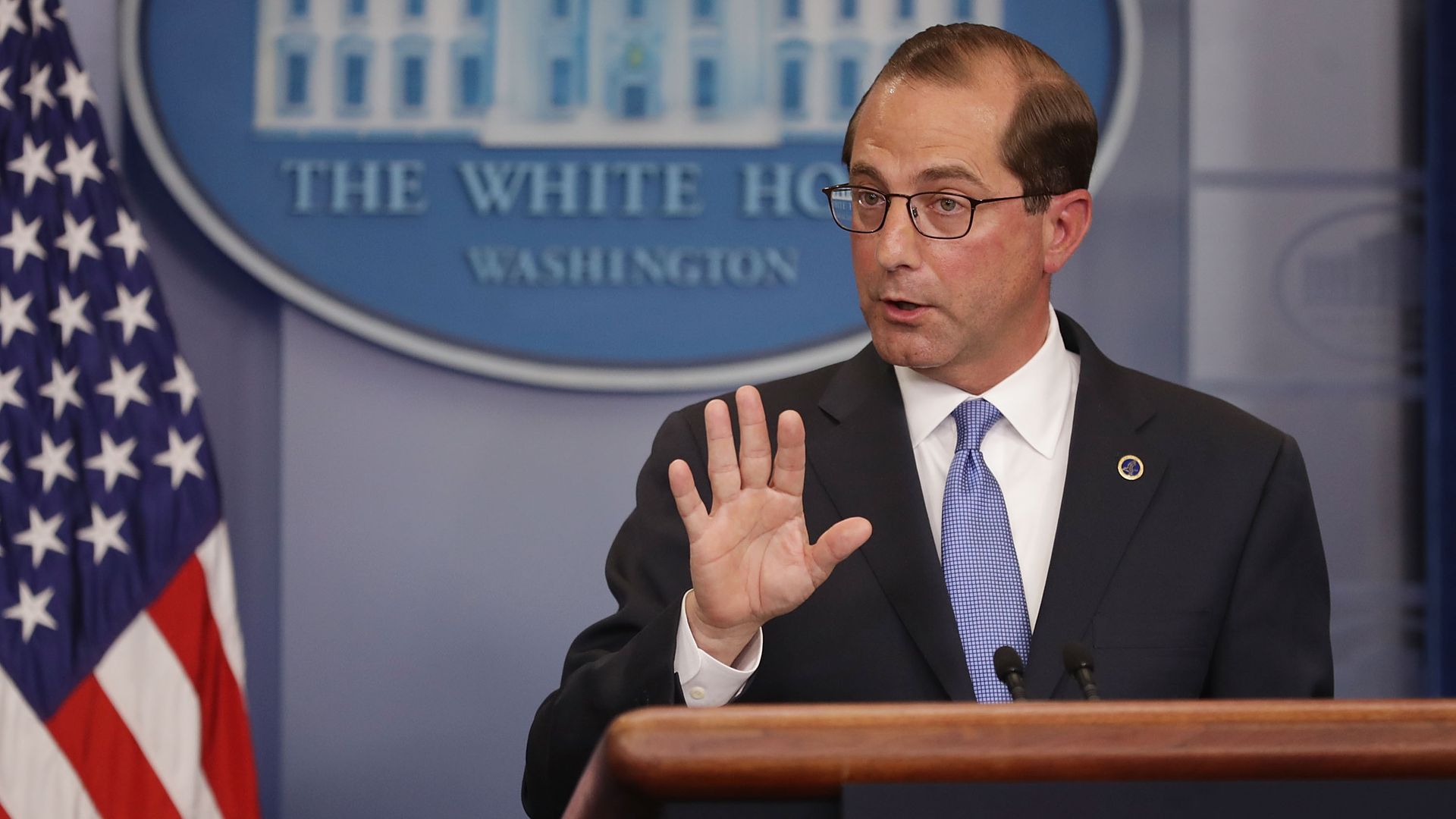
The Department of Health and Human Services formally rolled out a proposal yesterday that would require drug companies to include their products’ list prices in their TV ads, similar to the way they disclose side effects.
The big picture: There’s a legitimate debate about how this would work and how big a difference it will make. But it is, notably, the first real showdown with the pharmaceutical industry since the administration released its drug-pricing plan earlier this year.