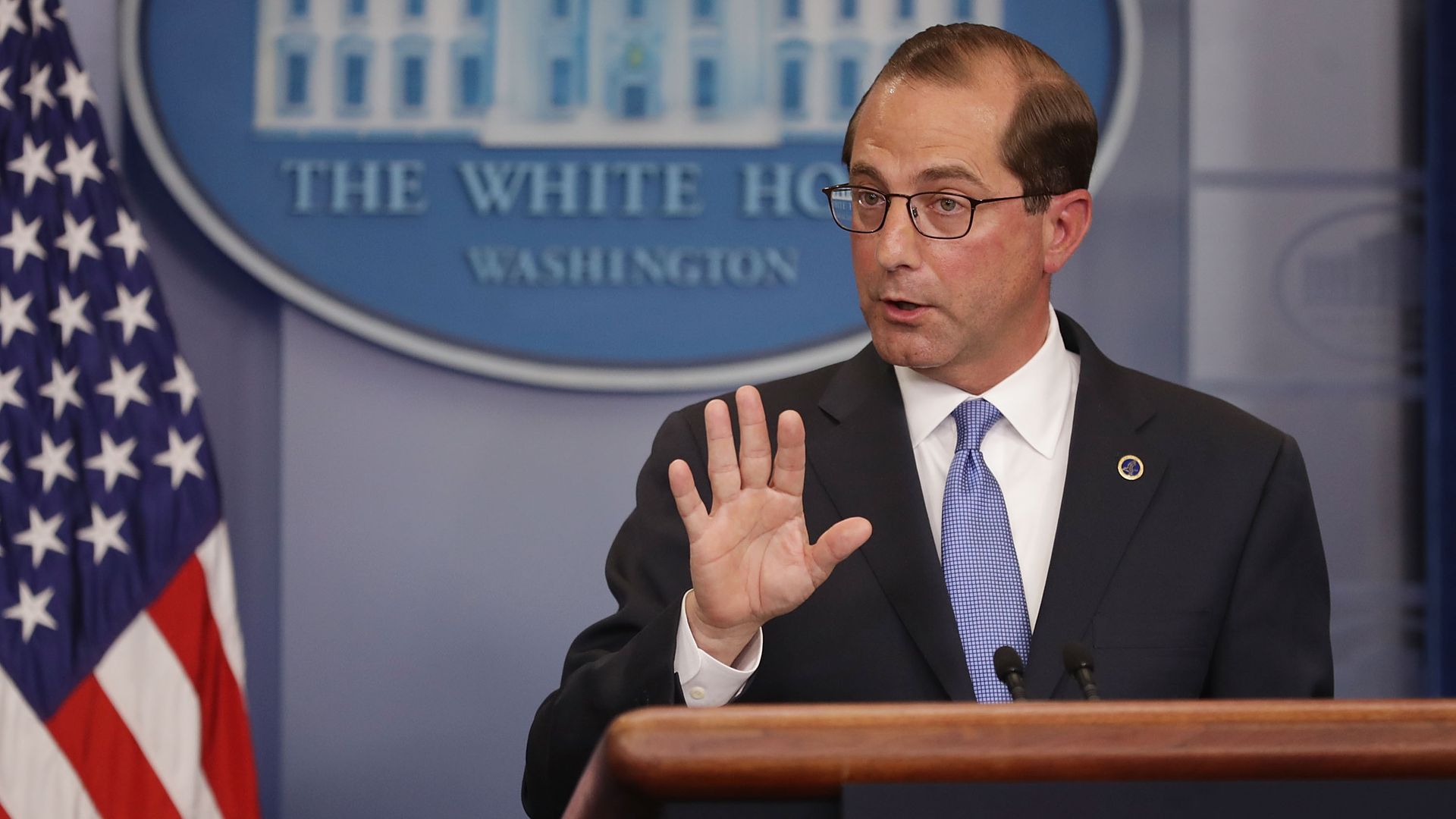
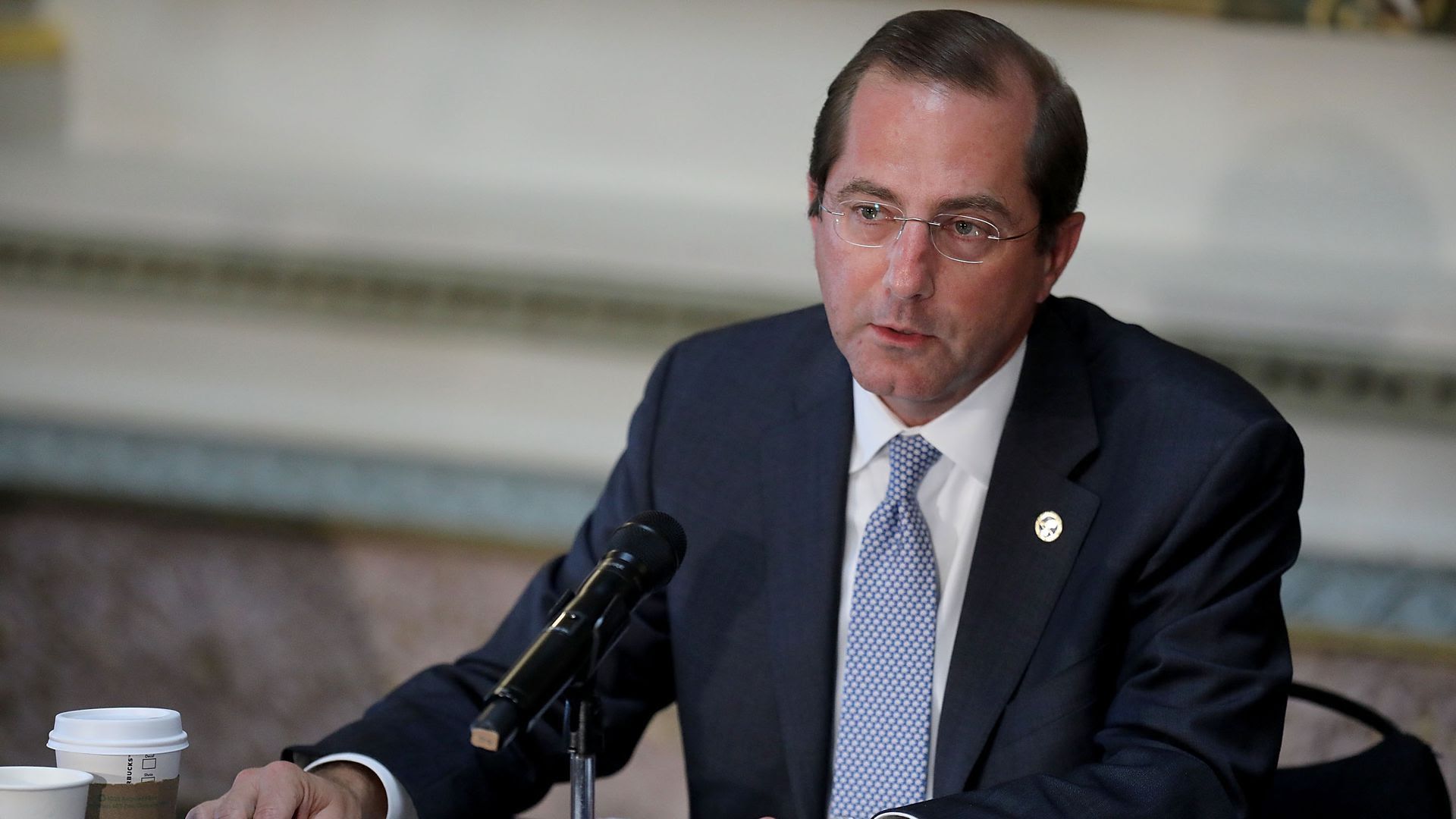
The Department of Health and Human Services formally rolled out a proposal yesterday that would require drug companies to include their products’ list prices in their TV ads, similar to the way they disclose side effects.
The big picture: There’s a legitimate debate about how this would work and how big a difference it will make. But it is, notably, the first real showdown with the pharmaceutical industry since the administration released its drug-pricing plan earlier this year.
America's caregivers are increasingly putting their own needs last in order to sustain their charges through an increasingly complicated health care system, according to a new AP-NORC poll.
Data: AP-NORC poll conducted March 13–April 5, 2018 amongst 1,024 U.S. adults who have or are currently providing long-term care. Margin of error is ±4.1 percentage points; Chart: Andrew Witherspoon/Axios
The big picture: "Four in 10 Americans have provided long-term care to an older relative or friend... for nearly a quarter of them... the amount of time spent on caregiving duties is equivalent to a full-time job."

The Trump administration is moving forward with new rules that would require drug companies to disclose their prices, rejecting the industry’s efforts to preempt those regulations.
Why it matters: This is the most direct conflict yet between pharmaceutical companies and the administration, and the dispute could quickly escalate into the courts.
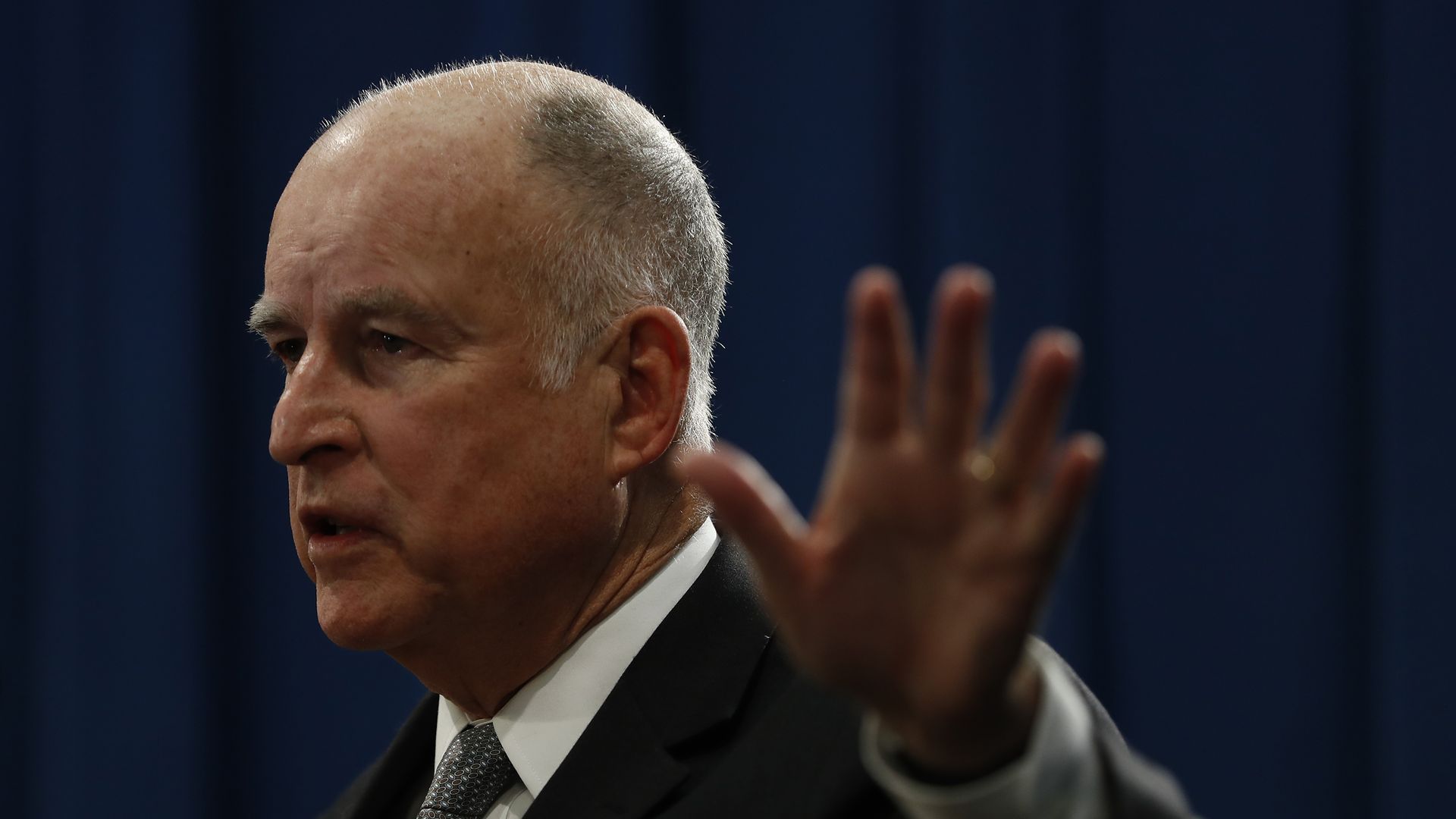
Even in California, one of the nation's most liberal states, industry pressure and moderate lawmakers have stymied ambitious efforts to control health care costs.
Why it matters: As the national Democratic Party swings left on health care, California shows that even with strong liberal majorities, it's still an uphill battle to successfully chip away at the health care industry's bottom line.