America's caregivers are increasingly putting their own needs last in order to sustain their charges through an increasingly complicated health care system, according to a new AP-NORC poll.
Data: AP-NORC poll conducted March 13–April 5, 2018 amongst 1,024 U.S. adults who have or are currently providing long-term care. Margin of error is ±4.1 percentage points; Chart: Andrew Witherspoon/Axios
The big picture: "Four in 10 Americans have provided long-term care to an older relative or friend... for nearly a quarter of them... the amount of time spent on caregiving duties is equivalent to a full-time job."
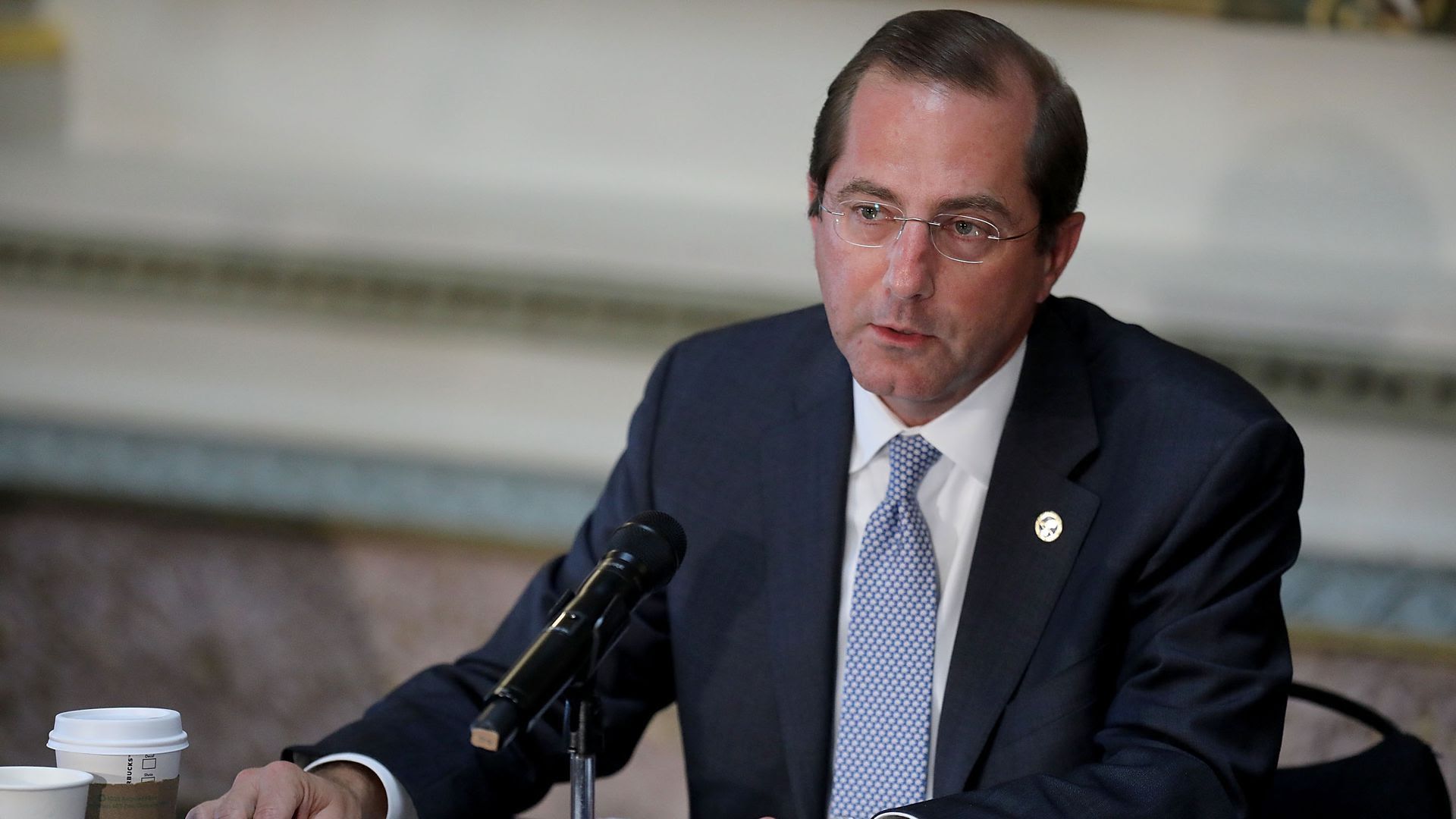
The Trump administration is moving forward with new rules that would require drug companies to disclose their prices, rejecting the industry’s efforts to preempt those regulations.
Why it matters: This is the most direct conflict yet between pharmaceutical companies and the administration, and the dispute could quickly escalate into the courts.
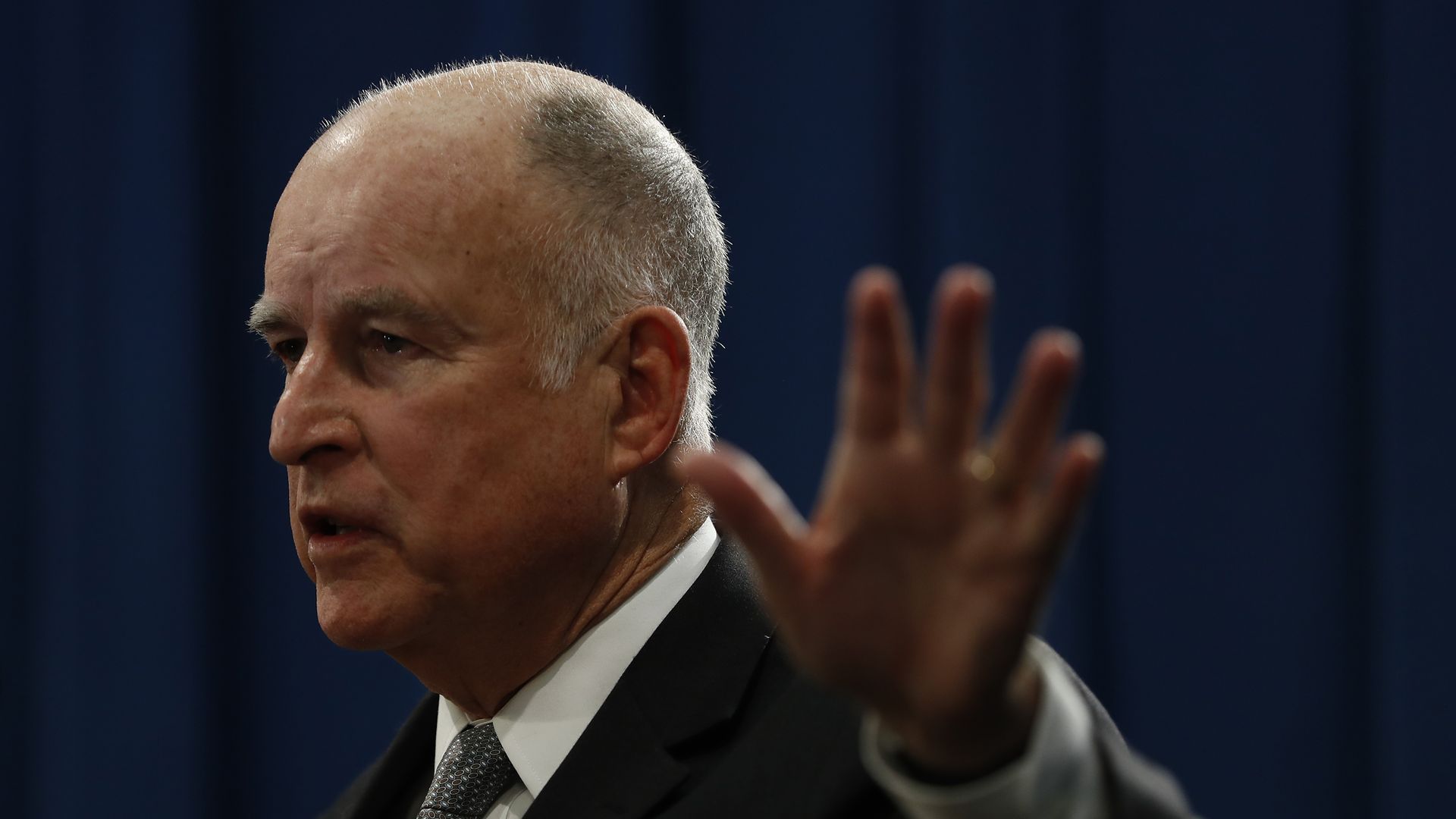
Even in California, one of the nation's most liberal states, industry pressure and moderate lawmakers have stymied ambitious efforts to control health care costs.
Why it matters: As the national Democratic Party swings left on health care, California shows that even with strong liberal majorities, it's still an uphill battle to successfully chip away at the health care industry's bottom line.
The U.S. is the most expensive country in the world to give birth. But most hospitals won’t tell patients how much delivery and care costs until after the baby is born.
Why it matters: The average sticker price for childbirth in the U.S. is $32,093, and even insurance doesn’t take care of all of it. Hospitals can charge whatever they want for services, often leaving patients with a confusing list of items on the bill. For Dr. Renee Hsia, an emergency department physician and lead author of a study on California women giving birth, childbirth prices reflect the larger health care system — where high prices are “more the rule than the exception.”
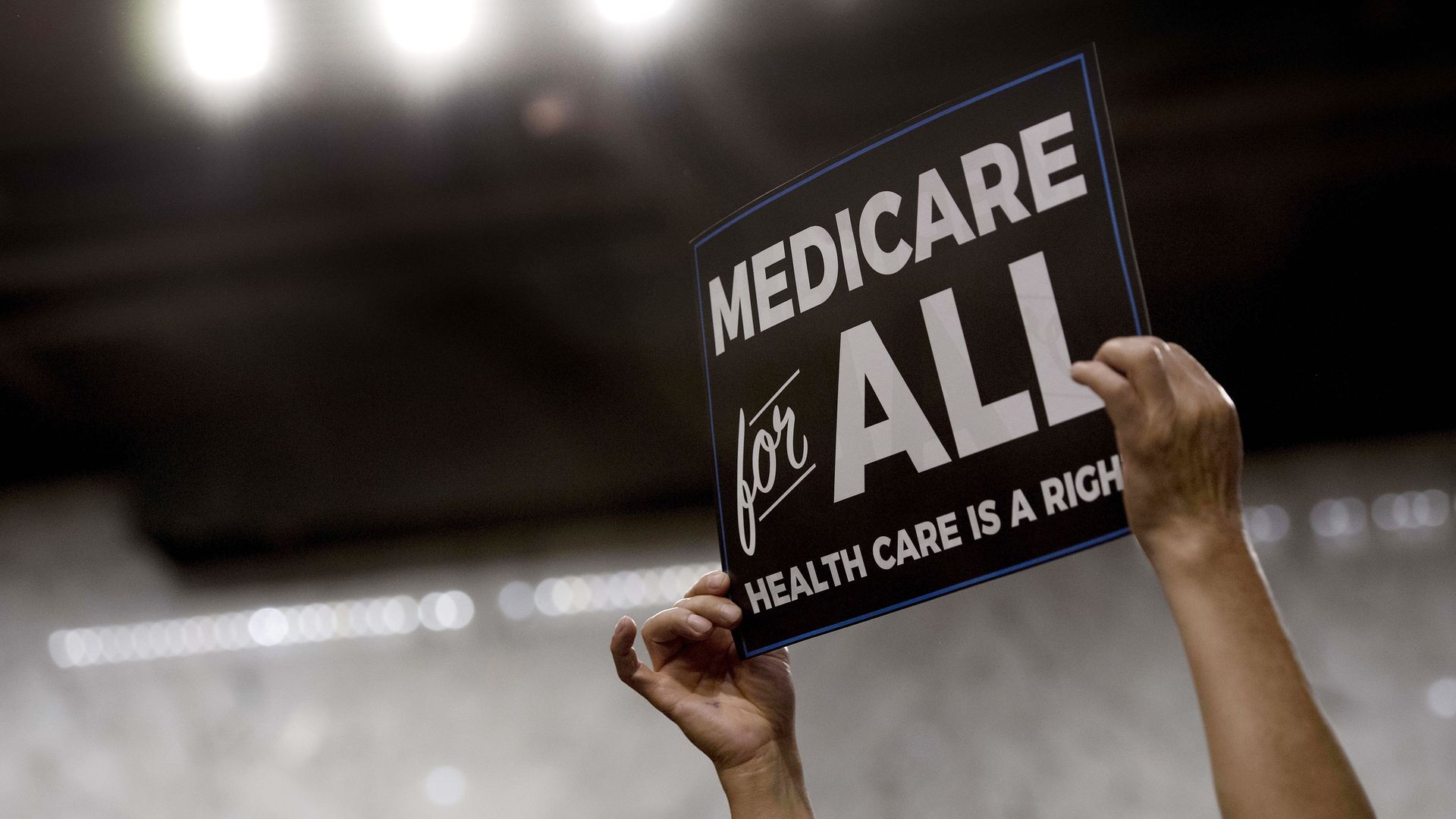
As we near November's midterm elections, Democrats haven't distilled one of their biggest talking points — Medicare for All — down to one single policy.
The big picture: The fight for universal health care is not a new one. But the wave of Democrats campaigning on "Medicare for All" represents the most mainstream political support the idea has had in decades.