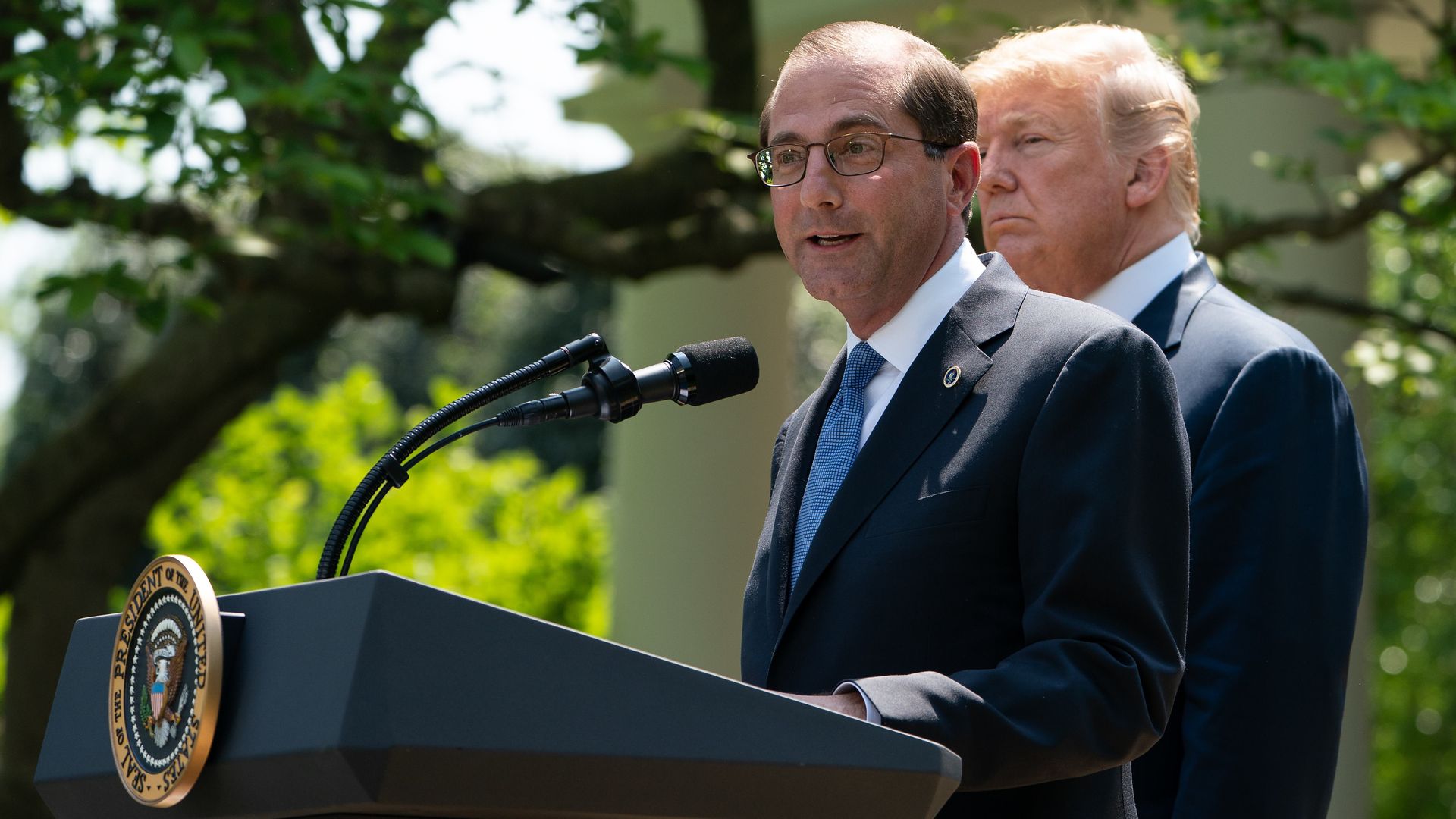
Trump administration officials believe efforts in fighting the opioid crisis are working, after a new government survey showed a decrease in the number of new heroin users, the Associated Press reports.
The details: There were 81,000 new heroin users in 2017, compared to 170,000 in 2016, the survey showed, and more people are seeking treatment for addiction. The amount o users in 2017 is "similar to the numbers...in 2002 through 2008," per the AP. But addiction researcher Brendan Saloner, at Johns Hopkins Bloomberg School of Public Health, told the AP it's "hard to look at this and not think we need to be doing a better job than we're doing now."
Brooklyn voters have picked Julia Salazar for the New York state Senate making her the latest Democratic socialist to oust an incumbent.
Why it matters: Salazar’s victory is stunning considering she was plagued by negative news and attacks from the right about everything from her past relationships to her progressive politics. But her win shows this group's growing movement in 2018.
In response to an small uptick in confirmed Ebola cases in the busy urban hub of Butembo in the Democratic Republic of the Congo, UNICEF announced Friday it's bolstering its efforts there.
What's new: UNICEF is sending a team of specialists in community communication, education, psycho-social assistance and hygiene to help contain the disease and avoid any further spread of the epidemic, which has become the 8th largest outbreak on record.
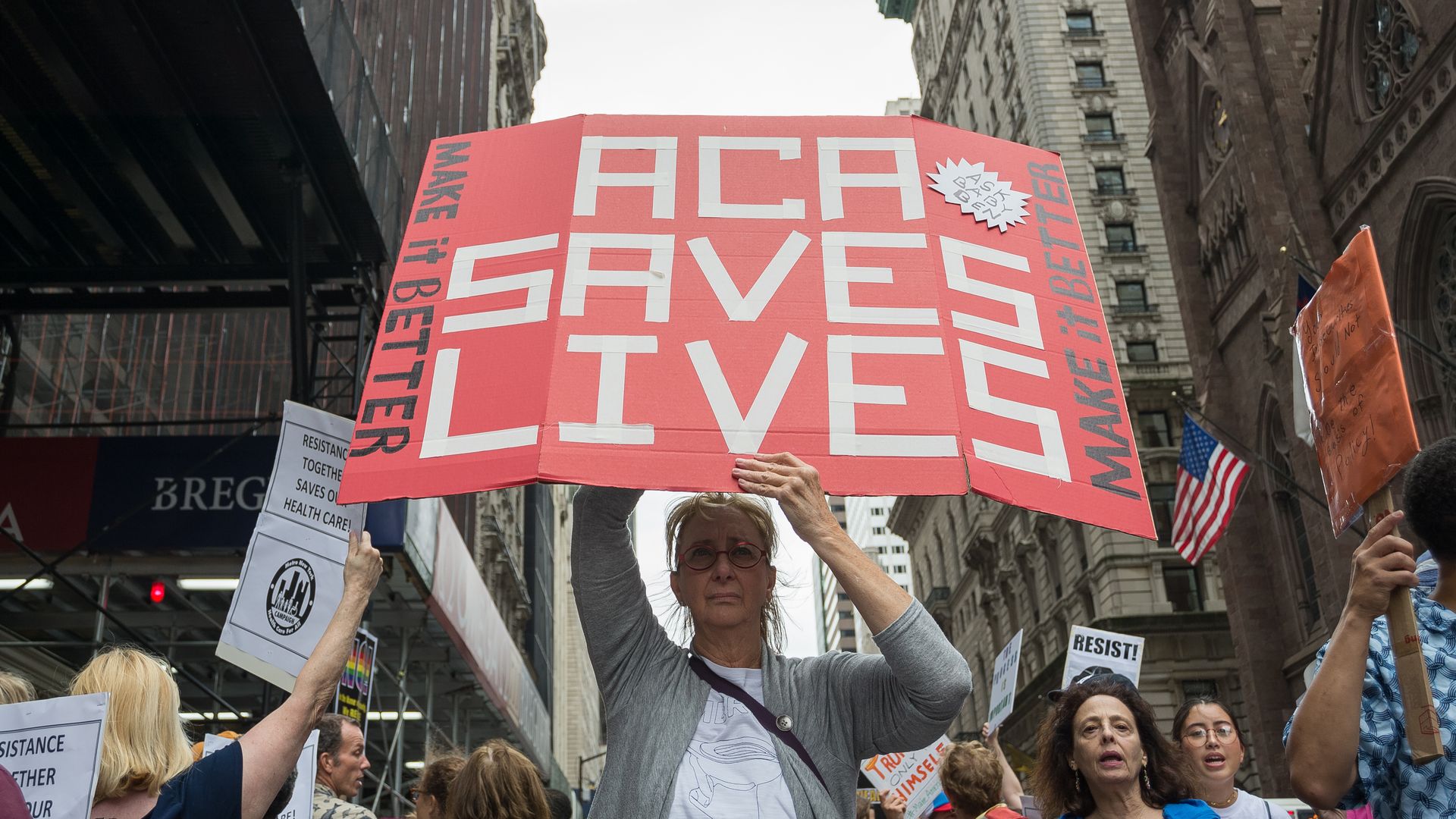
Patient advocacy groups have filed a new lawsuit challenging the Trump administration’s expansion of bare-bones “short-term” health plans, saying the new rules will undermine Congress’ goals for the Affordable Care Act.
The big picture: Almost every piece of the Trump administration’s health care agenda has been challenged in court. Some lawsuits will fare better than others, but together they have the power to stop or slow at least some of the administration’s priorities — and short-term plans are a particularly important part of that agenda.
Blue states are already defending the Affordable Care Act in court against red states’ latest legal challenge. Now Maryland has taken it a step further, filing what amounts to a competing lawsuit.
The details: Texas, the leader of the red states’ lawsuit, says the ACA’s individual mandate has become unconstitutional, and that the whole law should fall as a result. He asked a federal court to issue an injunction that would prevent the entire law from being enforced as a result.
Every American who gets private health insurance — most of whom get it through their jobs— is at risk of getting a surprise bill from hospitals, doctors, air and ground ambulances, and other providers.
The big picture: Employers would need to be part of any solution, and they say they want this problem fixed. But they don't support some prominent proposals to rein in surprise billing, including tinkering with their own regulations or giving governments more power over doctors and hospitals.