A federal judge Friday ruled in favor of UnitedHealth Group by tossing out a federal rule that required Medicare Advantage insurers, like UnitedHealth, to give back payments based on verified diagnosis codes in a medical record even though the traditional Medicare program relies on unaudited codes for payment.
Why it matters: The decision is a huge win for Medicare Advantage companies. It could affect other pending overbilling cases and how the federal government audits the industry that has a track record of inflating patient medical codes. Go deeper: Read more from Modern Healthcare and Fierce Healthcare.
Richard Sackler, whose family and company made billions from the sale of highly addictive opioid painkillers, has now patented a new and potentially lucrative treatment for opioid addiction, the Financial Times reports.
Why it matters: More than 200,000 people have died from prescription opioid overdoses since 1999. And Purdue Pharma, which the Sackler family owns privately, has become a poster child for the opioid crisis because of the way it aggressively marketed OxyContin despite rampant abuse of that drug.
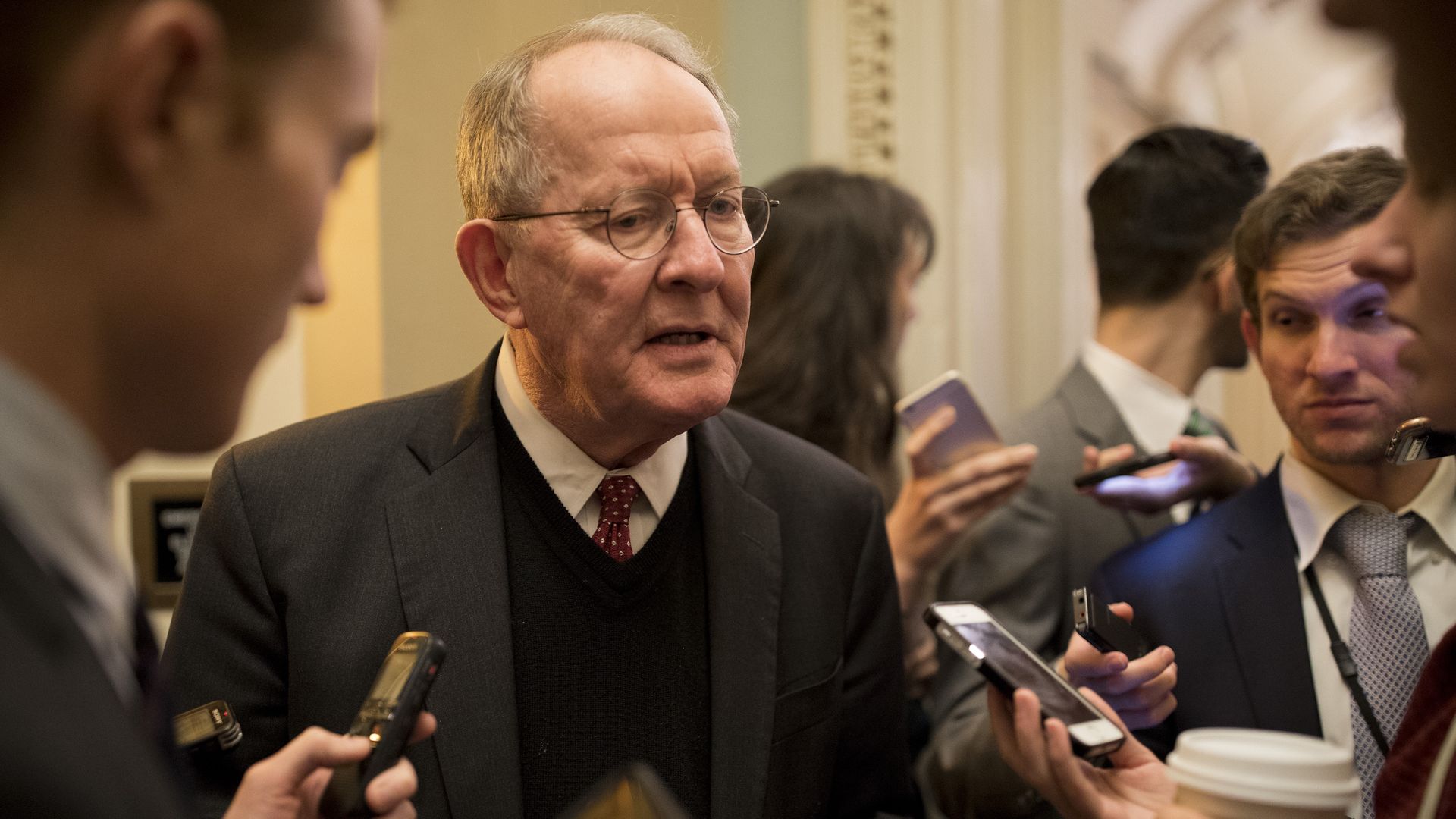
The Senate will vote next week on its version of an omnibus bill to address the opioid crisis, Sen. Lamar Alexander, chairman of the health committee, announced last night.
What's next: The House passed its own opioids package in June. There are a lot of easy consensus items in both bills, but the two chambers will still have to reconcile differing details and potentially thorny issues like funding levels and Medicaid coverage.
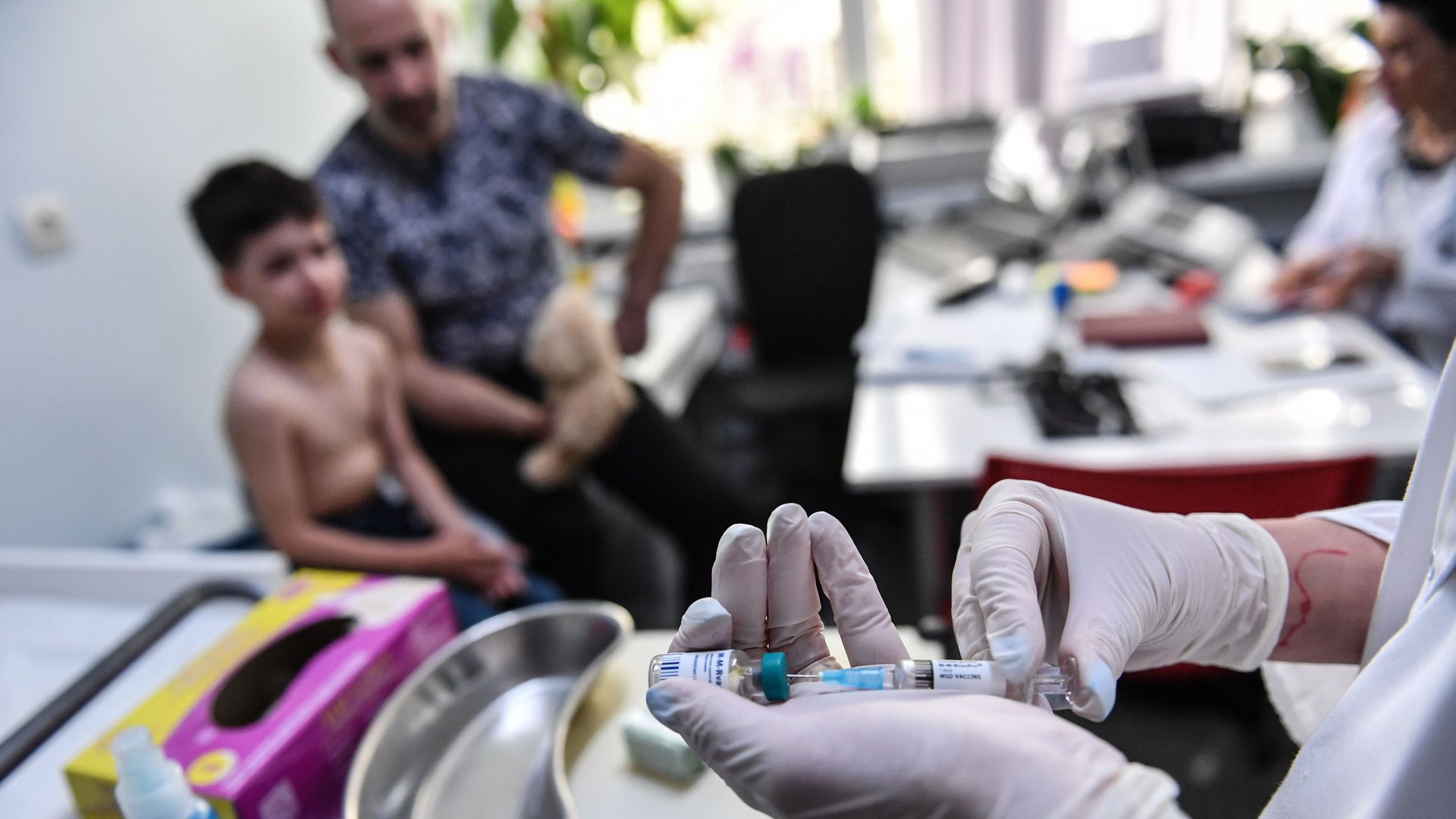
A changing picture has emerged of the U.S.' susceptibility to epidemics of infectious diseases over the next decade — driven by organized anti-vaccine activity and the lack of incentives to develop new or more effective vaccines, along with inadequate mosquito control measures.
The big picture: Reducing the risk of new epidemics will require expanding the use of existing vaccines, especially for measles and seasonal influenza, as well as introducing new vaccines for any vector-borne or zoonotic diseases that emerge.
Health officials in the Democratic Republic of the Congo announced yesterday the deadly Ebola virus has spread to a new city, Butembo, a city with almost one million people that acts as a trading hub with Uganda and other countries.
Why it matters: In addition to treating patients, public health officials also have to manage fear and distrust in some communities. DRC's Ministry of Health said this particular case was caused by a man who had been in contact with an infected person in Beni but "had refused to cooperate with the health authorities and who had fled in Butembo after falling ill."
Blue Cross Blue Shield of Tennessee, the largest health insurer in the state, will not cover the addictive OxyContin painkiller next year and instead will cover two alternative pills that are more expensive but deemed less likely to be abused, the Tennessean reports.
Why it matters: The insurer's decision is a direct response to the state and national opioid epidemic. Most people who misuse painkillers get the drugs through family or friends, not through their own prescriptions, according to federal data.
The Affordable Care Act may soon find itself in legal jeopardy yet again, if the tea leaves from a federal judge's hearing in Texas yesterday are any indication.
The big picture: Most on-the-ground accounts of the hearing say Judge Reed O'Connor seemed open to red states' latest challenge to the health care law, raising the prospect that what was once seen as a long-shot lawsuit could be a more serious threat than many experts had anticipated.
Martin VanTrieste, a former executive at pharmaceutical firm Amgen, has been named CEO of Civica Rx, the new hospital-owned company that will make 14 generic drugs and start selling them to a third of U.S. hospitals by next year. The not-for-profit Civica Rx said VanTrieste won't draw any salary or health benefits.
The big picture: The idea for Civica Rx spawned earlier this year because the founding hospitals were fed up with generic drug companies raising prices on products that were in short supply. Civica Rx would not say which hospital-based drugs it will manufacture, but it's reasonable to expect some may be on the FDA's shortage list.