Juul, the e-cigarette company, accepts that it has a "high burden" to prove its good intentions about keeping its products away from minors, company co-founder James Monsees said Wednesday at TechCrunch's Disrupt conference.
Why it matters: Juul has been under fire for using marketing that appeals to a younger audience, including its ad campaigns and candy-like names for its tobacco flavors. In response, the company has announced several efforts, including support for a push to make the smoking age 21 in all states.
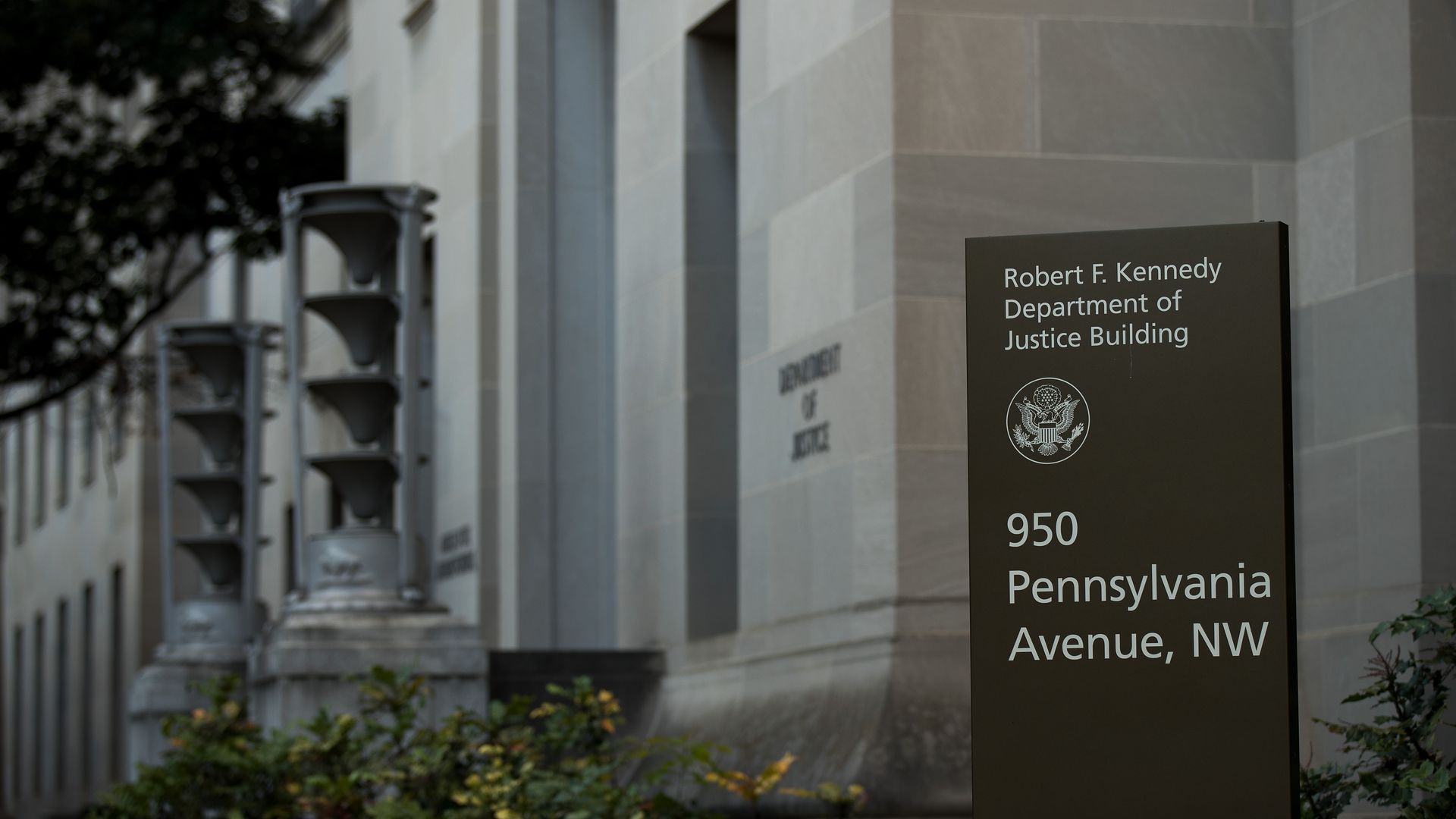
Antitrust regulators at the Department of Justice are expected to approve two major health care deals — CVS Health's $69 billion buyout of Aetna and Cigna's $67 billion deal for Express Scripts — within a matter of weeks, the Wall Street Journal reports.
Why it matters: The health insurance and pharmacy benefits industries would be even more heavily consolidated than they currently are, which has worried consumer advocates and providers. The WSJ reports the only required antitrust remedies would be for CVS and Aetna to divest overlapping assets in their Medicare prescription drug plans.
PhRMA, the drug industry’s main lobbying group, is out with a new report today that says hospitals mark up prescription drugs by an average of almost 500%. One in six hospitals set prices that are at least seven times more than what the hospital paid.
The details: Consultants at the Moran Company analyzed 2016 federal cost reports for roughly 3,800 hospitals, comparing hospitals’ purchase price for certain drugs to the maximum amounts they would charge for those drugs.
Today is all about the courts, the threats they might pose to the Affordable Care Act, and Democrats’ goal of using those threats to drive turnout in the midterm elections.
Driving the news: A federal district judge in Texas will hear oral arguments this morning on red states’ latest legal challenge to the ACA. At the same time, Brett Kavanaugh will be answering senators’ questions about his nomination to the Supreme Court.
Health care costs remain a leading issue ahead of this year’s midterms, and voters have plenty of blame to go around, according to the Kaiser Family Foundation’s latest tracking poll.
Data: Kaiser Family Foundation Health Tracking Poll of 1,201 U.S. adults, Aug. 23-28, 2018. Margin of error ±3 percentage points; Chart: Chris Canipe/Axios
Tech companies are cooperating with federal officials to crack down on illegal opioids being sold on the internet. But that doesn't mean congressional action on the issue is out of the question.
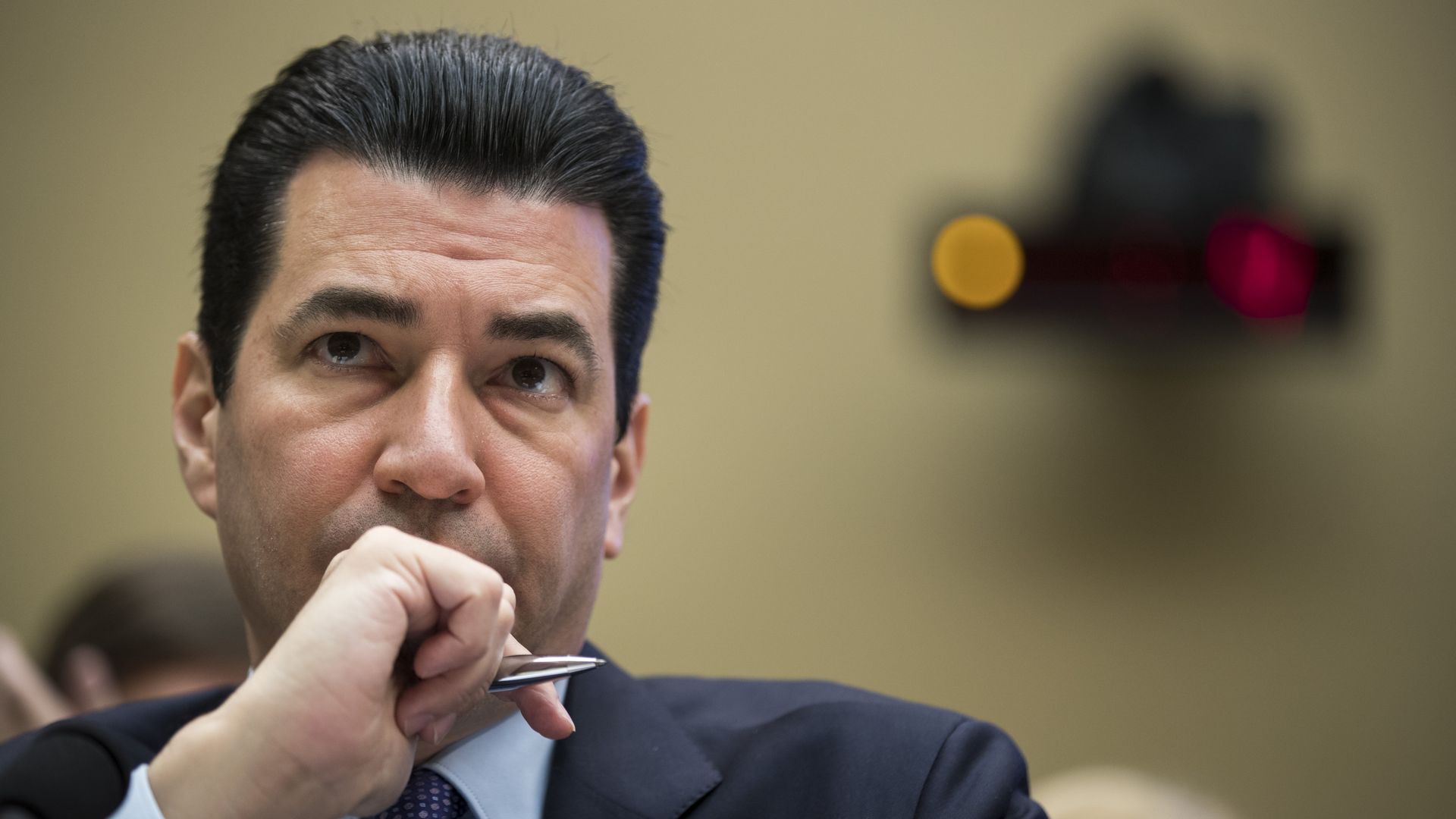
What we're watching: Silicon Valley is trying to defuse tensions with the Food and Drug Administration, andFDA Commissioner Scott Gottlieb's comments that tech is cooperating show their efforts may be working. But some lawmakers say they’re open to regulation for the platforms if the problem persists.