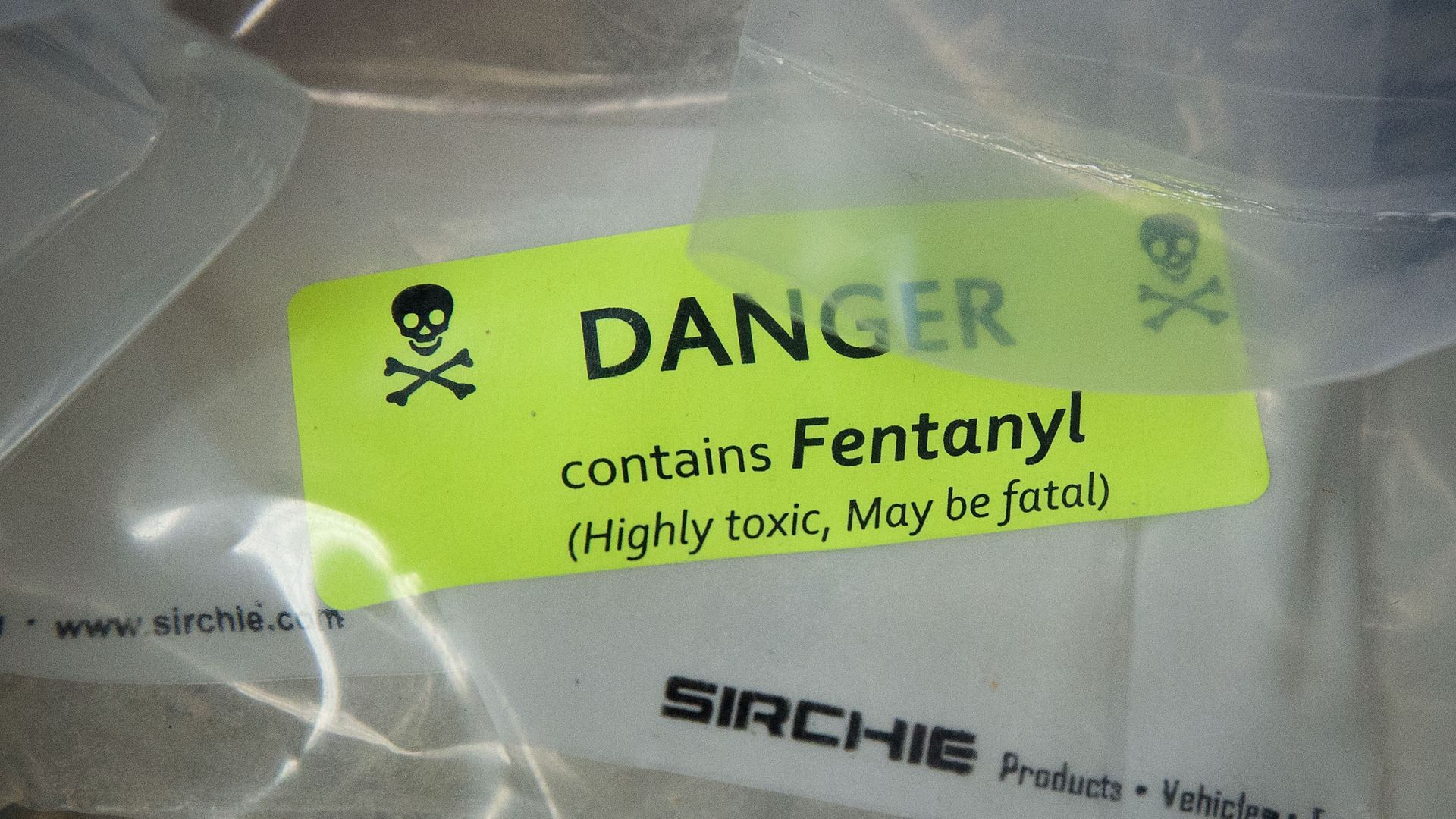
Nebraska became the first state to use fentanyl as part of a lethal injection cocktail on Tuesday, executing a 60-year-old inmate who was convicted for double homicide in 1979, reports WashPost.
Why it matters: Fentanyl is a synthetic opioid 50 to 100 times more potent than morphine, according to the CDC. With 20,000 deaths from fentanyl and related compounds in 2016 alone, the drug has driven the opioid epidemic in the U.S. to new heights.
Dan is joined by Seema Verma, Administrator for the Centers for Medicare & Medicaid Services (CMS), to talk about how patients should be given control over their data and medical records. Also, in the "Final Two" Dan talks about how Turkey is trying to ban US electronics and the latest on Elon Musk and Tesla.
A new Kaiser Family Foundation brief finds that, among people with employer-based coverage, almost one in five patients admitted to the hospital end up getting a bill from an out-of-network provider.
Why it matters: Patients have to pay more out of their own pockets for out-of-network care.
Wall Street still mostly believes President Trump's drug pricing blueprint doesn't present any immediate, large-scale disruptions to the industry as the Trump administration remains focused on changing things like rebates instead of lowering net prices.
What they're saying: "Successful efforts at lowering out-of-pocket spend for patients could ultimately help boost volumes and be a positive for the [pharmaceutical] group, but at minimum things seem to be heading in a direction that is at least neutral for the group and likely much better than previously feared." — Vamil Divan, pharma analyst at Credit Suisse, in a note to investors this month
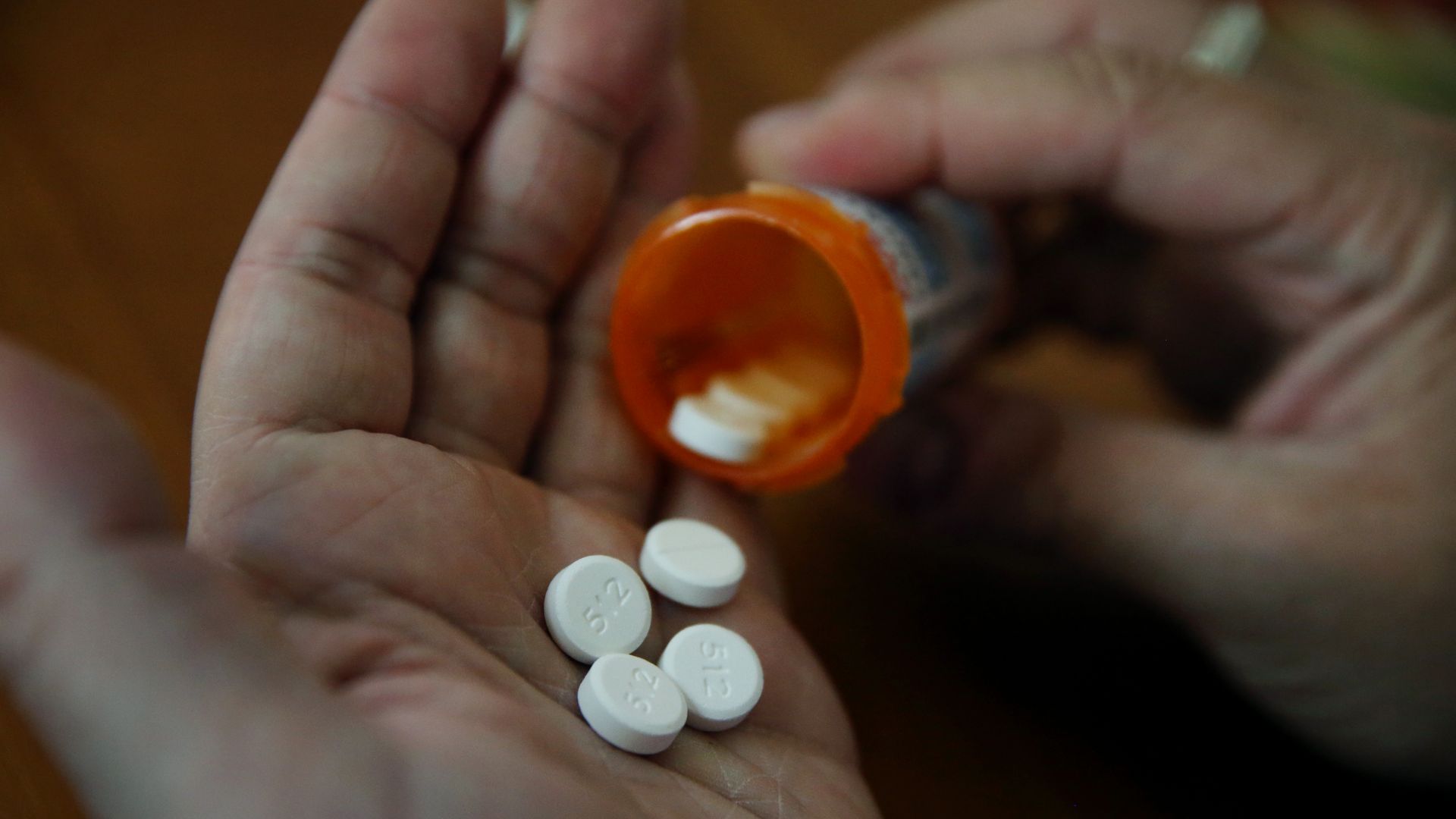
The areas most flooded with prescription opioids are mostly represented by Republicans. The opioid crisis has taken a steep toll nationwide, but the South and Appalachia are particularly inundated with highly addictive prescription painkillers.
What's next: The House passed roughly 60 opioid-related bills in June; a timeline for getting a full package all the way to President Trump's desk is not yet clear. The administration — most notably the Food and Drug Administration — has also embraced new steps to help combat the addiction epidemic.
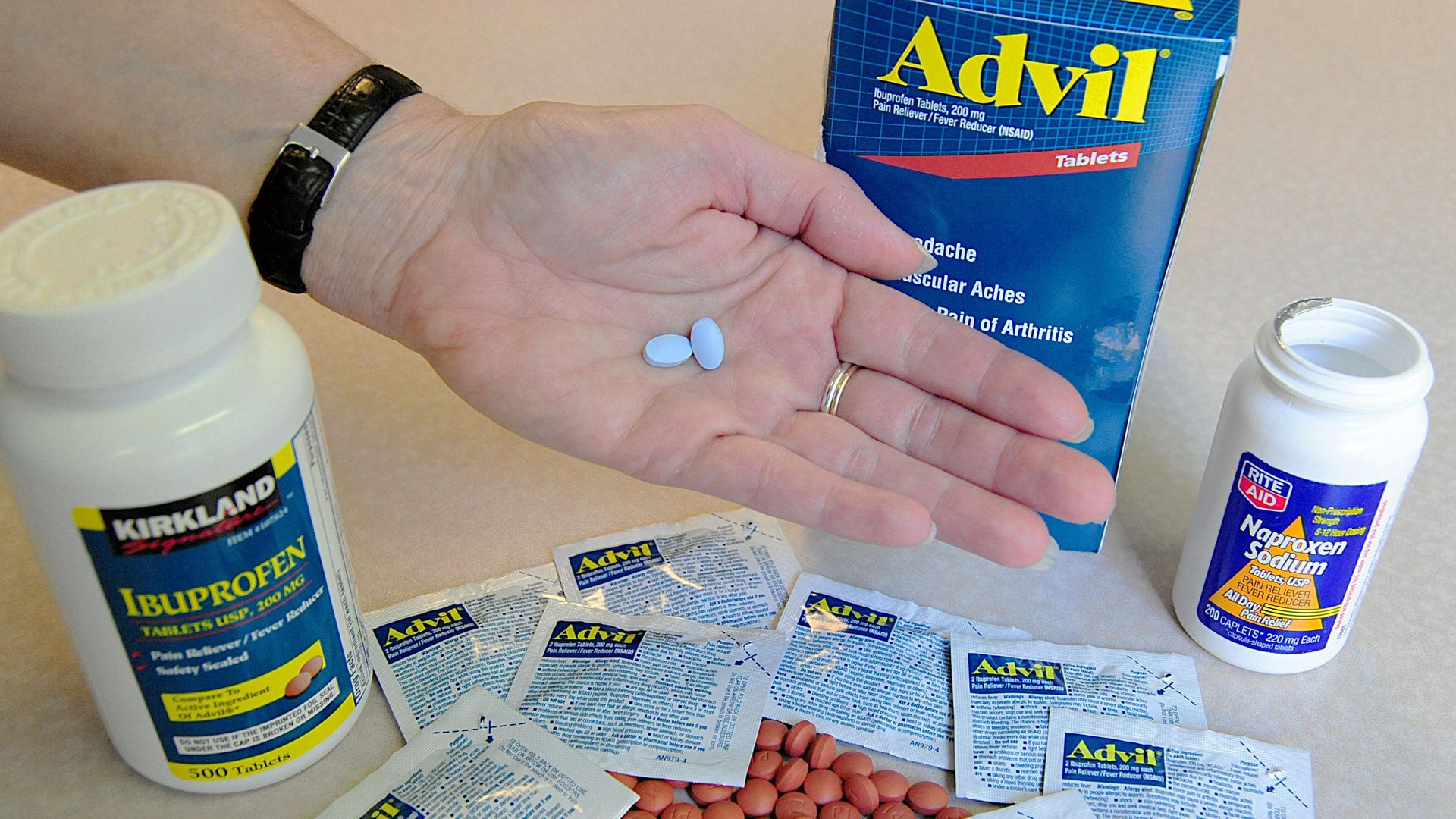
Common medications like ibuprofen or naproxen don't cost a lot on their own. But in several instances, drug manufacturers blend those kinds of medicines into one tablet and then sell the combined drug for hundreds or even thousands of dollars.
Why it matters: Patients and the public are paying huge sums of money for cocktails of old medications that are cheaper when bought separately. Experts say the system is loaded with perverse incentives, and that pharmaceutical companies and intermediaries like pharmacy benefit managers have worked in tandem.
Senate Democrats are running on health care, but it's not just against the GOP's Affordable Care Act repeal agenda. They're also finding health care attack angles unique to their opponents.
Why it matters: Polling shows that health care is at the top of voters' minds, and Democrats are hoping that piling onto last year's unpopular Republican effort gives them that much more of an edge in November.