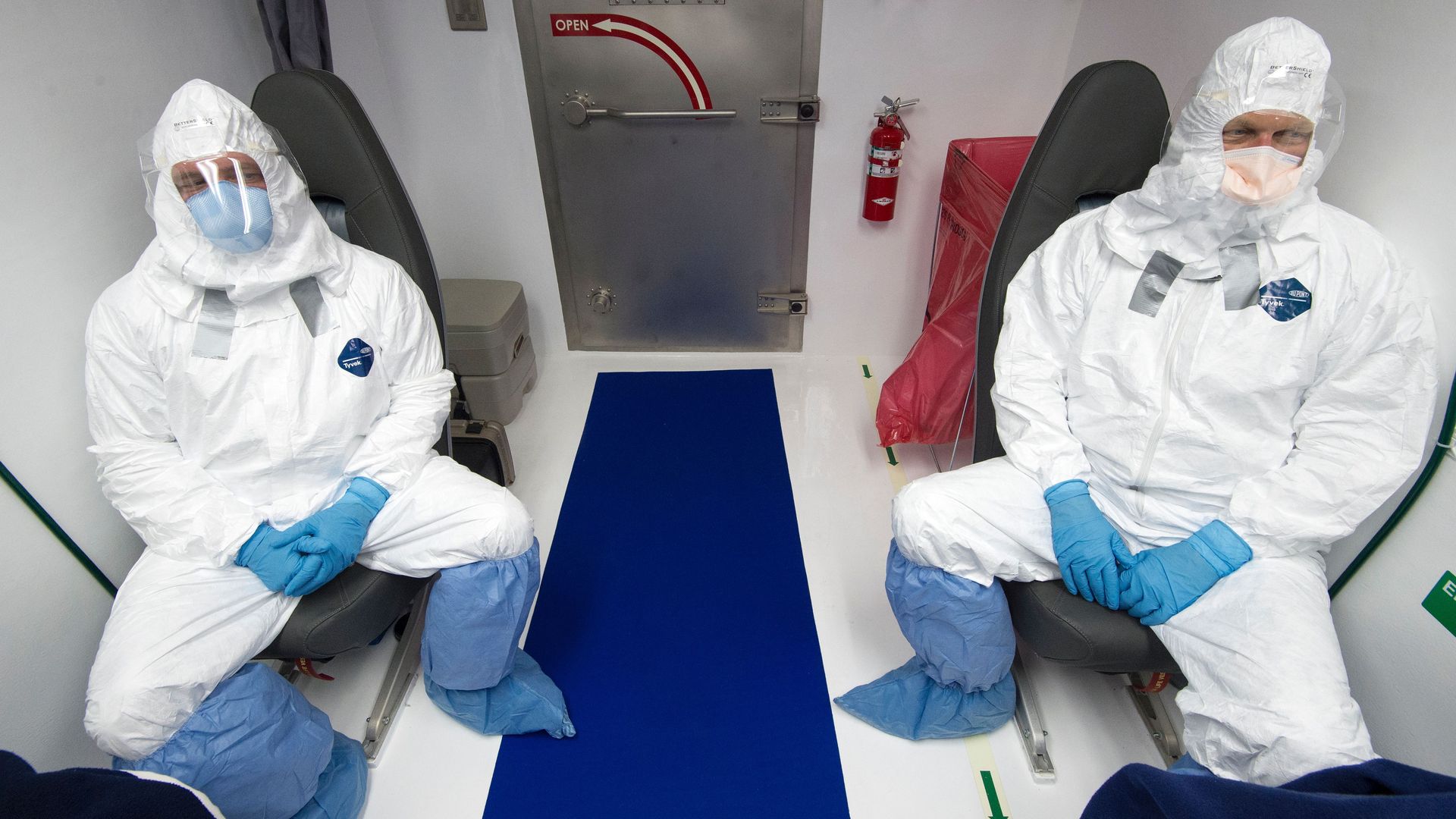
The big picture: The total number of outbreaks every 10 years "has more than tripled since the 1980s," Yong says. Bill Gates told Yong that if there was a severe flu pandemic, more than 33 million people could be killed across the world in 250 days.
Forget the Affordable Care Act: The future of our health care system will be shaped by a much bigger and broader fight — one that will likely culminate with a 2020 choice between private markets and an authentic government-run program in the form of a Bernie Sanders-style Medicare for All.
The bottom line: The cost of health care — both for individuals seeking coverage and the government seeking sustainability — promises to return as the biggest domestic issue once the Trump obsession burns off.
Every fight over the Affordable Care Act is a reminder of the bigger truth about the U.S. health care system: It's really a patchwork, not a system, because we never decided what our priorities were. Here's a look at how it developed and why it's not the kind of health care safety net other countries have.
Democrats of all stripes are embracing some form of "Medicare for All." Now they just have to decide what that means.
For Sen. Bernie Sanders, it means scrapping the entire U.S. health care system and moving everyone into a pure single-payer system with no role for private insurance.
For more moderate Democrats, it means letting people buy into the existing Medicare program (which relies on private insurers pretty heavily) or establishing a new public insurance option alongside private coverage.
Republicans are continuing the repeal fight on two fronts:
The conservative group's proposal, a block grant that builds on last year's proposal by Sens. Lindsey Graham and Bill Cassidy, will be released in the next couple of weeks, according to Lanhee Chen.
A lawsuit by Republican attorneys general that argues the law's individual mandate is unconstitutional — the one that led to the Justice Department's decision to stop defending the ACA. (The tax penalty has been repealed, but the mandate is technically still on the books.)
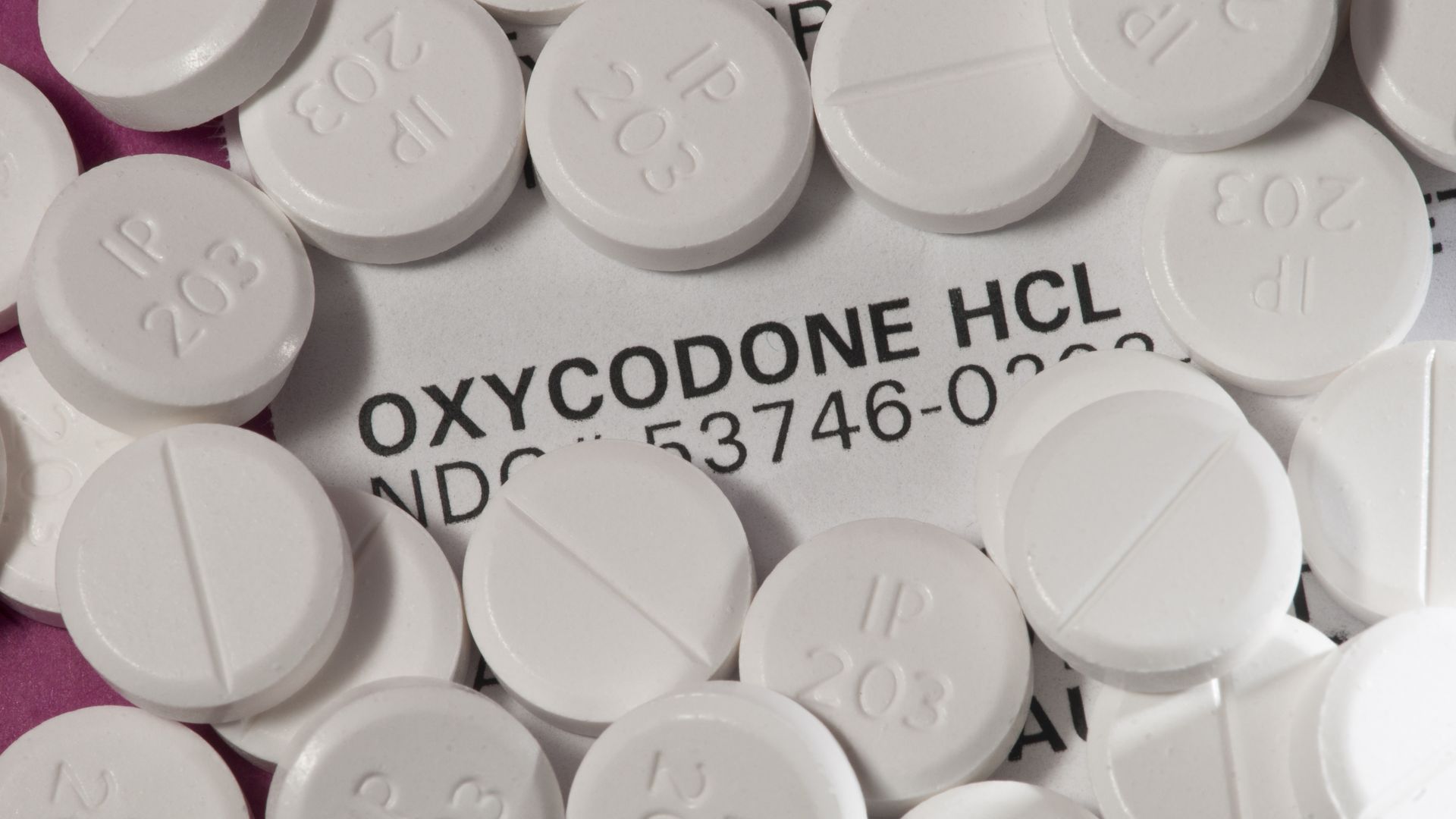
The House is voting on dozens of bills to address rampant opioid addiction— an issue that unifies lawmakers and voters like no other, and is often deeply personal.
The big picture: This epidemic is touching more and more of us: More than 40% of millennials personally know someone who has dealt with an opioid addiction, according to an NBC News/GenForward poll out Friday.
42% of millennials in the U.S. say they personally know someone who has dealt with opioid addiction, according to a new NBC News/GenForward poll.
Why it matters: Millennials, ages22 to 37,are expected to make up the largest generation in the U.S. by 2019. Overdose deaths are causing this group of individuals to die at a faster rate that those over 50 years old, according to the CDC.