The Food and Drug Administration is rolling out official guidance on how it expects pharmaceutical companies to behave when generic drugs are ready to enter the market — namely by all parties using a shared safety protocol.
The bottom line: The guidance is not legally enforceable. But FDA Commissioner Scott Gottlieb said the policies should discourage companies that make brand-name drugs from using a drug safety system to "block generic entry and help end some of the tactics that can delay access."
You didn't expect to hear the Trump administration accused of tough ACA enforcement, right? But a group of business associations says it's relying on an "unlawful and deeply flawed process" to enforce the ACA's employer mandate.
The issue: The IRS has begun sending out notices to businesses that it believes owe fines for failing to comply with the mandate. The tax agency has said some 30,000 employers are on the hook for a total of roughly $4.3 billion in fines.
The White House, in conjunction with the Ad Council, next week will debut public service messages on opioid dangers that were described to us as having a "shock the conscience" rawness.
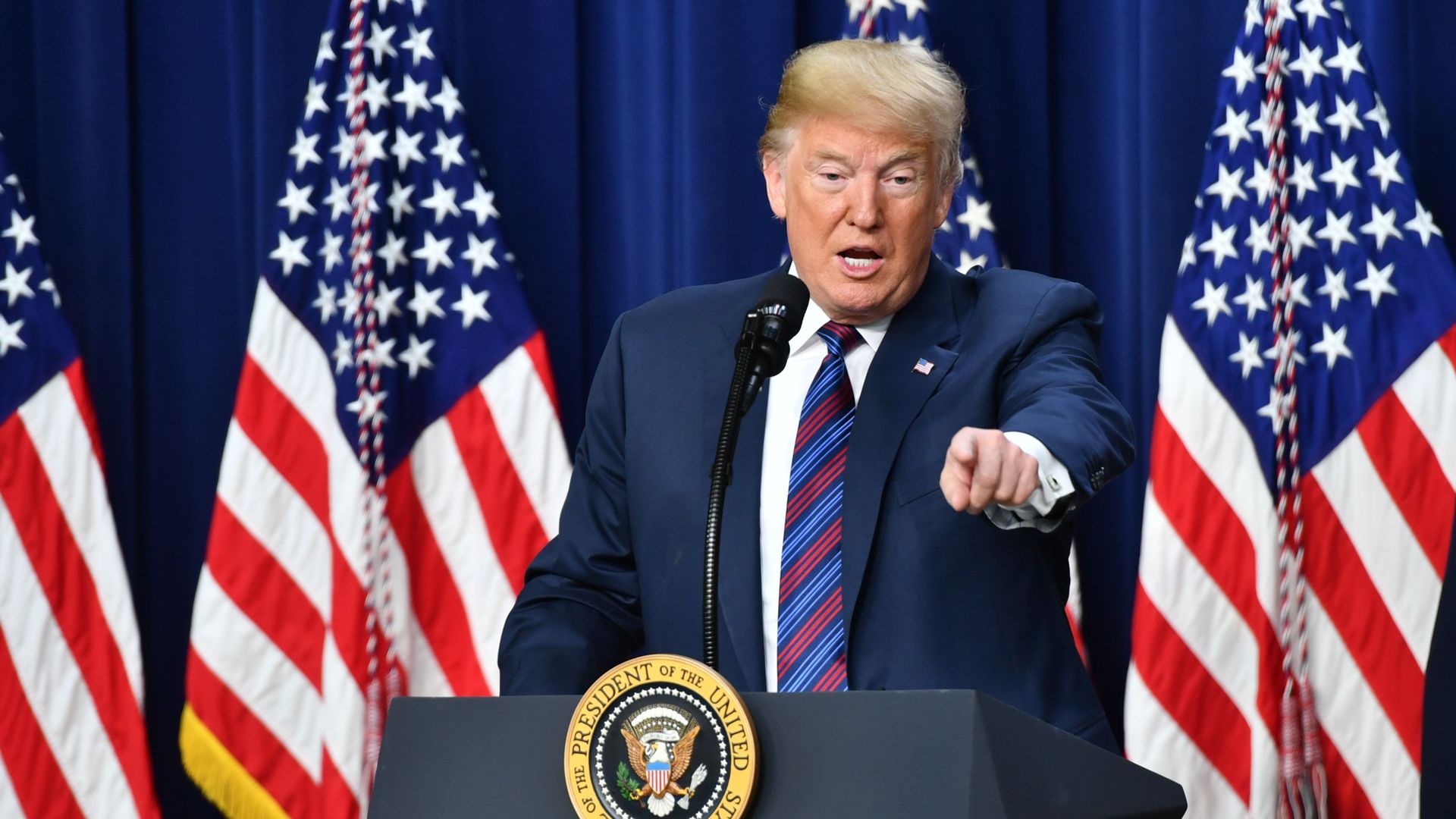
What to expect: We hear President Trump, who doesn't appear in the ads, likes the starkness of the classic "Your Brain on Drugs" messages, and wanted a similar toughness. "He thinks you have to engage and enrage," a source said.
After fighting it for four years, Virginia will soon adopt the Affordable Care Act's Medicaid expansion. Both chambers of the state legislature passed a budget bill last night that includes the expansion, which Gov. Ralph Northam is expected to sign.
Why it matters: Virginia is a big state — the expansion could cover as many as 400,000 people. And it's a reminder that, even after years of exhausting political fights, health care is still a salient issue: Medicaid expansion was a key part of Northam's campaign and helped propel Democrats' gains in the statehouse.
Doctors are increasingly using prescription drug monitoring programs — databases that track patients' drug history — in an effort to cut down on inappropriate opioid prescriptions. This corresponded with a 9% drop in opioid prescriptions between 2016 and 2017, according to new data from the American Medical Association.
What's next: The AMA says policymakers need to focus next on the barriers to treatment that people struggling with opioid addiction still face, including insurance coverage issues.
Health insurer Aetna and physician staffing firm Mednax are at each other's throats in federal court. Each side is accusing the other of using fraudulent or nefarious practices to boost profits — at the expense of sick infants.
The big picture: Taxpayers and people with job-based health insurance ultimately pick up the tab for these kinds of billing feuds, and it's not clear anyone will benefit after the dust clears.
Tri-Source Pharma has hired its first lobbying firm, Mercury Strategies, to influence federal "drug pricing law and regulation," according to a lobbying disclosure from this month. Tri-Source is the parent of NextSource Biotechnology, a firm that was heavily criticized after the Wall Street Journal reported it has hiked the price of its off-patent cancer pill by 1,400% since 2013.
The bottom line: President Trump's drug plan won't really change how drug companies set their list prices, but those firms still want a seat at the table. Tri-Source, which filed lawsuits against critics earlier this year, and Mercury Strategies did not answer multiple phone calls.
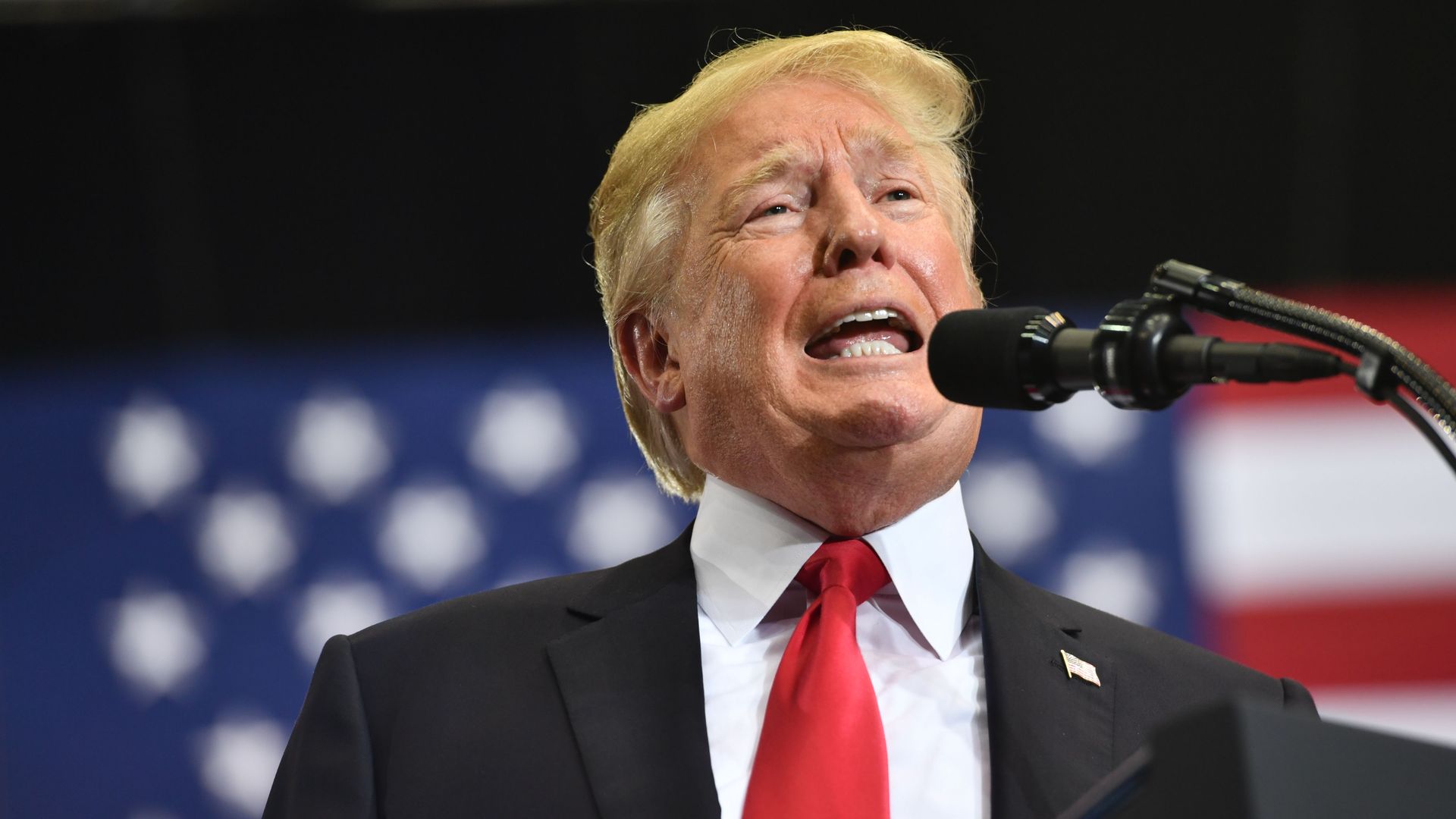
Trump said Wednesday, while signing the Right to Try Act, that major drug companies are going to announce drug price decreases in two weeks.
Yes, but: Health and Human Services secretary Alex Azar has also been calling on the industry to self-regulate, but it’s not clear what Trump was referring to, or where any new savings would come, adds Axios' Sam Baker.
"Attractive" profit margins and an aging population are the main reasons for the rush of health care mergers and acquisitions, according to a survey of health care and private equity dealmakers conducted by consulting firm West Monroe Partners.
Reality check: Even though health care players say "value-based care" drives their decision-making, the survey is a candid reminder a lot of the industry is driven by making money rather than improving care.