Sens. Rob Portman and Sheldon Whitehouse — the cosponsors of the opioid bill passed last Congress — introduced an opioid bill today that includes $1 billion in yearly funding to evidence-based programs. It also limits opioid prescriptions to three days to cut down on overprescribing, with exceptions for chronic pain treatment.
Why this matters: The authors' goal is to use this bill as a roadmap for appropriators to determine how to spend the $6 billion over two years in opioid and mental health funding. But it also includes important policy reforms that experts generally say could make a dent in the crisis. Portman said in an interview he hopes his bill gets attached to the upcoming spending bill.
If you thought the Supreme Court upholding the Affordable Care Act’s individual mandate would settle the question of its constitutionality or that Congress repealing the mandate would satisfy its critics, Texas Attorney General Ken Paxton has some news for you.
The latest: Paxton and 19 other Republican attorneys general filed a lawsuit late yesterday claiming — once again — that the individual mandate is unconstitutional and that the rest of the ACA has to fall along with it.
Come 2019, 6.4 million fewer Americans are expected to have health insurance as a result of the GOP's decision to get rid of the individual health care mandate and other policy changes made by President Trump, according to a new report released by the Urban Institute. Another 2.5 million people, who would otherwise have been insured, are expected to opt for short-term policies instead.
Why it matters: The report is the first serious study to analyze the combined effects of several major health policy changes made under the Trump administration. Note that the effect is far off from what we'd see under a full repeal of the Affordable Care Act, but represents the real-world significance of the pieces they were able to kill.
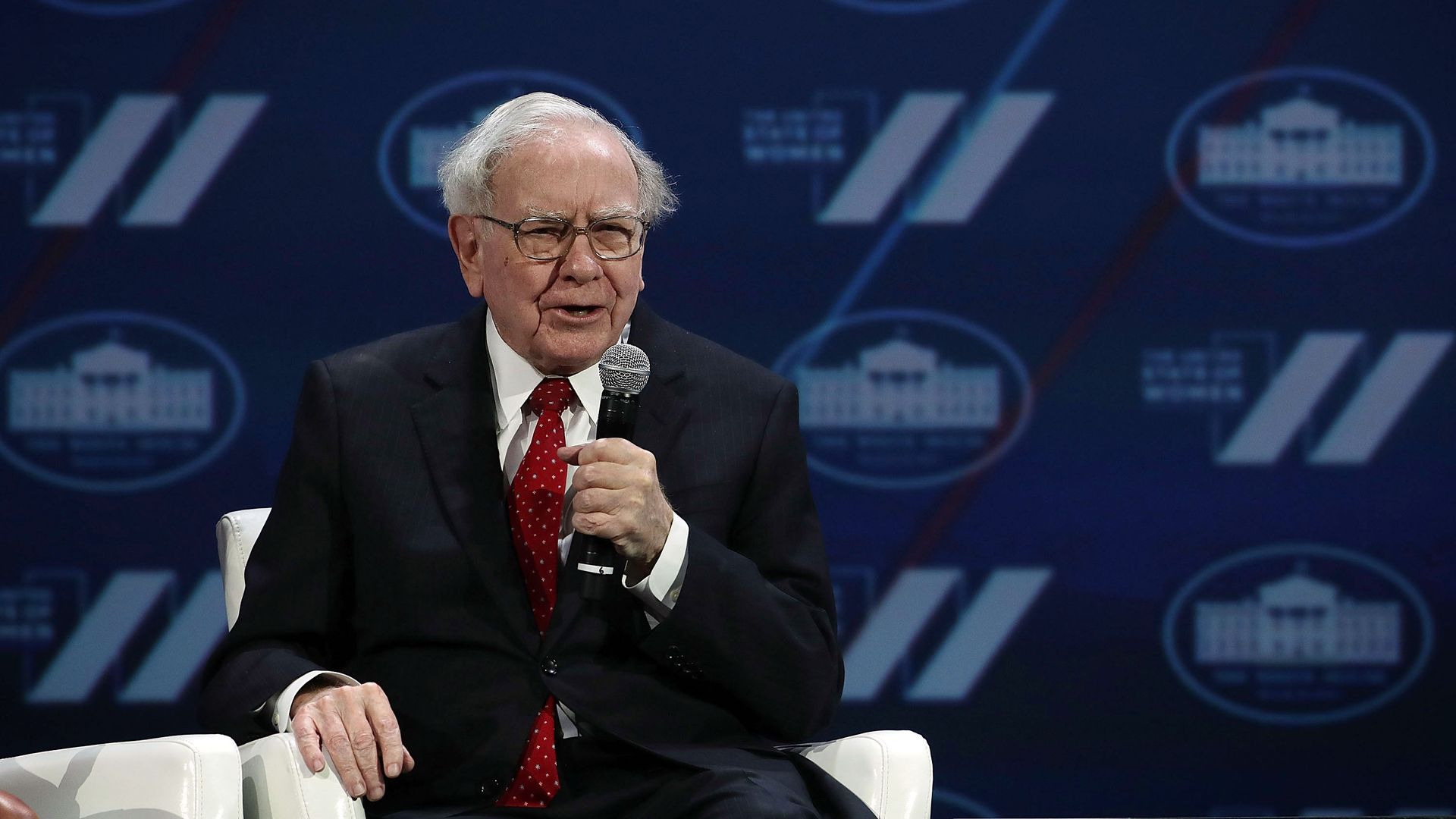
Warren Buffett told CNBC this morning that the new health care venture between his firm, Amazon and JPMorgan Chase hopes to hire a CEO to run the partnership by the end of this year. He also said there's still a chance they may not even form a company, and if they do, it'll take a lot of work to lower health care costs through the "complicated" system: "It's not going to be easy."
Both the executive branch and Congress plan to take a fresh look over the next month at the still-out-of-control opioid crisis.
What to watch: Health and Human Services secretary Alex Azar told the National Governors Association on Saturday that HHS will embrace medication-assisted therapy (MAT) — transitioning people addicted to opioids to drugs that treat withdrawal symptoms and ease them back into the routines of daily life.
If you like to start your Mondays on a depressing note — and who doesn’t? — Forbes’ Bruce Japsen is here to help. He noted an important but alarming development this weekend: psychiatrists are now in urgent demand — thanks to issues ranging from opioid addiction to mass shootings, depression and suicide.
The bottom line: Psychiatrists are now No. 2 on the list of doctors that are being recruited most heavily, right behind family physicians. For context, “a decade ago, psychiatrists were ranked ninth on [MerritHawkins’] most requested searches for a physician," Japsen writes.