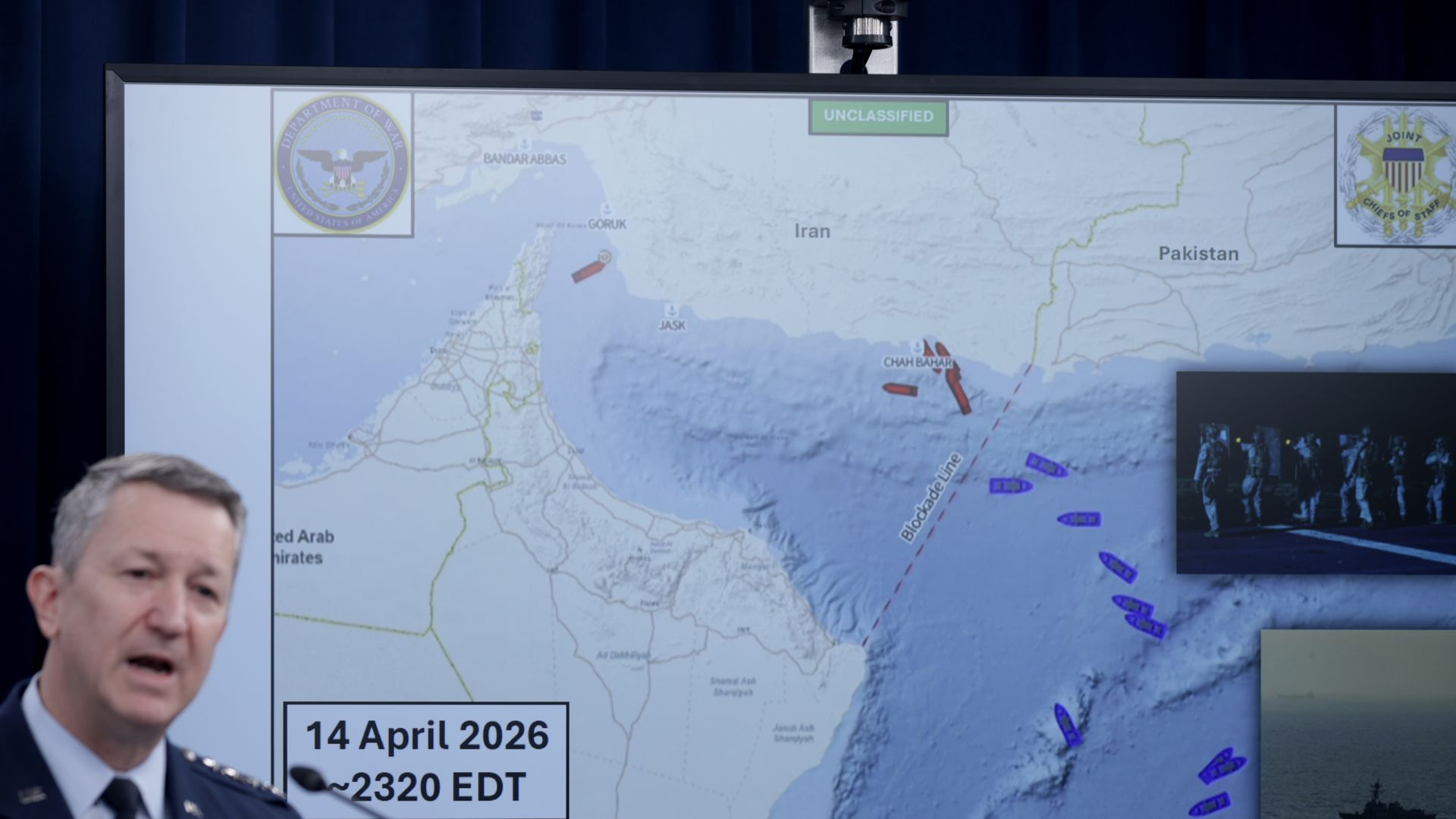
The Defense Department estimates Iran has been denied nearly $5 billion in oil revenue because of the U.S. blockade in the Gulf of Oman, causing unprecedented pressure on Tehran's government.
Why it matters: The blockade is President Trump's most significant leverage tool to negotiate ending the war with Iran, and the Pentagon wants to emphasize its impact as peace talks stop and start.
Arcadia, which helps businesses procure and manage energy, is acquiring Engie Impact — the arm of French multinational power giant Engie that offers a suite of complementary services.
Why it matters: The deal lands as energy demand and costs are rising around the world.
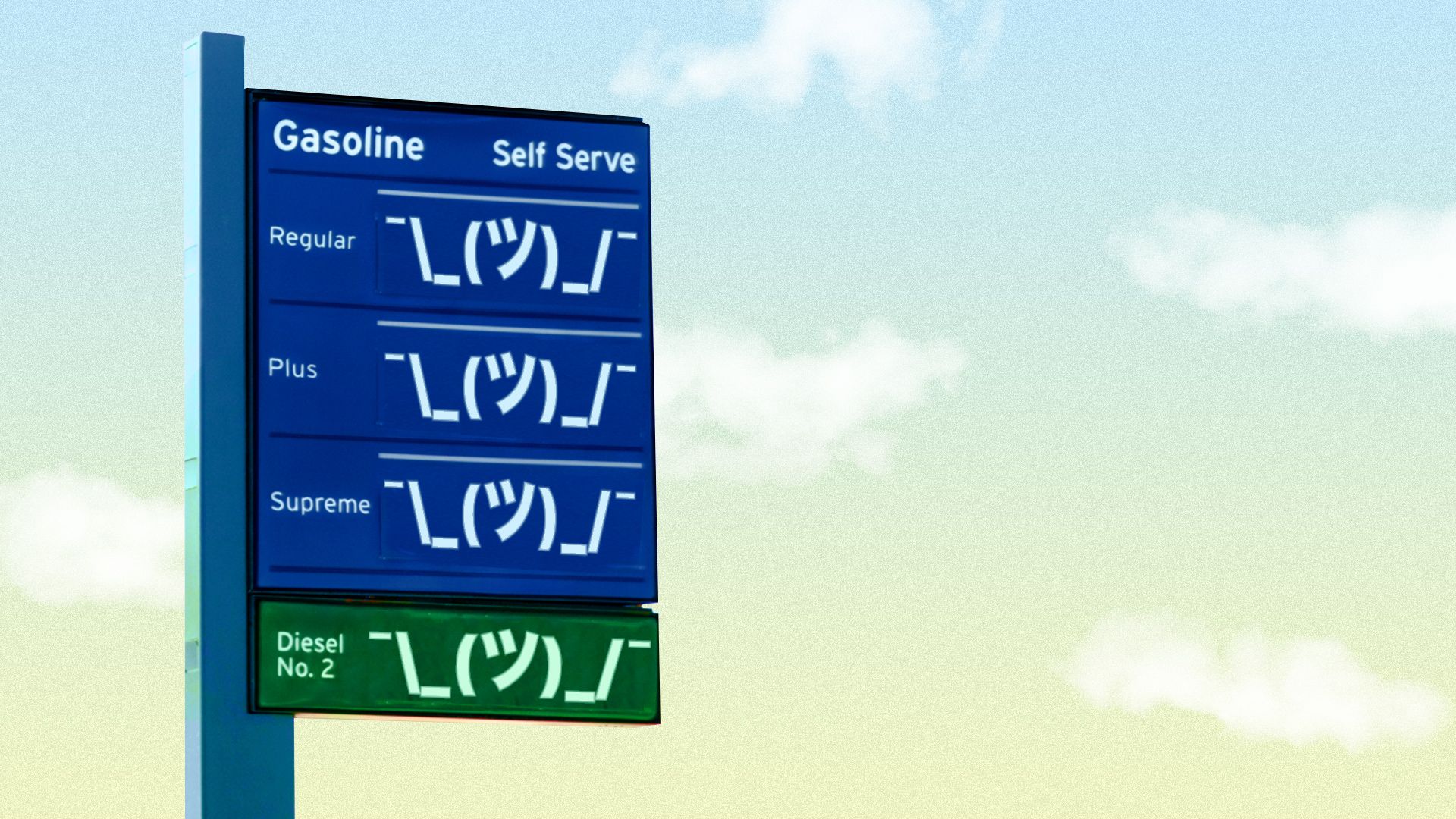
The energy crisis in the U.S. is starting to eat into American wallets, and though it's hardly an apocalyptic scenario, it sure feels awful.
Why it matters: Unlike in Asia and Europe, the U.S. is relatively insulated from the threat of actual gasoline or oil shortages, and price increases are so far manageable.
The Iran war threatens to disrupt summer travel as it sends oil prices surging — and flight and hotel bookings are already dipping, industry experts warn.
You thought Americans were bummed out? The British are among the most pessimistic in the world, according to a ranking of surveys across 139 countries from Gallup out Friday.
Why it matters: The low number speaks to the "depth of the economic malaise in the U.K.," writes Benedict Vigers, Gallup's senior global news writer.
Camp Mystic won't reopen for summer 2026 after withdrawing its license renewal application following the 2025 flood that killed 27 girls.
Why it matters: The announcement Thursday comes as families are still seeking answers on what went wrong and whether camp leaders were sufficiently prepared for the rapid flooding that overtook campers.
Oil prices reached their highest levels overnight since the Iran war began, with Brent crude topping $126 per barrel before pulling back on Thursday morning.
Why it matters: The jump will keep sending U.S. gasoline prices higher — and shows the market reacting to the possibility of a long stalemate that keeps the Strait of Hormuz throttled.
The U.S. is producing so much natural gas that at one hub in West Texas, drillers have to pay customers to take the stuff — or put another way, prices are negative!
Why it matters: It's surprising given that we're in the middle of the worst energy shock in history.
But unlike oil, which trades in a global market, natural gas still mostly trades at the regional level. And the U.S. produces enough to supply itself.
The big picture: The negative price tag is an indication of just how well-positioned the U.S. is when it comes to coping with the energy shock of the Iran war — particularly in the natural gas market.
The natural gas bounty not only insulates the U.S. from the war shock but actually creates an economic tailwind, Bloomberg reports.
"Cheap supplies of gas — a key manufacturing input and a major player in meeting power demand from artificial intelligence — stand to give the US an edge over countries facing fuel shortages," per Bloomberg.
Between the lines: While prices at the pump get a lot of attention, and rightly so, natural gas is increasingly important. It now accounts for about 40% of all U.S. electricity generation — and is powering the AI boom.
Zoom in: The glut of natural gas in West Texas stems from a surge in production over the past 15 years that has far outpaced the pipelines needed to move it out of the region.
This isn't the first time the price has turned negative.
The gas is a byproduct created during the oil drilling process.
New pipeline capacity is set to come online, but more gluts could be on the way.
What they're saying: That will "provide incremental takeaway capacity for a basin awash in molecules," says Chris Louney, a commodity strategist at RBC Capital Markets.
But "the basin is prolific, and associated gas will continue to be produced, often in excess, alongside crude oil."
How it works: For now, that local oversupply — even as other parts of the world face acute shortages — highlights how fragmented natural gas markets remain.
Prices are still driven largely by regional infrastructure, not just global supply and demand.
By the numbers: U.S. natural gas prices outside of the region are still positive — the benchmark Henry Hub natural gas price is sitting at $2.64 per million BTUs, down about 20% from last year.
That's much lower than for Asia and Europe, both depend on imports through the Strait of Hormuz. The benchmark gas price is up about 47% in the EU and more than 50% in Asia from last year.
Asian countries, outside of China, are grappling with a shortage that's led to rationing and severe measures to deal with shortfalls and high prices.
What to watch: The market has been becoming more global, especially with the U.S. rising as the world's top exporter of liquefied natural gas.
Still, the Iran war is exposing the limits of that interconnected system.