Tuesday's energy & climate stories

Patagonia CEO Ryan Gellert says there's a lot of fear in the business community right now
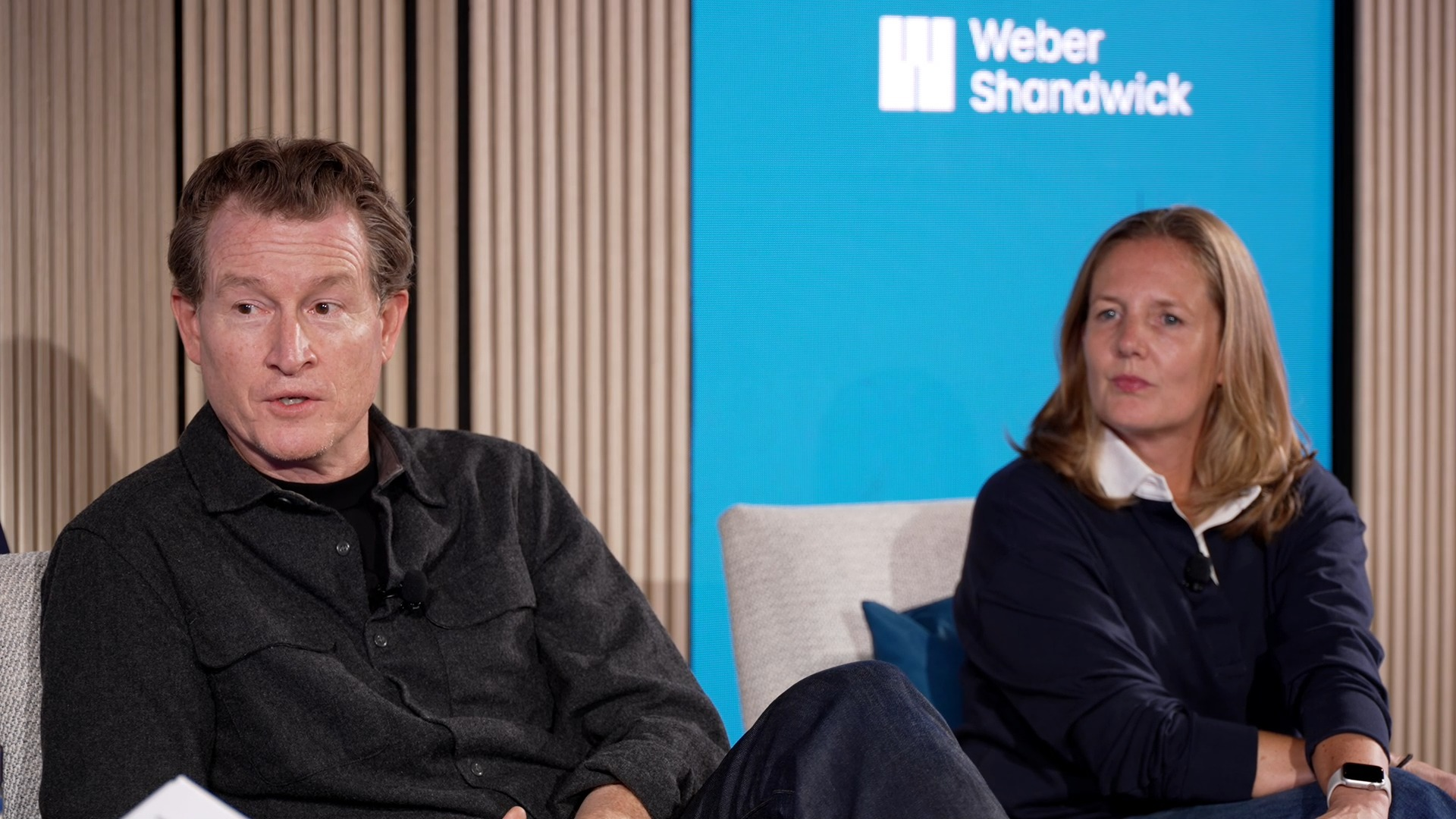
"It's a hell of a target-rich environment right now," for leaders who are unafraid to speak up on political and environmental issues, Patagonia CEO Ryan Gellert said Tuesday at an Axios House event during NYC Climate Week.
Why it matters: A lot of U.S. business leaders are afraid of triggering the Trump administration's wrath, but the Patagonia CEO is continuing in the company's tradition of speaking up on environmental and social issues.

Exclusive: Tom Steyer says Trump won't derail energy transition
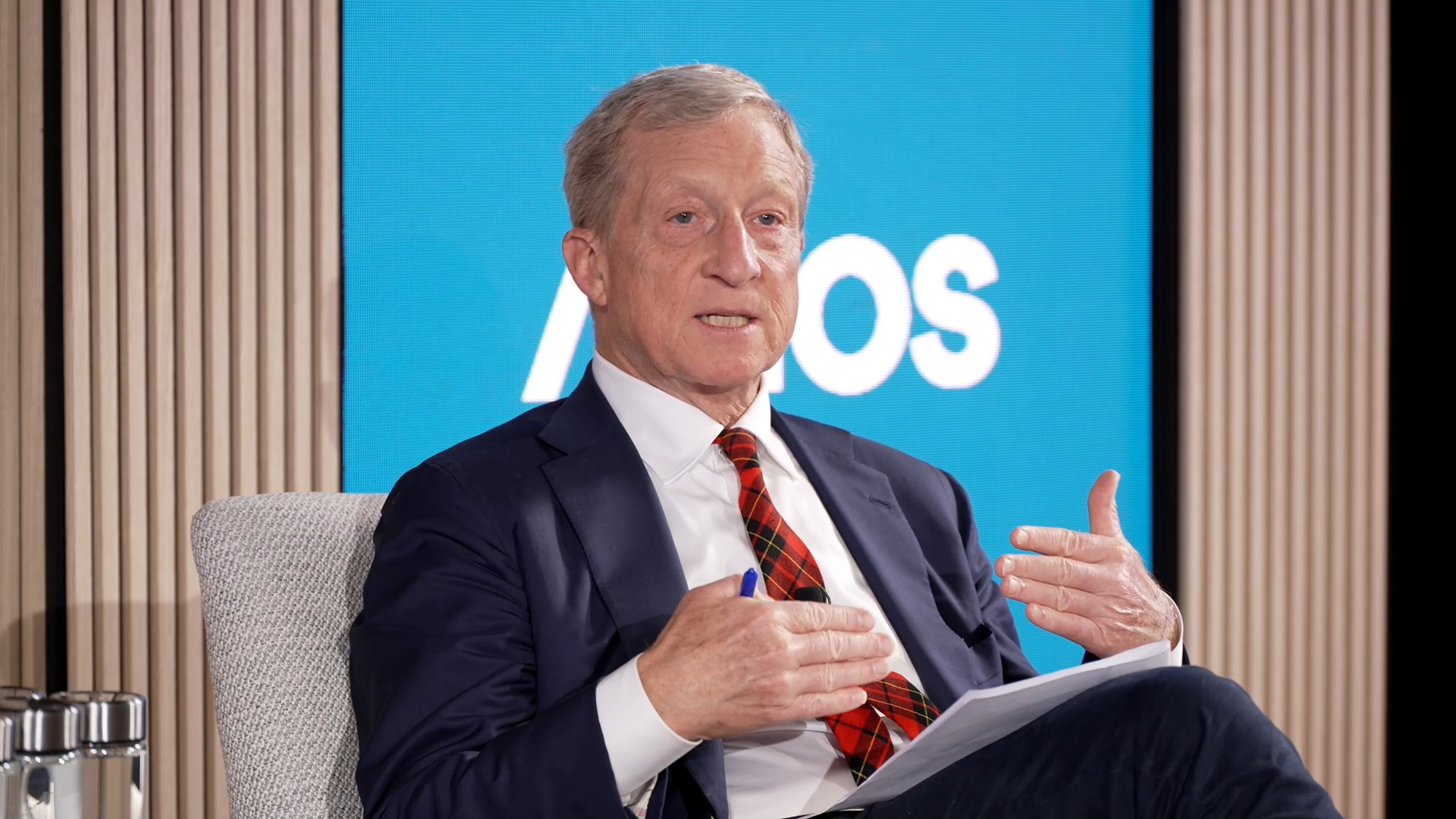
President Trump isn't an existential threat to the energy transition and climate change, investor and climate activist Tom Steyer said Tuesday at an Axios House event during Climate Week NYC.
Why it matters: Steyer's free-market views offer an upbeat contrast to the Trump administration's focus on fossil fuels and nuclear over other clean-energy technologies.

Windmills, wars and marble floors: 10 topics Trump hit in meandering UN speech

In President Trump's first address to the United Nations General Assembly since returning to the White House, he said Russian President Vladimir Putin's name once. Windmills, however, he mentioned at least three times.
The big picture: As wars rage in Europe and the Middle East, Trump used his lengthy address to scold the international body, paint climate change as a hoax and warn of immigration "destroying" countries' "heritage."

Axios House: Sustainability leaders spotlight resource reuse for energy transition
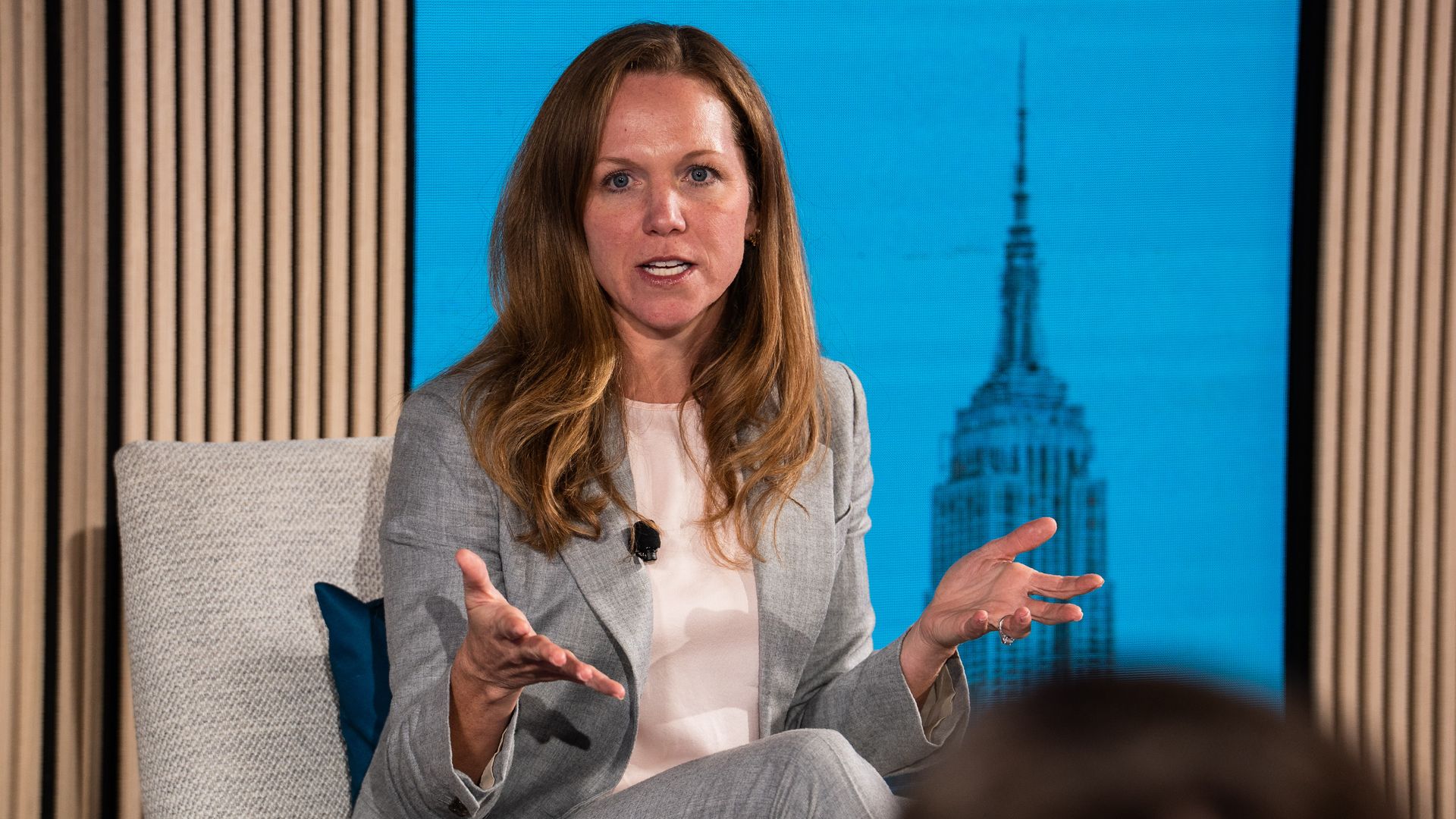
NEW YORK – From turning crops into sustainable aviation fuel to recycling carbon fiber, repurposing resources is crucial to driving the clean energy transition, sustainability leaders said at Axios House at Climate Week and the UN General Assembly on Monday.
Why it matters: Resource conservation can convert waste into value, helping industries cut emissions and reach sustainability goals.
- Axios' Amy Harder, Ben Geman and Chuck McCutcheon hosted conversations with Delta Air Lines chief sustainability officer Amelia DeLuca, World Resources Institute president and CEO Ani Dasgupta, and McLaren Racing sustainability director Kim Wilson. The event was sponsored by Suntory Global Spirits.
Today, sustainable aviation fuel (SAF) is derived from soy and other crops, but DeLuca said future sources could include materials such as corn or wood waste. She stressed SAF's "value chain approach," which affects corporations, farmers and rural communities.
- "You've got a whole rural community that's like, 'I actually don't know where my future is,'" DeLuca said. "Sustainable aviation fuel, it's not just a blip. It's not a five-year thing. This is a multiple-decades' worth of a product that we're going to need as an industry that also helps those communities, and that's again where you have that win, win, win."
Meanwhile, Wilson noted that McLaren Racing pioneered the use of recycled carbon fiber in the racing industry, which can reduce emissions by up to 90%.
- After discovering that materials accounted for a significant portion of its footprint, McLaren Racing worked with a supplier to recycle aerospace waste.
- "The thing about new materials is you have to think about how do we not compromise between on-track performance … for sustainability, but we also need to find ways to balance that and innovate," Wilson said.
- McLaren Racing has already used recycled carbon fiber for non-safety-critical parts in Austin and Silverstone and is exploring what's next.
Separately, Dasgupta said technology is transforming the clean energy transition "at a scale and speed and price that we didn't even think possible."
- However, Dasgupta noted that "technology itself doesn't produce good outcomes. We need to orchestrate that outcome." He said collaboration across industries and tech innovators is needed to help ensure a smooth transition.
Sponsored content:
In a View From the Top conversation, Kim Marotta, Suntory Global Spirits' chief environmental sustainability officer and head of enterprise risk management, addressed the importance of industry collaboration in resource conservation.
- "You can't do it one company alone, you can't do it one farmer alone, you can't do it one community alone," she said. "When we look at our watersheds, so many of our peers and competitors are in those watersheds, so we don't compete against each other. … We have projects in Mexico where we have Pernod Ricard, Brown-Forman, almost every one of our peers and competitors involved in replenishing the water in that watershed for the long term."

"Greatest con job": Trump pushes climate change denial in United Nations speech

President Trump derided the United Nations for raising awareness of climate change, calling it the "greatest con job ever perpetrated on the world" in remarks at the UN General Assembly on Tuesday.
Why it matters: While many of the U.S.'s allies have pledged to combat the trend of global warming, Trump mocked their investments in green energy and commitment to sustainability in a tirade minimizing its risks.

Exclusive: Whitehouse wants Democrats to abandon Biden's "tepid tone" on climate
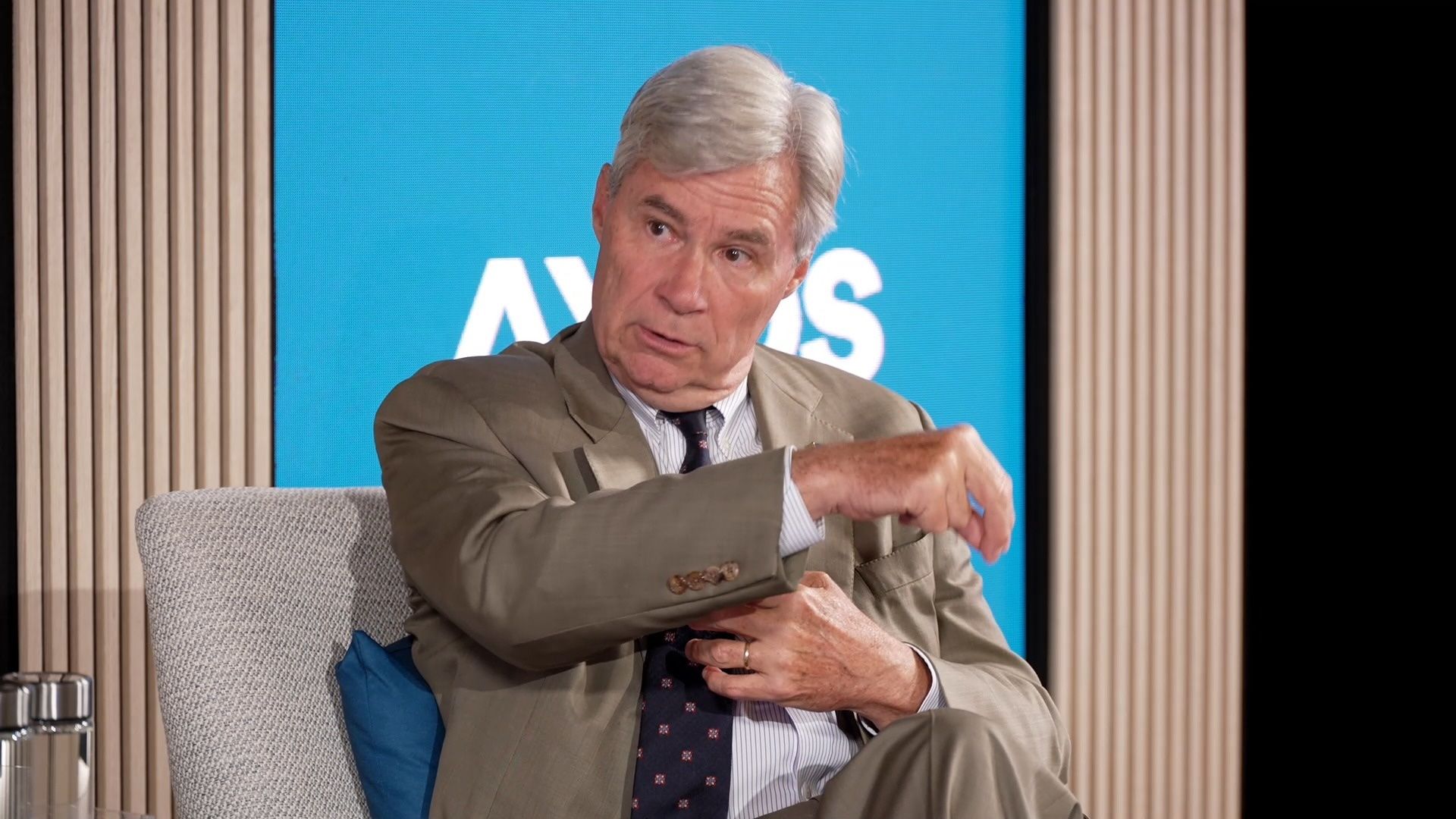
Democrats must shift from former President Biden's "tepid tone" on climate change to a more aggressive stance to persuade voters, Sen. Sheldon Whitehouse (D-R.I.) said Tuesday at an Axios House event at Climate Week NYC.
Why it matters: Whitehouse — the top Democrat on the Senate Environment and Public Works Committee — is among those in his party who think climate can be a winning pocketbook issue as insurance premiums rise and other financial impacts surface.
Investor David Burt warns about climate-related insurance impacts
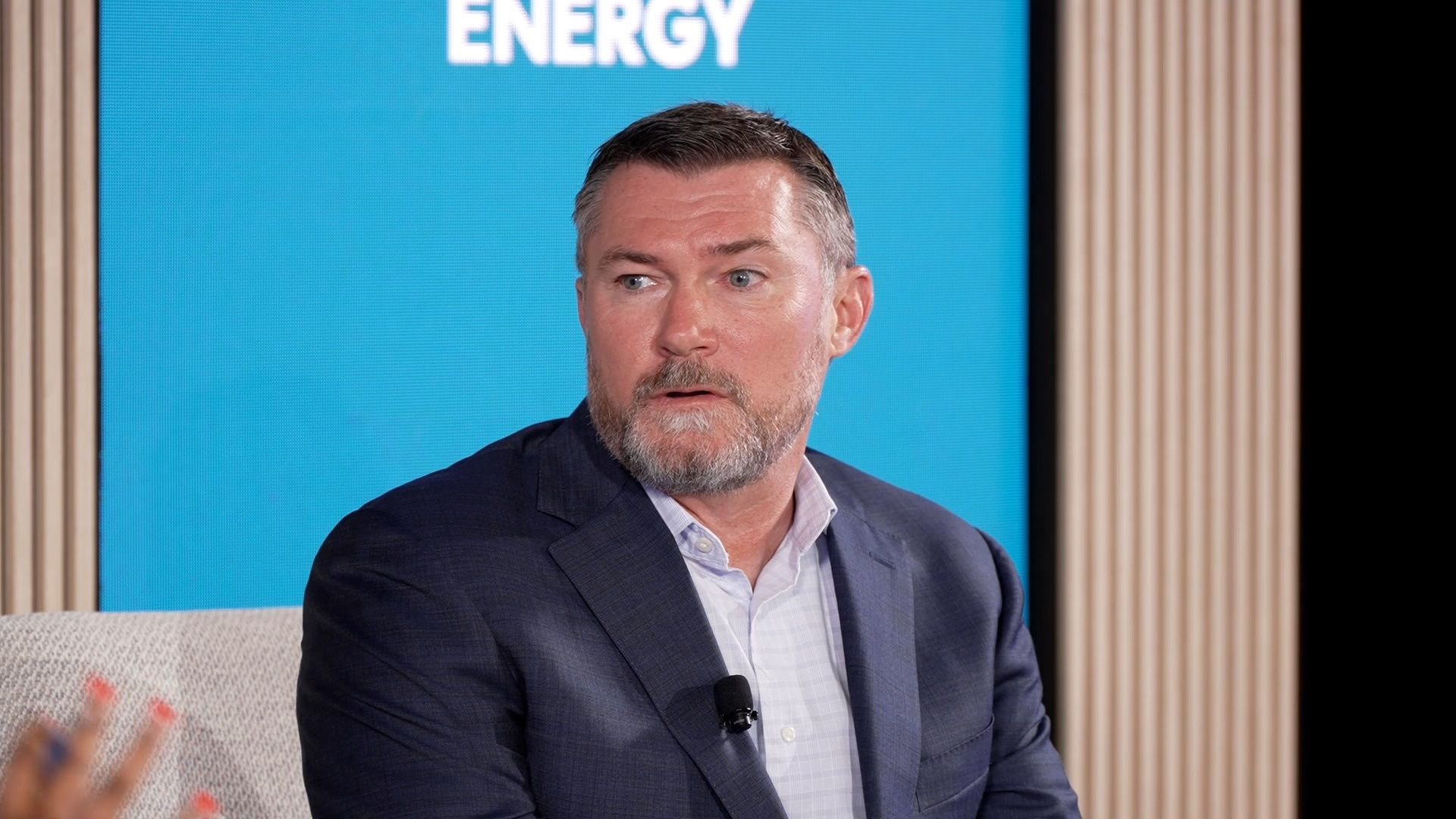
Climate change is causing "a major paradigm shift" in real estate markets due to the impact on insurance, investment guru David Burt said Tuesday at an Axios House event at NYC Climate Week.
Why it matters: Burt drew considerable attention for predicting the 2008 financial collapse.
- Burt, founder and CEO of DeltaTerra Capital, was immortalized in the 2015 movie "The Big Short" when Brad Pitt played a character based on a composite of him and others.
Driving the news: Burt has been warning recently that not enough money is being collected to cover the costs related to climate change as risks keep increasing.
- "Insurers are starting to hike premiums, and some lenders are starting to think about increasing insurance requirements," Burt said.
- If the Federal Reserve was paying more attention to climate's effects, it would support a case for lowering interest rates, he said.
- The Fed "should be focusing on the economies where home prices are falling," he said. "You're already starting to see delinquencies rise."
Burt also said Chairman Jerome Powell and others "need to sort of look away from the aggregate and start looking at the regions that are being most impacted."
- He cited "most of Florida," particular its west coast, along with the Mountain West, Southern California and the Gulf states of Texas and Louisiana
Zoom in: In a separate Axios House appearance, Potential Energy Coalition CEO John Marshall said polls show 80% of Americans living in high-risk zones have become highly concerned about insurance costs.
- Marshall, whose group unites marketers who seek to change the narrative on climate, said the insurance impact could make it easier to convey the dangers of climate change to the public.
- "It's a decently simple message, because insurance starts to resonate across America — 'Your town could be next,''' Marshall said.
- "And that gets people's attention; it moves it away from something that you have to make a value-space choice for ... It's a way to think about materiality."
Axios House: Trump team eyes oil and gas diplomacy at Climate Week
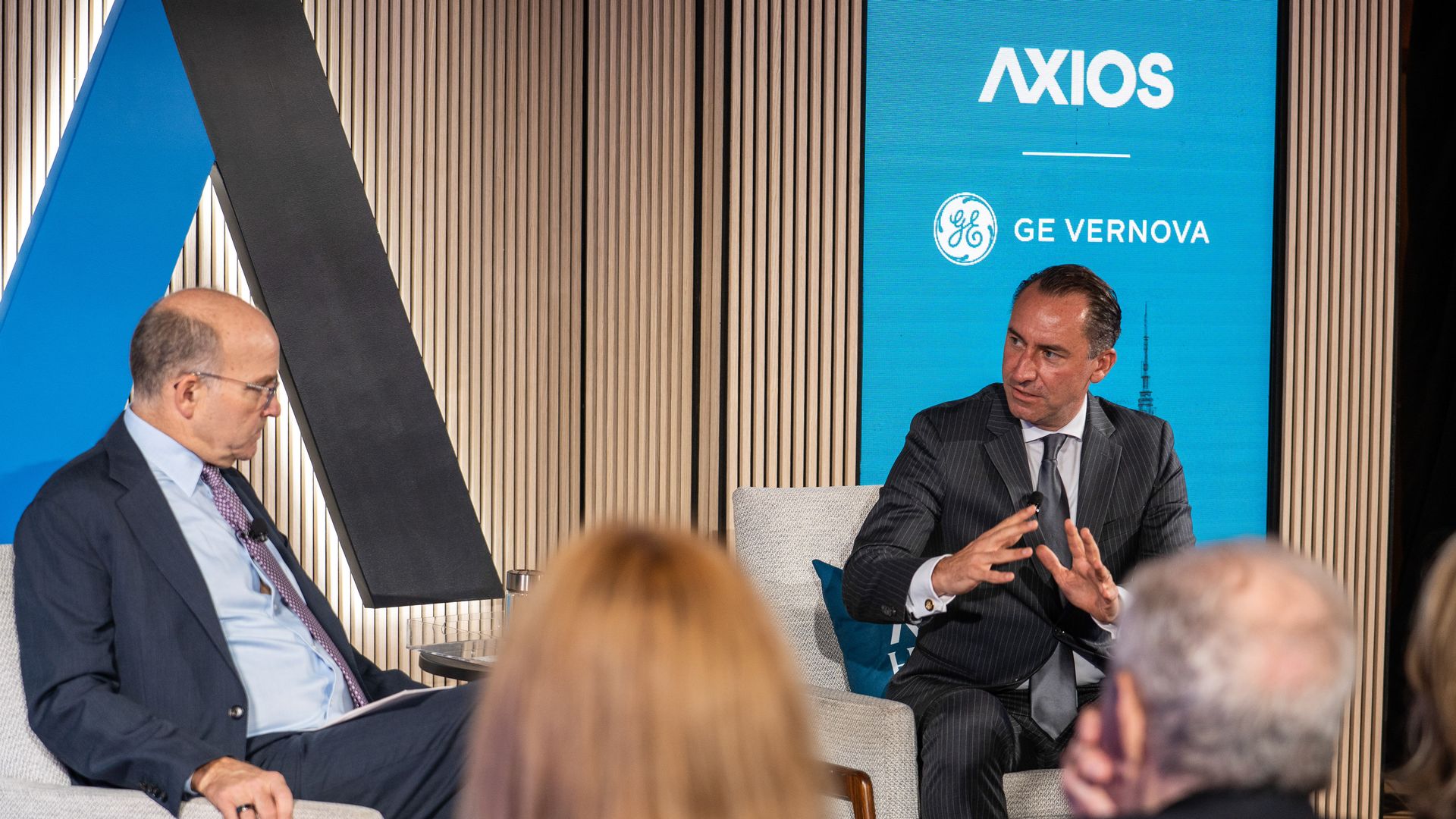
NEW YORK – The Trump administration is putting oil and gas deals front and center at Climate Week and the UN General Assembly, a senior White House official said at Axios House on Monday.
Why it matters: The White House is focusing on natural gas by making it a strategic asset in global power politics.
- Axios' Mike Allen and Amy Harder hosted conversations with Jarrod Agen, executive director of the White House National Energy Dominance Council; Federal Energy Regulatory Commission former chair Neil Chatterjee; and Form Energy co-founder and CEO Mateo Jaramillo. The event was sponsored by GE Vernova.
What they're saying: "We are abundant in natural gas here and it is a huge leverage point we have," Agen said.
- Agen stressed that countries are looking to strike deals to stop depending on Russian oil: "It's Europe, it's Asia. They are looking for U.S. energy. They want to get off of Russian energy sources, and we have such a supply."
While many in the sustainability industry disagree with the use of fossil fuels, Chatterjee believes AI is going to "snap us out" of the decades-long fossil fuel versus clean energy debate.
- "AI and the national security implications of AI will be the thing that finally breaks us out of our probably two decades long sort of antiquated fight that we've had to where if you're for fossil fuels, you're of the political right, and if you're for clean energy and climate solutions, you're of the political left," Chatterjee said.
- "For the political left, there has to be a recognition that in order to win the AI race and keep energy affordable and reliable, we cannot do it without fossil fuels."
- "For the political right, I think there has to be a recognition that we cannot possibly do this with fossil fuels alone."
By the numbers: Rising energy costs are a challenge leaders across the spectrum are trying to solve, and Jaramillo says long-term storage could be one of the keys to driving costs down.
- "We expect that this will be a sort of a dampener effect on prices," Jaramillo said. "You're utilizing the assets you already have more efficiently, more effectively, and you don't have to go overbuild in the future to get the same result, and so it sort of has a deflationary effect on the system overall."
Sponsored content:
In a View From the Top conversation, GE Vernova CEO Scott Strazik called nuclear power a breakthrough technology that's "moving very rapidly" because of its power density.
- "Land is going to become a challenge," Strazik said. "You can take a 300-megawatt small, modular reactor that we're constructing right now, and that one football-field-size solution powers 300,000 homes in the U.S. We're building the first one right now in Ontario, Canada."
- "We have our first application into the Nuclear Regulatory Commission to start construction on the first plant in the U.S. that we hope to be there by sometime in '27. … So we're going to need zero-carbon electrons that can run at base load, and nuclear is a good solution for that."

How AI is helping Al Gore warm up to nuclear power
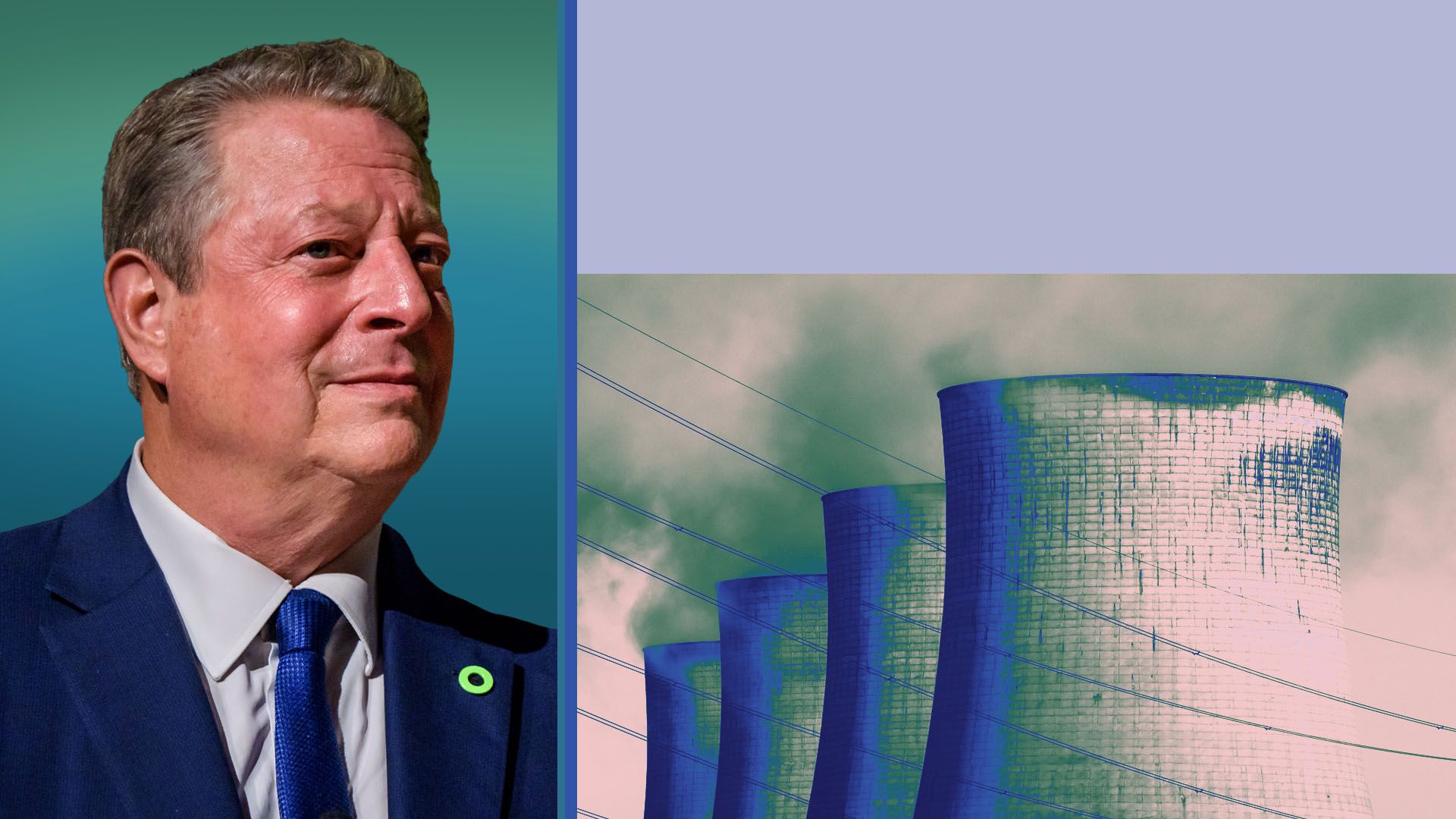
Al Gore says AI's surging electricity demand merits giving nuclear power a fresh look — even with what he thinks is a persistent hefty price tag.
Why it matters: The former vice president and famous environmentalist has had an evolving perspective on nuclear. It encapsulates the tricky position the power source occupies in our broader energy and climate debate.