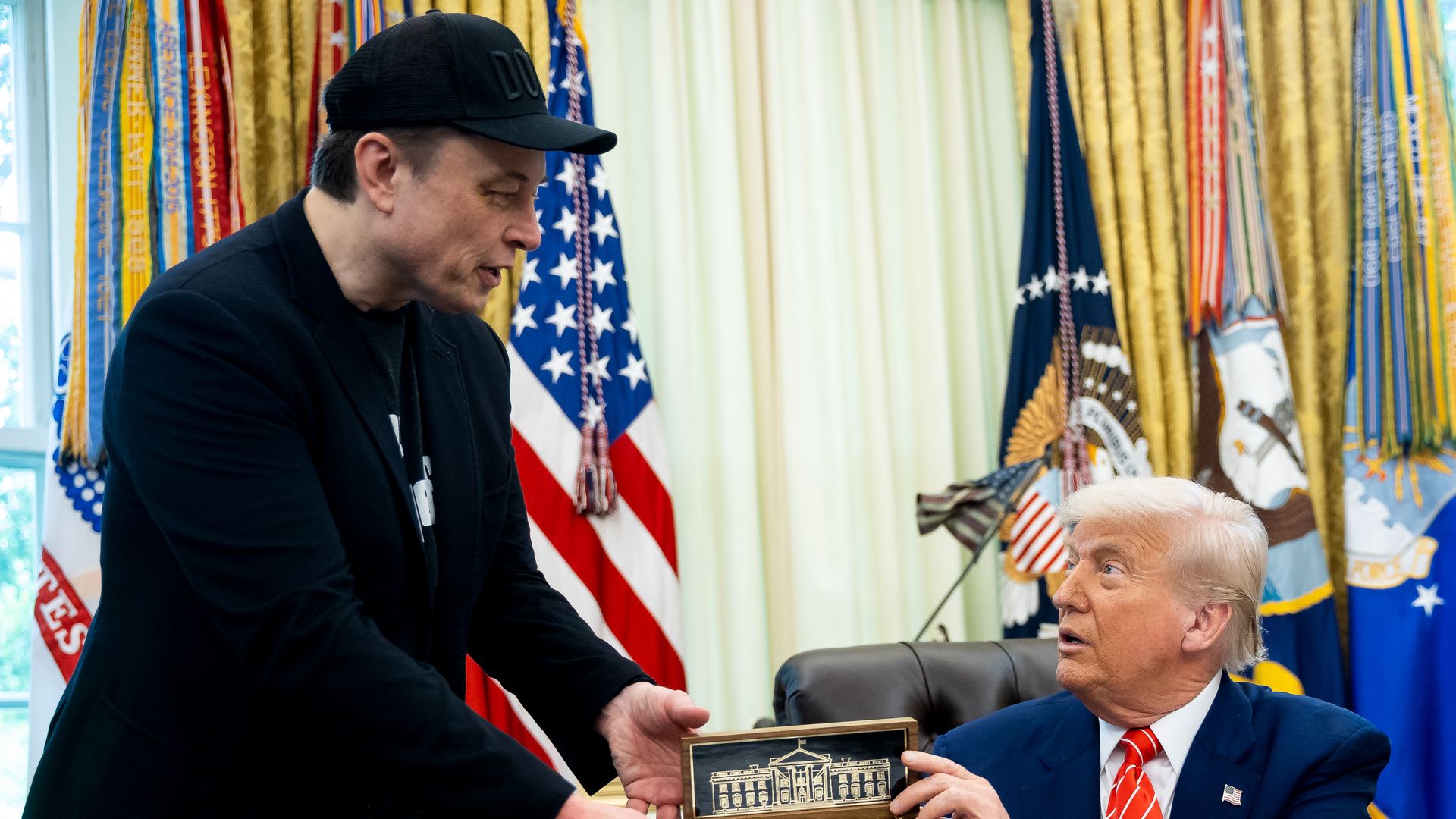
Congressional Republicans are openly attacking Elon Musk like never before after the billionaire Tesla founder claimed President Trump is "in the Epstein files" and even called for him to be impeached.
Why it matters: It's a stunning fall from grace for a man who flexed so much influence over Republican lawmakers just weeks — even days — earlier.
Record capitalis flowing into energy despite lots of geopolitical tension and economic uncertainty, but the picture varies among technologies, a new global analysis finds.
Why it matters: The International Energy Agency's investment report tallies regional and source-specific trends at a time when the world remains badly off pace for reaching Paris Agreement goals.
A rush by large tech players to build so many data centers for AI may end up being "irrational," and there's particular risk in building small nuclear reactors to run them, a prominent tech investor warned Wednesday.
Why it matters: Big Tech has been investing billions of dollar into data centers and energy sources to power them.
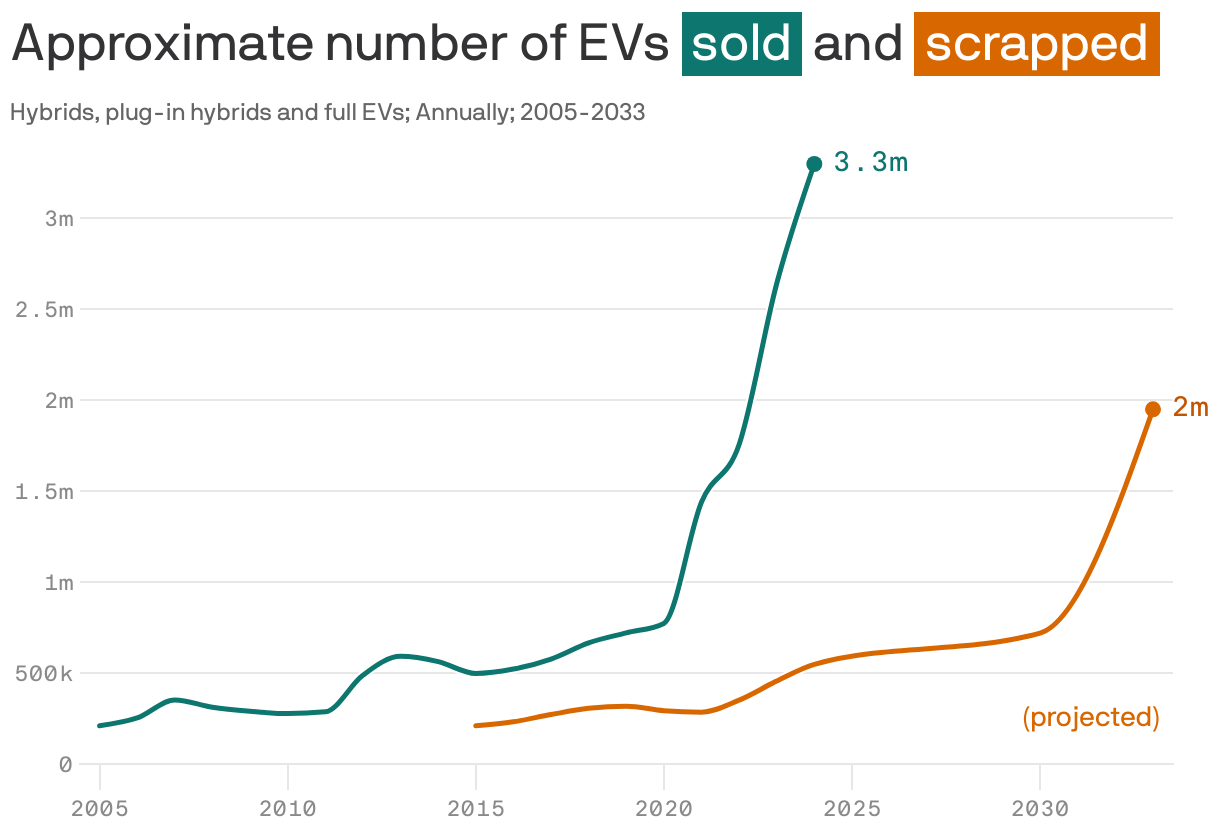
Battery recycling is one way to secure critical minerals for electric vehicles without getting caught up in geopolitics, but it's not going to break the U.S. of its dependence on China any time soon.
Why it matters: In order to produce new batteries with recycled minerals, you need to collect enough dead batteries to extract those materials.
Whipsawing tax policies in Washington threaten to put billions of dollars in manufacturing investments at risk across the U.S. battery belt from Michigan to Georgia.
Why it matters: New battery plants are less viable without lucrative tax credits that a Democrat-controlled Congress approved in 2022, but which the new Republican majority aims to undo.
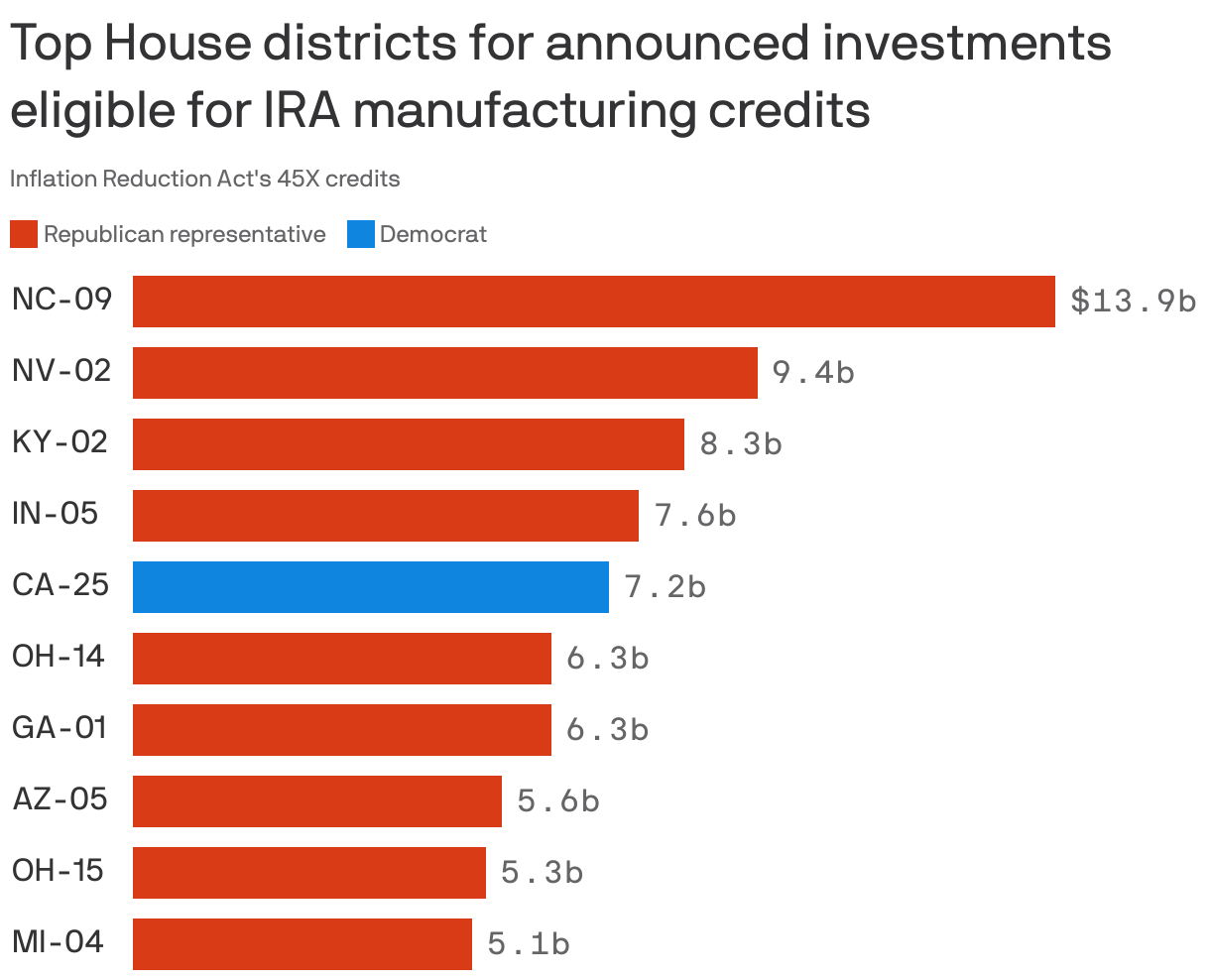
Inflation Reduction Act tax credits for making low-carbon energy equipment are spurring over $185 billion in planned or operating factory investments, a new analysis finds.
Why it matters: The Atlas Public Policy report arrives amid Capitol Hill debates that could vastly scale back the incentives.
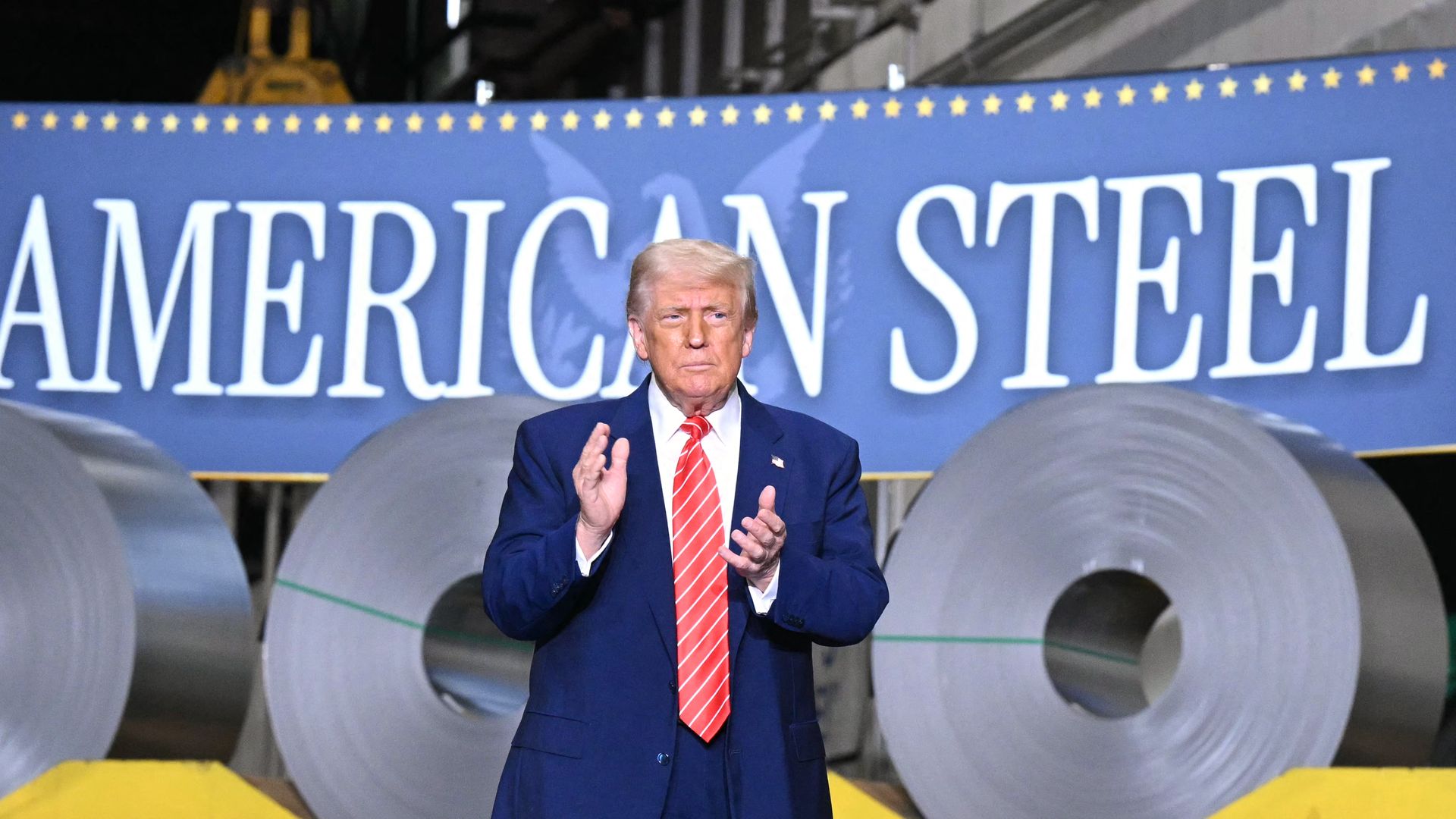
President Trump signed an order Tuesday doubling tariffs to 50% on steel and aluminum imports — drawing swift criticism from officials in neighboring Canada and Mexico.
Why it matters: Trump's order said the increased tariffs that took effect early Wednesday "will more effectively counter" countries that "offload low-priced, excess steel and aluminum" in the U.S., but economic officials have said such levies would lead to higher consumer prices and inflation.