Human-caused climate change tipped the scale dramatically in favor of the record-shattering U.K. heat wave that struck the country last week, a new study concludes.
Why it matters: Extreme weather and climate events are a big part of how society is experiencing global warming, and this study clearly lays out the present-day consequences of greenhouse gas emissions.
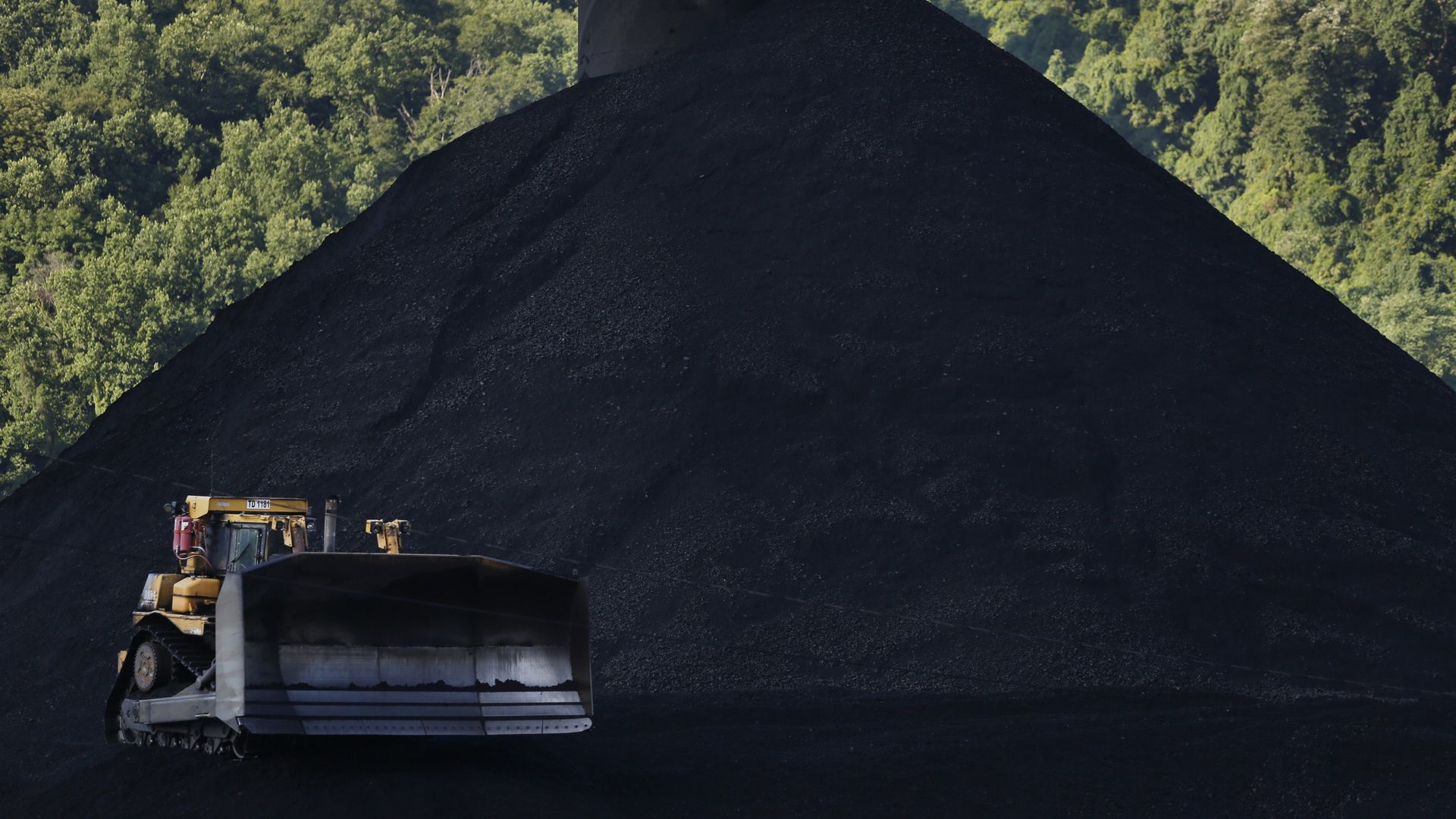
West Virginia said Thursday that it would no longer do business with five financial institutions over their pledges to fight climate change by reducing financing for fossil fuel projects.
Why it matters: It's the first time a state has severed financial ties with major financial institutions over their policies to reduce the emissions of planet-warming greenhouse gases, the New York Times reports.
An emerging Capitol Hill deal could give White House carbon-cutting goals a huge lift that looked all but impossible weeks ago.
Why it matters: President Biden's target under the Paris Agreement of cutting U.S. emissions 50% by 2030 could be within reach if Congress approves the new clean energy investments, analysts say — but it's not clear that it would have the votes to pass.
Sen. Kyrsten Sinema (D-Ariz.) has spent the summer out of the spotlight. That's now going to change.
Why it matters: Solving the Democrats' tax and spending puzzle in the Senate — where President Biden's agenda has stalled for over a year — has always involved two key pieces: Sinema and Sen. Joe Manchin (D-W.Va.).
White House Middle East coordinator Brett McGurk told a group of think tank experts last week that Saudi Arabia and the United Arab Emirates are capable of increasing oil production even more, according to the three U.S. sources who were on the call.
Why it matters: Urging Gulf countries to increase oil production was one of the goals of Biden's trip to Saudi Arabia.
In an innovative pushback against paper and plastic waste, eco-companies are starting to pump out cups, spoons and straws that you can eat after you use them — no need to recycle.
Why it matters: While the "edible" angle is a bit of a cheeky marketing hook, there's a serious trend here: A campaign to replace items considered biodegradable or recyclable with ones that are "home compostable" — toss them in your backyard pile, and they'll break down quickly and naturally.