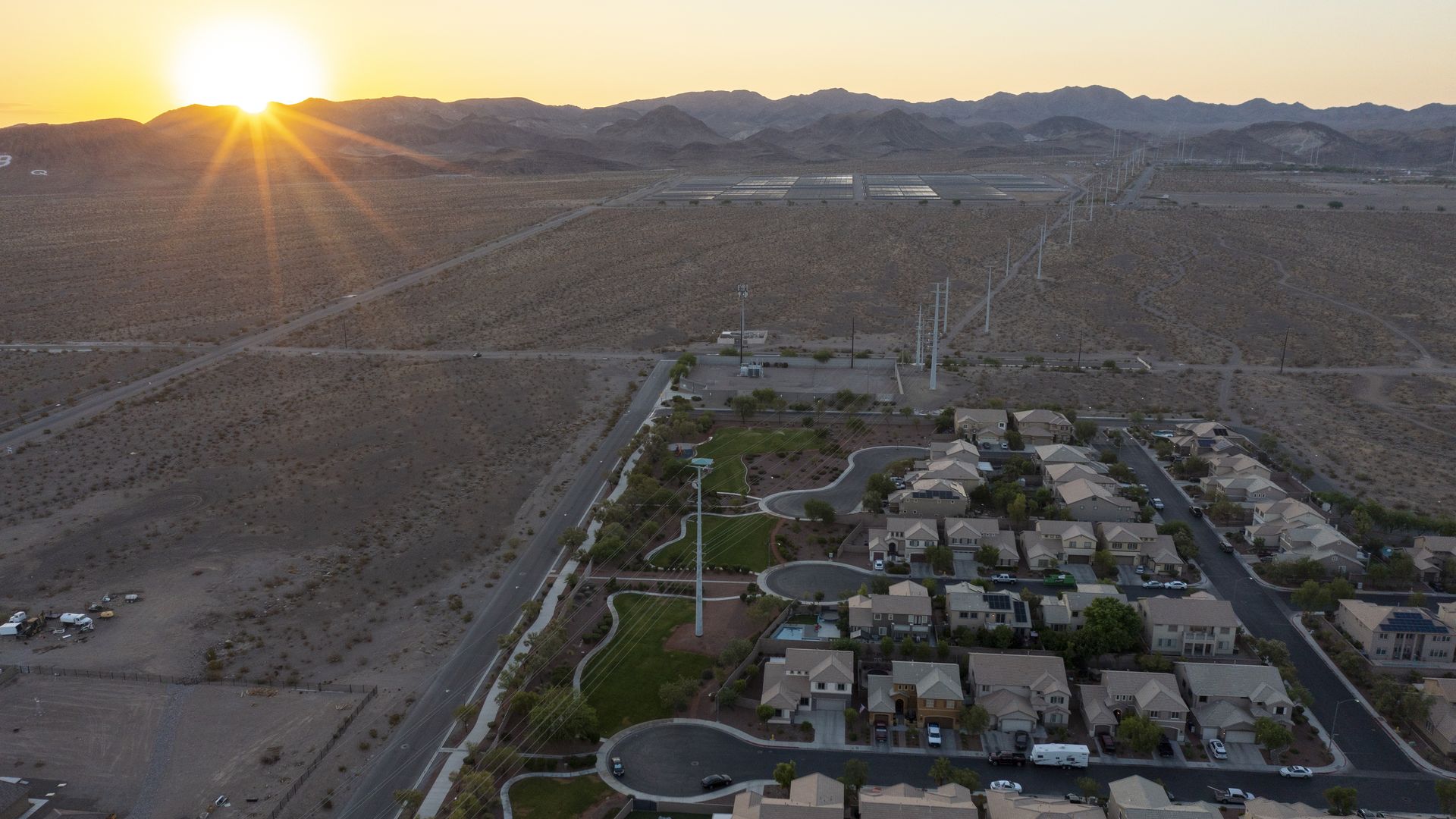
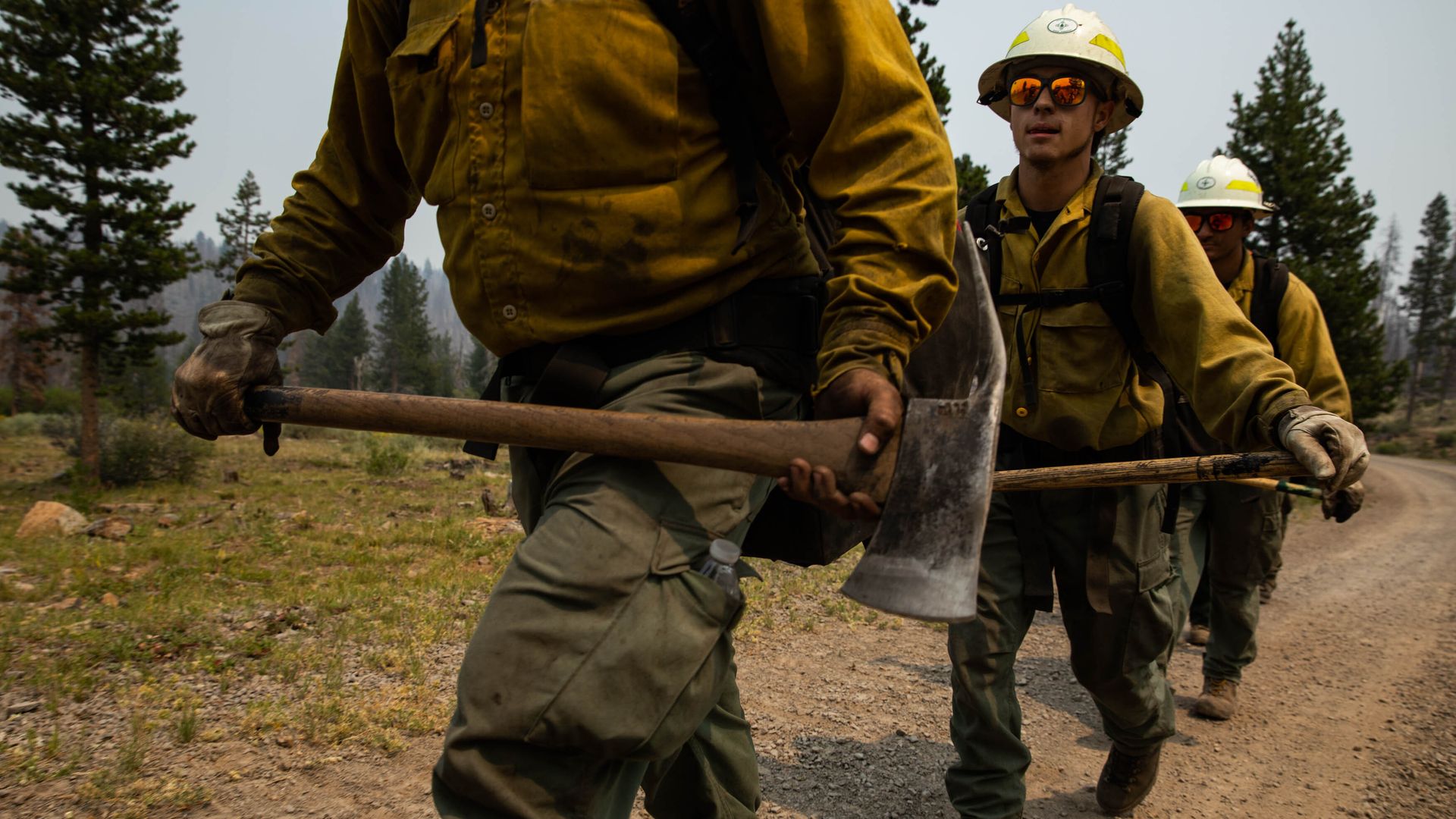
FEMA administrator Deanne Criswell's first trip out West since being confirmed in April reinforced her view that the agency must tackle climate change's influence on disasters, such as wildfires and droughts.
Why it matters: FEMA is the lead agency for providing aid to states hit hard by ongoing fires, already approving 19 Fire Management Assistance Grants. The trip illustrated the present-day impacts of climate change, with the twin challenges of fires and drought plainly evident, she told Axios.
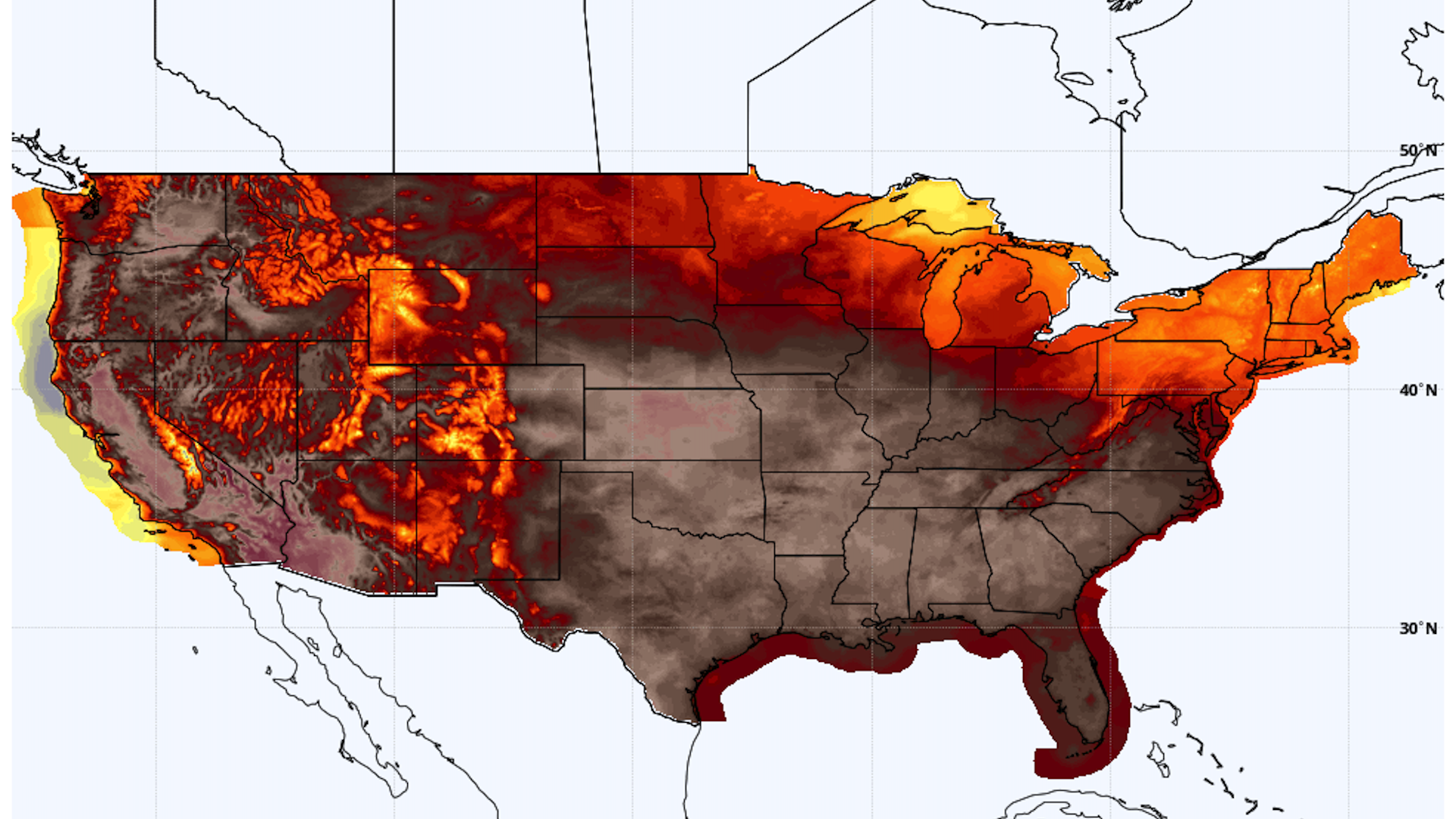
The Pacific Northwest is once again in the midst of a heat wave after already seeing its worst such event on record this summer. Temperatures are soaring into the low 100s in some areas, while dangerous heat is also affecting the South Central states and Gulf Coast.
Why it matters: The occurrence of yet another heat wave during a drought in the West is ratcheting up wildfire risks. The heat itself is a major public health risk, as extreme heat is typically the biggest annual weather-related cause of mortality in the U.S.
Securities and Exchange Commission chair Gary Gensler yesterday shared his thinking on looming climate risk disclosure rules and said he wants more coherence around climate-friendly investing.
Driving the news: Gensler, in comments yesterday, said he's tasked SEC staff with coming up with a draft regulation by the end of the year.
Two oil-and-gas heavyweights — Shell and TotalEnergies — both said they're taking new steps to reward investors as they reported billions of dollars in Q2 profits this morning.
Driving the news: Shell said it's launching $2 billion in share buybacks that it hopes to complete by year's end and it increased dividends to 24 cents per share, a 38% boost from Q1.
We now know more about the Senate's bipartisan infrastructure plan — and Democrats' tactical approach to the advancing package that has a suite of climate-related provisions.
Catch up fast: The Senate voted 67-32 to move the $1.2 trillion plan toward debate last night. Per a White House release it includes...
Trevor Milton, the founder of electric truck startup Nikola, was charged Thursday on three counts of fraud stemming from federal prosecutors' investigation of allegedly inaccurate or misleading statements the company made to investors.
Driving the news: The Securities and Exchange Commission — which filed a complaint alongside a grand jury indictment from federal prosecutors in Manhattan — accused Milton of engaging in a "fraudulent scheme to deceive retail investors about Nikola’s products, technical advancements, and commercial prospects for his own personal benefit."
We’re certainly not trying to minimize the disaster of Pinellas County’s red tide fish kill, but we really want you to understand just how much 1,600 tons of dead fish is — and how its scale affects our local environment.
We already showed you how the pile would stack up next to Tampa’s Beer Can Building, and now we've visualized how it would turn Disney’s Magic Kingdom from the happiest to the smelliest place on earth.
Of note: This isn’t even all of it. Since our last update, the amount of dead fish recovered has increased to 1,687 tons, according to the county.
Adding projected heat-related deaths into cost-benefit analysis of federal rules would tilt policymaking in favor of more aggressive carbon emissions cuts, a new study finds.
Why it matters: The social cost of carbon helps determine the outcome of cost-benefit analyses that underpin federal regulations. Adding in global warming's potential to cause more heat-related fatalities would tilt the policy calculus from supporting a gradual phaseout of emissions starting in 2050, to fully decarbonizing by the same year.







/2021/07/28/1627515422106.gif?w=3840)