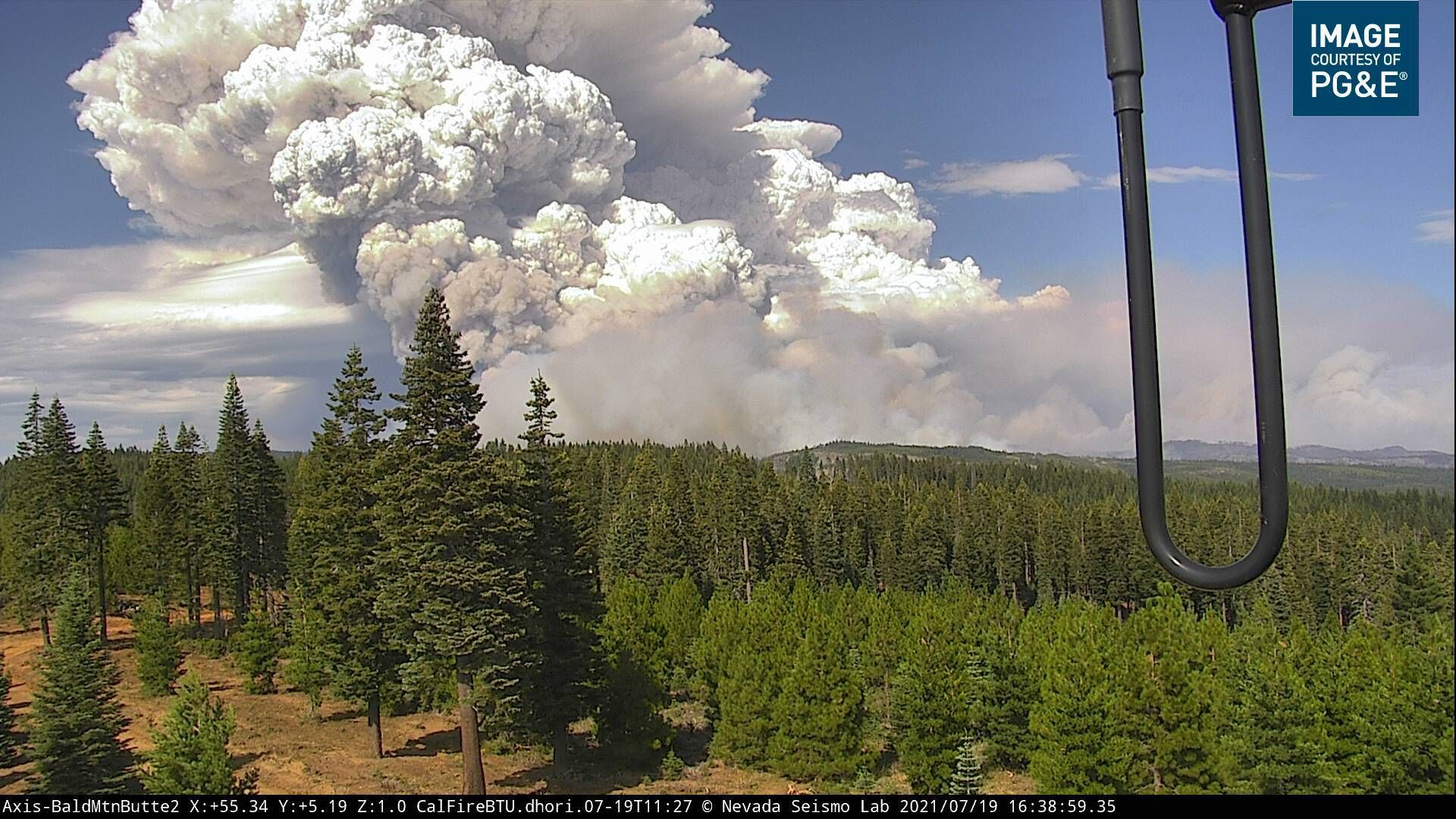
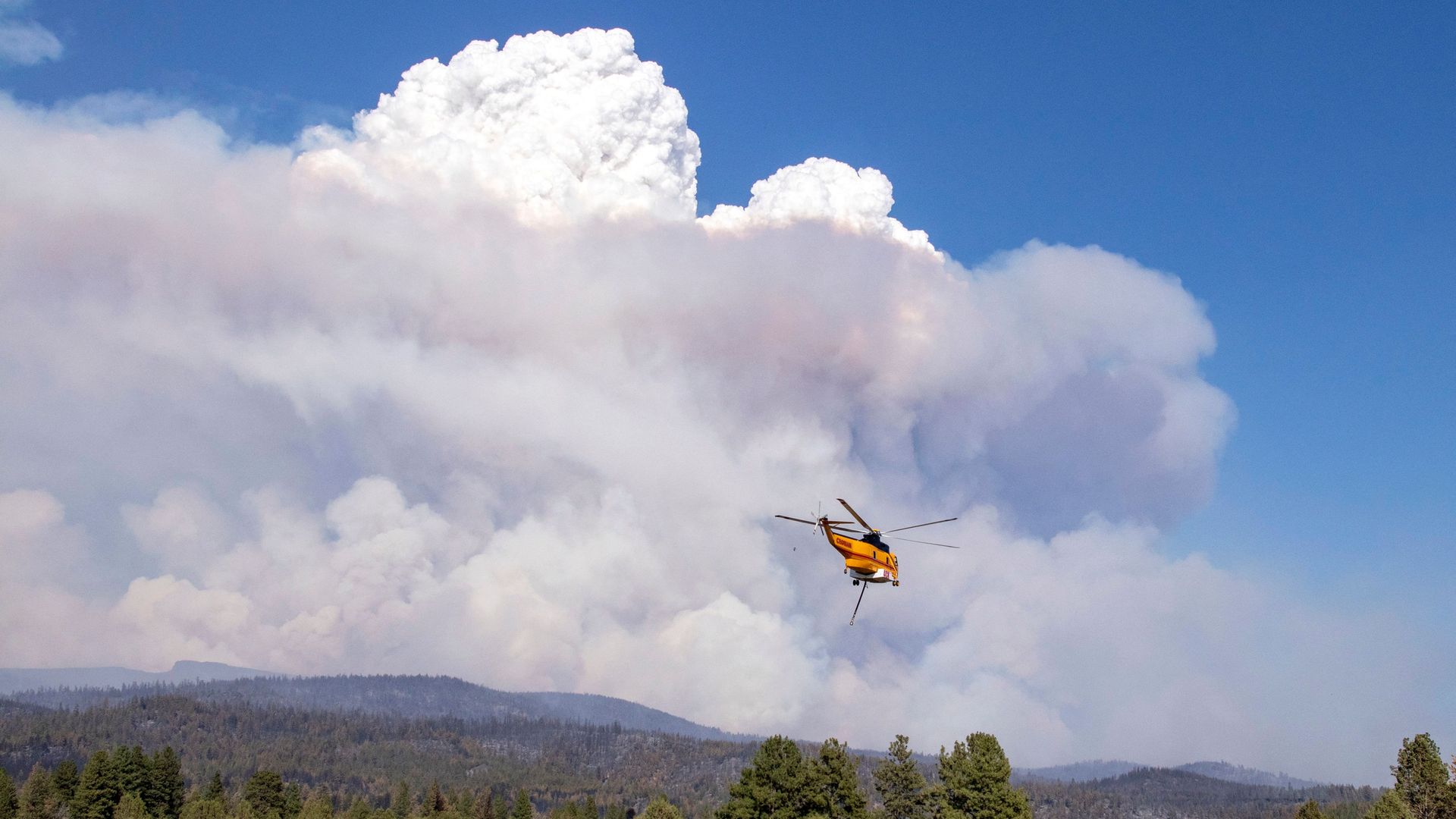
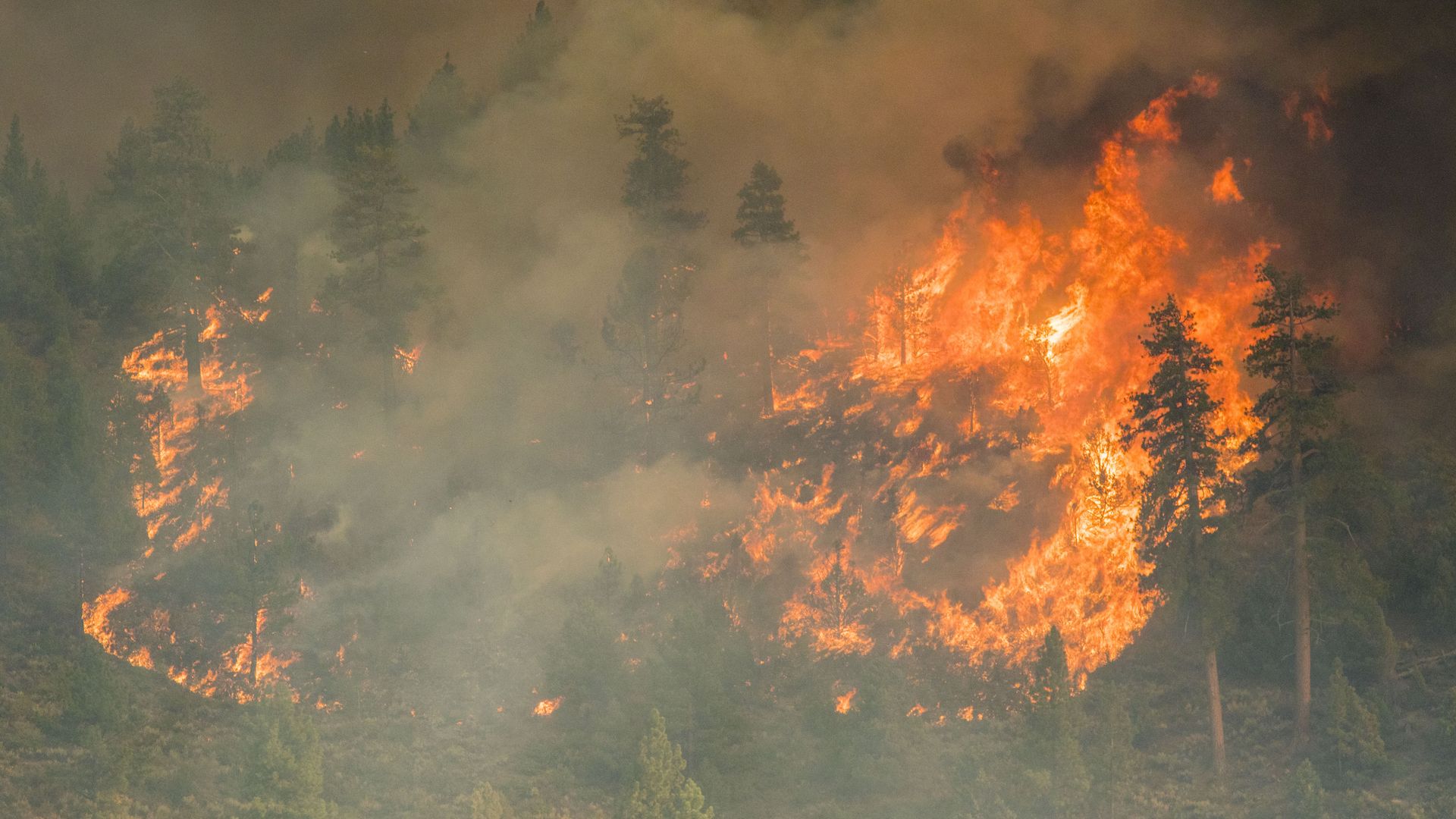
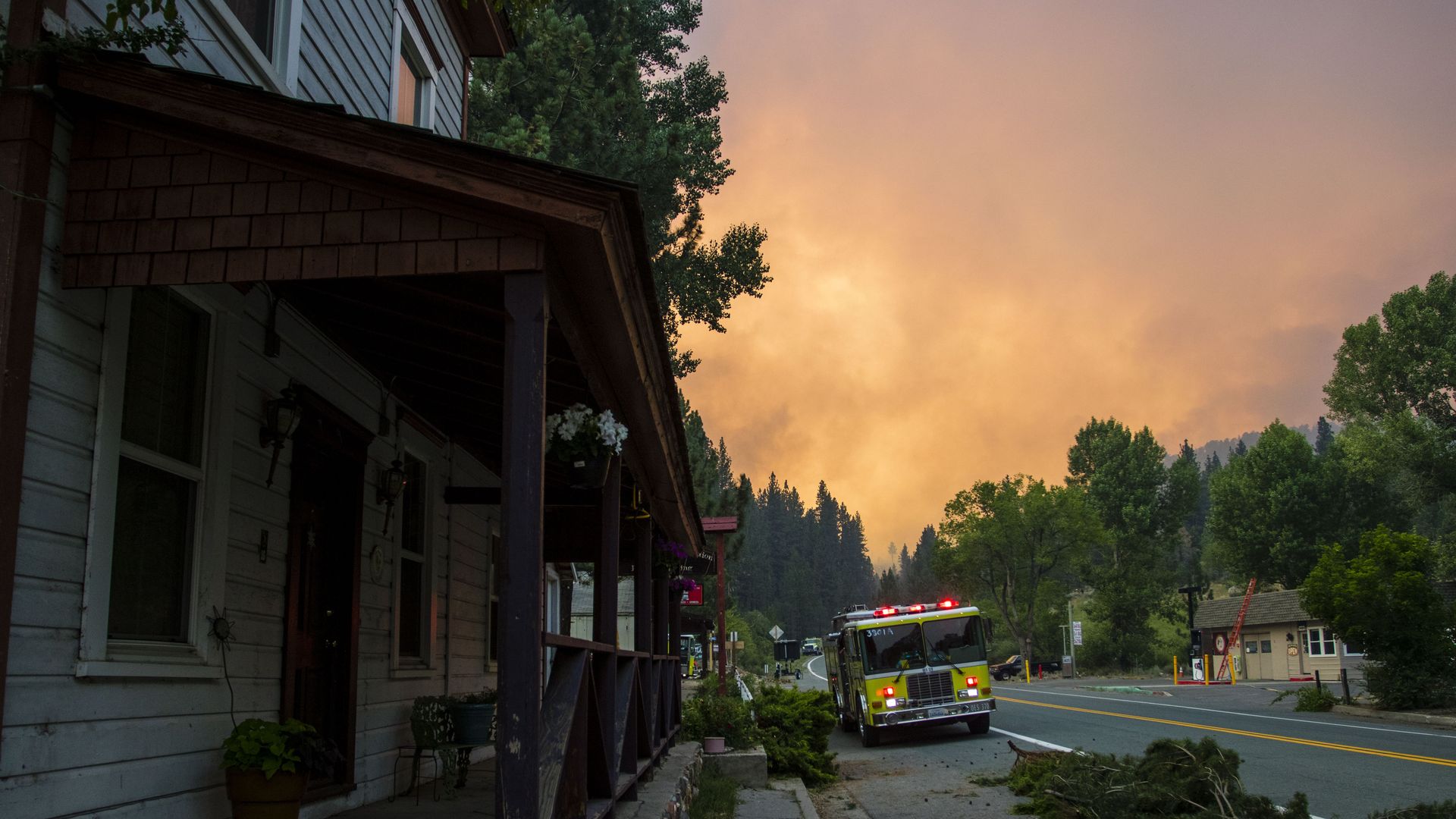
Wildfires across the West dramatically increased in size from Monday through Tuesday, with 83 large blazes now burning in the U.S. and about 300 to the north in British Columbia.
Why it matters: The western wildfire season has kicked into high gear about two months early, as climate change-related drought and heat waves have dried out vegetation to levels not typically seen prior to late summer. About 20,000 firefighters are already deployed to blazes.
Jeff Bezos said in an interview hours after flying to suborbital space on Tuesday that there are "no words" to adequately describe the experience, but that it reinforced his commitment to combatting climate change and keeping Earth "as this beautiful gem of a planet that it is."
Why it matters: Bezos, the world's richest man, said he plans to make Blue Origin and the Bezos Earth Fund — a $10 billion effort to fight climate change — his life focus moving forward.
Two new analyses showthat governments' economic responses to COVID-19 haven't been remotely as climate-friendly as multilateral agencies and advocates called for when the crisis took hold last year.
Driving the news, part 1: An International Energy Agency report finds that as of this year's second quarter, 2% — or $380 billion — of the $16 trillion worldwide fiscal response has been allocated to clean energy measures.
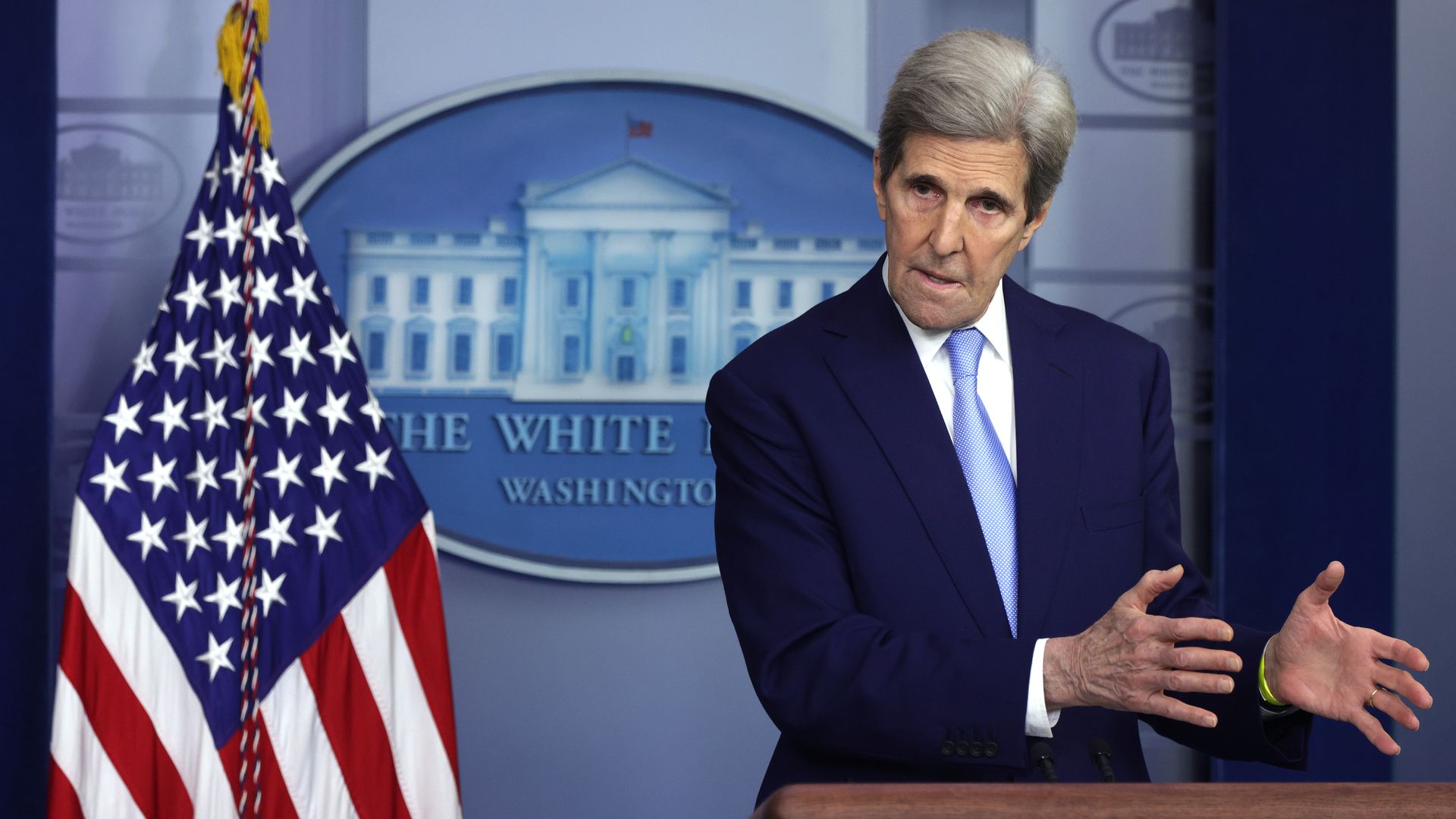
John Kerry, President Biden's special climate envoy, today will press every major economy to commit to "meaningful absolute reductions" in greenhouse gas emissions by 2030.
Why it matters: The comments, part of what's being billed as a "major policy speech" in London, provide a greater sense of the U.S. posture ahead of the critical U.N. climate summit this fall.
Sen. Chris Coons (D-Del.) and Rep. Scott Peters (D-Calif.) unveiled legislation on Monday that would levy a fee on imported carbon-intensive goods, such as steel and aluminum.
Why it matters: The "border carbon adjustment," which is expected to be included in the legislative text of the Democrats-only infrastructure bill that would move through the reconciliation process, uses trade policy to help address climate change.
Fire officials are seeing resources stretched to the limit as scores of wildfires burn across the U.S. and Canada amid hot, dry conditions.
Threat level: In Oregon, officials have called in firefighting support from outside the Pacific Northwest — as the biggest blaze in the U.S., the Bootleg Fire, swelled to 537 square miles Monday.
FEMA administrator Deanne Criswell will make her first trip to wildfire-affected states amid another dangerous week of extreme heat and "critical" fire weather conditions, Axios has learned.
Why it matters: The West is experiencing its worst drought this century, and repeated, extreme heat waves have dried out forests and grasslands, priming them to burn. Officials are gearing up for an unprecedented, prolonged peak fire season.
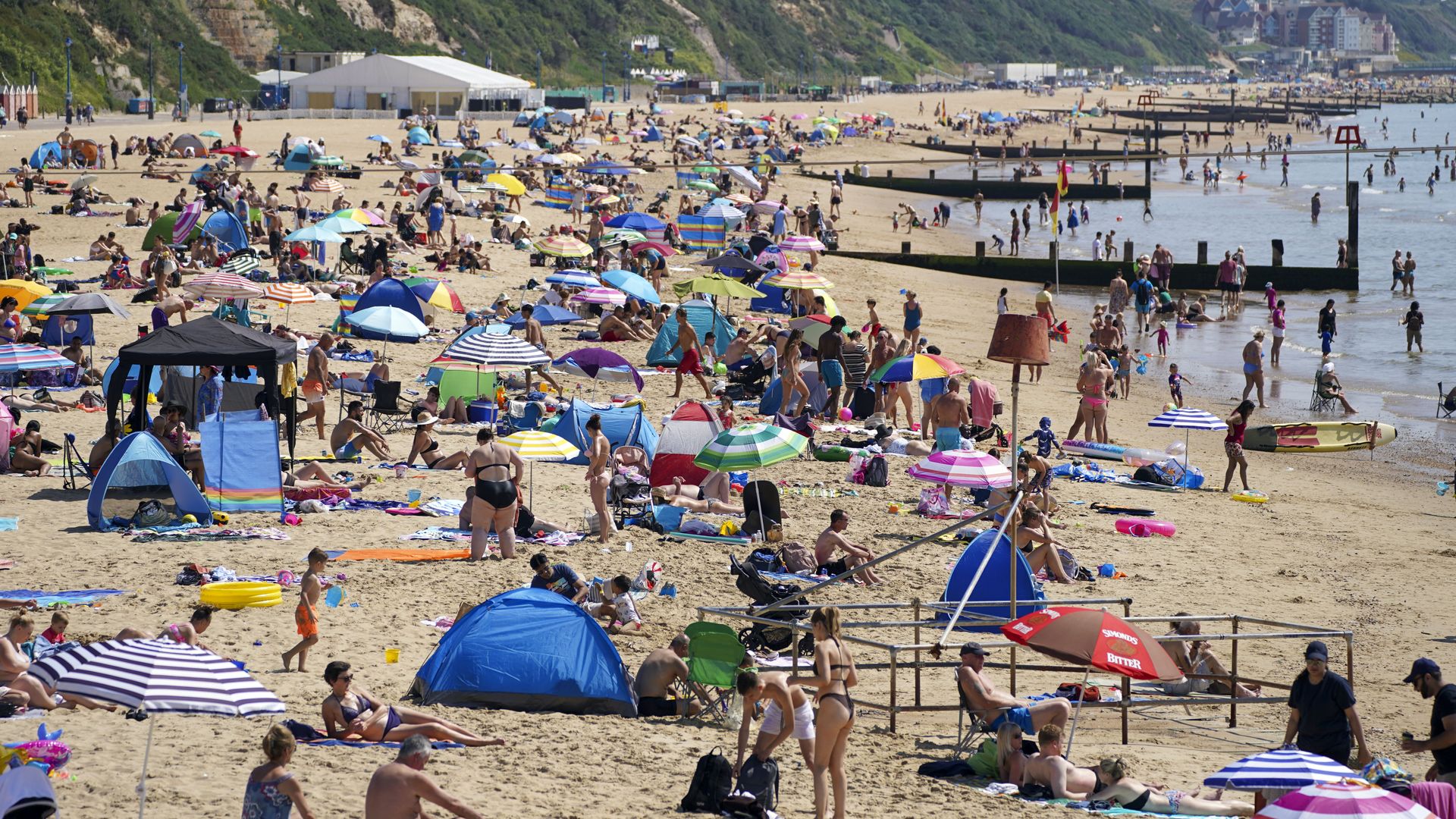
The United Kingdom's Met Office issued its first ever "Extreme Heat Warning" on Monday, after all four U.K. nations recorded their hottest day so far this year over the weekend.
Driving the news: "The impacts from extreme heat are increasing across the U.K. due to climate change," per a June Met Office statement announcing its new amber and red warning system to inform the public of potential widespread disruption and adverse health effects.
Generate Capital, a sustainable infrastructure finance and development firm, this morning announced a $2 billion fundraise from major institutional investors.
Why it matters: It's a lot of money — company representatives are calling it among the largest single private investments in sustainability.
The rapid succession of precedent-shattering extreme weather events in North America and Europe this summer is prompting some scientists to question whether climate extremes are worsening faster than expected.
Why it matters: Extreme weather events are the deadliest, most expensive and immediate manifestations of climate change. Any miscalculations in how severe these events may become, from wildfires to heat waves and heavy rainfall, could make communities more vulnerable.
Wildfires are growing across the western U.S., triggering evacuation orders, as the threat of "dry lightning" prompted red flag warnings and fire weather watches to be issued from central California to northwest South Dakota on Monday.
Of note: As temperatures again rise, 80 large wildfires were burning across nearly 1.2 million acres in the West Sunday — 10 more than the previous day, according to the National Interagency Fire Center.