General Motors is crafting what it calls a "holistic" electric vehicle charging approach as the automaker launches new EVs and invests big in the technology.
Why it matters: GM's betting its future on EVs! But the hassle of charging is a big obstacle to mass adoption.
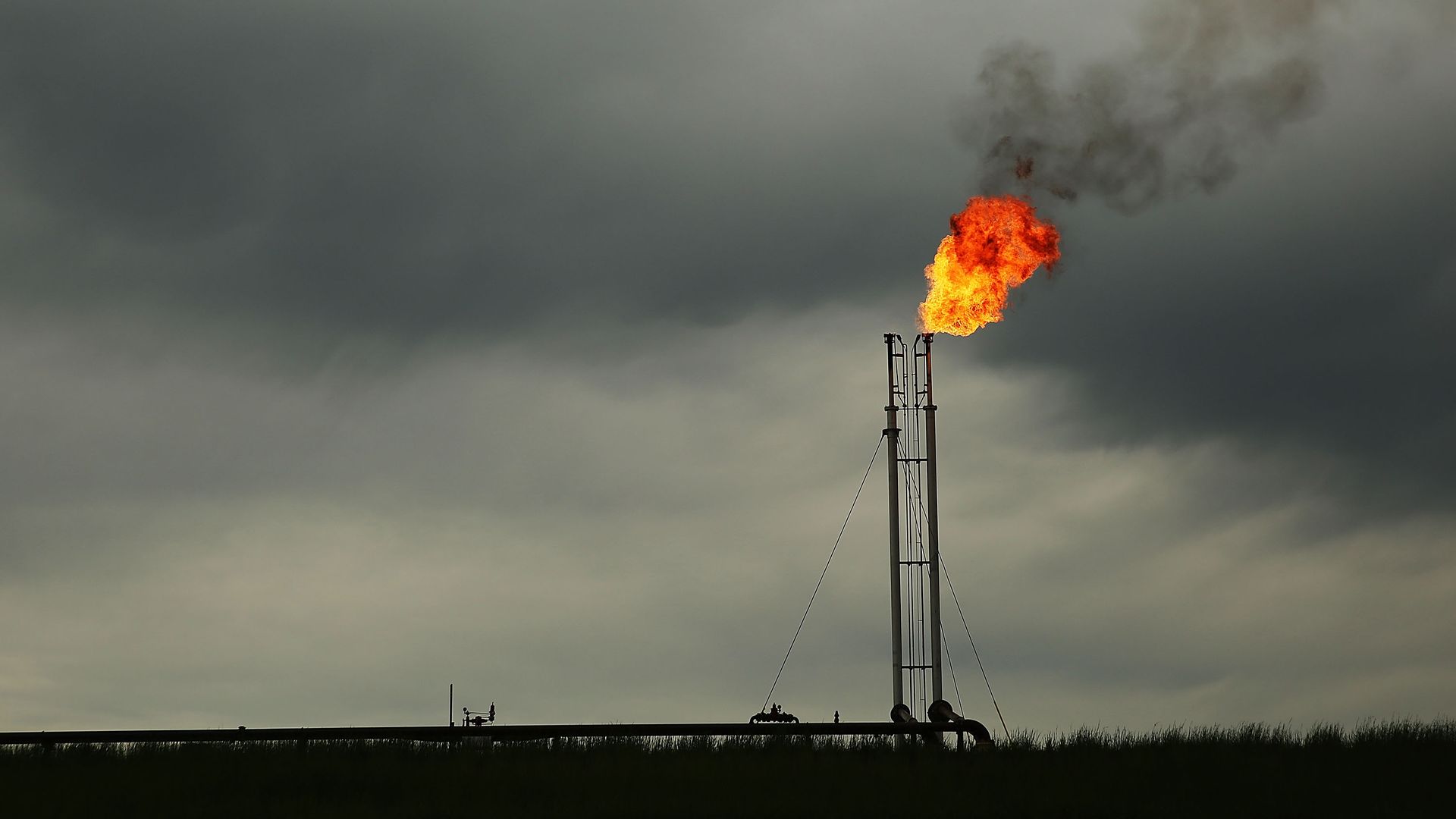
The World Bank is out with new data on global amounts of natural gas burned at oil production sites, revealing it's still a big problem despite a decline last year alongside the drop in crude output.
Why it matters: Flaring is a source of greenhouse gas emissions and wastes gas that if captured could be used for energy.
Data: International Energy Agency; Chart: Danielle Alberti/Axios
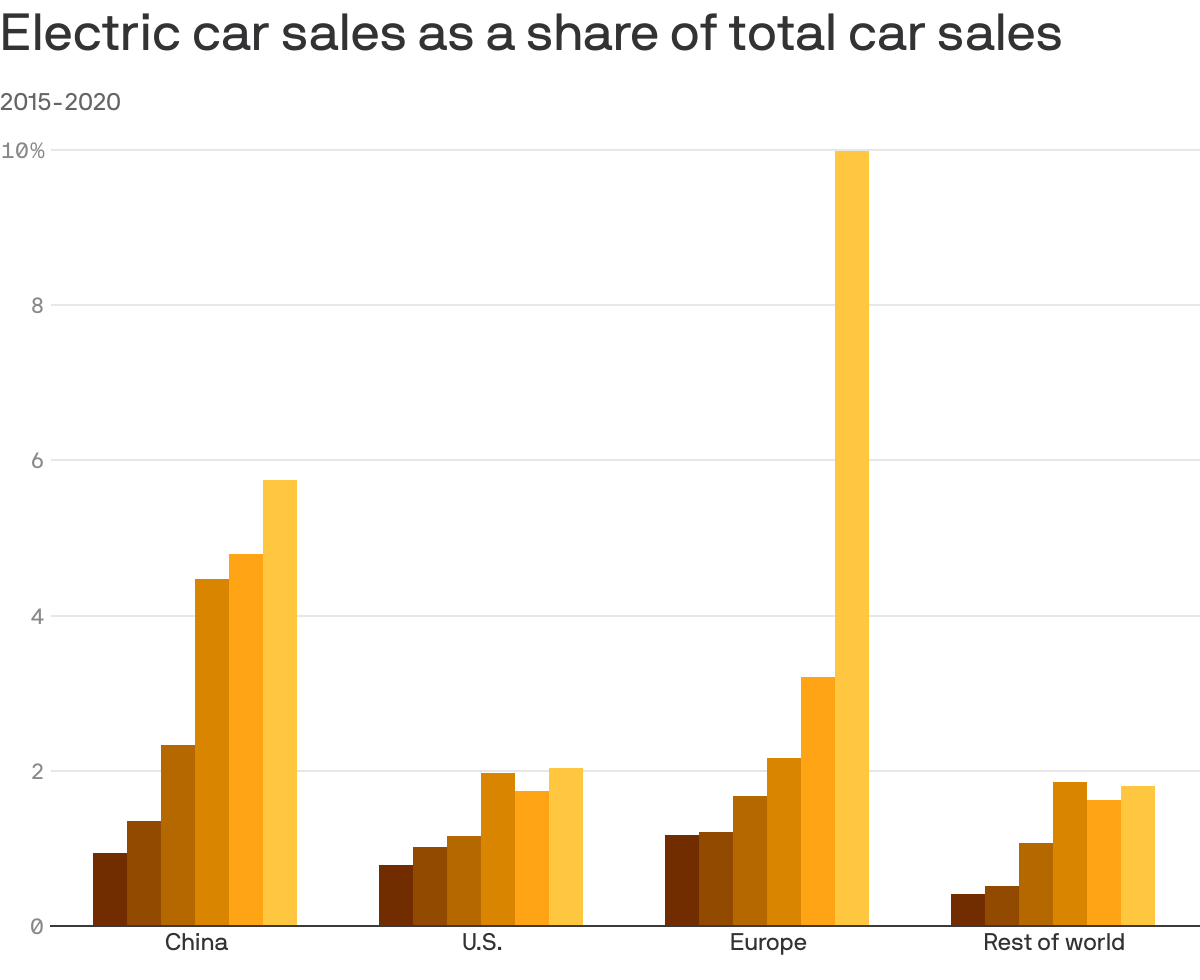
U.S. electric car sales more than doubled in the first quarter of this year compared to the same period in 2020, but check out the chart above — the domestic market remains small compared to Europe and China.
A Moody's Investors Service report says midcentury "net-zero" emissions targets now common among countries and financial firms will have tangible effects on polluting industries.
Why it matters: Yes, that seems obvious! But these efforts are heavy on aspiration and often lack teeth, though some countries are putting targets into law.
"The spate of targets and the push on climate risk disclosure is "expected to raise credit risk and reduce the availability, and increase the cost, of capital for carbon-intensive activities," Moody's says.
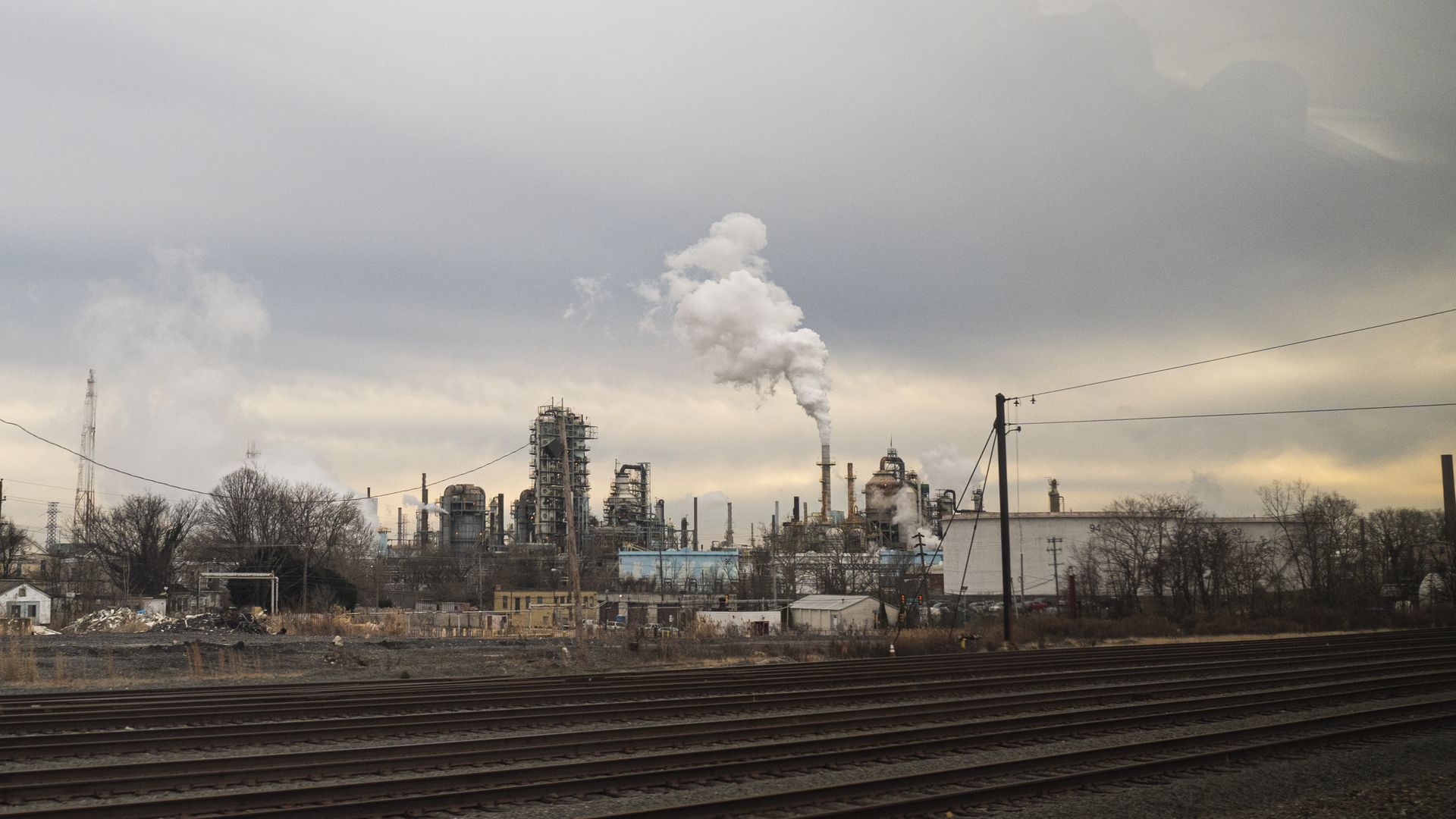
Americans of color are disproportionally and pervasively affected by fine particulate air pollution (PM2.5), the nation's most deadly pollutant, according to a study published Wednesday in the journal Science Advances.
Why it matters: PM2.5 exposure in the U.S. causes roughly 85,000 to 200,000 more deaths of all Americans than anticipated, the study notes.
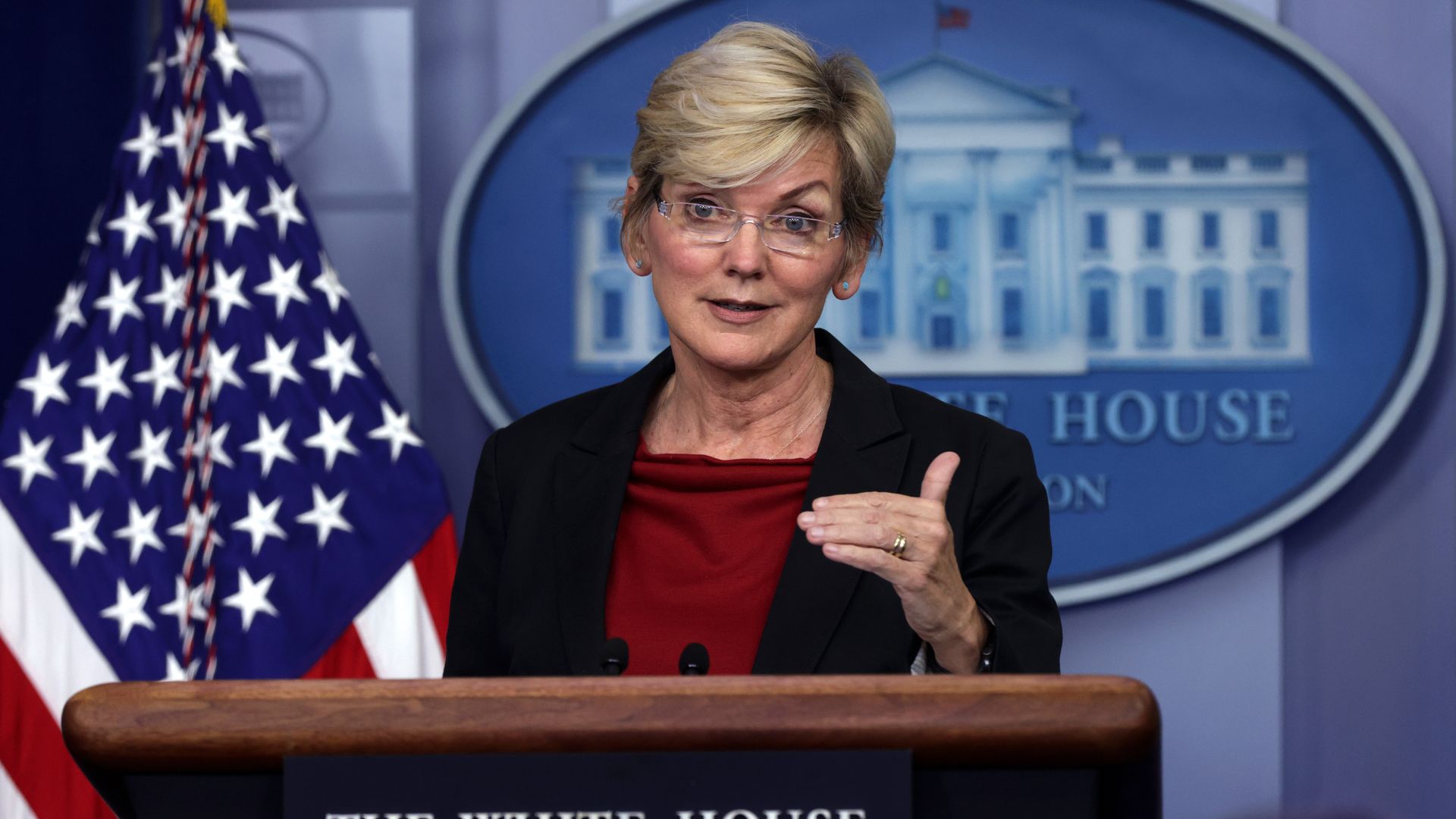
Melanie Nakagawa, special assistant to the president and senior director for climate and energy, said that the 2020 decade is the "decisive decade" to make meaningful climate change action.
Why it matters: "Collectively, if commitments, policies and action can deliver a 7.6% emissions reduction every year between 2020 and 2030, we can limit global warming to 1.5 degrees Celsius," per the UN Environment program. "While there will still be climate impacts at 1.5 degrees Celsius, this is the level scientists say is associated with less devastating impacts than higher levels of global warming."
The Biden administration is looking to jumpstart the construction of new transmission lines by offering up to $8.3 billion in loans and, separately, issuing new guidelines to help state officials with siting.
Driving the news: The Energy Department on Tuesday invited applications for up to $5 billion in loans for projects like high-voltage systems; transmission for offshore wind; and systems that follow rail and highway routes.
A very public battle is raging over how ExxonMobil should face questions about long-term oil demand and prepare for a carbon-constrained world.
Driving the news: Investment group Engine No. 1, which is nominating board members it says are equipped to deal with these dynamics, this week gained new support.


/2021/04/29/1619702076093.gif?w=3840)