Wall Street titans and the regulators overseeing them are increasingly important actors in the fight against global warming, and this week underscored that trend.
Driving the news: Two banking giants — JPMorgan Chase and Citigroup — yesterday vowed to steer trillions of dollars into sustainability efforts that include a focus on clean energy and climate.
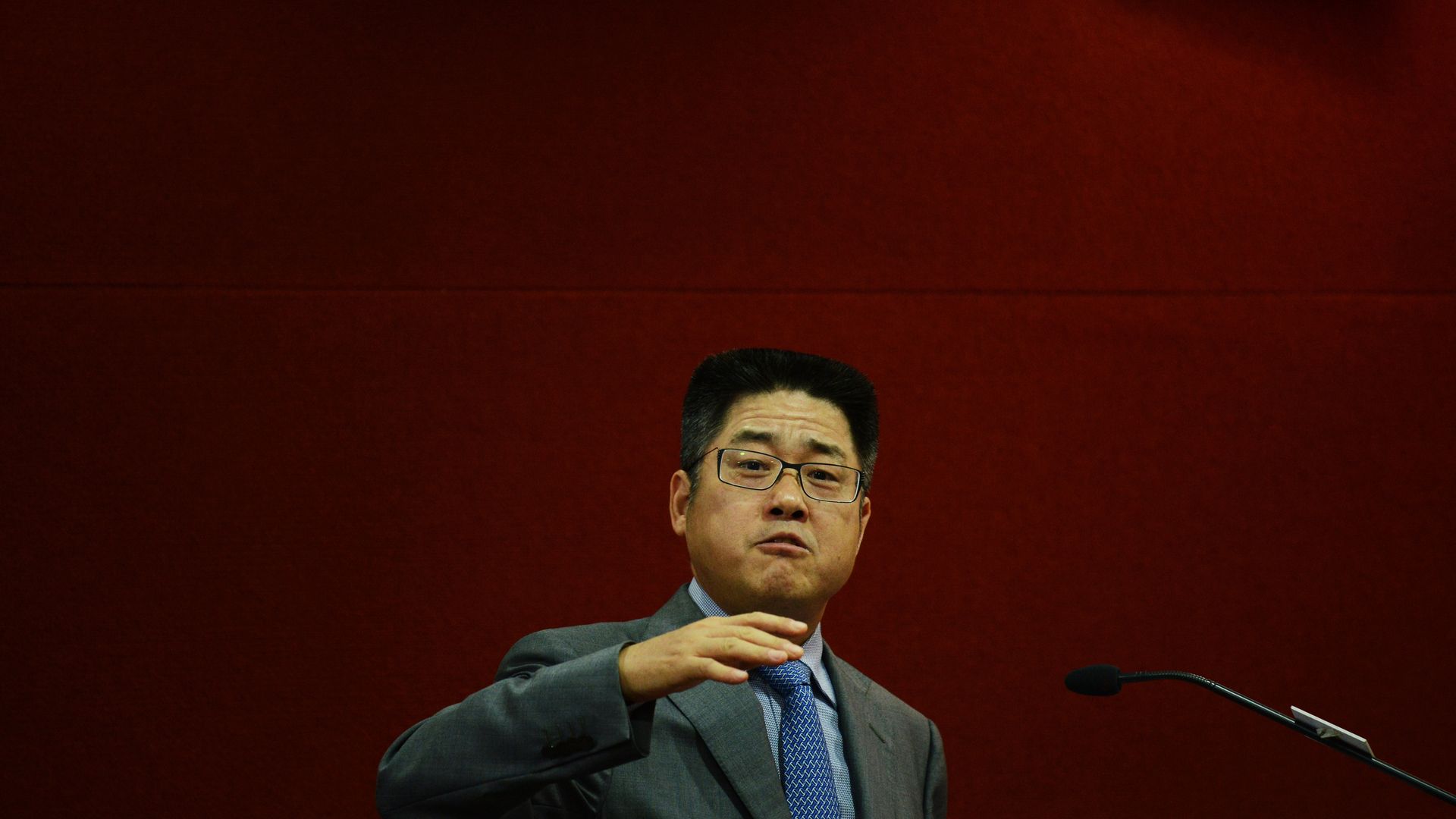
China's Vice Minister of Foreign Affairs Le Yucheng told AP on Friday that China is unlikely to pursue climate proposals beyond its current arsenal, calling it "not very realistic" for a country of 1.4 billion people.
Why it matters: Despite heightened geopolitical tensions, the Biden administration has emphasized the need to partner with China on climate change. Le's comments come as Biden's climate envoy John Kerry is discussing the issue in meetings with Chinese officials in Shanghai.
President Biden's top trade negotiator is pledging to employ trade policy levers to fight climate change and ecological degradation, warning of a "closing window to prevent a catastrophic environmental chain reaction."
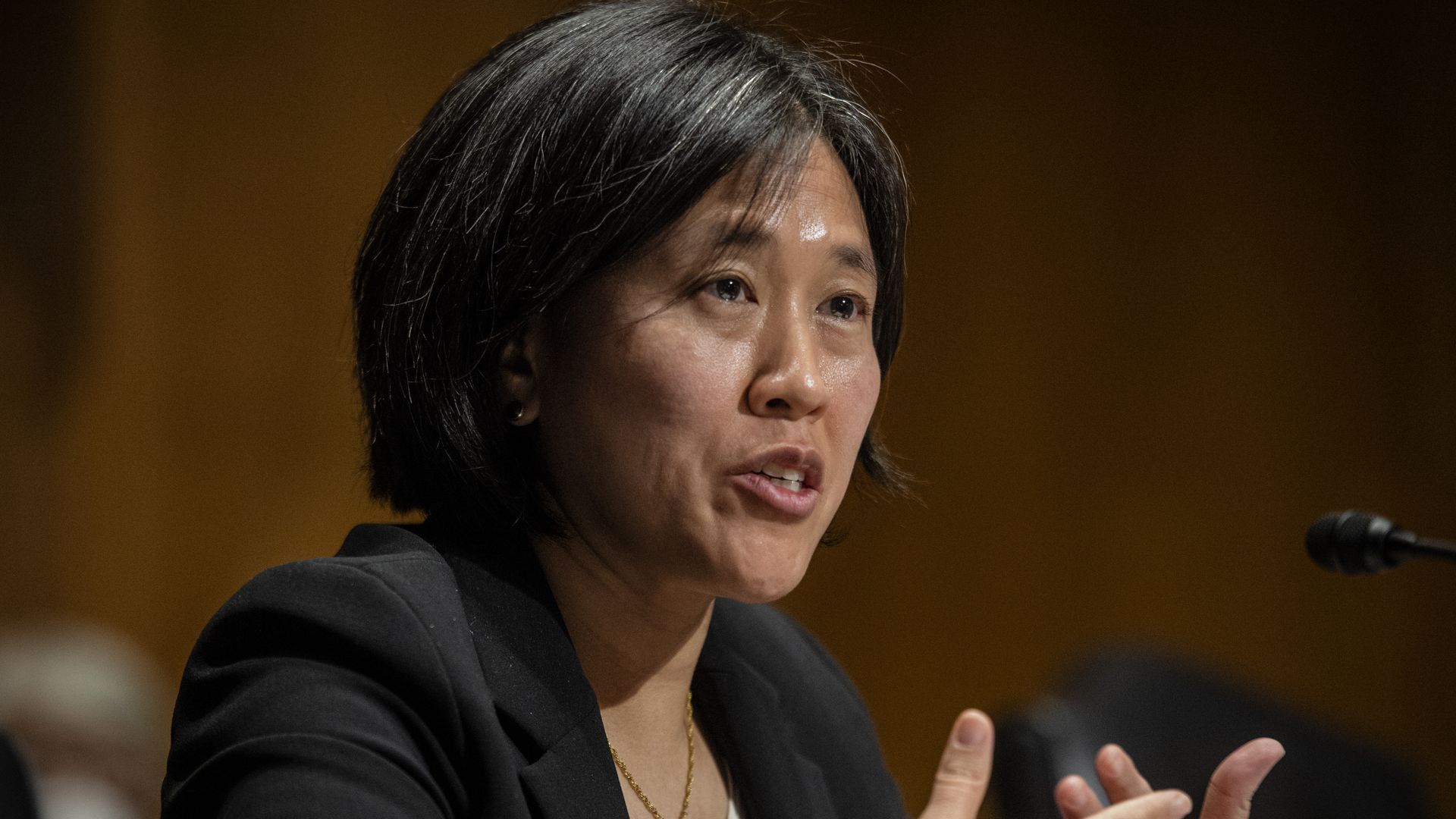
Why it matters: U.S. Trade Representative Katherine Tai on Thursday made climate change the focus of her first speech in the role. The decision underscores how the White House hopes to marshal a wide-ranging, government-wide approach to the topic.
John Kerry became the firstsenior Biden administration official to touch down in China this week. He's also been the first to sit down with a string of world leaders.
Why it matters: Kerry may no longer be secretary of state, but you'd be forgiven for thinking otherwise after a glance at his calendar. The unusual role could make Kerry a foreign policy force multiplier for President Biden, or potentially a source of mixed messages.
Google Earth on Thursday unveiled new features for its Timelapse tool that allows users to zoom in on locations to view more than three decades of imagery, including from their mobile device.
Apple on Thursday announced it's launching a $200 million "Restore Fund" that will "make investments in forestry projects to remove carbon from the atmosphere while generating a financial return for investors."
Why it matters: The move is the latest step by the world's largest tech companies to invest in climate initiatives, including a number of efforts to finance technologies and methods to not only cut emissions, but remove atmospheric CO2.
Senior Senate Democrats will introduce legislation on Thursday designed to make climate change a pillar of U.S. diplomacy, boosting initiatives to help other nations cut emissions and adapt to a warming world, Axios has learned.
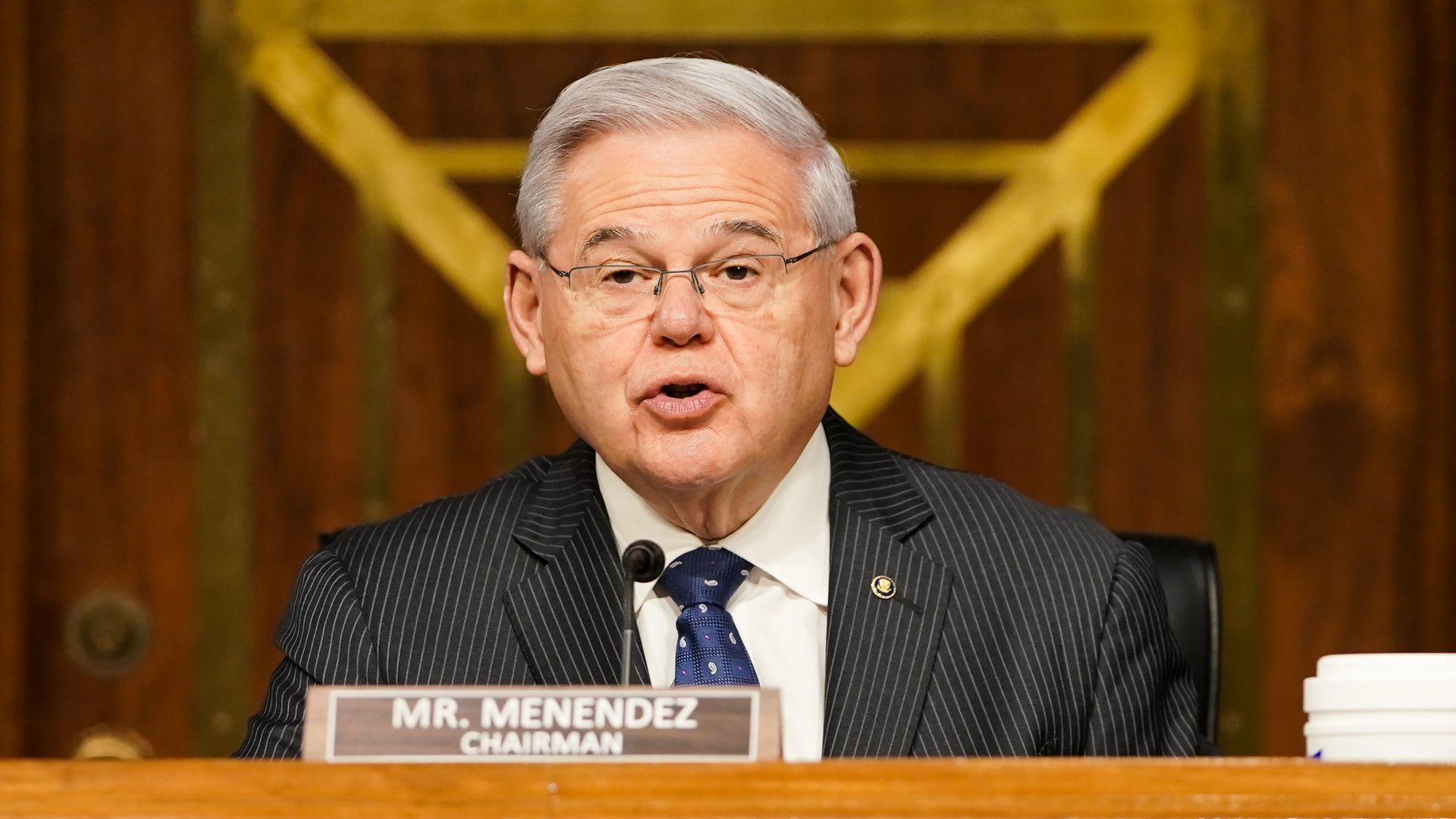
Why it matters: The bill, led by Foreign Relations Committee Chairman Robert Menendez (D-N.J.), aims to put momentum on Capitol Hill behind President Biden's efforts.
A new era in monitoring compliance of environmental regulations is quickly approaching, signaled in part by plans announced Thursday to deploy a network of satellites that can pinpoint sources of of methane and carbon dioxide emissions.
Why it matters: The new nonprofit, known as Carbon Mapper, aims to launch its first satellite in 2023 that can detect methane super-emitters and track carbon emissions. If successful, it could transform the way policymakers regulate greenhouse gas emissions and also generate a wealth of data for public use.






/2021/04/15/1618502050533.gif?w=3840)