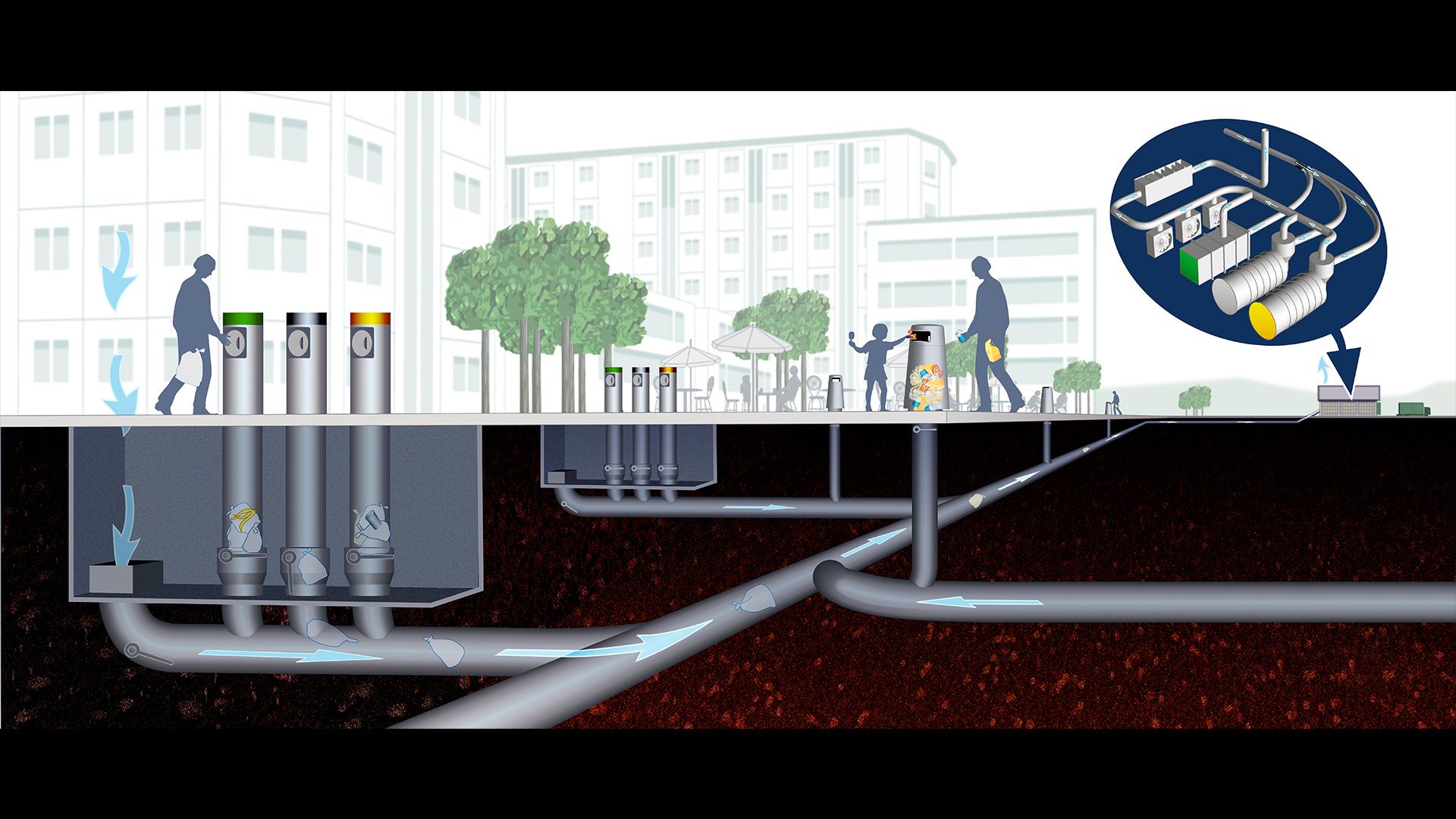
Trash systems that use vacuum suction and pneumatic tubes to whoosh garbage from people's homes and sidewalk bins have been around for decades, but are gaining new traction in the U.S.
Why it matters: These systems — which currently serve Disney World and Manhattan's Roosevelt Island — get municipal garbage trucks off the streets and offer a cleaner and more environmentally friendly waste removal.
Royal Dutch Shell reported a nearly $1 billion third-quarter profit Thursday, beating analysts' forecasts, and announced a slight increase in dividends.
Driving the news: Its stock is up 3% in premarket trading this morning but remains at roughly 25-year lows as the sector faces headwinds from COVID-19's effect on prices and demand.
The pandemic is throwing a wrench into Americans' understanding of science, which has big implications for climate change.
Driving the news: Recent focus groups in battleground states suggest some voters are more skeptical of scientists in the wake of the coronavirus pandemic, while surveys reveal the persistence of a deep partisan divide.
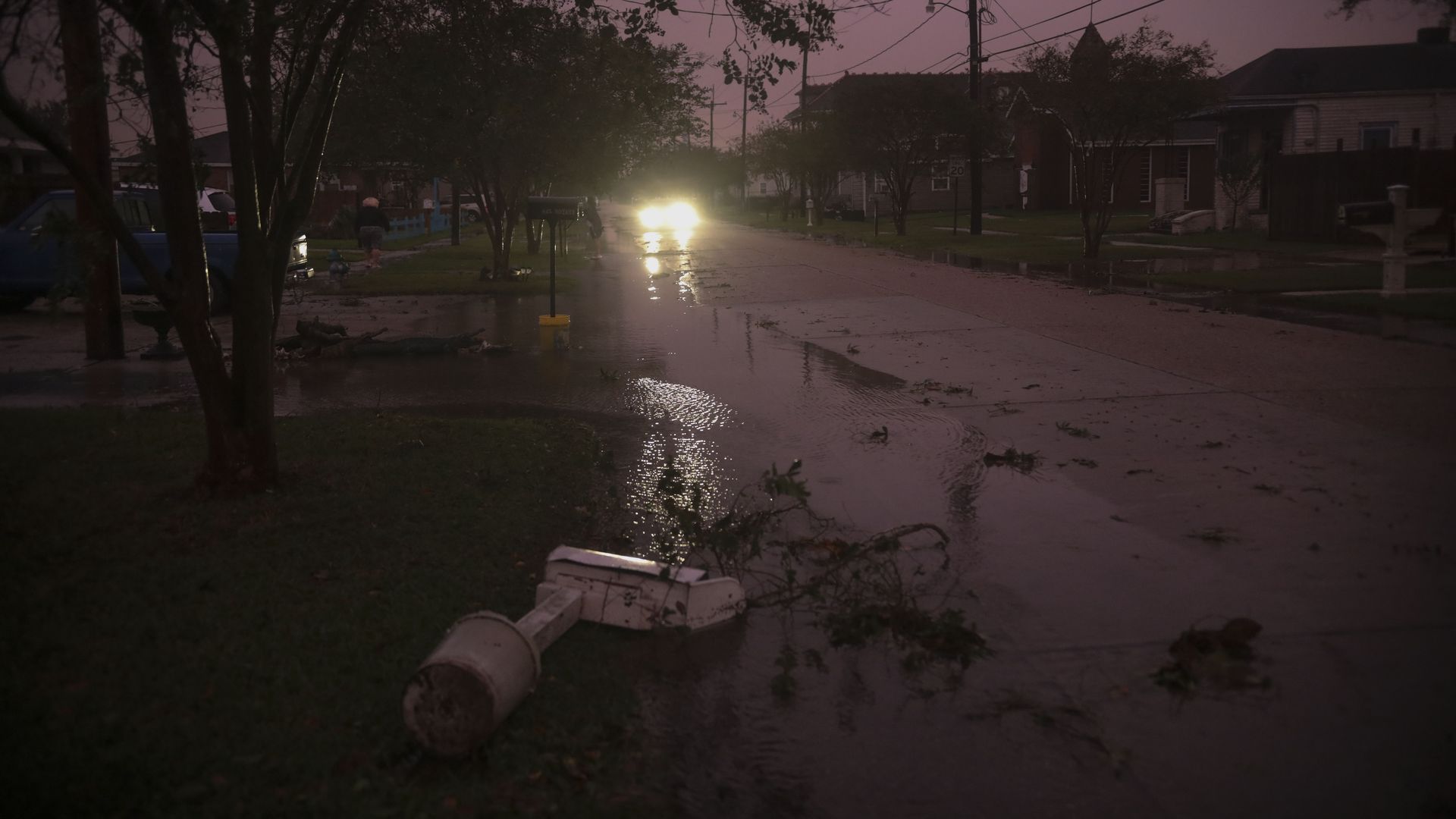
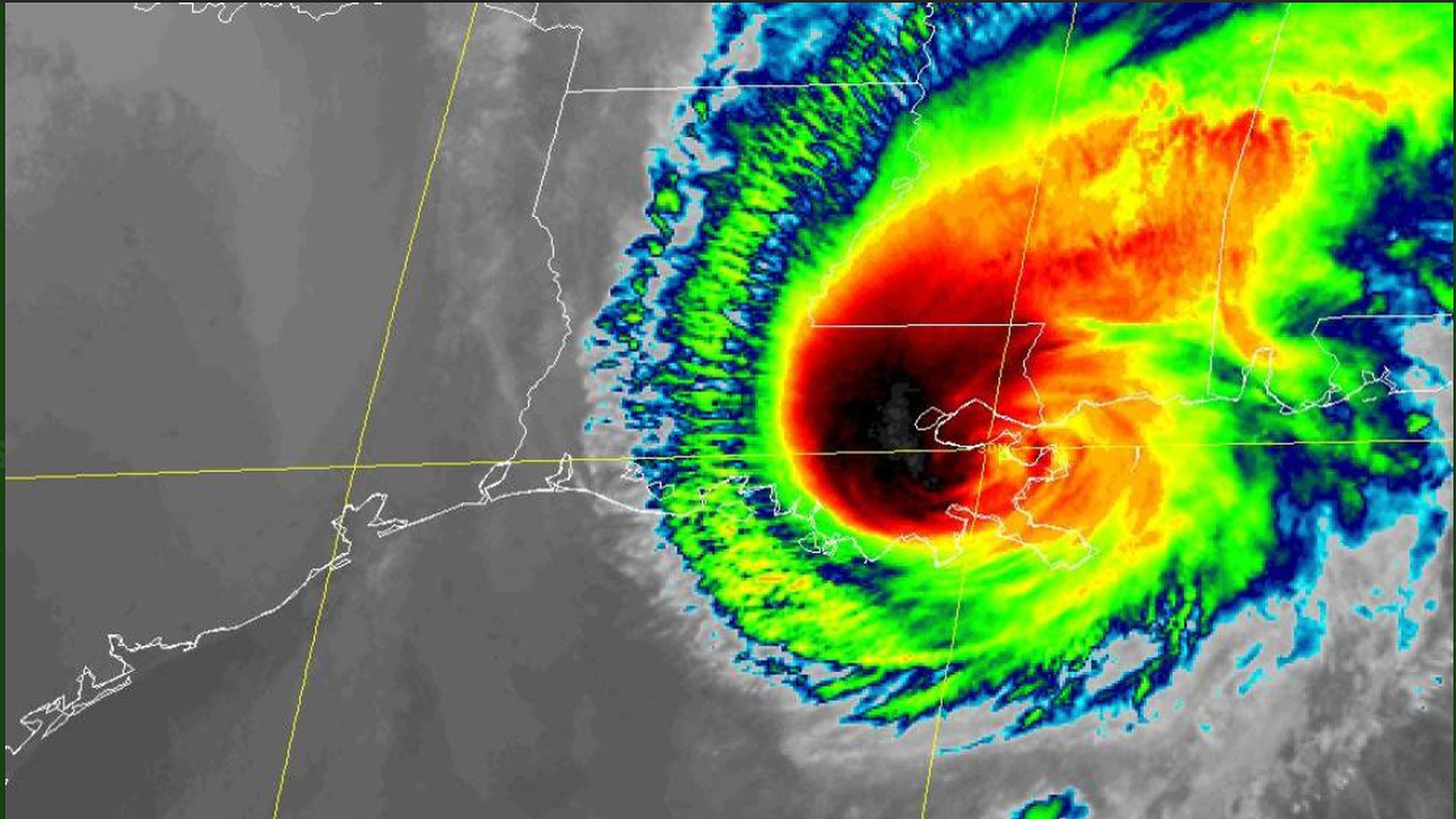
Tropical Storm Zeta has killed at least two people, triggered flooding, downed powerlines and caused widespread outages since making landfall in Louisiana as a Category 2 hurricane on Wednesday.
The big picture: A record 11 named storms have made landfall in the U.S. this year. Zeta is the fifth named storm to do so in Louisiana in 2020, the most ever recorded. It weakened t0 a tropical storm early Thursday, as it continued to lash parts of Alabama and the Florida Panhandle with heavy rains and strong winds.
Tropical Storm Zeta has killed at least two people and caused hundreds of thousands of people to lose power after making landfall in Louisiana as a Category 2 hurricane Wednesday.
Details: After "battering southeastern Louisiana and southern Mississippi," Zeta weakened to a tropical storm over central Alabama early on Thursday, but it was still pummeling parts of the state and the Florida Panhandle with heavy winds and rains, per the National Hurricane Center.
The challenges of race, equity and the environment are “intersecting and interconnected," and New York is “putting equity at the center,” Ali Zaidi, New York’s deputy secretary for energy and environment, said at an Axios event on Wednesday.
Why it matters: Low-income communities and communities of color are most at risk from climate change, experts say. Because climate change determines who benefits and suffers from the consequences of greenhouse gases, racial justice has become increasingly critical in the pursuit of environmental justice.
Sunrun CEO Lynn Jurich said at an Axios virtual event on Wednesday that the transition to renewable energy from fossil fuels is "going to happen independently of any political regime," but that a potential Joe Biden presidency could help the U.S. make the transition faster.
Why it matters: The Trump administration has attempted to undermine the scientific consensus of climate change and promote fossil fuels. But Jurich says that technology and cost drivers have still created momentum toward a renewable transition.
On Wednesday, October 29 Axios' Amy Harder hosted a conversation on the pandemic's effects on the environment, the energy industry, and how these shifts will have a lasting impact on the private sector's approach to renewable energy. The conversation featured Sunrun co-founder and CEO Lynn Jurich and New York's deputy secretary for energy and environment Ali Zaidi.
Lynn Jurich discussed the shift to renewable energy and the technology making renewable energy cheaper than fossil fuels.
On the next biggest global challenge in renewable energy: "How do you decarbonize this energy industry globally?...I view this very much as an opportunity and something where the U.S. should really be just moving faster on this. And that's why I look to the Biden program to help us."
On new technologies in the energy space: "We're just scratching the surface of the existing lithium-ion battery technology. If we combine that technology with renewable energy, we can go a long way to decarbonizing our energy system."
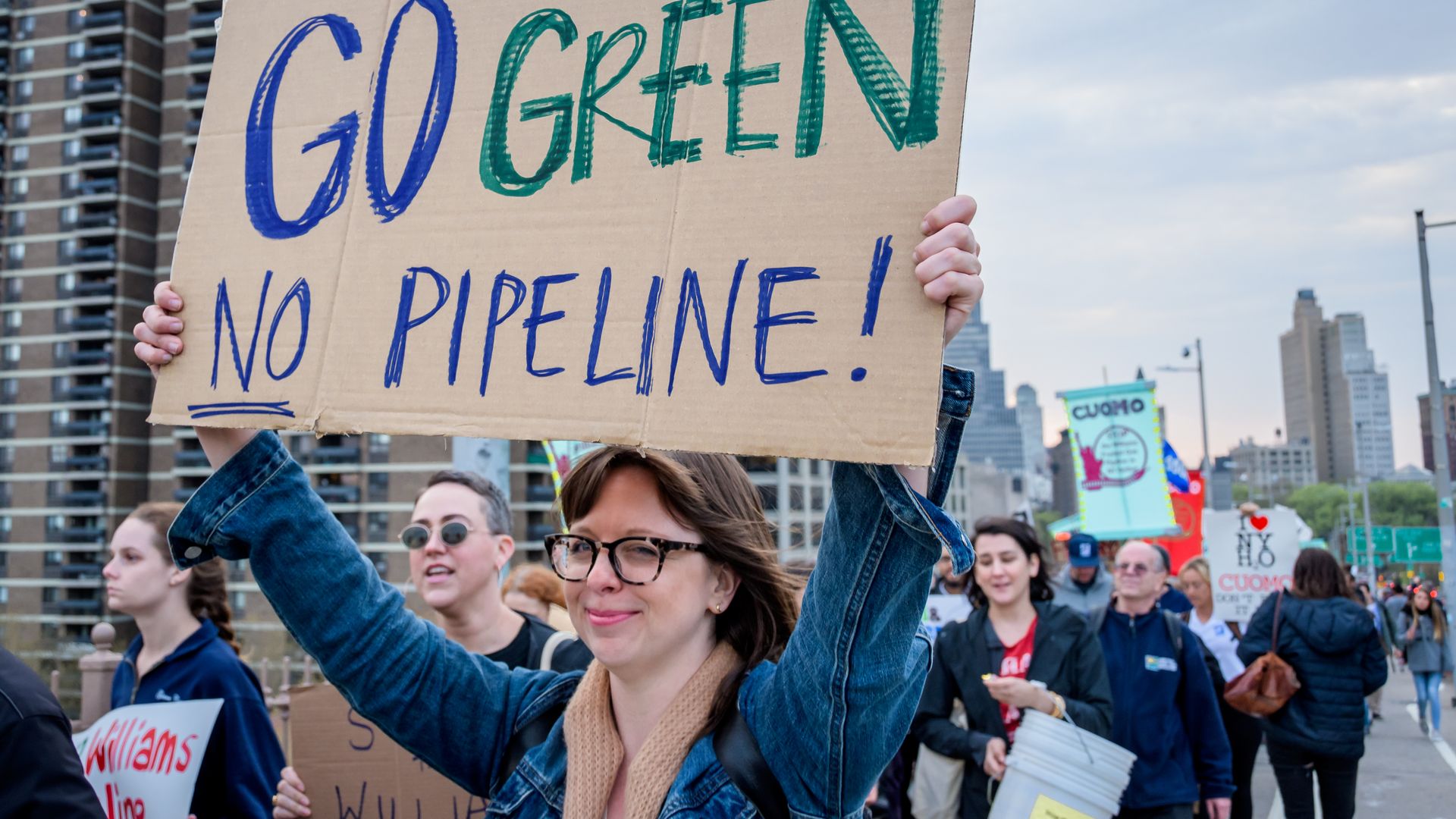
Ali Zaidi unpacked Gov. Cuomo's statewide plans around renewable energy, from centering issues of race and equity, as well as New York state's initiative to get to 70% renewable electricity by 2030.
On the goals of New York's energy policy plans: "It's an opportunity to advance jobs. It's an opportunity to advance justice. And it's an opportunity to advance our climate ambitions. That's the playbook Gov. Cuomo has laid out."
How energy is an equity issue: "What we are seeing increasingly is the intersecting and interconnected challenges of race, of equity and of the environment. And what that reveals to us is a real opportunity. Coming out of this pandemic to build back better."
Axios Chief Revenue Officer Fabricio Drumond hosted a View from the Top segment with Cognite co-founder and CEO John Markus Lervik anddiscussed the role of technology in increasing usage of renewable energy.
"For renewables and renewable transformation, [it is] fully dependent on digital transformation. Technology is the single most important driver for more sustainable and environmentally friendly operations."
A few days ago the International Energy Agency updated its analysis of the pandemic-fueled decline in investment.
Driving the news: IEA now sees global industry investment on the upstream (exploration and production) side falling by 35% this year, a slightly steeper drop than their prior analysis in May.
Global carbon emissions from energy, which are the lion's share, will never fully come back from pre-pandemic levels — recovering from a pandemic-fueled decline but sinking again around 2027 with renewable energy on the rise — according to a BloombergNEF analysis.
But, but, but: It still won't prevent the planet from cooking, as the firm still sees enough emissions to lead to over 3.3°C of warming above preindustrial levels by century's end.
A new analysis of migration influenced by climate change calls for changes to U.S. immigration policy that enable more targeted efforts to address the topic.
The big picture: Climate change is already driving migration through flooding, drought and other effects, with more expected in the future, according to a brief from the Center for Strategic and International Studies.
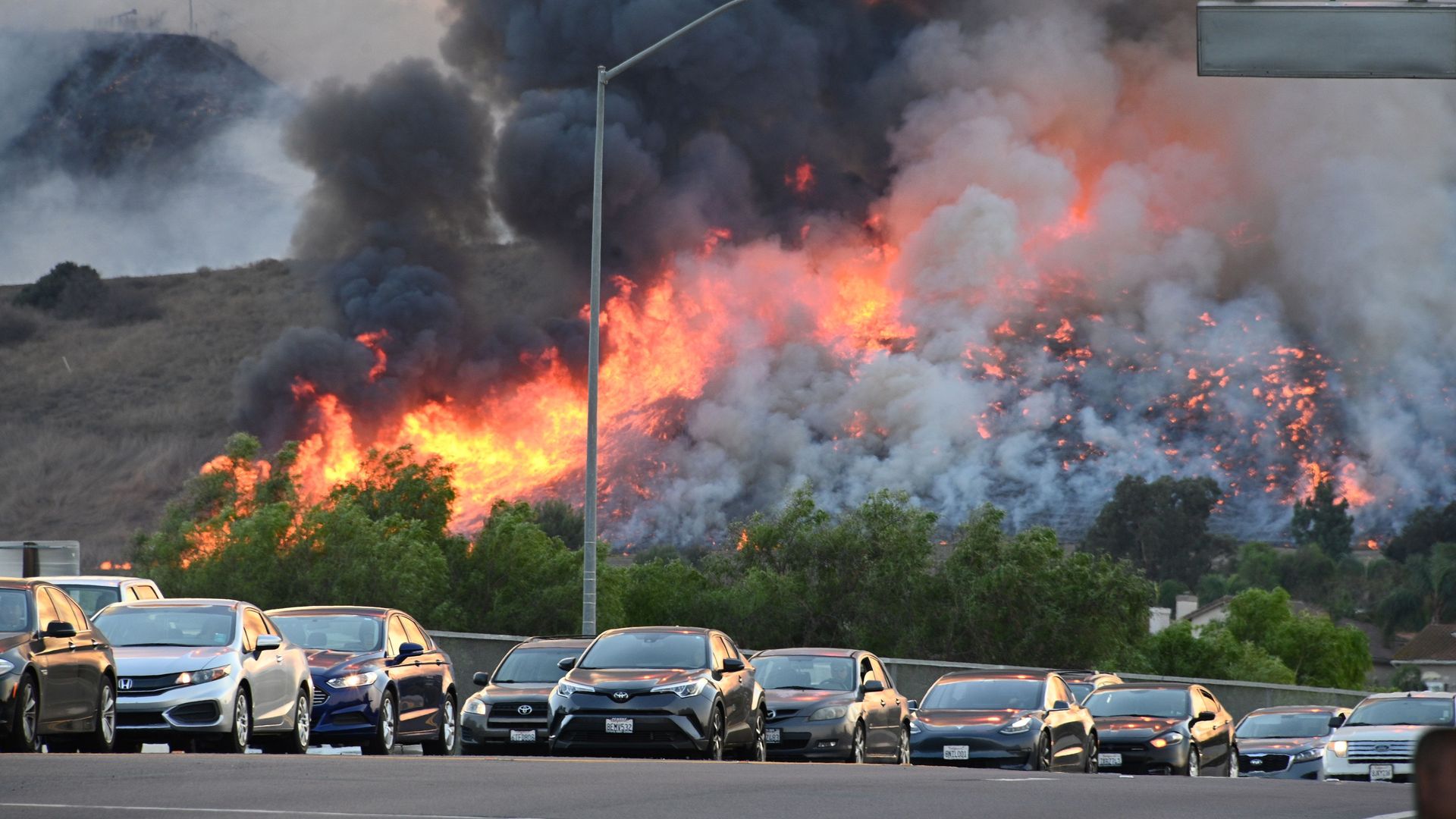
Firefighters in Orange County, Southern California, battled into the night two growing wildfires that have burned across more than 27,000 acres and forced tens of thousands of people to evacuate.
The state of play: The blazes have been driven by strong Santa Ana winds and forced the evacuation of some 92,000 people Monday, per Orange County Fire Authority officials. Mandatory evacuation orders were lifted for some parts of the city of Irvine late Tuesday as the fires continued to grow.