On the next episode of “Axios on HBO,” Axios energy reporter Amy Harder asks BP CEO Bernard Looney why the company’s pivot to renewable energy is different now compared to its failed attempt to rebrand 20 years ago.
Catch the full interview on Monday, October 12 at 11:05 p.m. ET/PT on all HBO platforms.
You can always get more “Axios on HBO” in the Axios app, available here on mobile devices.
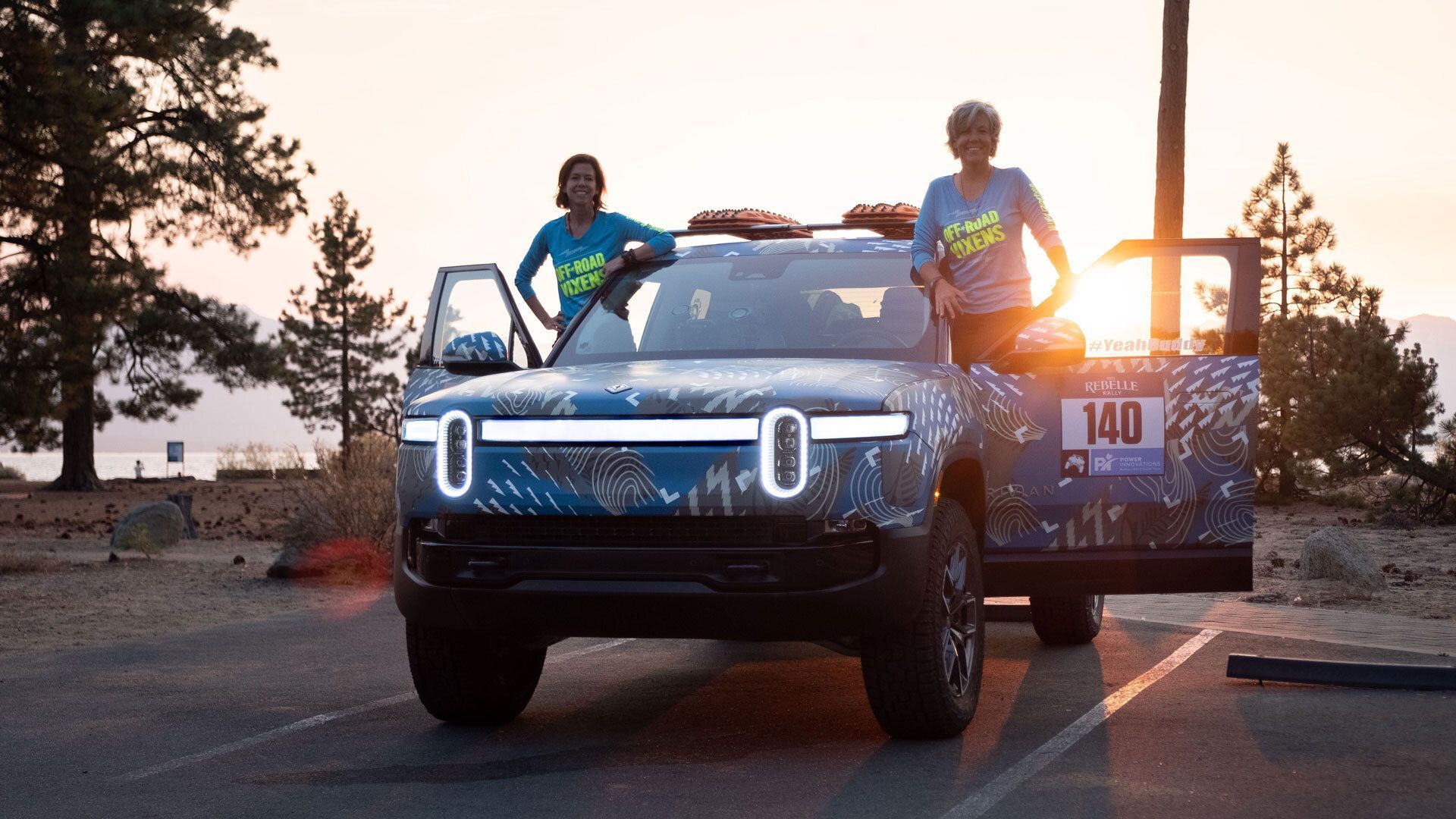
Electric truck startup Rivian must have a lot of confidence in its product to enter the very first vehicle to roll off the assembly line into a grueling, 10-day off-road challenge.
The state of play: Rivian's R1T pickup is also the first fully electric vehicle to compete in the Rebelle Rally, an all-female, off-road rally that kicked off Thursday.
After years of unmet promises, hydrogen vehicles could finally be catching on. If so, it'll be a convoy of clean semi-trucks — not a bunch of quirky passenger cars — leading the way.
The big picture: We've been hearing about zero-emission, fuel-cell vehicles for decades as the answer to our worries about fossil fuels and climate change. But even now, the economic and practical challenges are still too difficult to overcome — except, perhaps, for commercial truck fleets.
A Goldman Sachs note this week helps visualize one reason analysts believe Devon Energy's $2.6 billion merger with WPX Energy makes sense: It helps Biden-proof Devon to a degree.
The state of play: Goldman analysts looked at how much of various shale producers acreage in the prolific Permian Basin is on federal lands, since Joe Biden has pledged to thwart new oil-and-gas development there. Devon's federal lands exposure is one reason their shares "remain out of favor," Goldman notes, although WPX also has a decent — albeit much smaller — share of their acreage in federal areas.
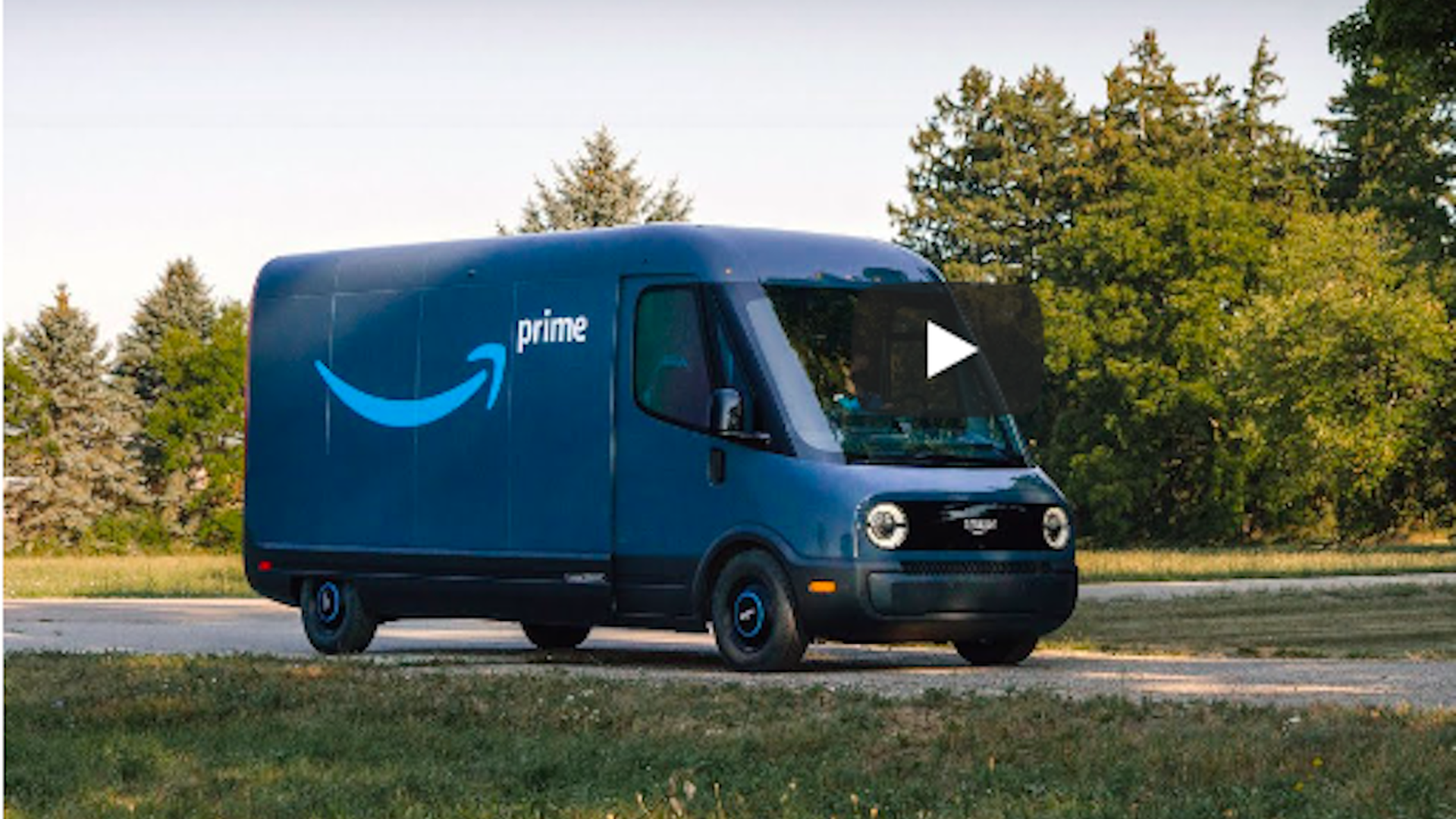
Amazon has taken the wraps off the first electric delivery van developed with the Rivian, the EV startup slated to begin mass producing vehicles for the e-commerce giant.
Why it matters: It shows that Amazon is moving to turn its pledge to be carbon neutral by 2040 into concrete steps and technology deployment.
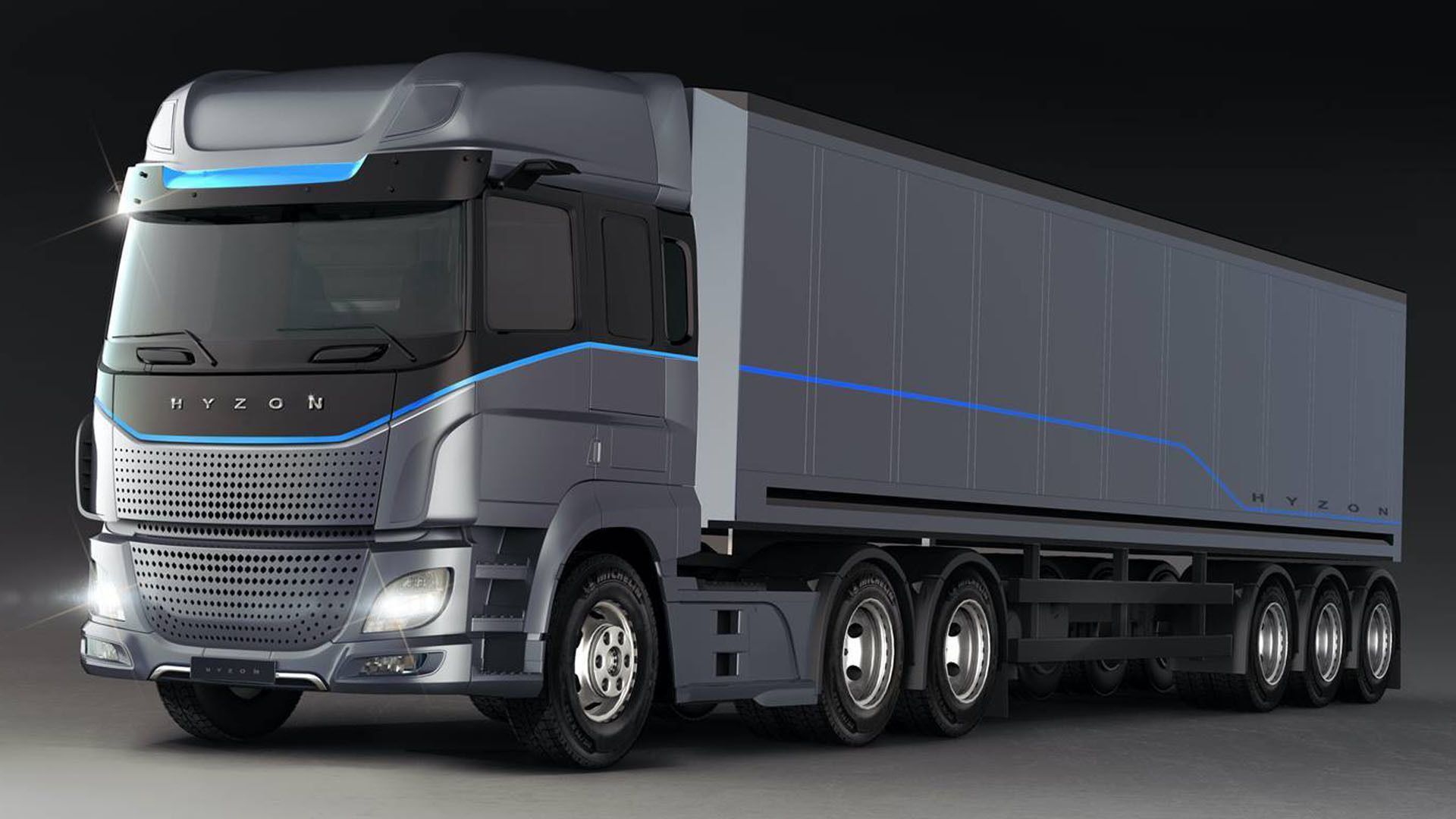
The huge multinational oil-and-gas company Total SE is investing in the hydrogen fuel cell truck and bus startup Hyzon Motors, the companies announced this morning.
Why it matters: It's the latest sign of increasing interest in hydrogen-powered heavy vehicles amid moves by startups and legacy automakers alike. It also shows how European-headquartered oil giants are boosting their alternative energy portfolios, even though hydrocarbons remain their dominant business lines.
Pennsylvania, the big swing state that President Trump narrowly won in 2016, is now the second-largest natural gas producer behind Texas.
Why it matters: Trump and Vice President Pence are frequently accusing former vice president Joe Biden and running mate Sen. Kamala Harris of wanting to ban fracking — costing jobs in the process.
Activists say they'll deliver on Friday signatures from more than 600 law students pledging to boycott the firm Paul, Weiss, Rifkind, Wharton & Garrison unless it ditches Exxon as a client.
Why it matters: It signals the evolving tactics of climate advocates. Another example of the widening scope are campaigns in recent years to pressure tech giants over their emissions and work with oil companies.
China's recently announced plan to reach carbon neutrality by 2060 would require investments of over $5 trillion, per new analysis from the consultancy Wood Mackenzie.
Why it matters: The estimate released Thursday shows how analysts are beginning to grapple with how China, by far the world's largest carbon emitter, might take steps to implement aspects of its ambitious but still-vague pledge.
Joe Biden is considering a special new White House office to coordinate and elevate global warming initiatives if he wins, Bloomberg reports (and a h/t to @CarbonBrief for flagging).
Why it matters: The story, and a similar Politico piece, show how Biden's team is thinking about how to organize his plans that would span a suite of agencies.
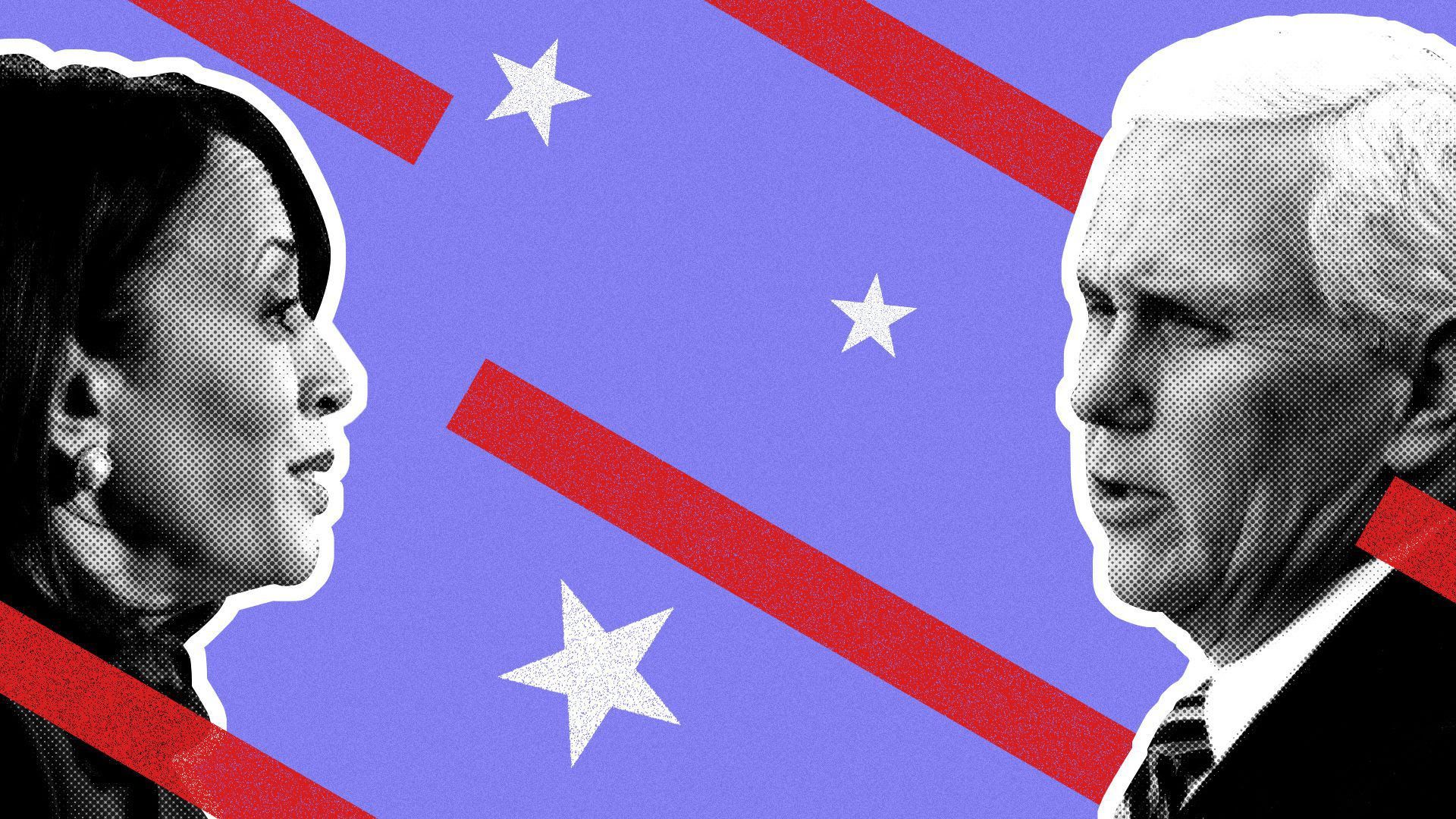
The exchanges on climate and energy in last night's VP debate broke no new policy ground but did offer a window onto the campaigns' political strategies as Joe Biden leads heading into the final weeks.
Why it matters: The topics are getting prime-time love in the debates in sharp contrast to prior cycles, and the chasm between the platforms is immense.
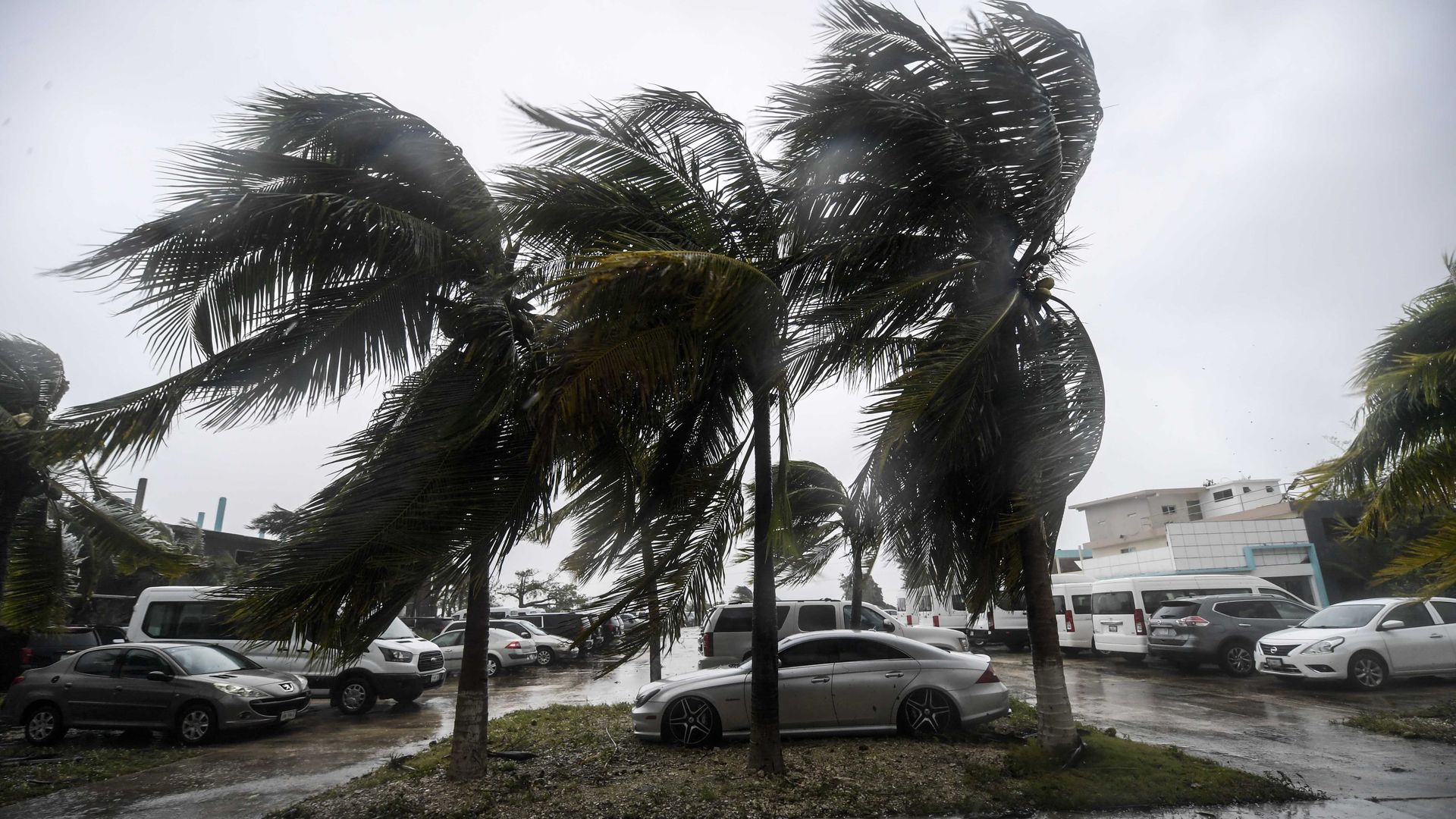
Louisiana, Alabama and Mississippi are preparing for Hurricane Delta, after the Category 2 storm made landfall on Mexico's Yucatan Peninsula before heading toward the Gulf of Mexico — where it's regaining strength, the National Hurricane Center said Wednesday night.
The big picture: The governors of Alabama and Louisiana declared states of emergency Tuesday ahead of the "extremely dangerous" storm's arrival, expected on Friday. Mississippi declared a state of emergency on Wednesday. Texas could also see see tropical-storm-force winds and heavy rains, the NHC said.
Sen. Kamala Harris at Wednesday's vice presidential debate denied Vice President Pence's claim that Joe Biden would ban fracking if elected.
Why it matters: Pence's claims that a Biden administration would "abolish fossil fuels," "ban fracking" and implement the Green New Deal are part of the Trump campaign's efforts to paint the Biden-Harris ticket as a symbol of the far left.