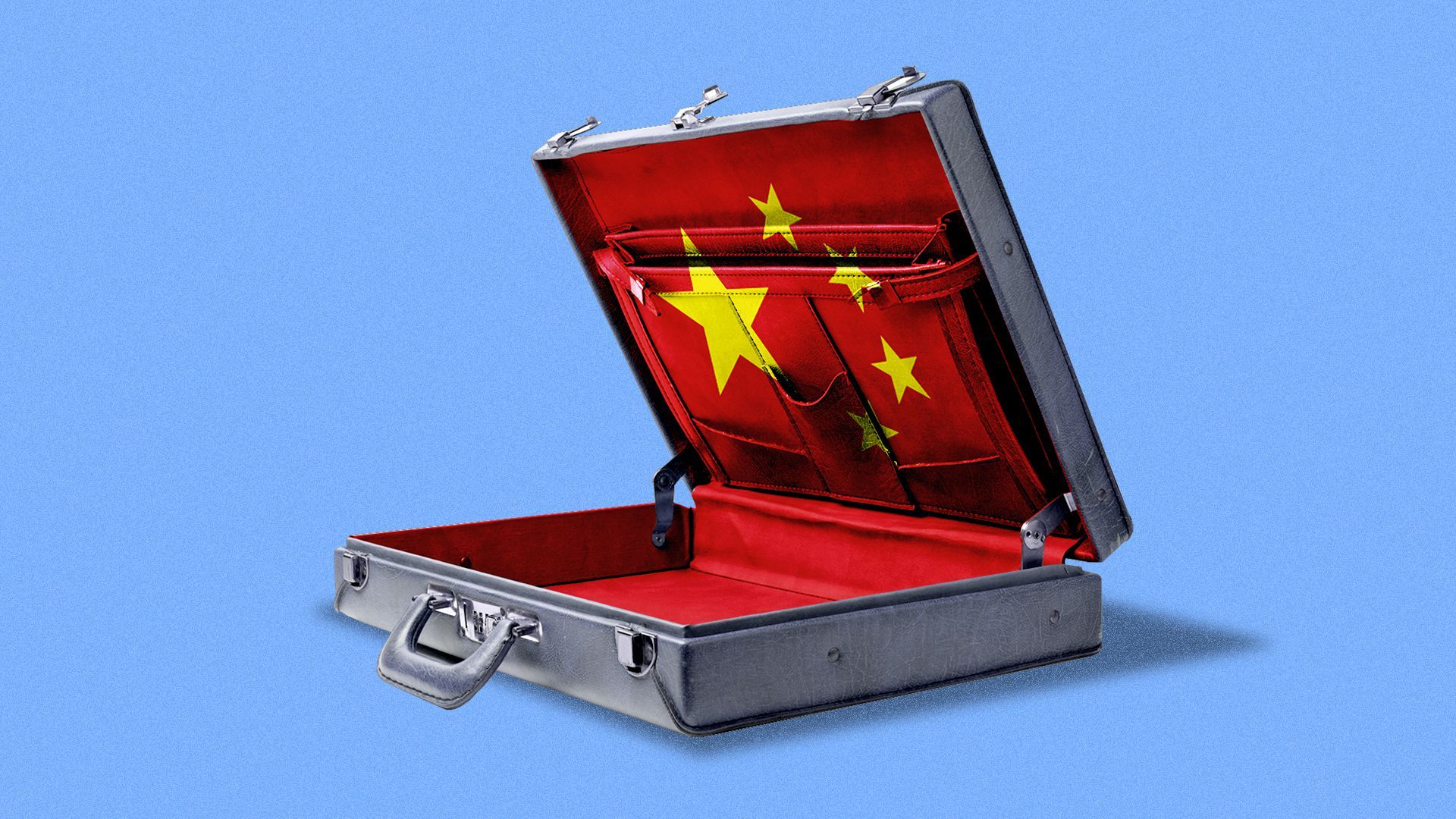
China's recently announced plan to reach carbon neutrality by 2060 would require investments of over $5 trillion, per new analysis from the consultancy Wood Mackenzie.
Why it matters: The estimate released Thursday shows how analysts are beginning to grapple with how China, by far the world's largest carbon emitter, might take steps to implement aspects of its ambitious but still-vague pledge.
Joe Biden is considering a special new White House office to coordinate and elevate global warming initiatives if he wins, Bloomberg reports (and a h/t to @CarbonBrief for flagging).
Why it matters: The story, and a similar Politico piece, show how Biden's team is thinking about how to organize his plans that would span a suite of agencies.
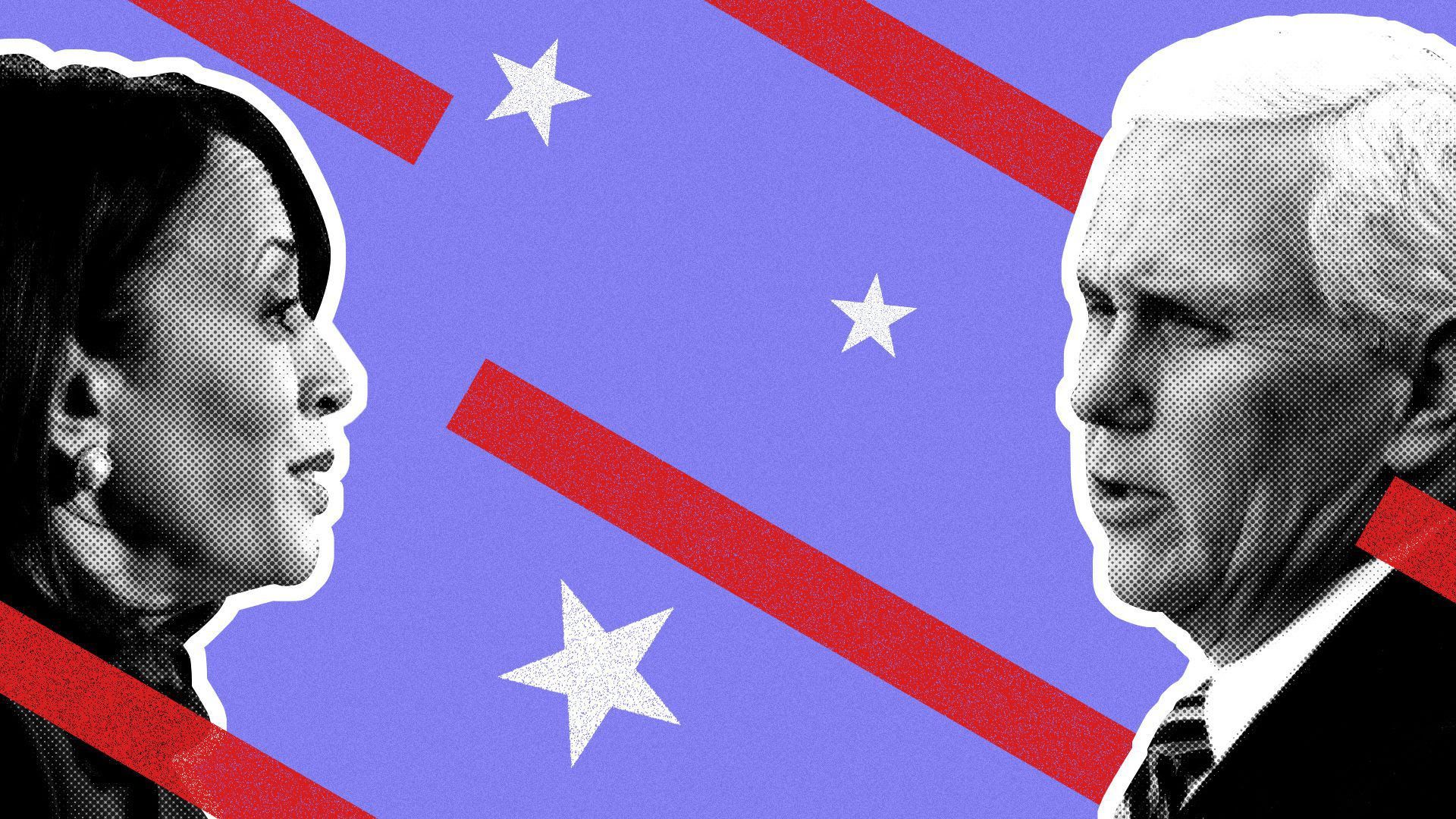
The exchanges on climate and energy in last night's VP debate broke no new policy ground but did offer a window onto the campaigns' political strategies as Joe Biden leads heading into the final weeks.
Why it matters: The topics are getting prime-time love in the debates in sharp contrast to prior cycles, and the chasm between the platforms is immense.
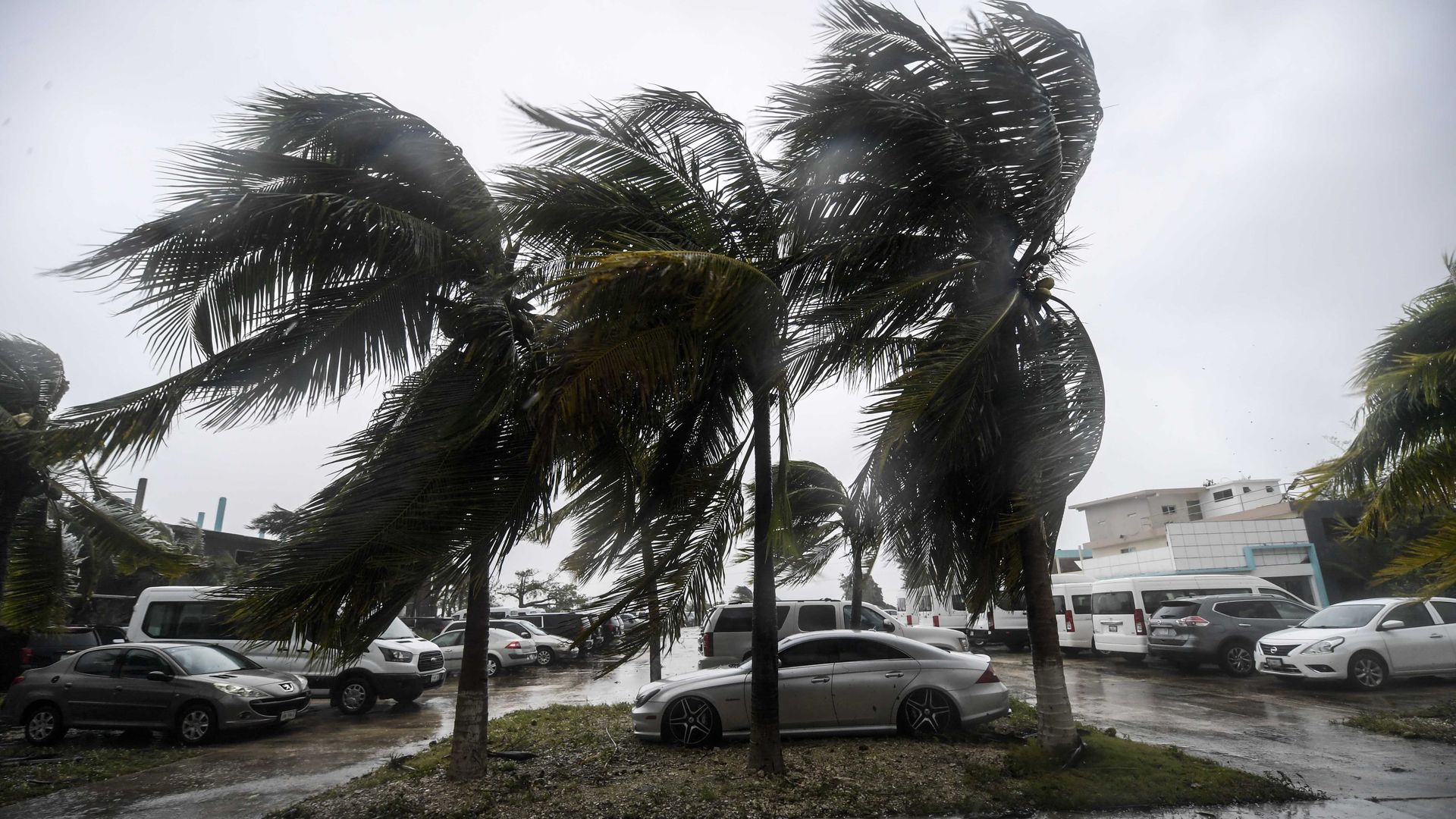
Louisiana, Alabama and Mississippi are preparing for Hurricane Delta, after the Category 2 storm made landfall on Mexico's Yucatan Peninsula before heading toward the Gulf of Mexico — where it's regaining strength, the National Hurricane Center said Wednesday night.
The big picture: The governors of Alabama and Louisiana declared states of emergency Tuesday ahead of the "extremely dangerous" storm's arrival, expected on Friday. Mississippi declared a state of emergency on Wednesday. Texas could also see see tropical-storm-force winds and heavy rains, the NHC said.
Sen. Kamala Harris at Wednesday's vice presidential debate denied Vice President Pence's claim that Joe Biden would ban fracking if elected.
Why it matters: Pence's claims that a Biden administration would "abolish fossil fuels," "ban fracking" and implement the Green New Deal are part of the Trump campaign's efforts to paint the Biden-Harris ticket as a symbol of the far left.
Here's one more way the pandemic is hitting people's finances: New federal projections show higher winter heating bills, and COVID-19 is partly to blame.
Driving the news: Households that heat with gas, electricity and propane are expected to pay more on average this winter, while heating oil users may see lower bills, per an Energy Information Administration outlook.
The big picture: "More people are working and attending school from home this year, which EIA expects will increase demand for space heating at any given temperature relative to past winters," the agency said.
NOAA also is forecasting that this winter will be colder than 2019–2020, which would increase home heating needs, the report states.
JPMorgan Chase said late Tuesday that it will "align its financing activities" with the goals of the Paris Agreement.
Why it matters: JPMorgan is the country's largest bank and, as the Wall Street Journal notes, holds "considerable sway in boardrooms around the globe." It's also the banking sector's largest financier of fossil fuels, per an analysis from several environmental groups of lending and underwriting.
The corporate and geopolitical winners in a world that gets serious about cutting carbon emissions aren't easy to predict.
Driving the news: A new Moody's Investors Service report looks at how "energy transition" creates risks and opportunities for state-owned oil-and-gas companies like Saudi Aramco, Russia's Gazprom and China's CNPC.
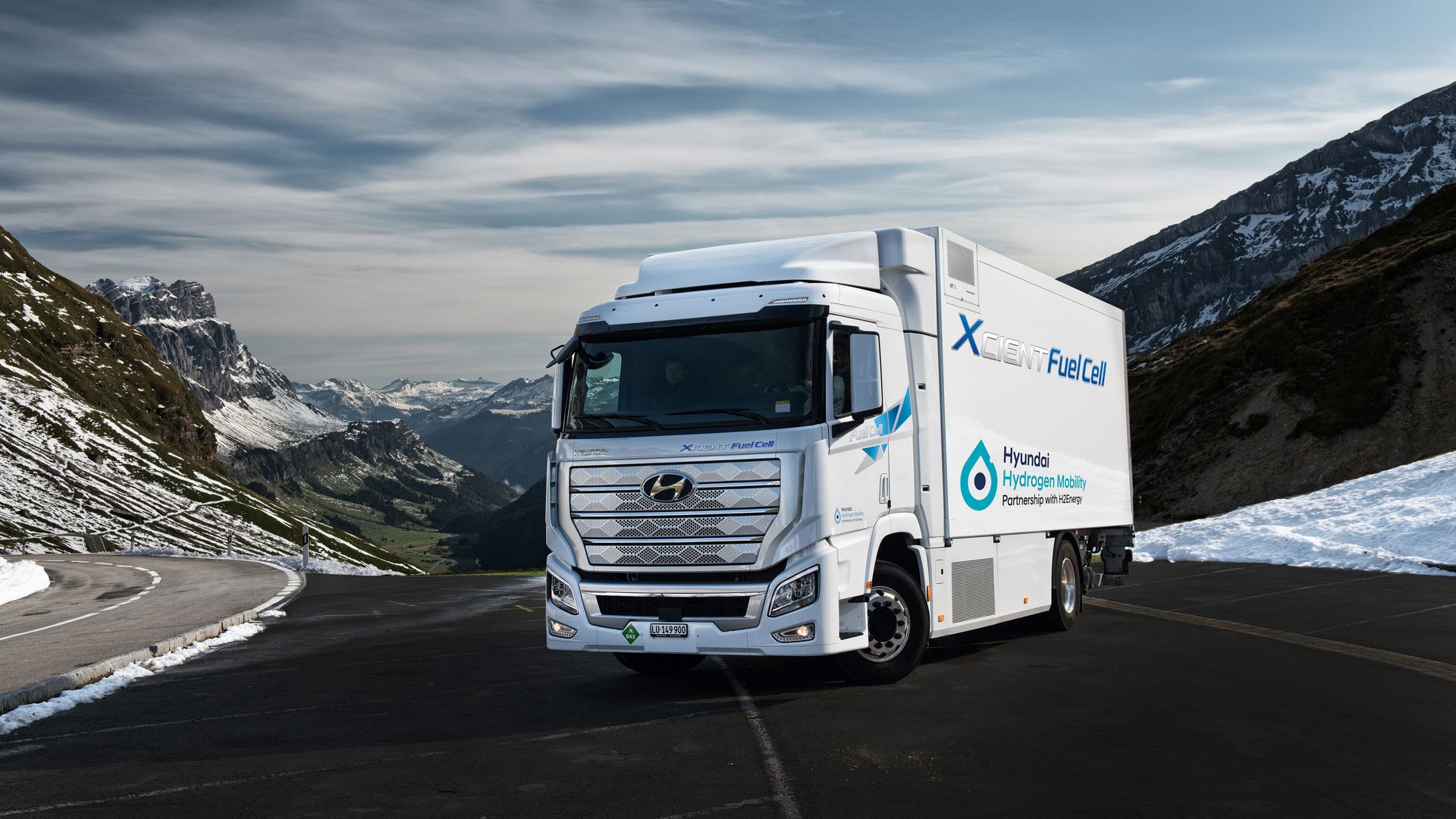
Hyundai Motor Company delivered its first XCIENT fuel cell heavy-duty trucks on Tuesday to customers in Europe, and announced aggressive plans to bring hydrogen-powered trucks to the U.S. and China, too.
Why it matters: While most major truck manufacturers are working on hydrogen trucks as a cleaner alternative to diesel, Hyundai is well beyond the prototype phase and is preparing to produce as many as 2,000 trucks a year starting in 2021.