Here's one more way the pandemic is hitting people's finances: New federal projections show higher winter heating bills, and COVID-19 is partly to blame.
Driving the news: Households that heat with gas, electricity and propane are expected to pay more on average this winter, while heating oil users may see lower bills, per an Energy Information Administration outlook.
The big picture: "More people are working and attending school from home this year, which EIA expects will increase demand for space heating at any given temperature relative to past winters," the agency said.
NOAA also is forecasting that this winter will be colder than 2019–2020, which would increase home heating needs, the report states.
JPMorgan Chase said late Tuesday that it will "align its financing activities" with the goals of the Paris Agreement.
Why it matters: JPMorgan is the country's largest bank and, as the Wall Street Journal notes, holds "considerable sway in boardrooms around the globe." It's also the banking sector's largest financier of fossil fuels, per an analysis from several environmental groups of lending and underwriting.
The corporate and geopolitical winners in a world that gets serious about cutting carbon emissions aren't easy to predict.
Driving the news: A new Moody's Investors Service report looks at how "energy transition" creates risks and opportunities for state-owned oil-and-gas companies like Saudi Aramco, Russia's Gazprom and China's CNPC.
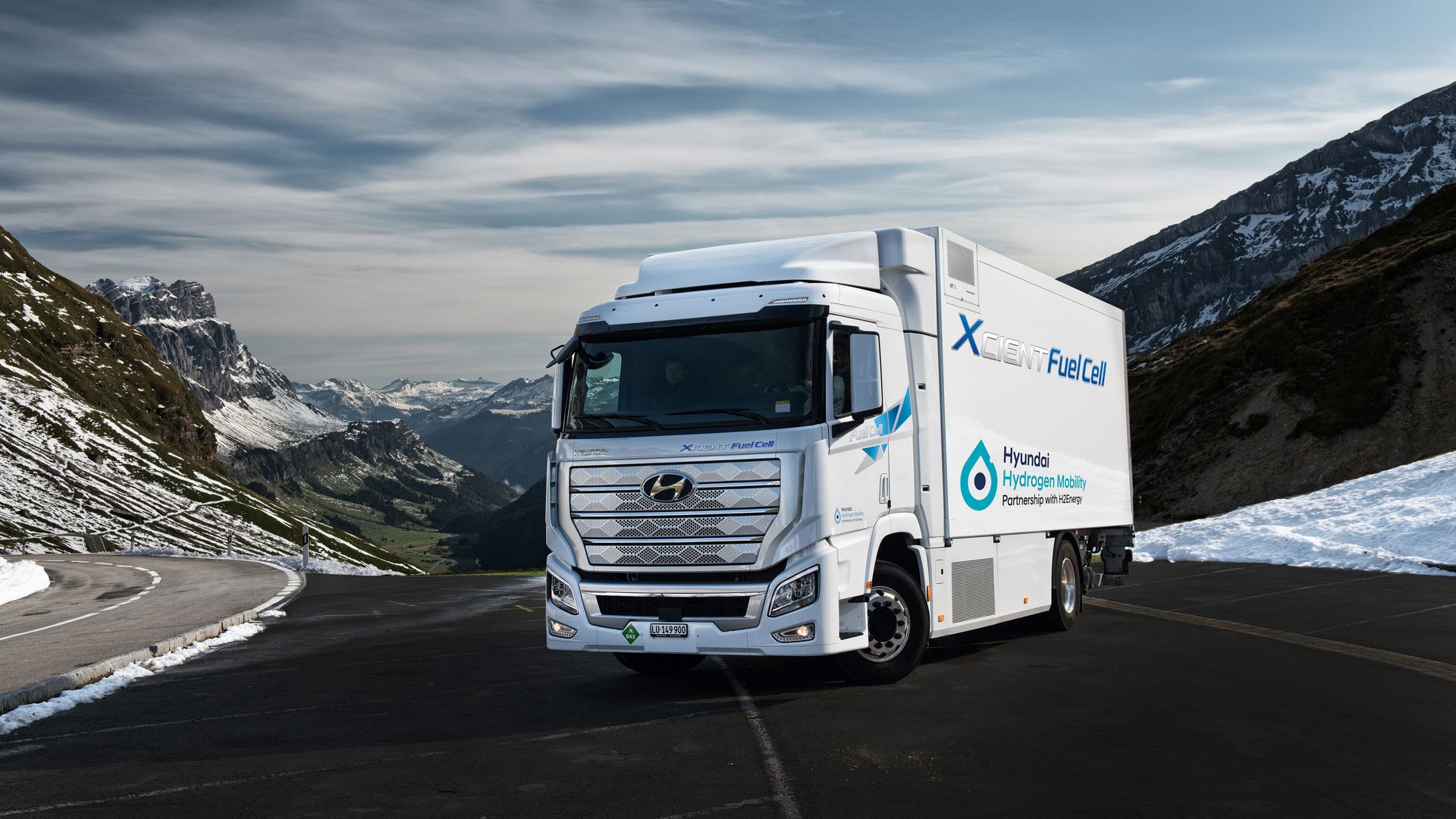
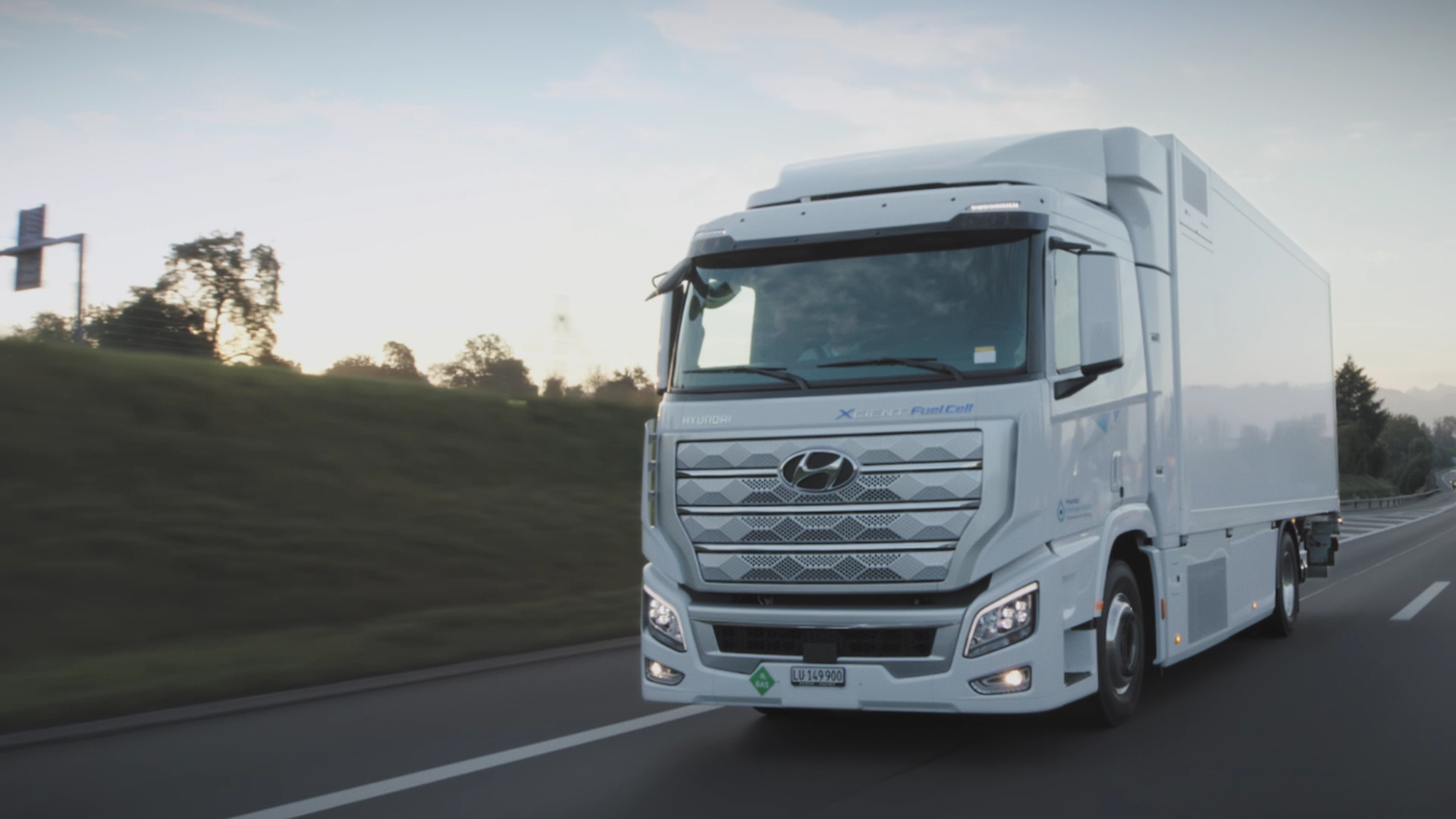
Hyundai Motor Company delivered its first XCIENT fuel cell heavy-duty trucks on Tuesday to customers in Europe, and announced aggressive plans to bring hydrogen-powered trucks to the U.S. and China, too.
Why it matters: While most major truck manufacturers are working on hydrogen trucks as a cleaner alternative to diesel, Hyundai is well beyond the prototype phase and is preparing to produce as many as 2,000 trucks a year starting in 2021.
Hydrogen-powered heavy trucking is becoming more and more of a thing, even as it's unclear whether fuel cells or battery electrics will ultimately win the long race to decarbonize road freight.
Why it matters: Heavy diesel trucks and industrial vehicles are a huge source of carbon emissions worldwide, and a number of legacy automakers and startups are moving ahead with electric and hydrogen models.
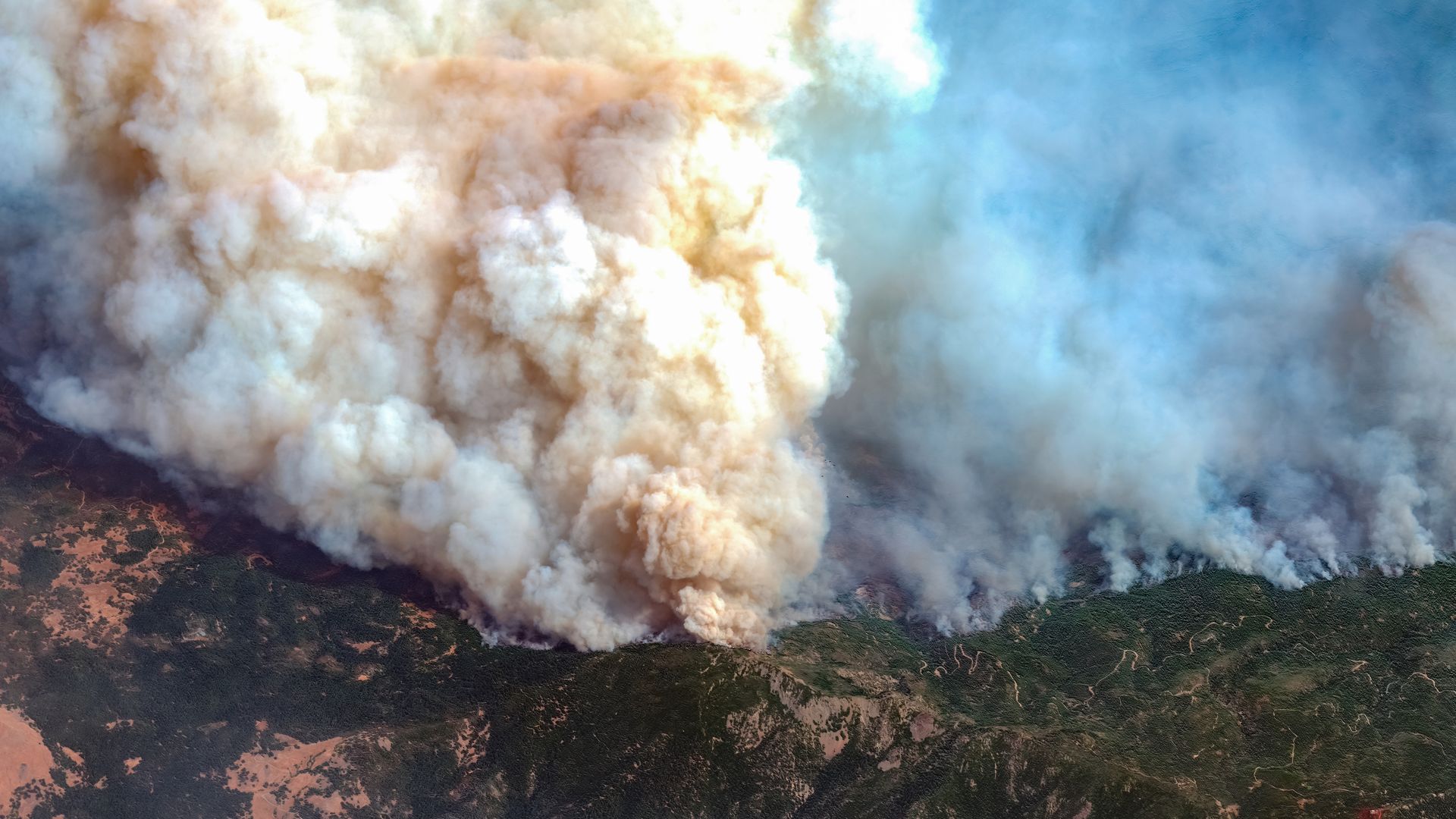
A massive wildfire in the Coast Range of California, between San Francisco and the Oregon border, has burned over 1 million acres, Cal Fire said on Monday.
The big picture: The August Complex Fire, which merged from 37 different wildfires in the Mendocino National Forest, has killed one person and destroyed 159 structures as it burned across 1,002,097 acres, per Cal Fire. It was at 54% containment as of Monday.