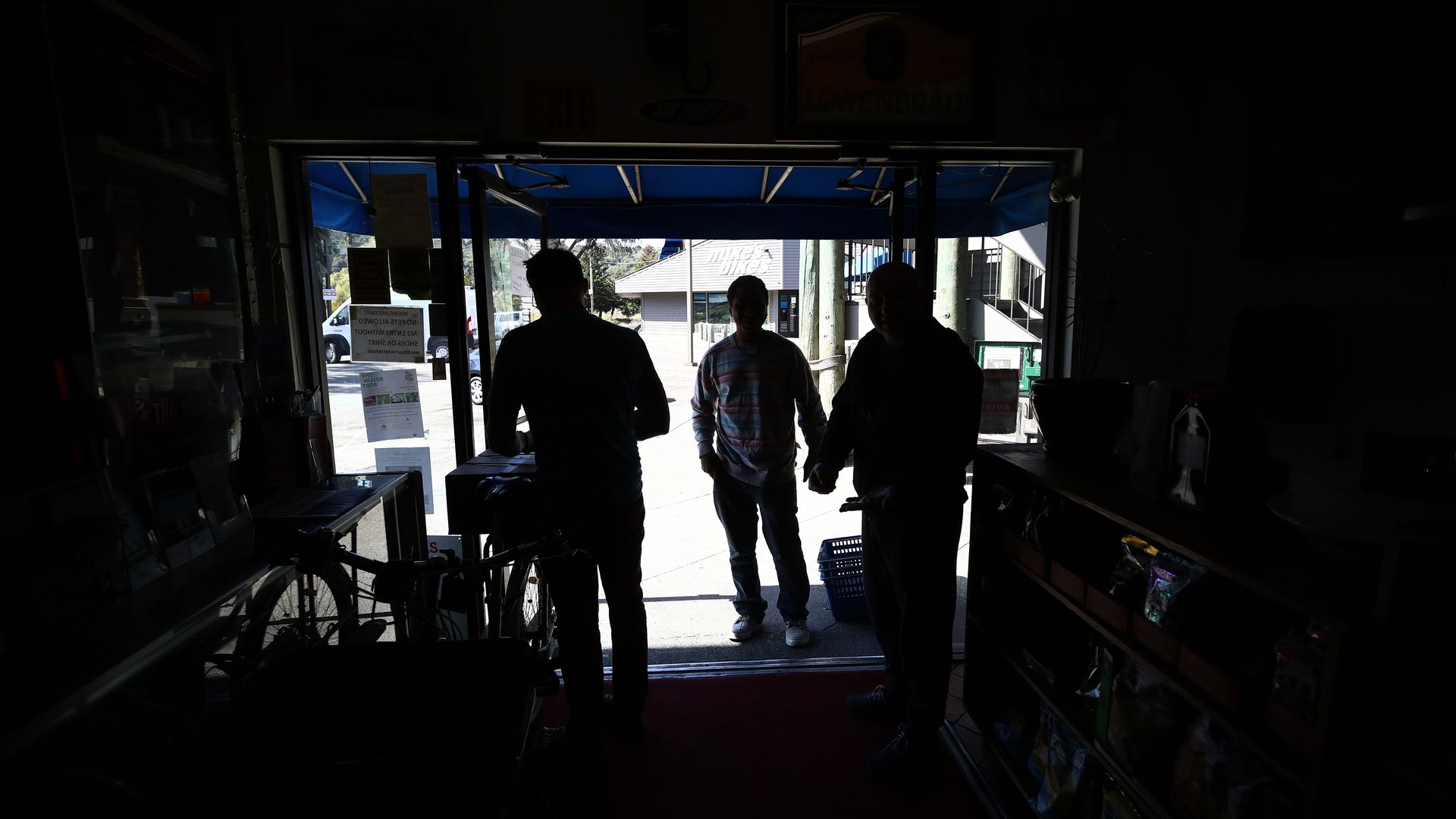
PG&E's CEO Bill Johnson said Friday that it could be a decade before the company has made enough improvements to its electric infrastructure to prevent widespread pre-emptive blackouts, the Wall Street Journal reports.
What he's saying: “I think they’ll decrease in size and scope every year,” he said. “But at the same time we’re doing this the risk is not static, it’s dynamic and it goes up every year.”
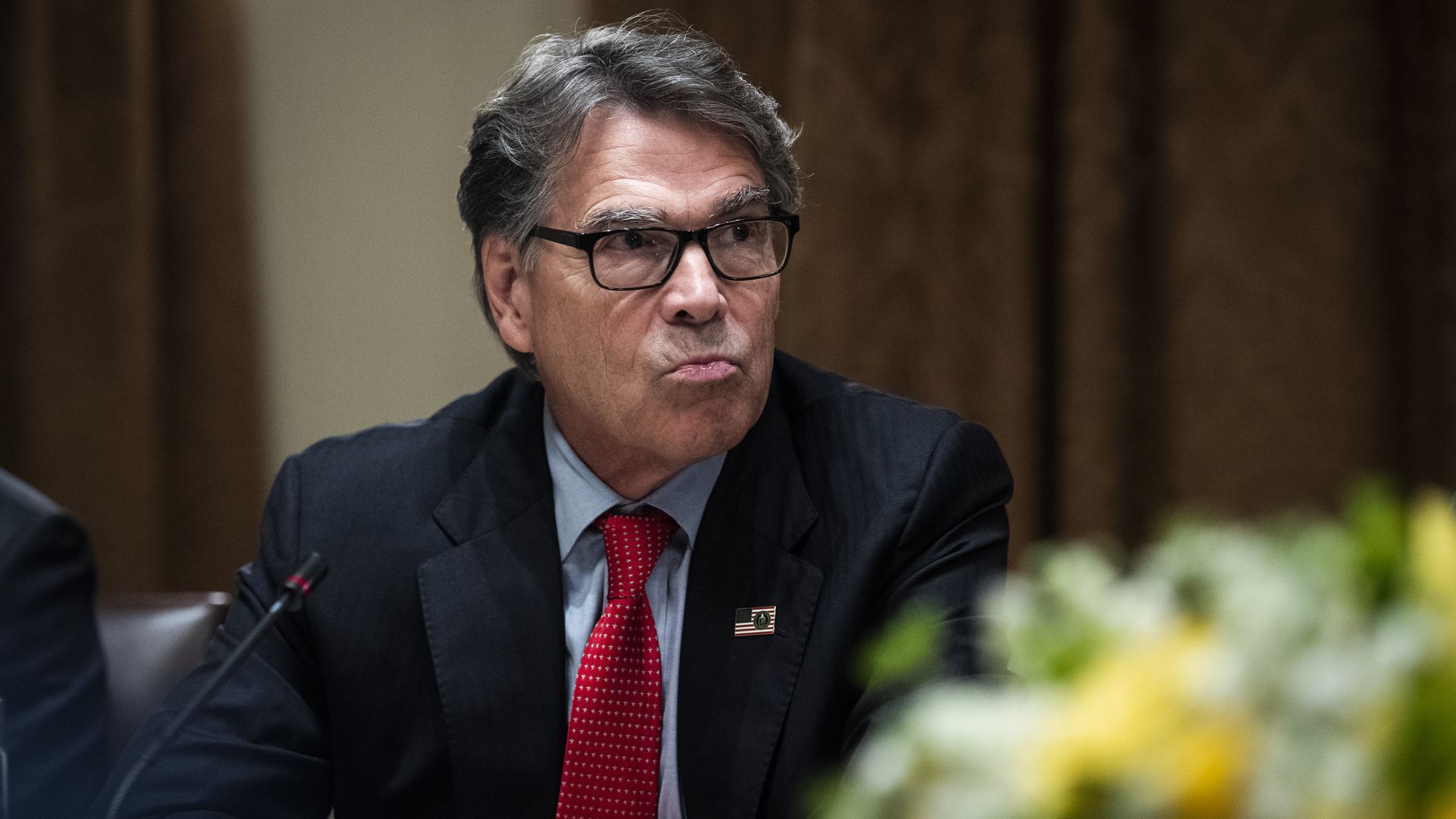
The Department of Energy cited the same arguments as the Pentagon for why it is unable to cooperate "at this time" with House committees' subpoena for documents related to President Trump's efforts to push Ukraine to investigate Joe Biden.
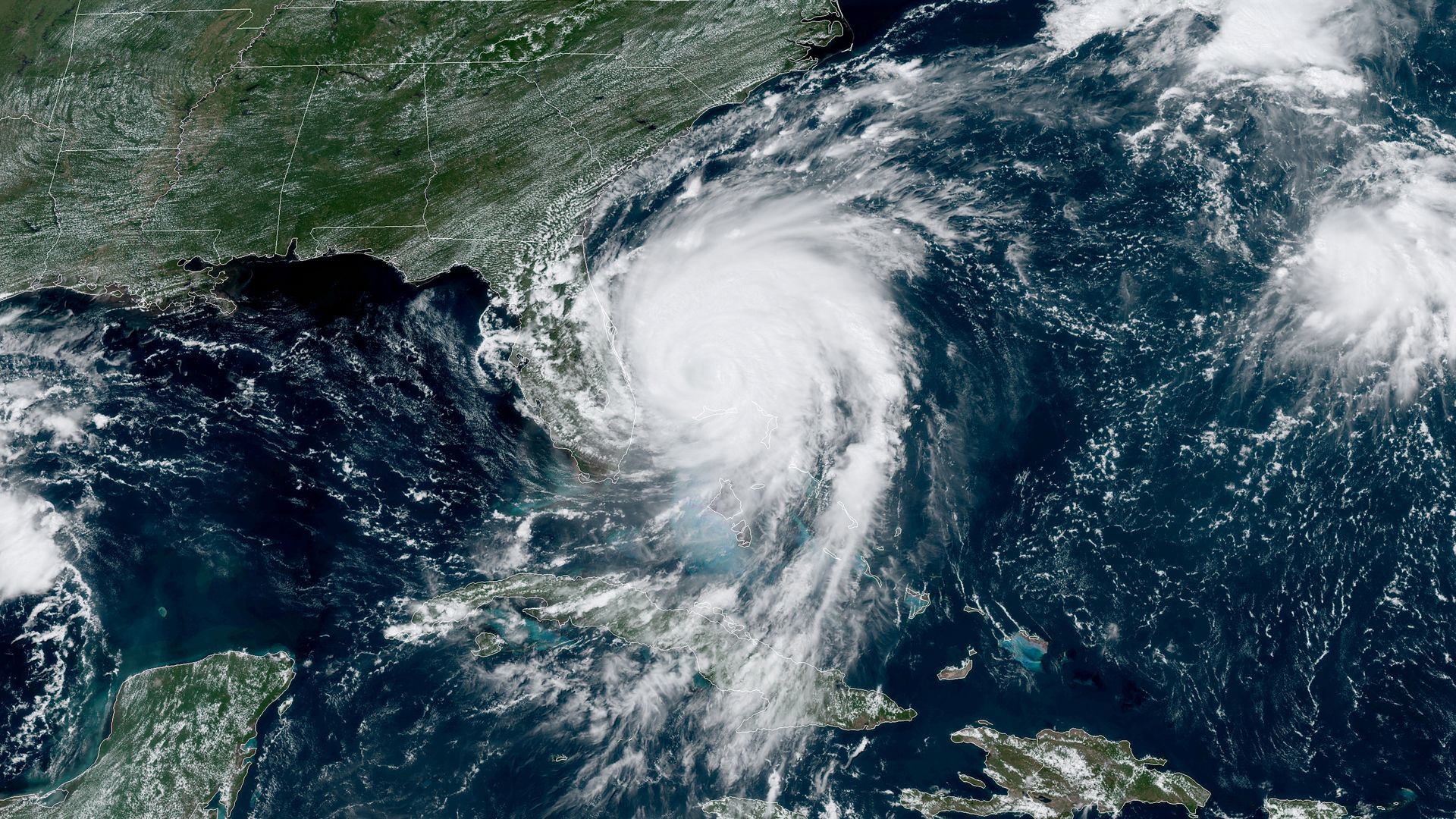
The 14 named storms of 2019 cost the U.S. an estimated $22 billion in damages, according to commercial weather forecaster and federal contractor AccuWeather.
The big picture: AccuWeather also estimates that 2019's season cost less than the 2017 and 2018 seasons, which saw Hurricanes Maria, Harvey and Irma in 2017 and Hurricane Michael in 2018.
The Senate rejected Friday a resolution to overturn the EPA's recent decision to scrap Obama-era carbon emissions regulations for power plants and replace them with more modest rules.
Driving the news: 3 Democrats — Kyrsten Sinema, Doug Jones, and Joe Manchin — joined Republicans in opposing the Democratic measure. Susan Collins was the only Republican to support the resolution in the 41-53 vote.
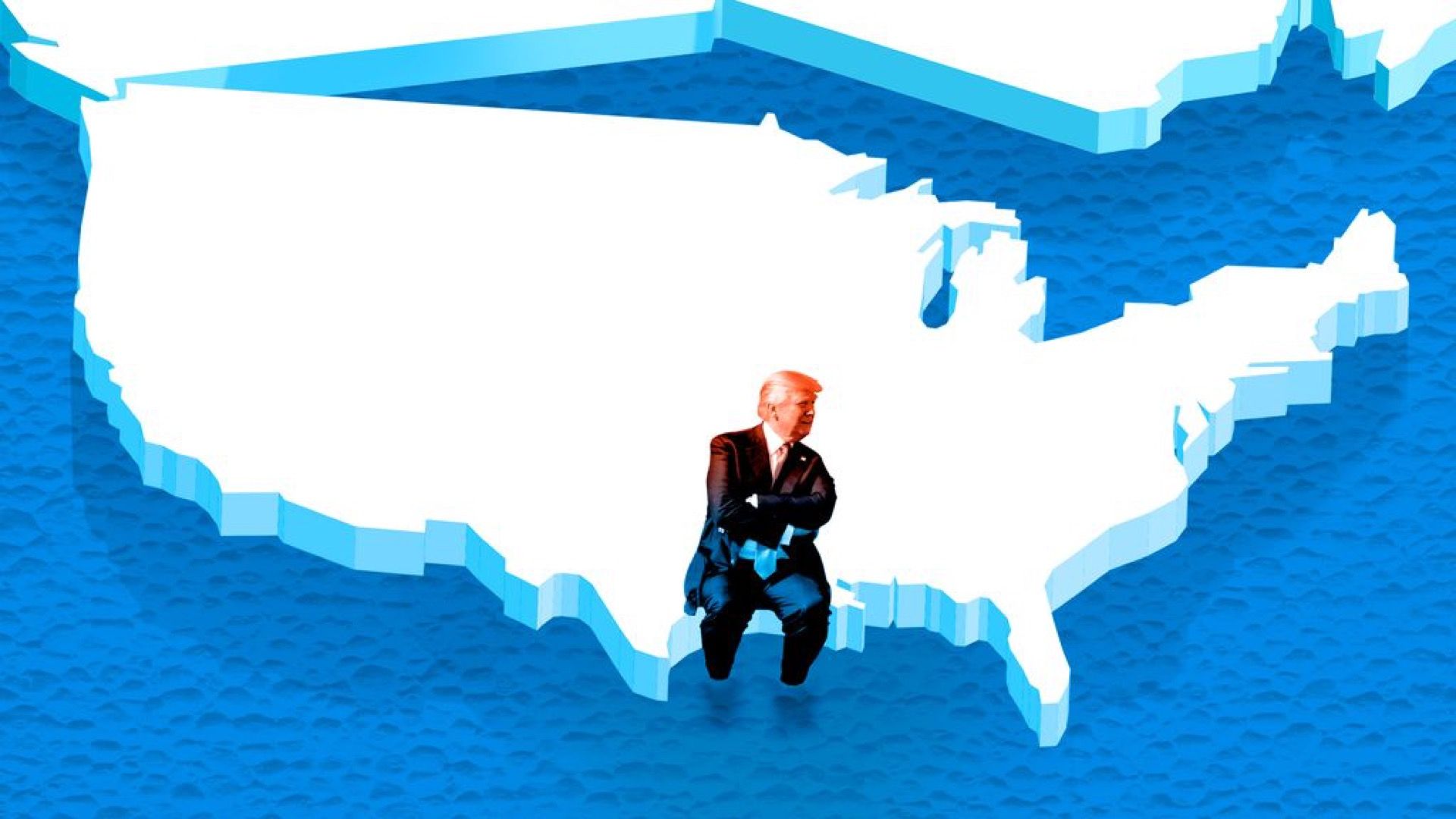
Next year's G7 summit is shaping up to be unusual — not only because the White House will host it at the Trump National Doral Miami resort, but also because acting White House chief of staff Mick Mulvaney told reporters Thursday that "climate change will not be on the agenda" at the June meeting.
Why it matters: Climate's absence from the discussions will mark a sharp break with G7 meetings dating back a decade, according to veterans of global climate diplomacy. It will occur in a state that's grappling with sea-level rise and threatened by Atlantic hurricanes that global warming is making more powerful.
The transportation industry is teetering between tried-and-true business models of the past and an alluring, but uncertain, future.
The big picture: The modernization of cars, trucks, planes and public transit could be one of the greatest reorderings of civilization since the dawn of the horseless carriage. But progress in the $1.5 trillion transportation industry is getting snagged on technological, regulatory and social issues.