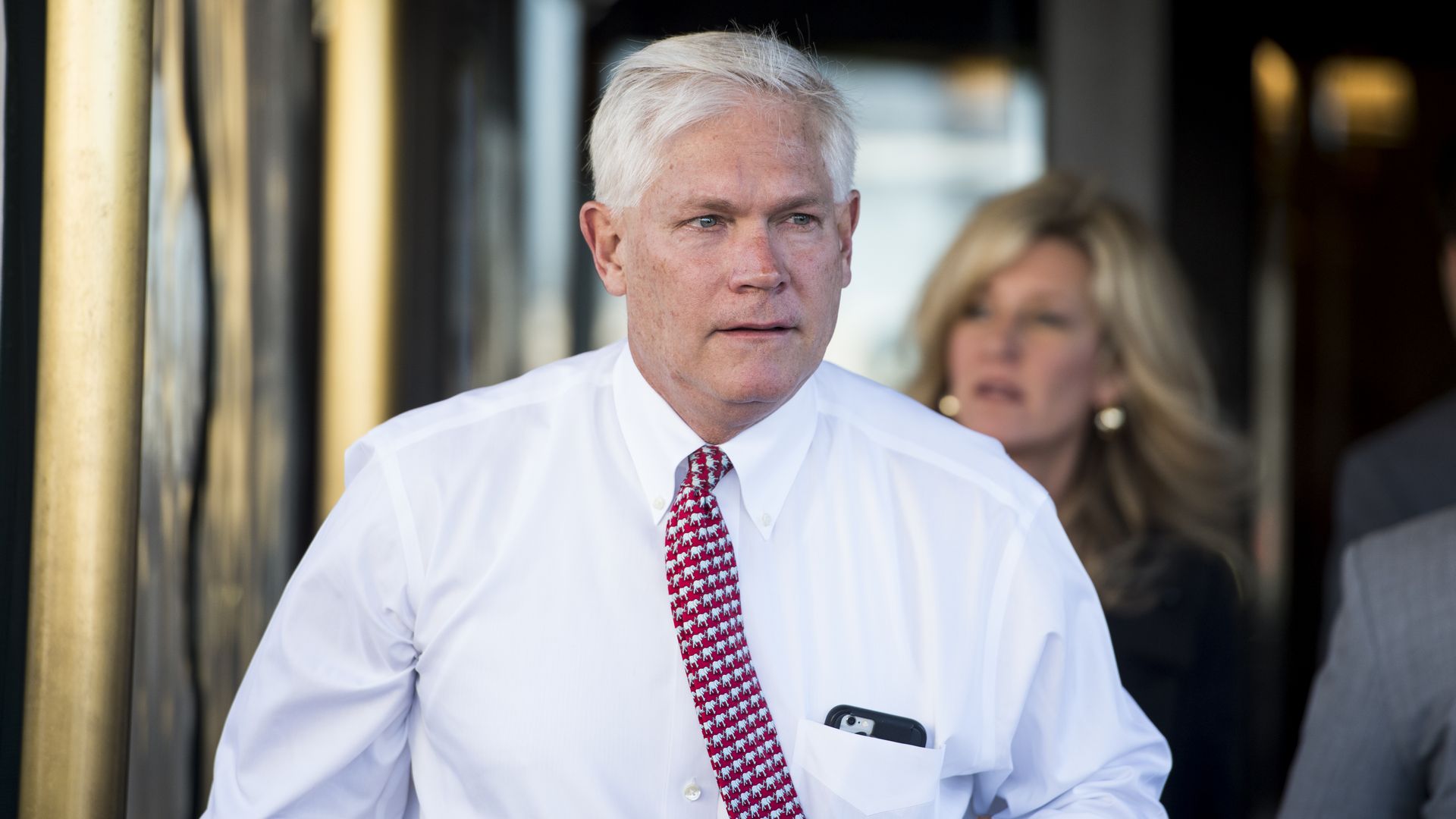
Former Rep. Pete Sessions (R-Texas) has been subpoenaed for documents related to federal prosecutors' investigation into Rudy Giuliani's business dealings with Ukraine, the Wall Street Journal reports.
Context: Two of Giuliani's business associates, Lev Parnas and Igor Fruman, were indicted last week for allegedly funneling foreign money into Republican campaigns. According to the indictment, the two men in the spring of 2018 "committed to raise $20,000 or more for a then-sitting U.S. congressman," believed to be Sessions.
At the request of President Trump, the USDA Forest Service is drafting a plan that would allow logging on over half of Alaska's Tongass National Forest, the Washington Post reports.
The big picture: The Trump administration has rolled back at least 85 environmental policies, per the NYT, with 32 others in progress. These efforts have at times been applied to policies that predate the Obama administration — in this case, the 2001 "roadless rule" dates back to the Clinton era, Axios' Amy Harder notes.
San Francisco startup Tortoise is working on (eventually) applying self-driving tech developed for autos to scooters and bikes. The goal: eliminate the need for human labor that rental companies now use to ferry vehicles around, redistributing them across a city or getting them charged.
The big picture: With "micromobility" potentially emerging as the next big wave of transportation, companies are looking to make scooters and other small vehicles as efficient and convenient as possible. Cutting labor costs and making sure vehicles are always nearby when a customer needs one is Tortoise's pitch.
A new International Energy Agency analysis looks at carbon emissions from the global growth in SUV sales and calls it "nothing short of surprising."
Why it matters: Wringing carbon out of transportation is vital to fighting climate change — and that's going to be harder if SUV sales keep growing fast.
The world is nowhere near reaching peak levels of energy consumption, judging by low income levels in some of the fastest-growing cities and countries around the globe, an International Monetary Fund panel indicated on Tuesday.
Driving the news: IMF researchers Christian Bogmans and Lama Kiyasseh found that once a nation’s average annual income reaches a certain level — $55,000 — the country hits what is called an energy saturation point, and thereafter, the growth of energy consumption begins to fall.
The Trump administration's resistance to addressing climate change is exacerbating the Department of Agriculture's mostly unsuccessful attempts to help farmers cope with extreme weather, Politico reports.
Why it matters: Farmers and ranchers are already reckoning with the impacts of climate change today in their businesses, making federal action (or inaction) on the issue especially relevant.
President Trump's personal attorney Rudy Giuliani told ABC News Tuesday that he will not comply with a subpoena from the House committees investigating Ukraine.
Context: The subpoena asked for documents related to allegations that Giuliani and members of the Trump administration, including the president himself, led a campaign to pressure the Ukrainian government to investigate Joe Biden. Giuliani told ABC that "if they enforce [the subpoena], then we will see what happens," and that he is no longer retaining the services of an attorney who he hired at the beginning of this month.
Why it matters: "The ability of governments to stabilize and then reduce their share of total EV spending will be a key test of the sustainability of the EV market in coming years," 2 analysts write in the Oct. 10 commentary.
The VC firm Clean Energy Ventures (CEV) announced Tuesday the close of a $110 million funding round aimed at backing a wide range of climate-friendly energy startups.
Why it matters: Managing director Daniel Goldman tells Axios that the drop-off in clean energy VC a decade ago hit early-stage investing especially hard.
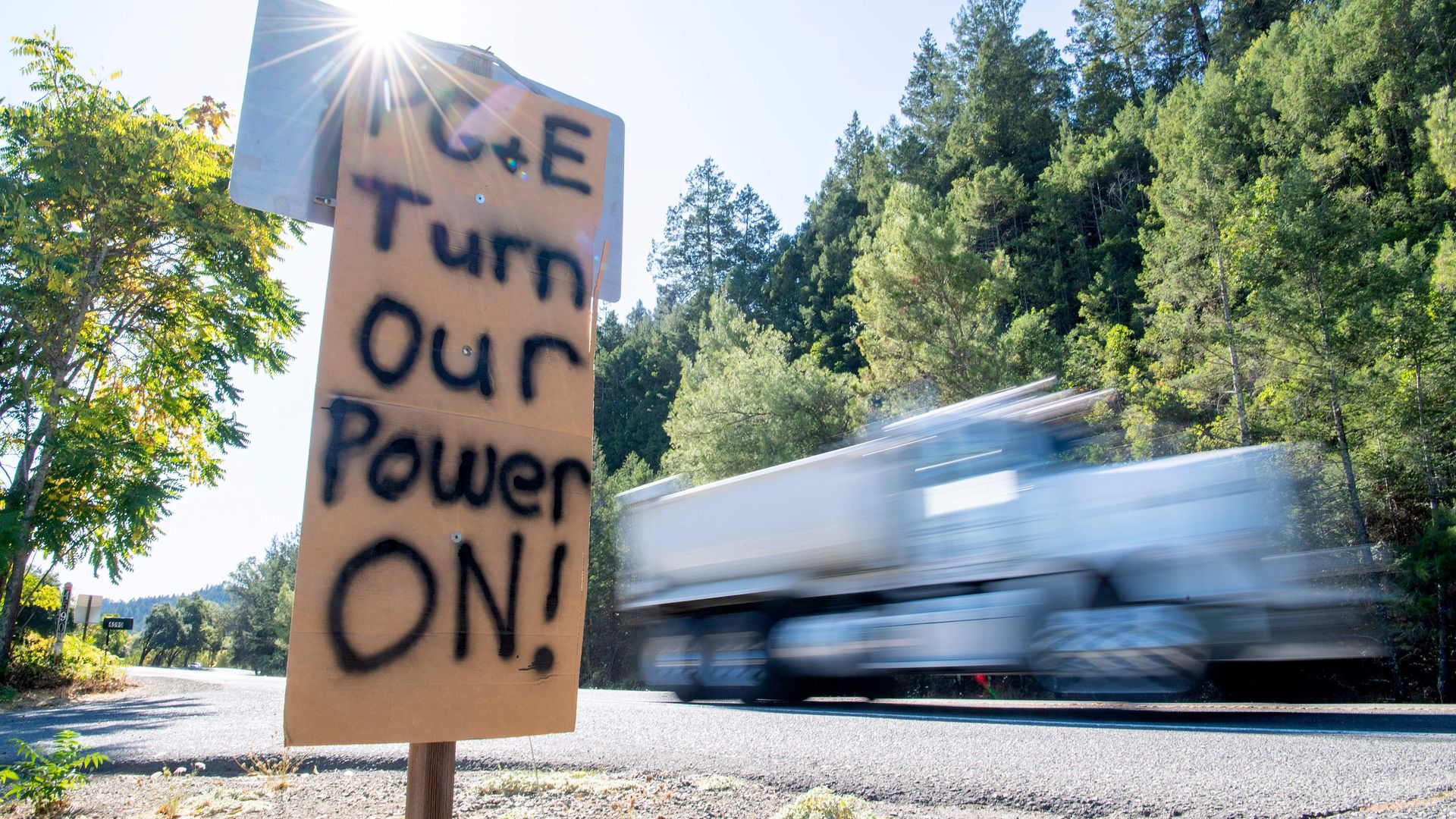
California regulators and the state's governor are not happy — at all — with how PG&E executed its power shutoffs last week aimed at preventing wildfires.
Why it matters: The pre-emptive shutdowns affected roughly 2 million people and show how power companies will need to confront risks heightened by climate change.
How much research and development big oil companies are putting into cleantech is one of the few concrete metrics to gauge the industry’s varying shifts toward cleaner energy.
Between the lines: Pinning that figure down is tricky because many companies don’t disclose and even those that do use definitions that vary widely for what constitutes cleaner energy or low-carbon.
Spoiler alert: When the Democratic candidates take the debate stage again tonight, they’ll all have the same opinions about Medicare for All as they had at the last debate.
Between the lines: The first three debates established the priorities and flashpoints within this crowded primary, but as the field slowly begins to narrow, Axios' subject-matter experts have come up with some questions that might help shake things up.