If you want evidence that new Saudi Oil Minister Abdulaziz bin Salman faces a challenging job heading OPEC's top producer, the International Energy Agency's latest outlook this morning isn't a bad place to start.
Why it matters: The Saudis want a tighter market and higher prices to support domestic spending. More broadly, the report signals the ongoing difficulty OPEC faces influencing the market despite the 3-year-old alliance with Russia
U.S.-based airlines are getting more fuel-efficient, but Americans are traveling more and erasing potential gains, according to a study out Thursday.
By the numbers: Fuel efficiency of airplanes has increased by 3% between 2016 and 2018, but the miles passengers have traveled increased 10%. Thus, fuel use and carbon dioxide emissions rose by 7%, according to the report by the International Council on Clean Transportation (ICCT), a nonprofit environmental group.
California's embrace of new rules covering gig-economy employers like Uber and Lyft is only the latest example of the state's willingness to regulate business faster and farther than the federal government.
Why it matters: California is the most populous and richest state and home to 3 of the 5 biggest U.S. tech companies, so its laws often become models for other states' rules — and even de facto national standards.
The Trump administration will not grant Hurricane Dorian refugees from the Bahamas temporary protected status (the same program applied to the victims of Haiti's 2010 earthquake), officials told NBC News and CNN this week.
The big picture: Temporary protected status would only be applicable to those in the U.S. at the time of designation. As of Monday, 1,500 Bahamians have come to the U.S. after being displaced by Dorian, with at least 3,500 people evacuated from the islands and the death toll currently standing at 50. The Department of Homeland Security said this week that displaced Bahamians traveling to the U.S. must have a valid passport and travel visa.
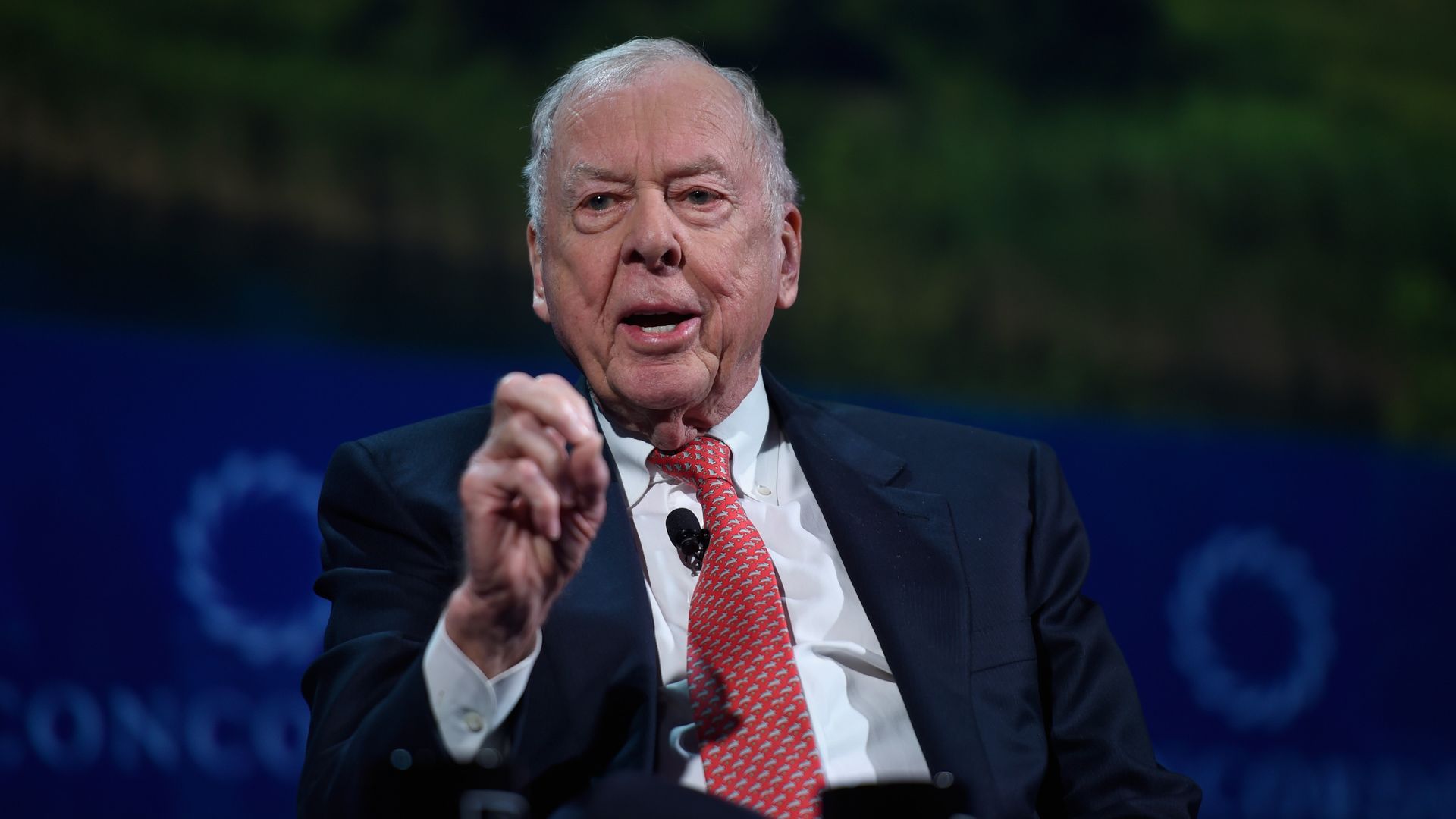
T. Boone Pickens, who made billions investing in oil and gas, died Wednesday of natural causes at age 91, the Dallas Morning News reports.
Where it stands: "Pickens wasn't a billionaire when he died, with his last reported net worth standing at a mere $500 million. That's because he'd given away more than $1 billion to philanthropic and educational causes."
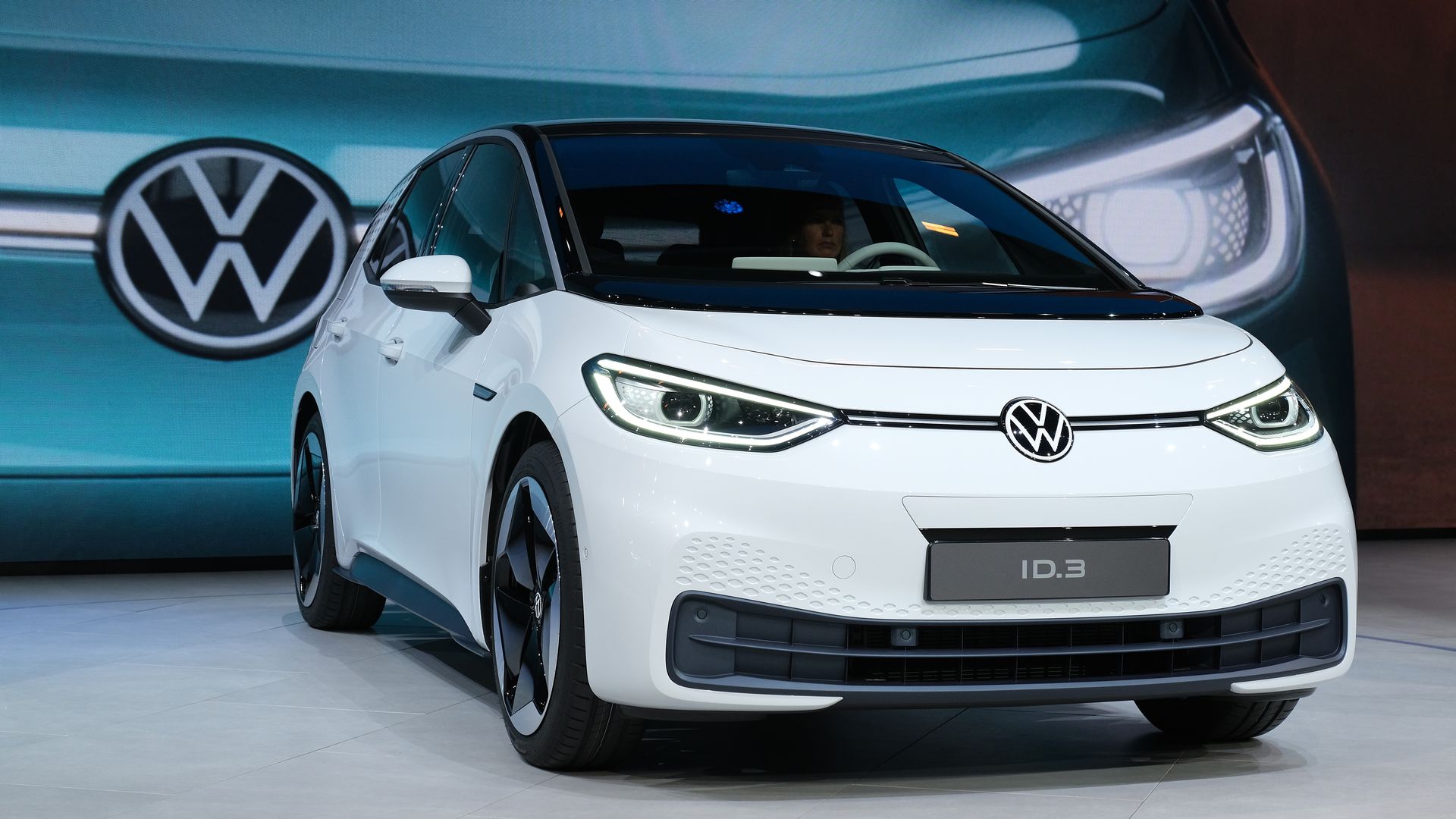
The long-promised electric car revolution is finally getting underway this week at the Frankfurt auto show, but a host of industry challenges — both economic and technological — "threaten to wipe out profits and shake it to the core," writes Forbes.
Why it matters: Carmakers warned that trade tensions risk dragging the global economy into a recession, according to Bloomberg, casting a pall over the event, one of the industry's most important showcases for future technologies. This is not the way you want to launch some of the most important vehicles in decades.
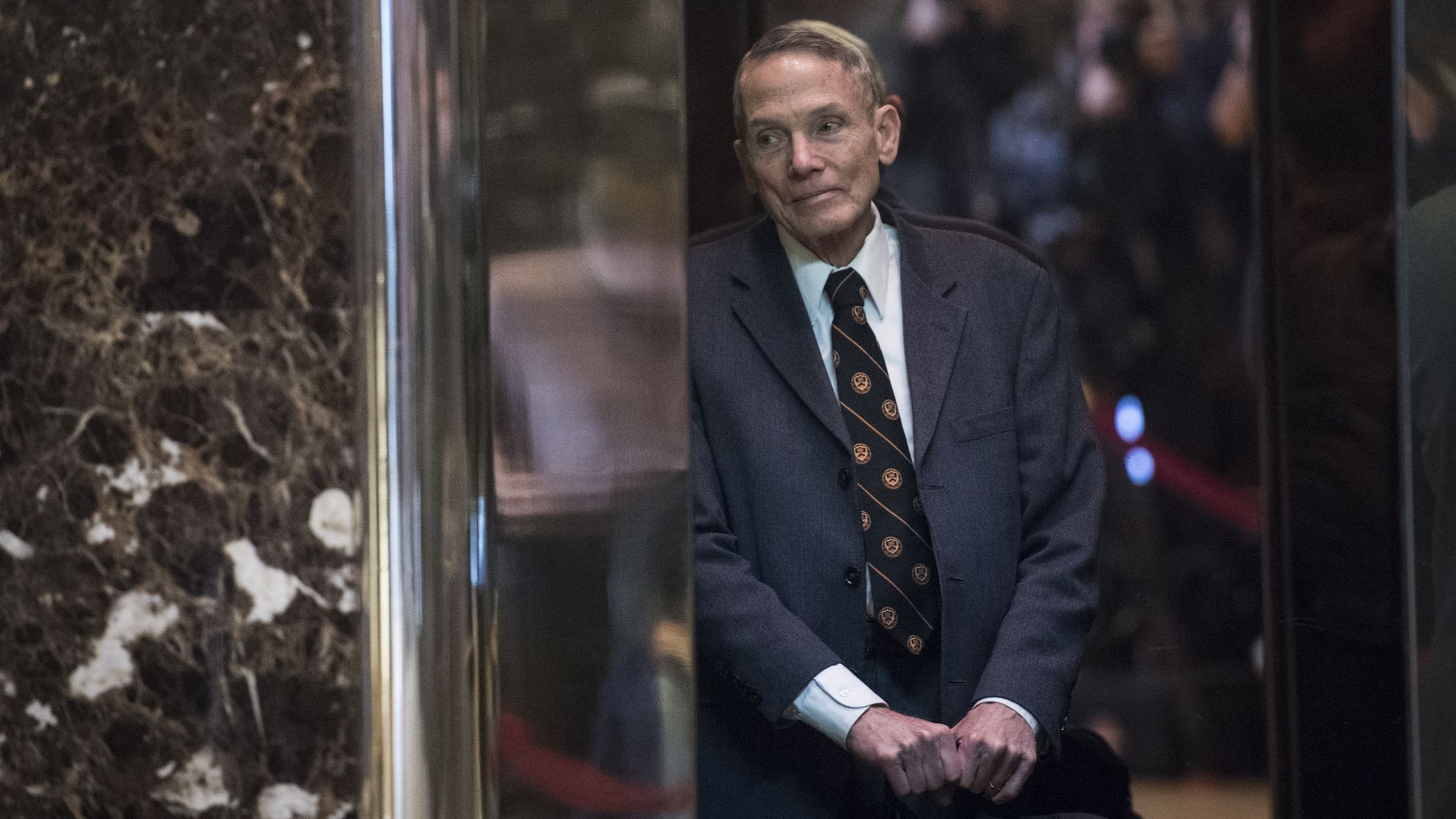
One of the Trump administration's fiercest climate skeptics William Happer is leaving his position on the White House National Security Council on Friday, according to E&E News.
Why it matters: Happer's resignation comes after he failed to encourage the White House to challenge the government's official description of climate change as a national security threat. He was one of the White House's strongest voices against climate science, per E&E News.
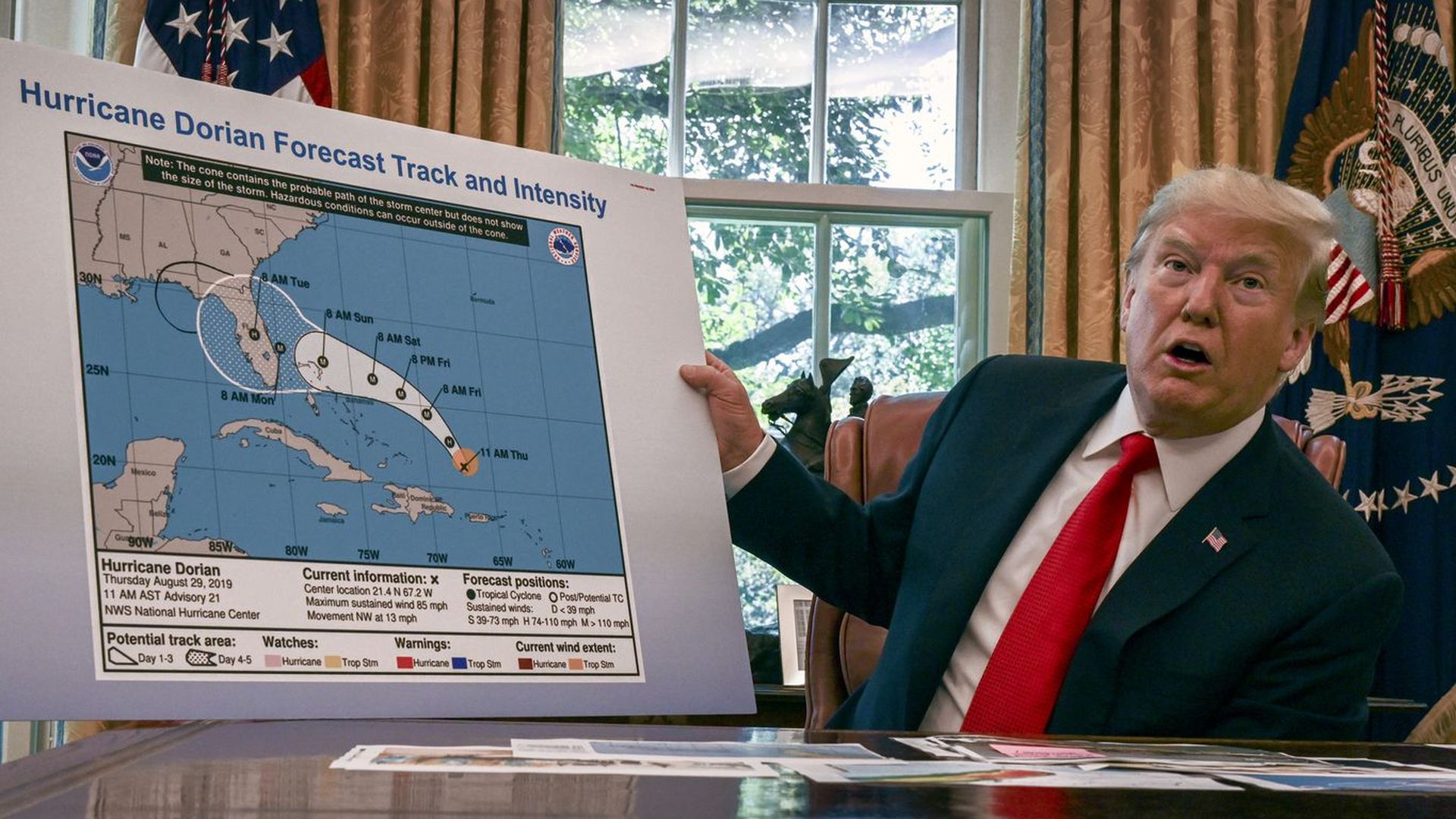
NOAA acting administrator Neil Jacobs on Tuesday both defended the Trump administration and thanked forecasters who contradicted the president’s claims about Hurricane Dorian threatening Alabama, AP and the Washington Post report.
Why it matters: Per AP, meteorologists have been concerned that NOAA had risked the credibility of the U.S. weather and science agency, and perhaps even lives, by issuing an unsigned statement Friday supporting President Trump's claim, after the National Weather Service's Birmingham office tweeted that Alabama would not be impacted.