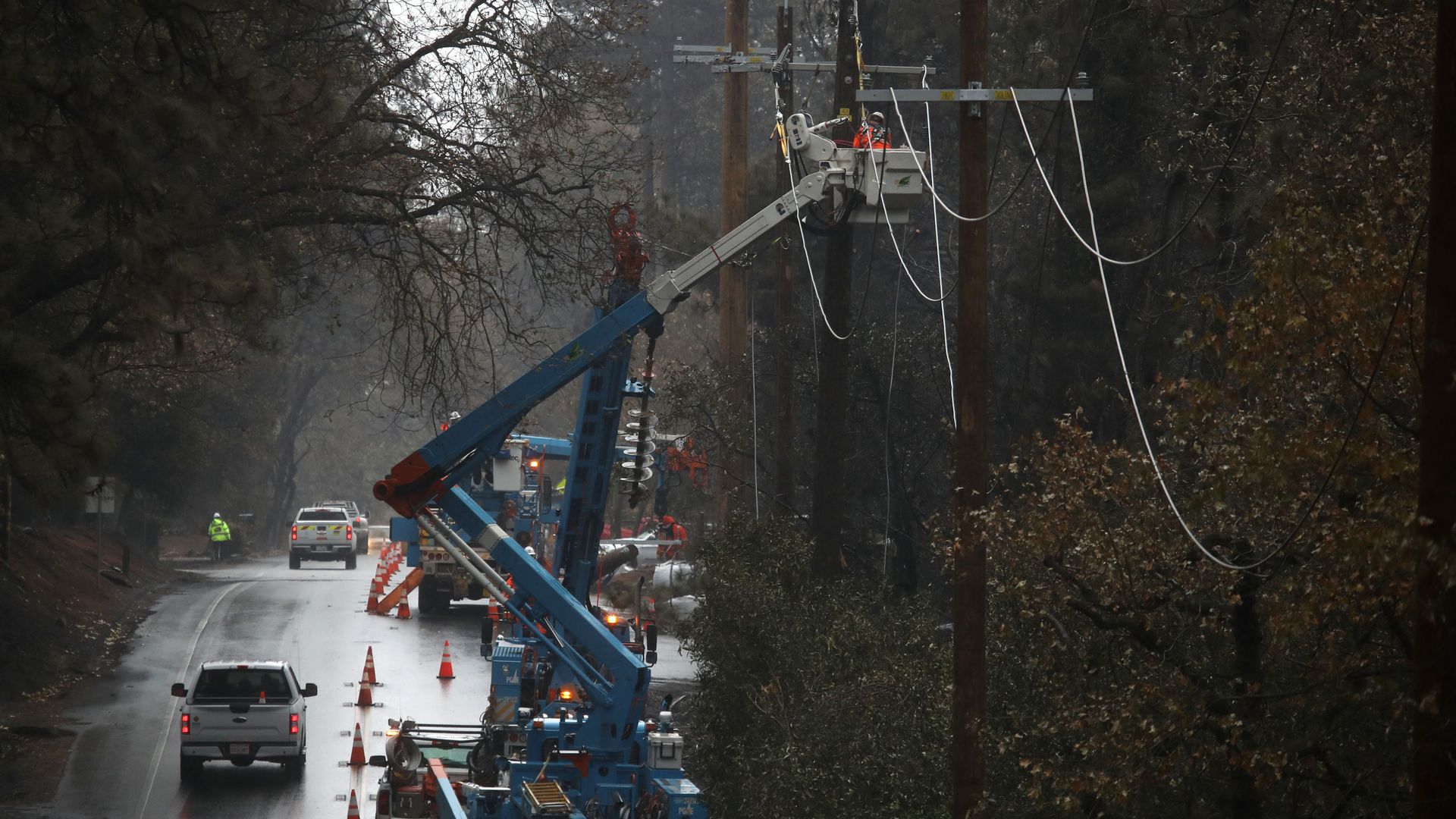
California utility company PG&E announced Friday it has reached an $11 billion settlement with a group of insurers for its role in deadly 2018 wildfires.
Why it matters: PG&E faired well considering insurers were initially seeking $20 billion to pay for the cost of claims, says the Financial Times. The current settlement will cover 85% of claims.
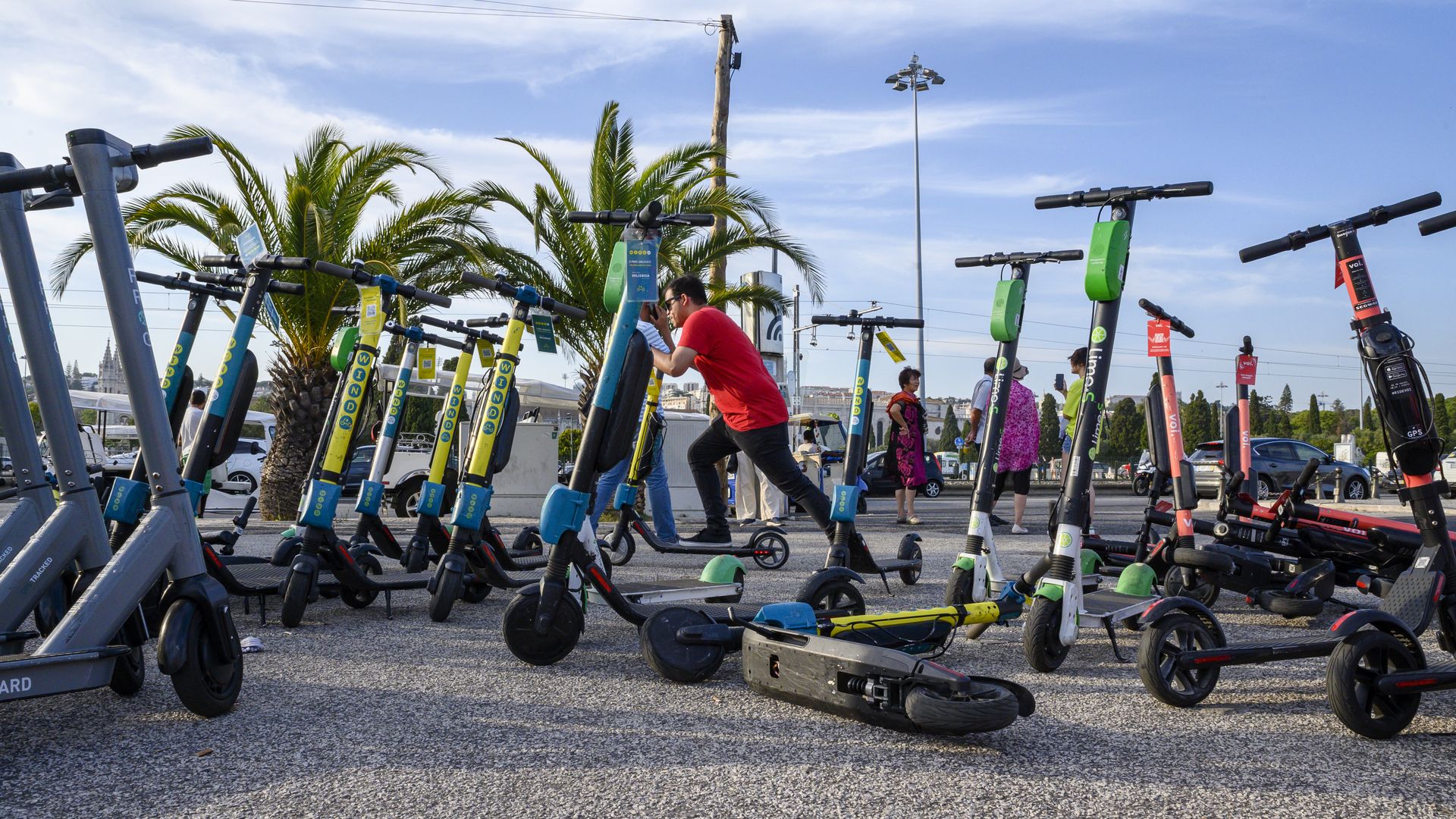
The big picture: Cities, especially those in the first wave to receive e-scooters, have been hamstrung in responding to unsanctioned, unregulated rollouts that call to mind Uber's playbook.
The third Democratic primary debate in Houston had little discussion of climate change and energy, but still lent itself to some hot takes.
The big picture: Climate is stitched into the fabric of 2020 now. Beyond the whopping 5 minutes or so of direct discussion, many candidates wove climate into their mini-stump speeches and answers on other topics.
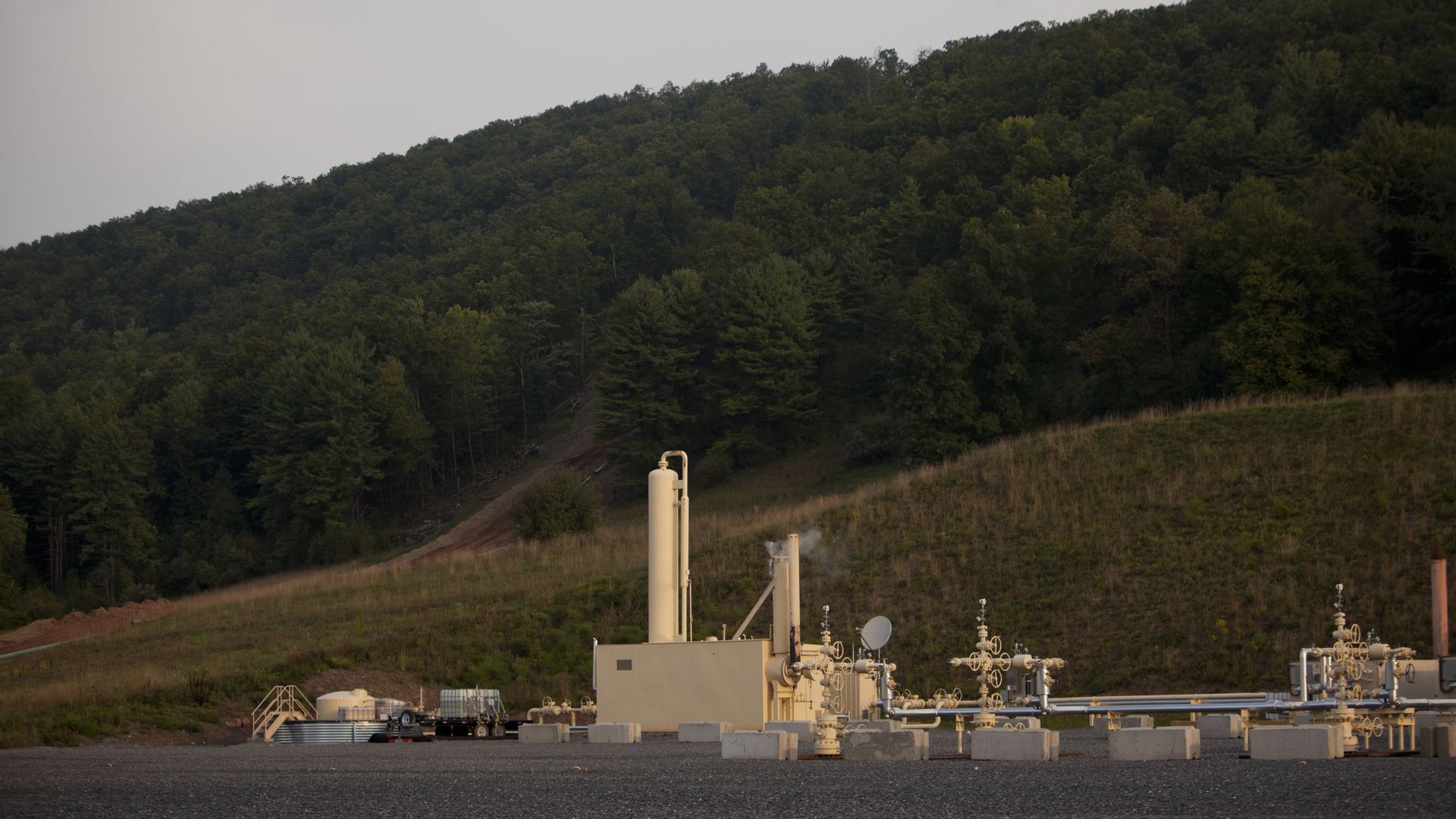
The proposal by the Environmental Protection Agency (EPA) to roll back regulations on methane emissions not only poses environmental risks, but also jeopardizes new leak-detection technologies that could create high-paying jobs nationwide.
Why it matters: Reducing emissions of methane — a greenhouse gas with a global warming potential up to 34 times that of carbon dioxide over 100 years — is critical to maintaining the emissions advantages of natural gas over coal, especially as U.S. exports of liquefied natural gas (LNG) grow.
If you want evidence that new Saudi Oil Minister Abdulaziz bin Salman faces a challenging job heading OPEC's top producer, the International Energy Agency's latest outlook this morning isn't a bad place to start.
Why it matters: The Saudis want a tighter market and higher prices to support domestic spending. More broadly, the report signals the ongoing difficulty OPEC faces influencing the market despite the 3-year-old alliance with Russia
U.S.-based airlines are getting more fuel-efficient, but Americans are traveling more and erasing potential gains, according to a study out Thursday.
By the numbers: Fuel efficiency of airplanes has increased by 3% between 2016 and 2018, but the miles passengers have traveled increased 10%. Thus, fuel use and carbon dioxide emissions rose by 7%, according to the report by the International Council on Clean Transportation (ICCT), a nonprofit environmental group.
California's embrace of new rules covering gig-economy employers like Uber and Lyft is only the latest example of the state's willingness to regulate business faster and farther than the federal government.
Why it matters: California is the most populous and richest state and home to 3 of the 5 biggest U.S. tech companies, so its laws often become models for other states' rules — and even de facto national standards.