Brazil's Amazon rainforest is facing rapid deforestation under far-right President Jair Bolsonaro, the New York Times reports.
Why it matters: The Amazon, the largest and most biodiverse rainforest on the planet, plays an essential part in slowing global warming. The seas of greenery absorb and store carbon dioxide, preventing the gas from overwhelming our atmosphere. But when trees are plowed, carbon has nowhere to go, risking further increases in global temperatures.
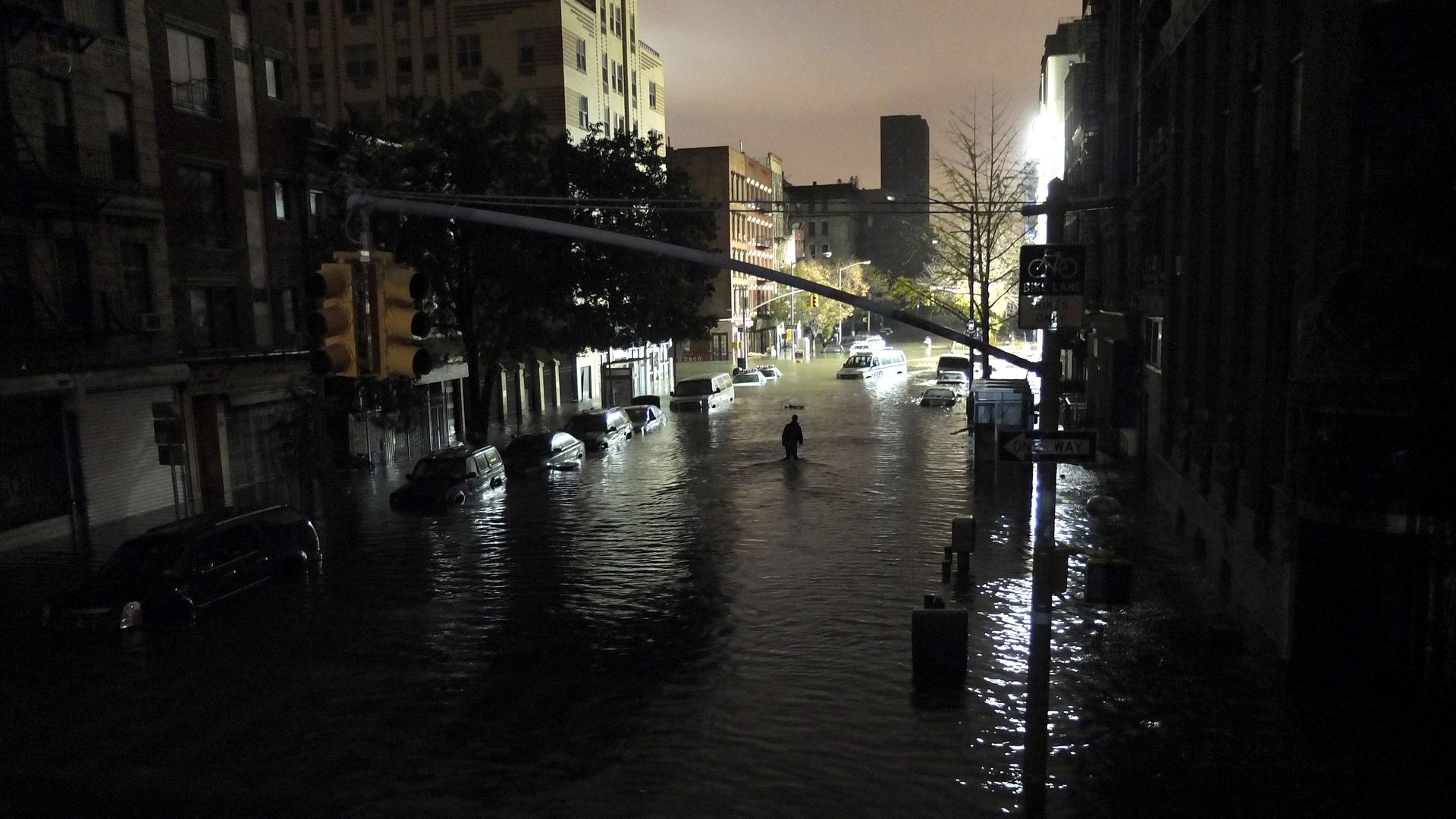
Scientists for decades have warned of the time when climate change would begin to change our daily lives. We're now entering that moment.
The big picture: The Fed, corporate executives, college students, retailers and politicians are all coming to grips with this seminal challenge. We as a species are now living with this problem like never before.
Young people and Big Oil executives will join world leaders in September for the most high-profile summit on climate change since the 2015 UN conference that led to the Paris Agreement.
Why it matters: The New York event is aimed at encouraging countries to increase their pledges to the Paris deal, in the face of rising global carbon emissions, falling investment in renewable energy and an American president who denies there’s a problem at all.
Global warming has burst into national politics as major Democratic 2020 hopefuls release aggressive plans and the party's voters prioritize the topic.
Where it stands: Several polls show climate change has broken through. This month, a CBS News survey found 78% of Democratic voters in early primary states call the topic "very important," putting it behind only health care.
It's faster, cheaper and easier to buy everything online than it was just 5 years ago, and consumers have more and more options. But there's a cost.
The big picture: The trends driving retail — speedy delivery, zero shipping fees and fast fashion — are harming the environment. And there's little incentive for big companies to consider their impact.
While newspapers are teaming up to double down on their climate change coverage, broadcasters are focusing on covering the byproducts of climate change — natural disasters and extreme weather.
Why it matters: Climate change tends to be a ratings killer for television, because it can be abstract and complicated to explain in short, visual bites. But as the economic and political debate around the topic increases, media experts will be looking at the ways television outlets cover the issue, as television is still the most common place for Americans to get their news.
When the subject of the world's most lucrative future industries arises, the business and financial worlds usually speak of coming bonanzas in AI, robots, the internet of things, 5G and driverless cars. What goes all but unmentioned is a nearer-term play that rivals them in scale — the utterly embryonic business of extreme weather.
What's happening: Over the next 5 years, existing global companies estimate that they will earn more than $2.1 trillion in revenue from services such as financing, building and hardening resilient infrastructure, according to a groundbreaking survey.