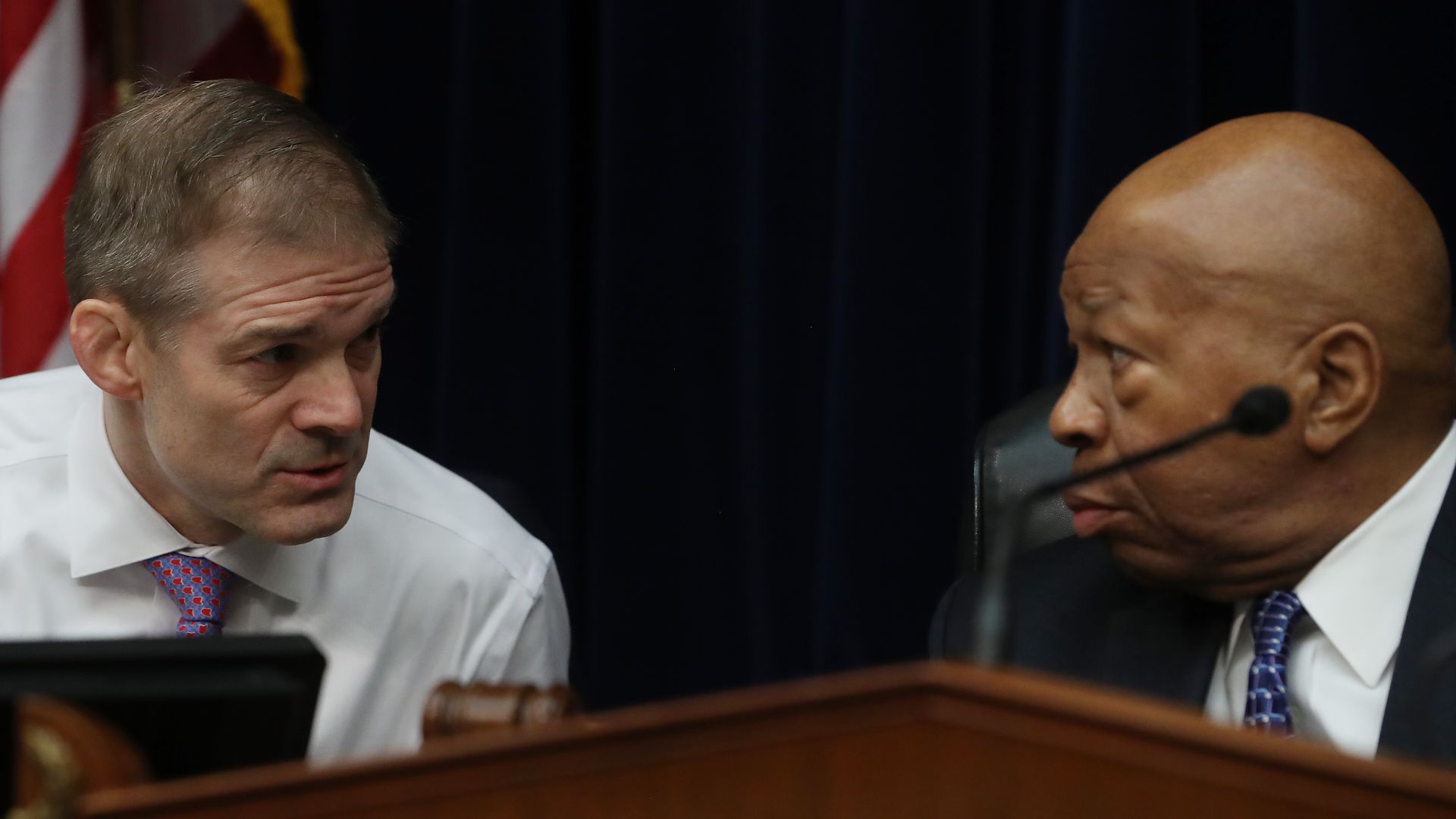
Chairman of the House Oversight Committee Elijah Cummings (D-Md.) is preparing to issue a subpoena on Monday for all of President Trump's financial records from Mazars USA, according to a memo released Friday, per Politico.
Details: Mazars, the accounting firm, asked Cummings for a "friendly" subpoena, Politico reports. Cummings wrote that the subpoena is a result of Trump's lawyer Michael Cohen's testimonies that Trump "altered the estimated value of his assets and liabilities on financial statements." Cummings also noted Rep. Jim Jordan's (R-OH) "troubling actions," by sending Mazar a letter telling the company not to comply with the committee's request.
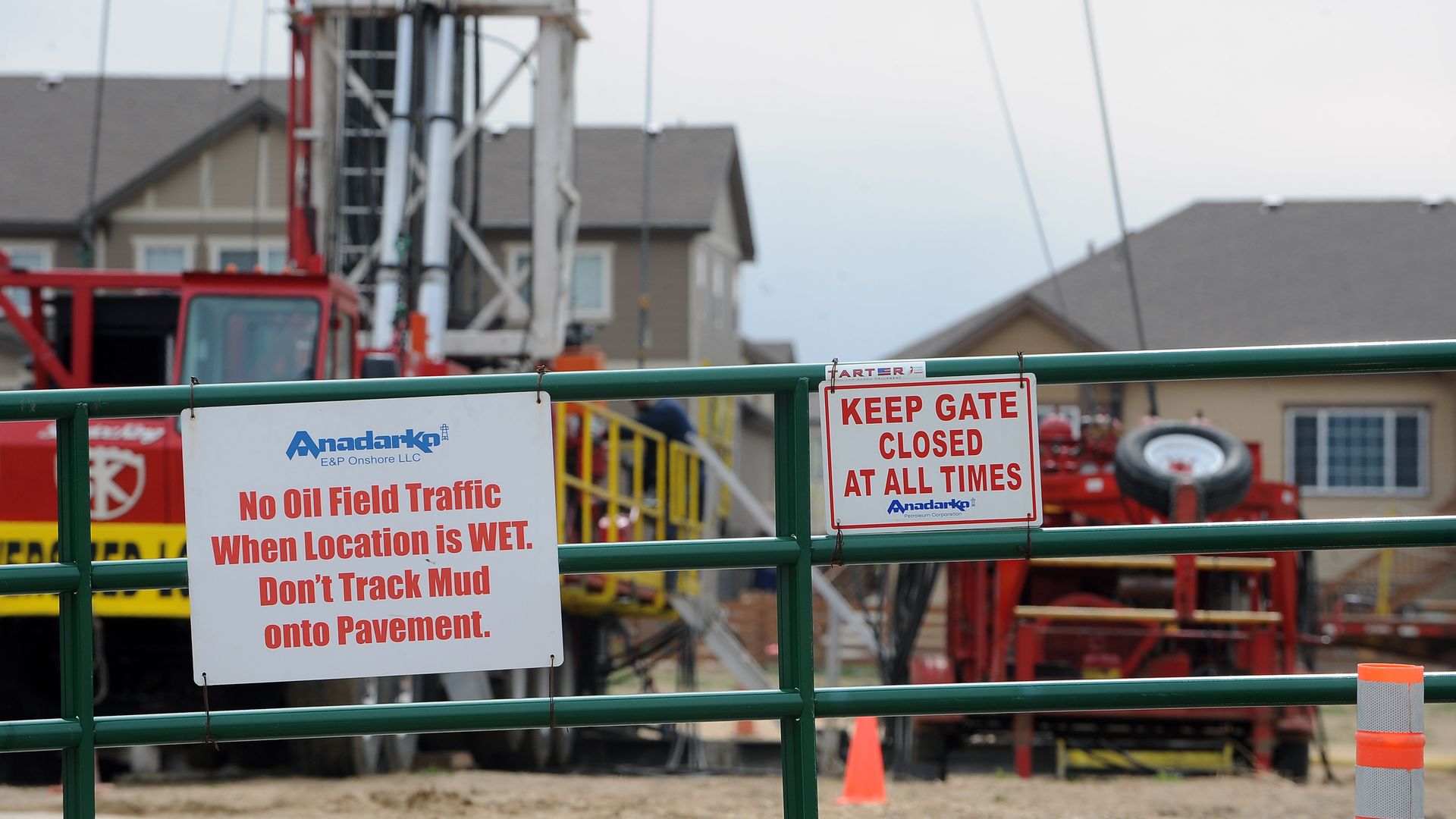
Oil-and-gas giant Chevron Corp. said Friday that it has agreed to acquire the big independent player Anadarko Petroleum Corp. in a $33 billion cash and stock deal.
Why it matters: Chevron, the second-largest U.S.-based multinational oil company, said the move would bolster its position in key domestic fields — notably the surging Permian Basin region of Texas and New Mexico, which produces over 4 million barrels of oil per day.
A ferocious and sprawling spring storm is dumping heavy snowfall on the central U.S., leading to paralyzing blizzard conditions from northeastern Colorado into extreme southwestern Minnesota.
Why it matters: This is the second intense, large storm to strike the central U.S. in a month. The first one, which qualified as a bomb cyclone due to its rapid intensification, led to at least $4 billion in damage, mainly from widespread flooding. One major concern centers on what happens after the storm abates, as the new snow cover will melt in an already flood-ravaged region.
The relationship between tech giants, energy and climate is pretty complicated, and 2 new developments offer fresh examples of why.
Driving the news: This morning Apple announced a huge expansion in the number of suppliers who will meet the energy needs for their Apple-related production with renewables.
Three Democratic senators leading the charge on climate change are throwing cold water on an idea some left-leaning presidential hopefuls are backing to eliminate a legislative rule requiring at least 60 out of 100 votes in the Senate to pass most major bills.
Why it matters: Eliminating the rule at issue — the filibuster — would empower political parties controlling the Senate to push through big policy, such as measures on climate change, more easily over the objection of the party not in control.
The No Oil Producing and Exporting Cartels Act (NOPEC) — previously introduced during both the Bush and Obama administrations — remains relatively under the radar, but could rattle global oil markets.
The big picture: The bill aims to weaken the Organization of the Petroleum Exporting Countries (OPEC) by removing sovereign immunity from states that cooperate to influence oil production, thereby allowing for antitrust action. If enacted and enforced, it could trigger oil price fluctuations, market instability and new risks to U.S. foreign relations.