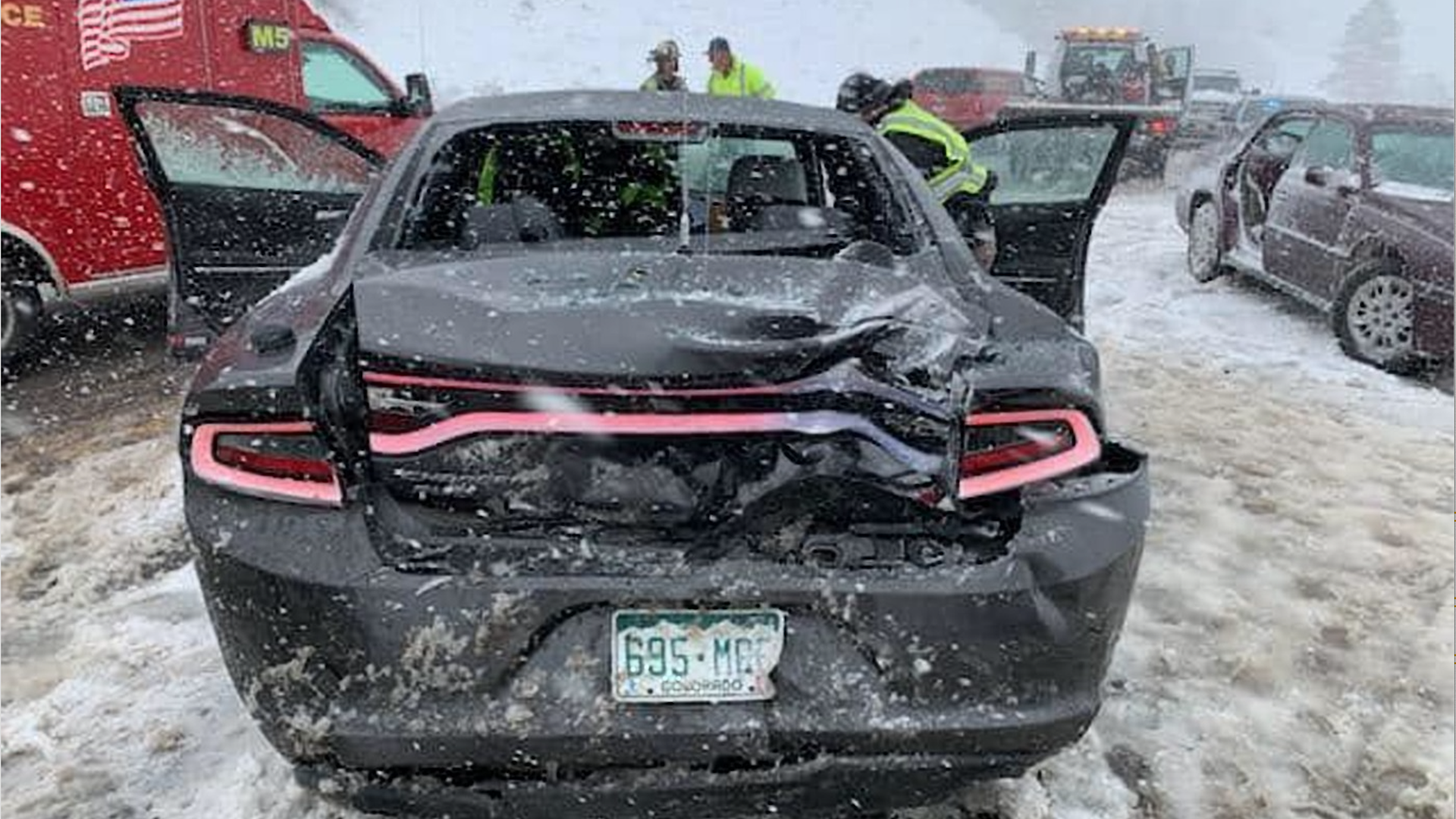
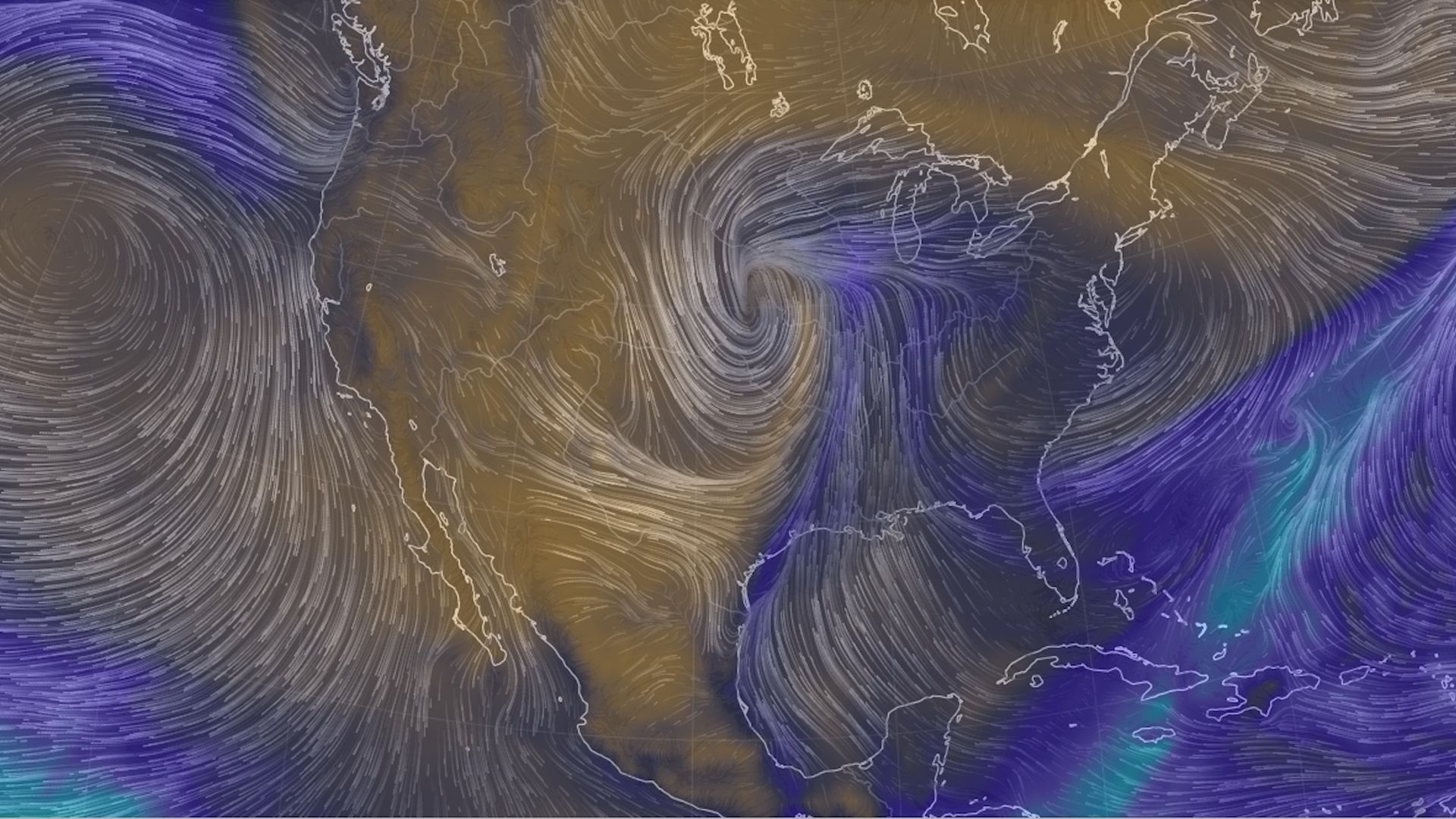
A ferocious and sprawling spring storm is dumping heavy snowfall on the central U.S., leading to paralyzing blizzard conditions from northeastern Colorado into extreme southwestern Minnesota.
Why it matters: This is the second intense, large storm to strike the central U.S. in a month. The first one, which qualified as a bomb cyclone due to its rapid intensification, led to at least $4 billion in damage, mainly from widespread flooding. One major concern centers on what happens after the storm abates, as the new snow cover will melt in an already flood-ravaged region.
The relationship between tech giants, energy and climate is pretty complicated, and 2 new developments offer fresh examples of why.
Driving the news: This morning Apple announced a huge expansion in the number of suppliers who will meet the energy needs for their Apple-related production with renewables.
Three Democratic senators leading the charge on climate change are throwing cold water on an idea some left-leaning presidential hopefuls are backing to eliminate a legislative rule requiring at least 60 out of 100 votes in the Senate to pass most major bills.
Why it matters: Eliminating the rule at issue — the filibuster — would empower political parties controlling the Senate to push through big policy, such as measures on climate change, more easily over the objection of the party not in control.
The No Oil Producing and Exporting Cartels Act (NOPEC) — previously introduced during both the Bush and Obama administrations — remains relatively under the radar, but could rattle global oil markets.
The big picture: The bill aims to weaken the Organization of the Petroleum Exporting Countries (OPEC) by removing sovereign immunity from states that cooperate to influence oil production, thereby allowing for antitrust action. If enacted and enforced, it could trigger oil price fluctuations, market instability and new risks to U.S. foreign relations.
A rapidly intensifying storm is sending temperatures plummeting by more than 40°F across the western and central Plains on Wednesday, spawning an April blizzard that could dump more than 2 feet of snow in some areas.
Why it matters: This storm will paralyze a huge area of real estate and potentially set up beleaguered states such as Nebraska, Iowa, Minnesota and Wisconsin, among others, for more flooding in coming days. It could also set records for snowfall — with the potential for as much as 30 or more inches in parts of the Midwest — and for the lowest atmospheric pressure reading observed during the month of April in particular states.
If carmakers have any hope of making money on electric vehicles, they'll need to re-think how they design and sell them, a new McKinsey study suggests.
Why it matters:Automakers will pour $255 billion into EVs by 2023 but are resigned to losing money on them for the foreseeable future — an expected outcome of a market dictated by regulators and lawmakers, rather than consumers. But because they're key to future self-driving cars, they'll keep investing in them.
A Democratic Senate duo is introducing legislation today taxing carbon emissions, in the shadow of the largely symbolic but far higher profile debate about the Green New Deal.
The big picture: The bill, sponsored by Sens. Sheldon Whitehouse of Rhode Island and Brian Schatz of Hawaii, is the latest in a series of broad bills springing up in Congress after a near decade of mostly inaction on comprehensive climate policy.