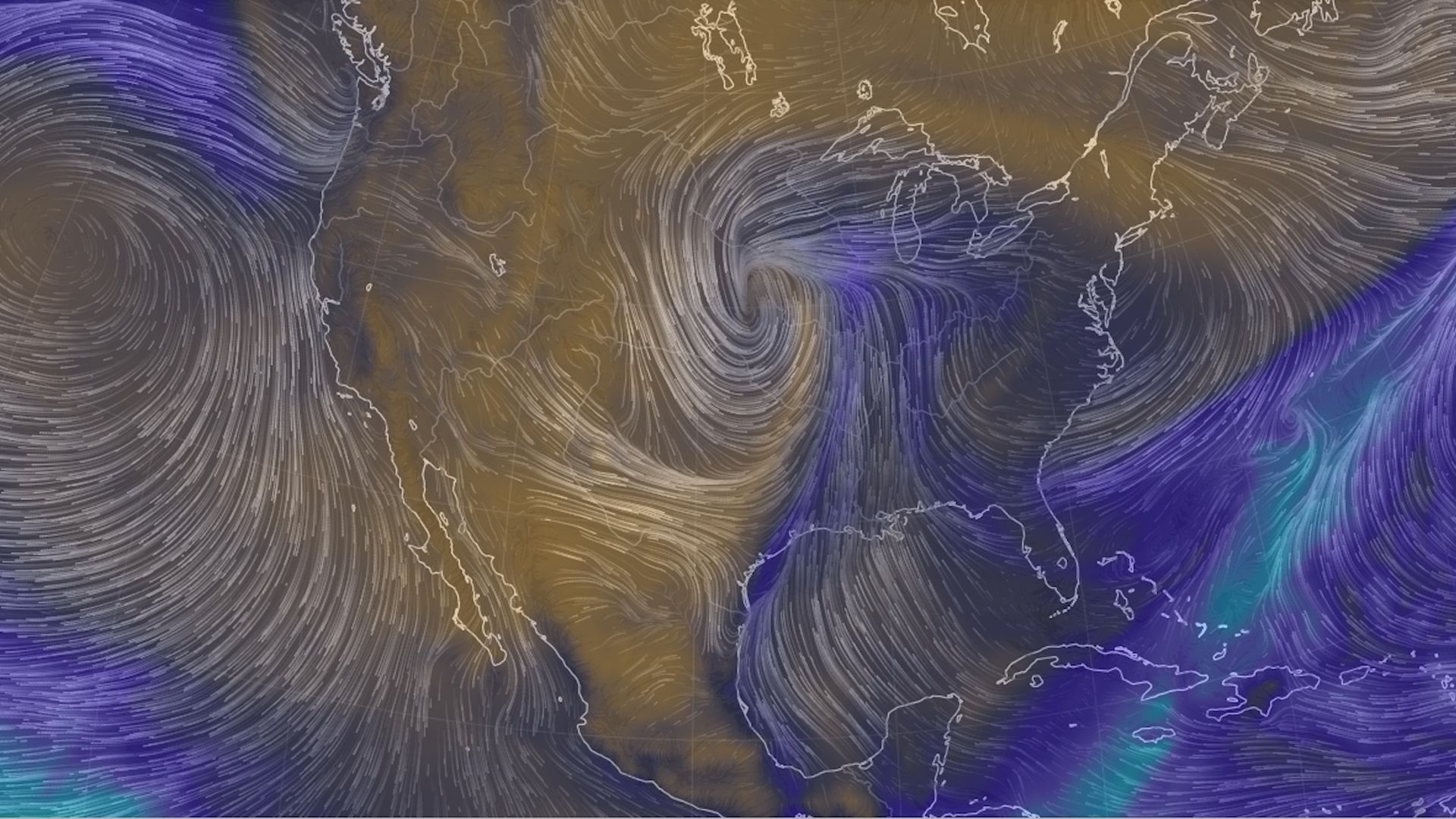
A rapidly intensifying storm is sending temperatures plummeting by more than 40°F across the western and central Plains on Wednesday, spawning an April blizzard that could dump more than 2 feet of snow in some areas.
Why it matters: This storm will paralyze a huge area of real estate and potentially set up beleaguered states such as Nebraska, Iowa, Minnesota and Wisconsin, among others, for more flooding in coming days. It could also set records for snowfall — with the potential for as much as 30 or more inches in parts of the Midwest — and for the lowest atmospheric pressure reading observed during the month of April in particular states.
If carmakers have any hope of making money on electric vehicles, they'll need to re-think how they design and sell them, a new McKinsey study suggests.
Why it matters:Automakers will pour $255 billion into EVs by 2023 but are resigned to losing money on them for the foreseeable future — an expected outcome of a market dictated by regulators and lawmakers, rather than consumers. But because they're key to future self-driving cars, they'll keep investing in them.
A Democratic Senate duo is introducing legislation today taxing carbon emissions, in the shadow of the largely symbolic but far higher profile debate about the Green New Deal.
The big picture: The bill, sponsored by Sens. Sheldon Whitehouse of Rhode Island and Brian Schatz of Hawaii, is the latest in a series of broad bills springing up in Congress after a near decade of mostly inaction on comprehensive climate policy.
President Trump plans to issue executive orders on Wednesday aimed at easing domestic natural gas transport and avoiding the kind of lengthy battles over cross-border energy projects that ensnared the Keystone XL oil pipeline.
Why it matters: The 2 orders show how the White House is trying to make fuller use of executive powers to speed up permitting and approvals of projects, including natural gas pipelines facing state-level opposition. But the plans are sure to create opposition from environmentalist who fear that Trump is trying to run roughshod over ecological protections and analyses.
A new study concludes that rising temperatures have trimmed rural-to-urban migration within very poor nations while slightly increasing it in middle-income countries.
Why it matters: The analysis, released via the National Bureau of Economic Research, provides a deeper understanding about how warming has already begun affecting human movement — and will in the future.
The International Monetary Fund's annual World Economic Outlook has a section that nicely tells the story of why wind and solar power are growing so fast in power markets.
What they found: The chart above shows calculations of levelized cost of electricity from different forms of zero-carbon power. That's basically an all-in comparison of the costs of building, running, supplying and maintaining facilities over time.
By the numbers: "Between 2009 and 2017, prices of solar photovoltaics and onshore wind turbines fell most rapidly, dropping by 76 percent and 34 percent, respectively — making these energy sources competitive alternatives to fossil fuels and more traditional low-carbon sources," IMF notes.
The data is in a wider section about the prices of equipment and machinery.
The big picture: Today renewables account for about 25% of global power generation, according to IEA.
Hydropower has the largest share, but cost declines are helping wind and solar gain ground, with solar overtaking hydro in about a decade in their central case.

A fascinating battle is flaring over the International Energy Agency's multi-decade projections of changes in the global energy mix.
Why it matters: There's a metaphysical question at the core of it — whether IEA's closely watched reports reflect policy and investment trends, or shape them.