A new study concludes that rising temperatures have trimmed rural-to-urban migration within very poor nations while slightly increasing it in middle-income countries.
Why it matters: The analysis, released via the National Bureau of Economic Research, provides a deeper understanding about how warming has already begun affecting human movement — and will in the future.
The International Monetary Fund's annual World Economic Outlook has a section that nicely tells the story of why wind and solar power are growing so fast in power markets.
What they found: The chart above shows calculations of levelized cost of electricity from different forms of zero-carbon power. That's basically an all-in comparison of the costs of building, running, supplying and maintaining facilities over time.
By the numbers: "Between 2009 and 2017, prices of solar photovoltaics and onshore wind turbines fell most rapidly, dropping by 76 percent and 34 percent, respectively — making these energy sources competitive alternatives to fossil fuels and more traditional low-carbon sources," IMF notes.
The data is in a wider section about the prices of equipment and machinery.
The big picture: Today renewables account for about 25% of global power generation, according to IEA.
Hydropower has the largest share, but cost declines are helping wind and solar gain ground, with solar overtaking hydro in about a decade in their central case.

A fascinating battle is flaring over the International Energy Agency's multi-decade projections of changes in the global energy mix.
Why it matters: There's a metaphysical question at the core of it — whether IEA's closely watched reports reflect policy and investment trends, or shape them.
"Political Climate," a podcast that tracks the politics and substance of global warming policy, has new partners and wider ambitions.
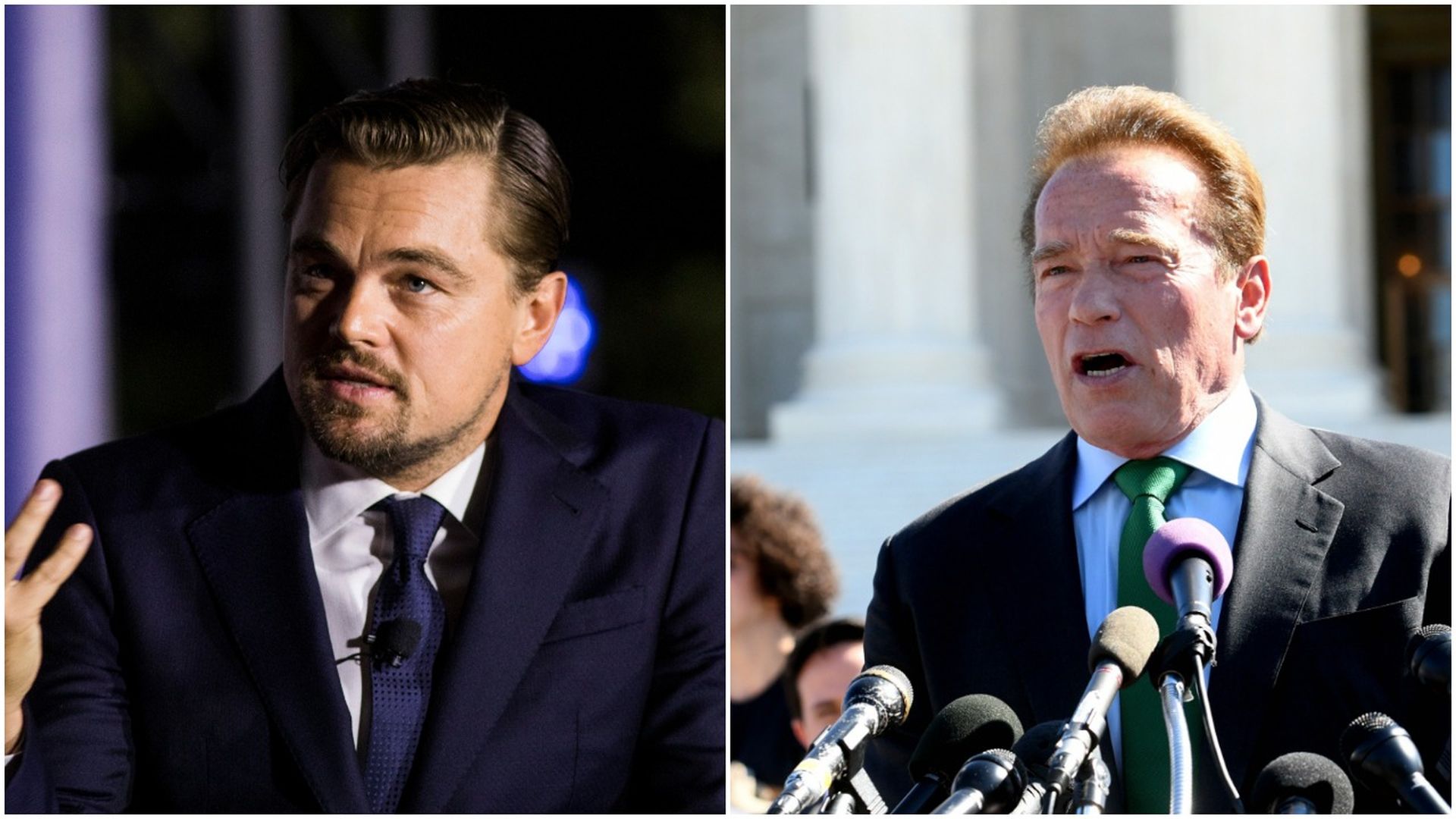
What's new: It's now backed by the USC Schwarzenegger Institute and Leonardo DiCaprio Foundation. The first episode of the new season landed this morning.
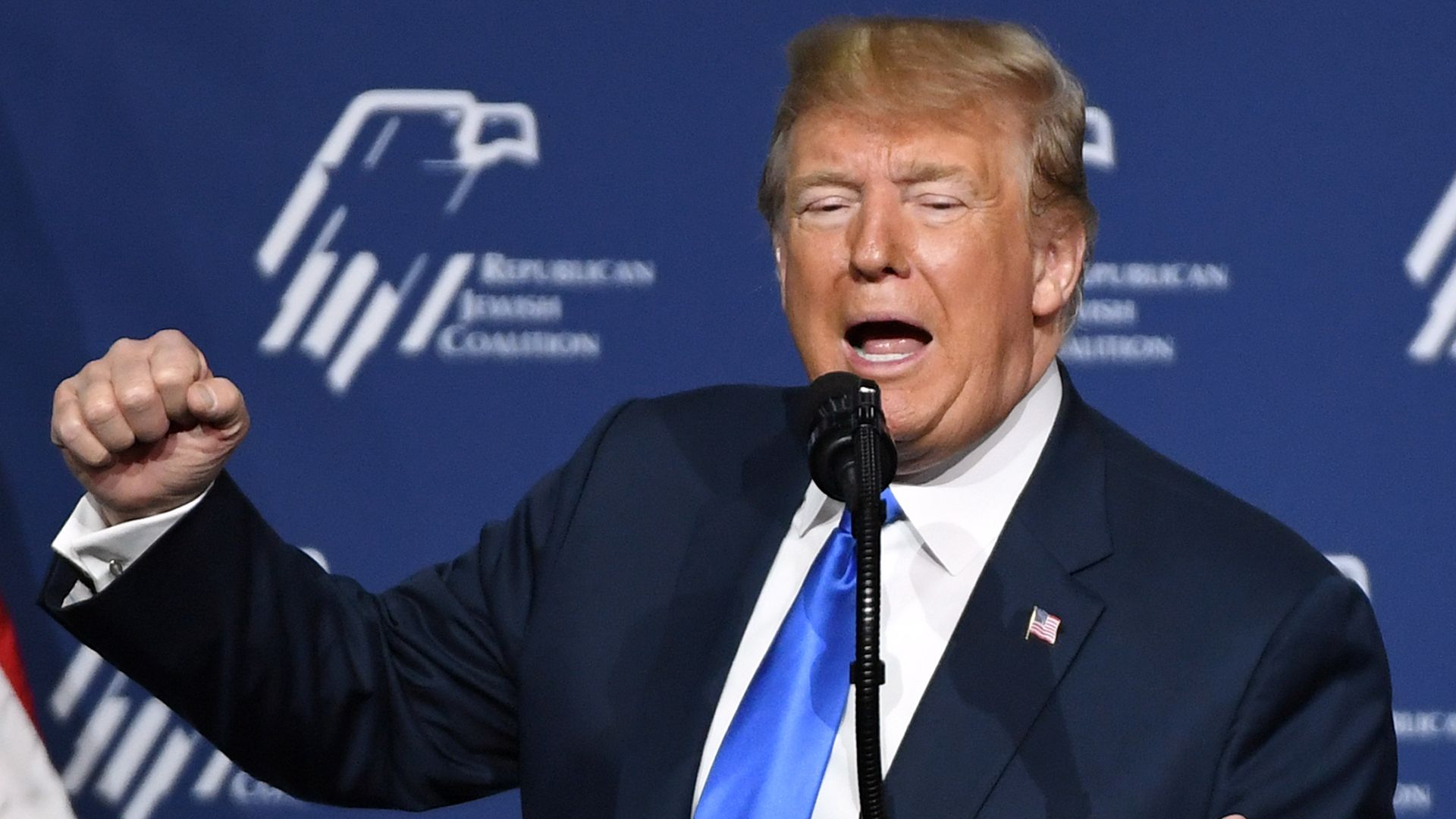
Trump will announce 2 executive orders in Houston on Wednesday to help energy companies "avoid unnecessary red tape" in order to speed up development of pipelines and other projects, a White House aide said.
Why it matters: While U.S. oil and natural gas production is already at record levels, companies have chafed at the regulatory process for some infrastructure projects, notably battles over gas pipelines in the Northeast.
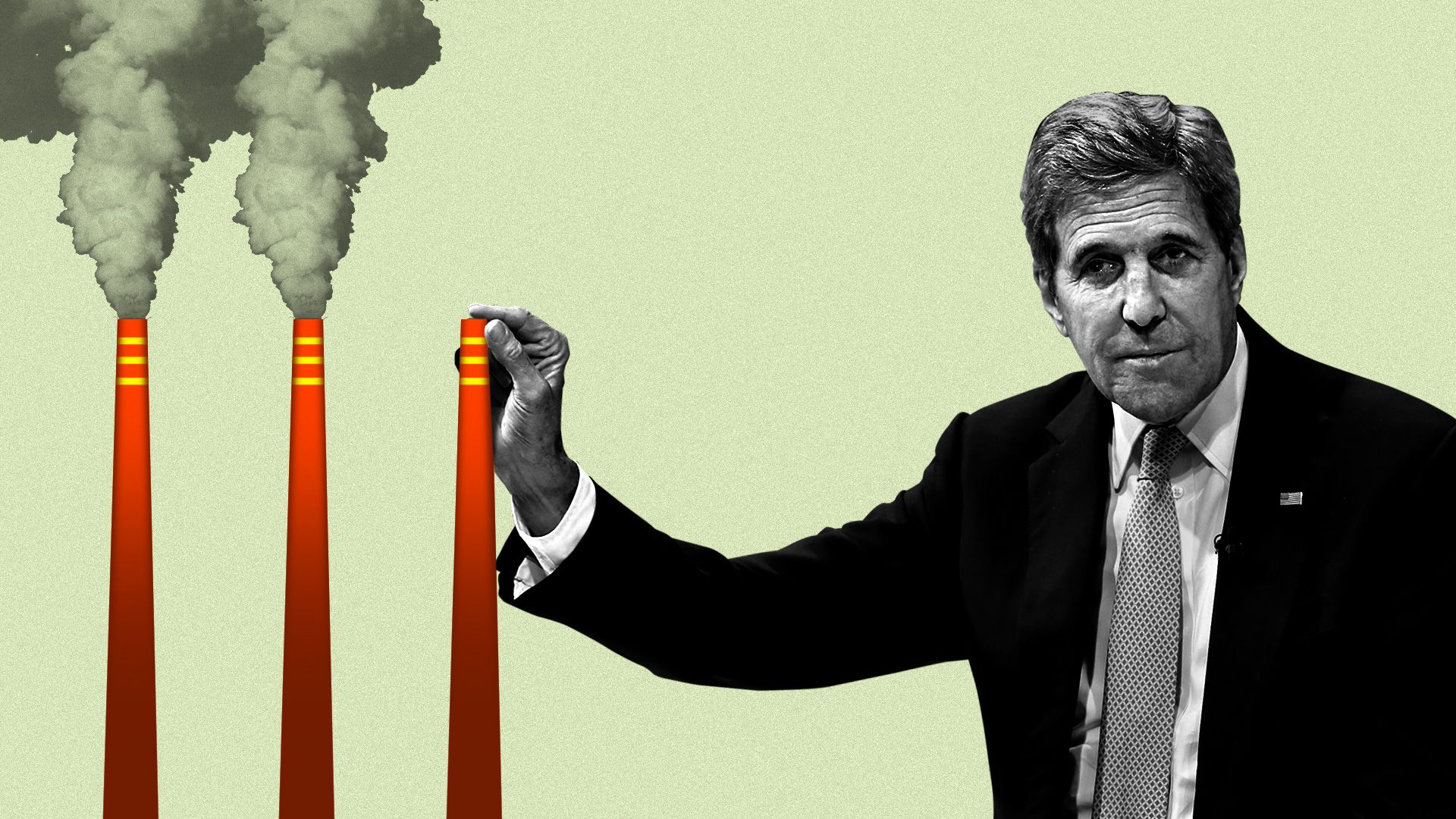
Former Secretary of State John Kerry is speaking publicly for the first time about a new chapter in his half-century history with Vietnam: an initiative aiming to get the country off coal-fired power.
Driving the news: In an exclusive interview with Axios last week, Kerry laid out the broad parameters of a proposal he says would enable the nation to get off coal by financing renewables — and become a model for the rest of Asia, which is heavily dependent on coal.