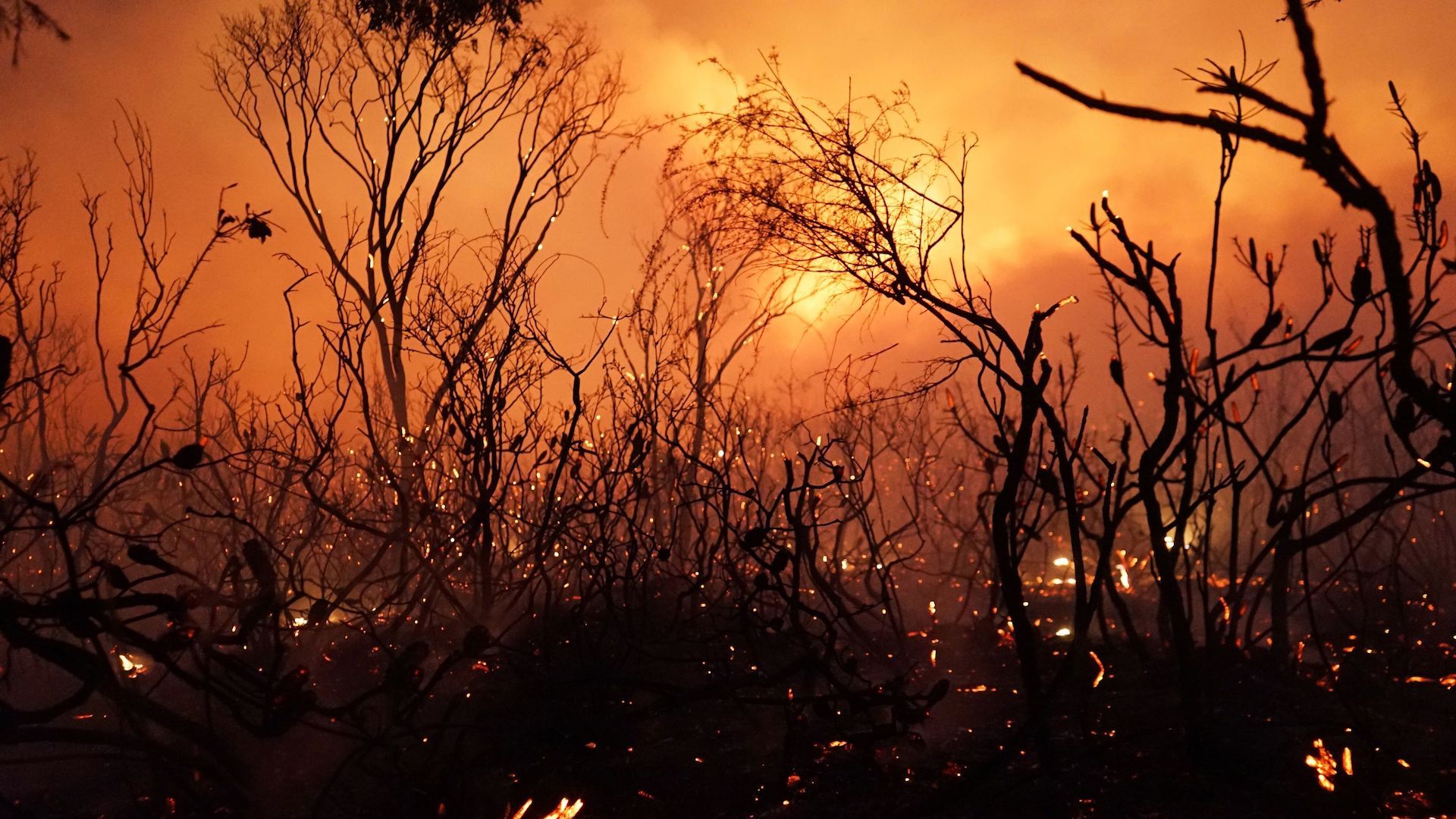
Australia's scorching and widespread heat waves throughout this summer propelled the national average temperature to a new all-time high for the season, according to its weather bureau.
Why it matters: Australia is one of the countries most impacted by climate extremes, suffering from heat waves, bushfires and coral bleaching events tied to long-term, human-driven increases in greenhouse gas concentrations. However, this summer brought unprecedented heat to every part of the country — part of a trend consistent with what scientists predict as global warming continues.
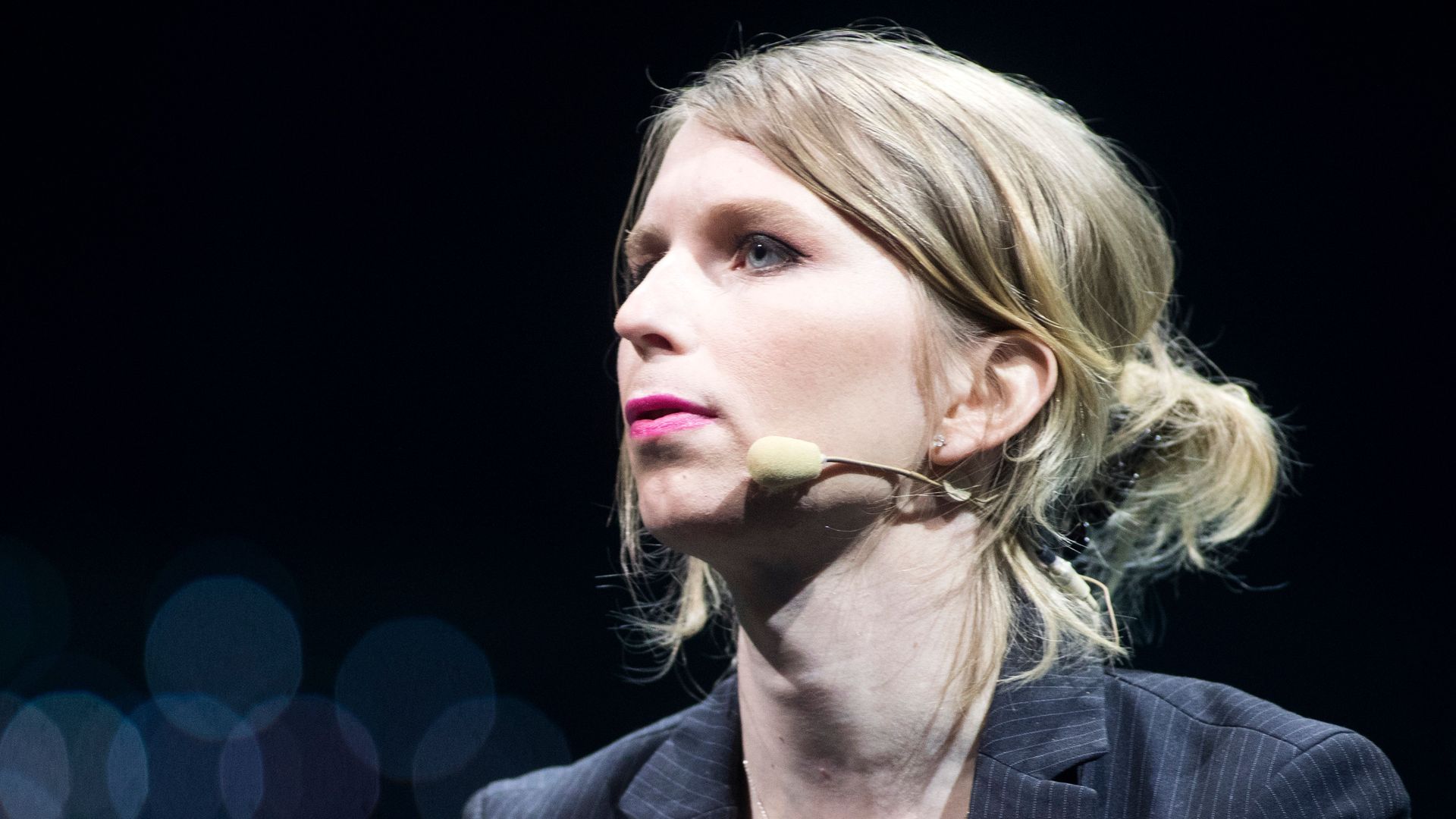
Chelsea Manning, who had her sentence commuted by President Obama in 2017 after leaking classified military and diplomatic documents to WikiLeaks as an Army intelligence analyst, has been subpoenaed to testify before a grand jury, the New York Times reports.
What to watch: Her lawyers have been speaking with an assistant U.S. attorney who argued that any charges against WikiLeaks founder Julian Assange should remain secret. Manning's subpoena was issued in the same district where Assange was charged. In an interview with NYT, Manning said she did not know why she was being subpoenaed and plans to fight it.
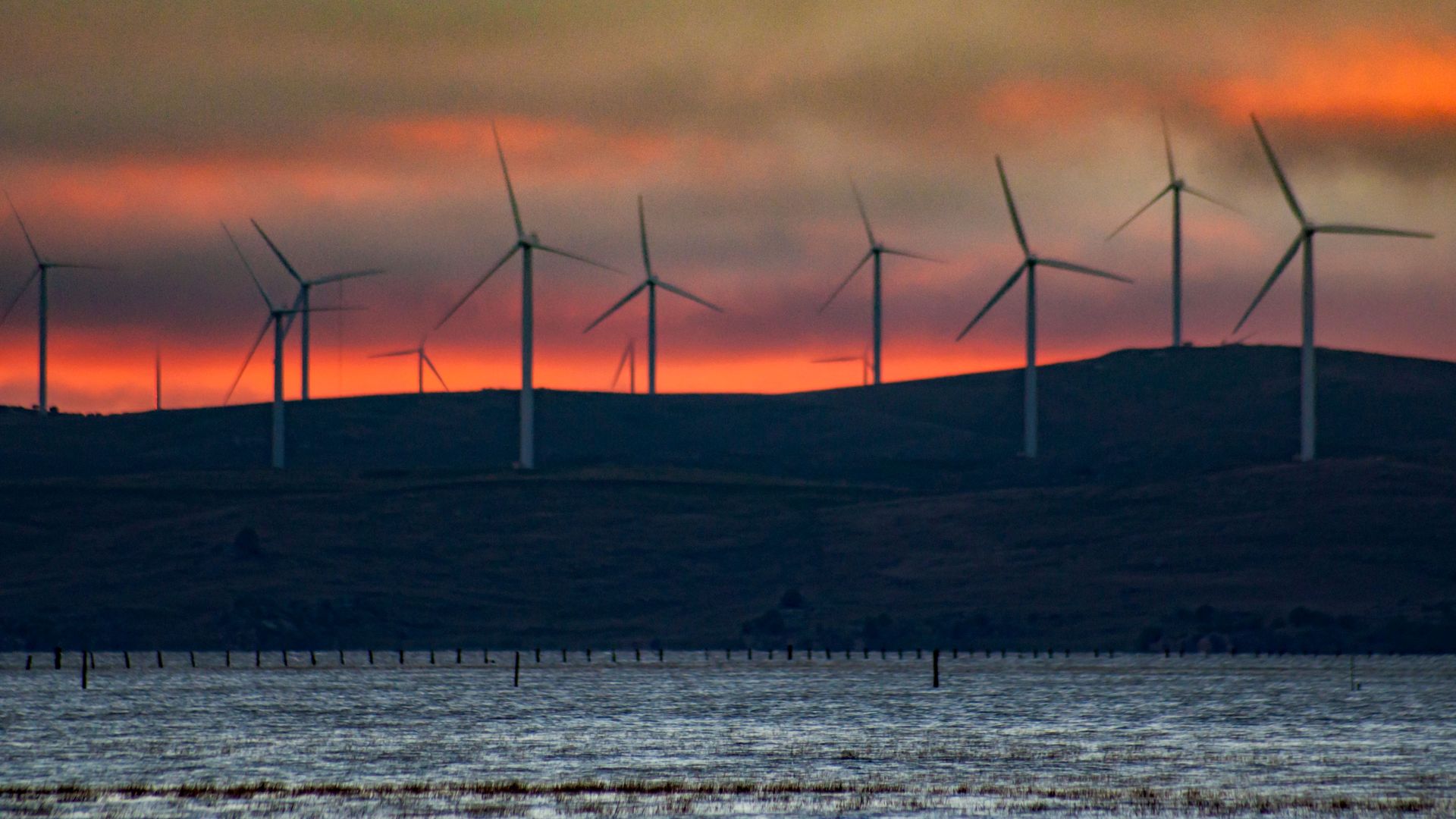
U.S. critics of renewable energy and other climate-friendly policy often cite Australia’s woes — expensive and sometimes unreliable electricity — as evidence their arguments are sound. That ignores one of America's most important natural resources.
Driving the news: At a Capitol Hill event Wednesday opposing the Green New Deal, Rep. Paul Gosar (R.-Ariz.), said "Aussies' obsession with renewables has destroyed their electric grid. … Let's learn from Australia’s mistakes, not repeat them."
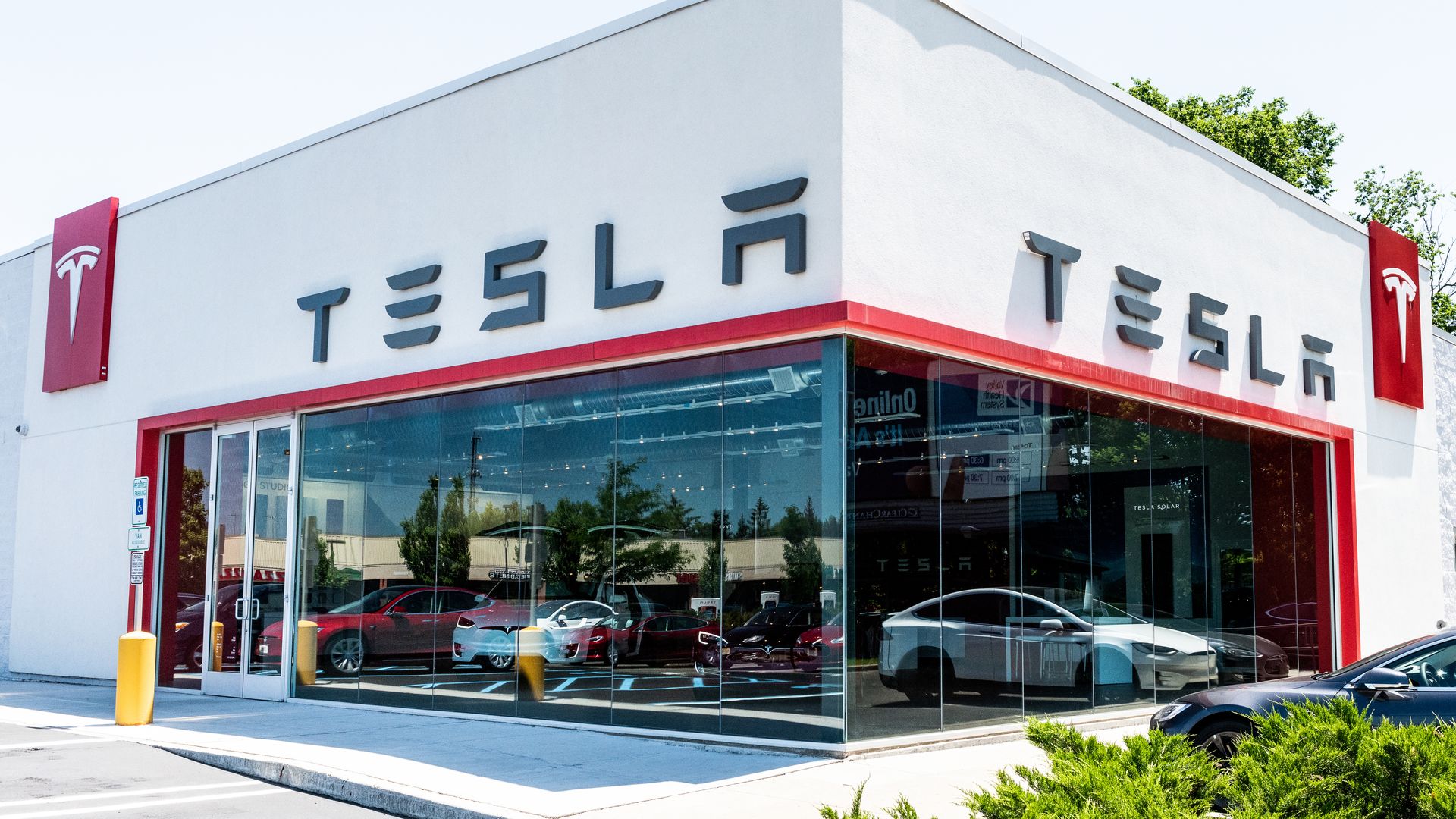
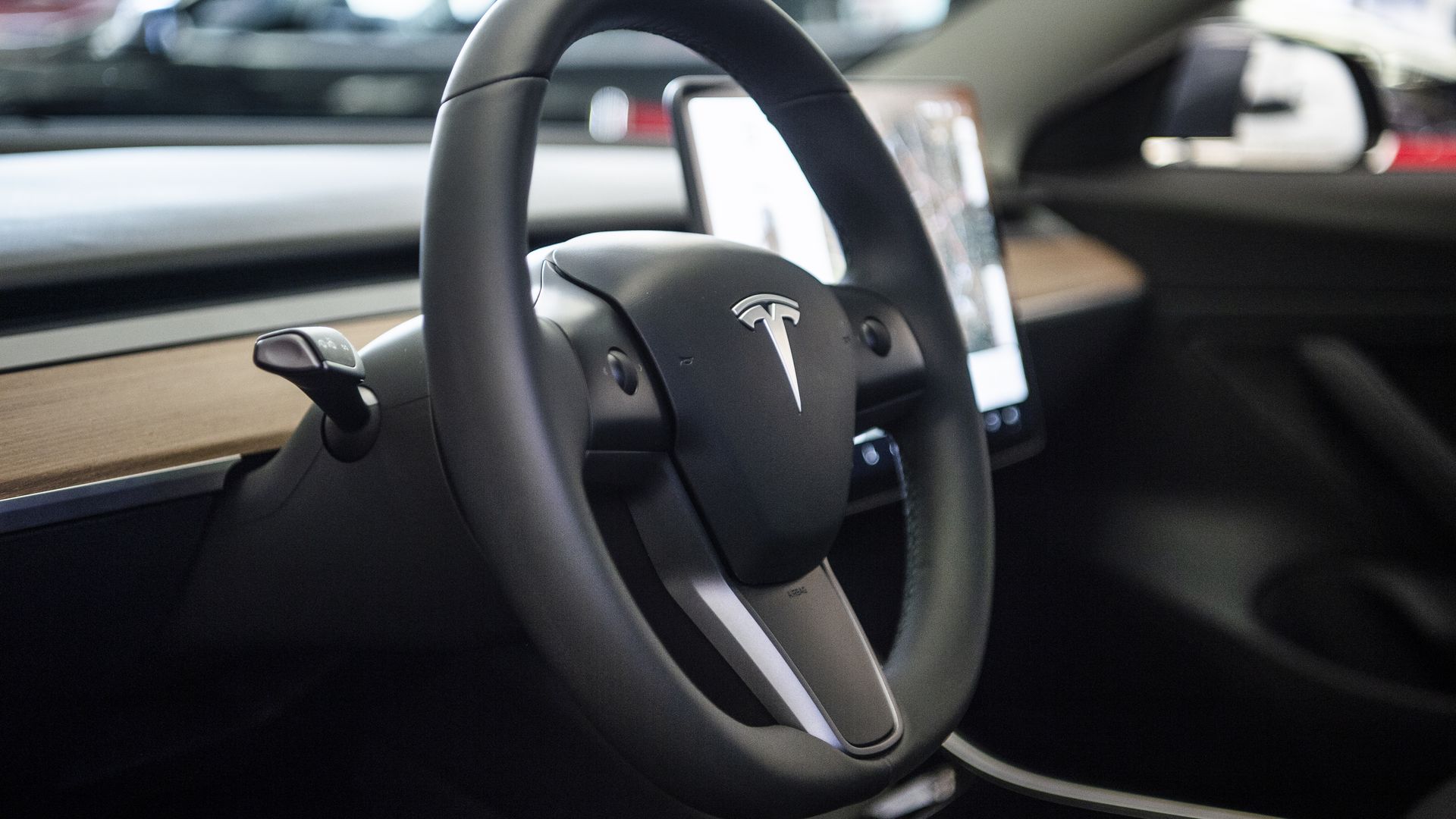
Tesla is finally launching that long-promised $35,000 Model 3, but to meet its target price, the company is closing all of its 378 stores worldwide, laying off retail employees and shifting all sales online.
Why it matters: That $35,000 price tag enables CEO Elon Musk to fulfill his 2006 secret master plan to deliver a mass-market electric vehicle, but he told reporters today "there's no other way" to produce it than by closing all its stores and eliminating jobs. Even so, he says the company won't be profitable this quarter.
Electric carmaker Tesla unveiled the long-awaited $35,000 Model 3 sedan on Thursday, and the company is only taking orders online, while closing most of their stores.
Our thought bubble: Per Axios Future editor Steve LeVine, the optics of the move are not terrific — Musk looks like he is acting in haste. The Tesla stores have been a hallmark of the brand's coolness and, regardless of the argument for finally getting a promised $35,000 version of the Model 3 on the road, there is a marketing price to closing stores. As proof, Tesla shares were down 3% in after-hours trading.
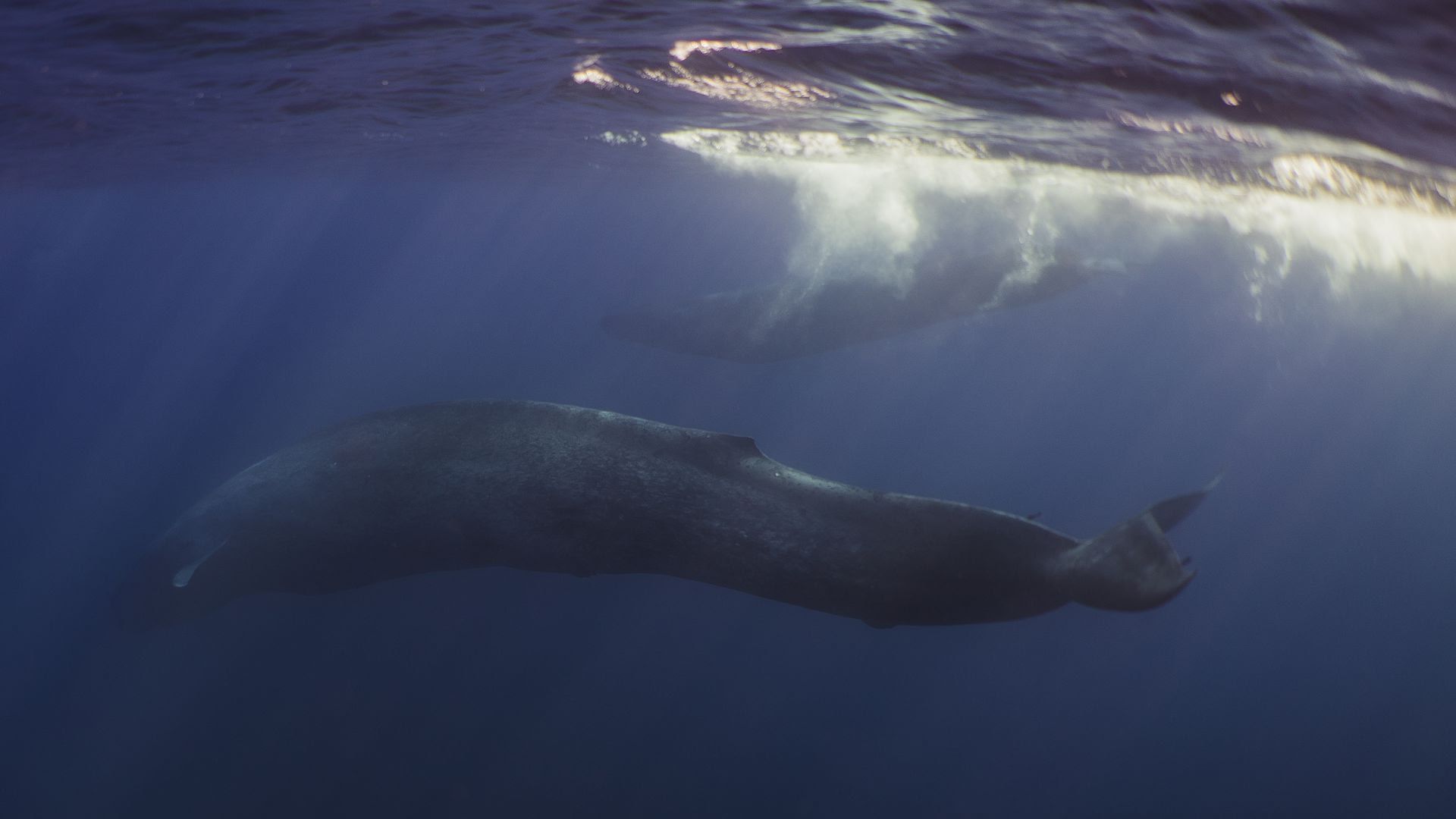
Blue whales, which are the largest creatures on Earth, rely on their memory of productive foraging sites in order to seek out prey.
Why it matters: This insight, which comes from a new study in Proceedings of the National Academy of Sciences, helps explain how these oceanic behemoths can reach such massive sizes. It also identifies a vulnerability that could challenge the species as warming and acidifying waters cause fish to shift in abundance and range, making historical knowledge less useful to the emerging reality.
At a Capitol Hill press conference Wednesday opposing the Green New Deal, Rep. Paul Gosar (R-Ariz.) was asked by a young person what he is doing to address climate change. He responded:
"Unfortunately you haven't been taught about photosynthesis. Photosynthesis is where plants take carbon dioxide to produce oxygen. That's a problem in today's world. We haven't taught kids exactly what's going on in America and in science."
Reality check: Per Axios science editor Andrew Freedman: The issue isn't photosynthesis. We're putting more carbon dioxide into the air each year than plants, trees and oceans can suck out. That is what's causing rising global temperatures. CO2 levels are the highest they've been in at least 800,000 years, and the driving reason is human activity.
For the record: In a statement to Axios, Gosar said: “At the press conference I also stated, ‘As the son of a geologist, our climate has always changed, and if you don’t doubt me, dig up some fossils. It will tell you an awful lot about how our climate has changed.’ ”
Editor's note: This story has been updated to include an additional comment from Gosar.
During a recent trip to Australia, I caught up with Matt Canavan, whose position in the Australian government is most similar to that of our Interior Secretary.
Why it matters: As Australia’s minister for resources, Canavan is responsible for this nation’s rich natural resources, including coal but also wind and solar, which are growing rapidly. When we spoke, he had just finished trips in Queensland and other parts of the country facing extreme weather, some of which scientists say is growing more extreme due to rising global temperatures.