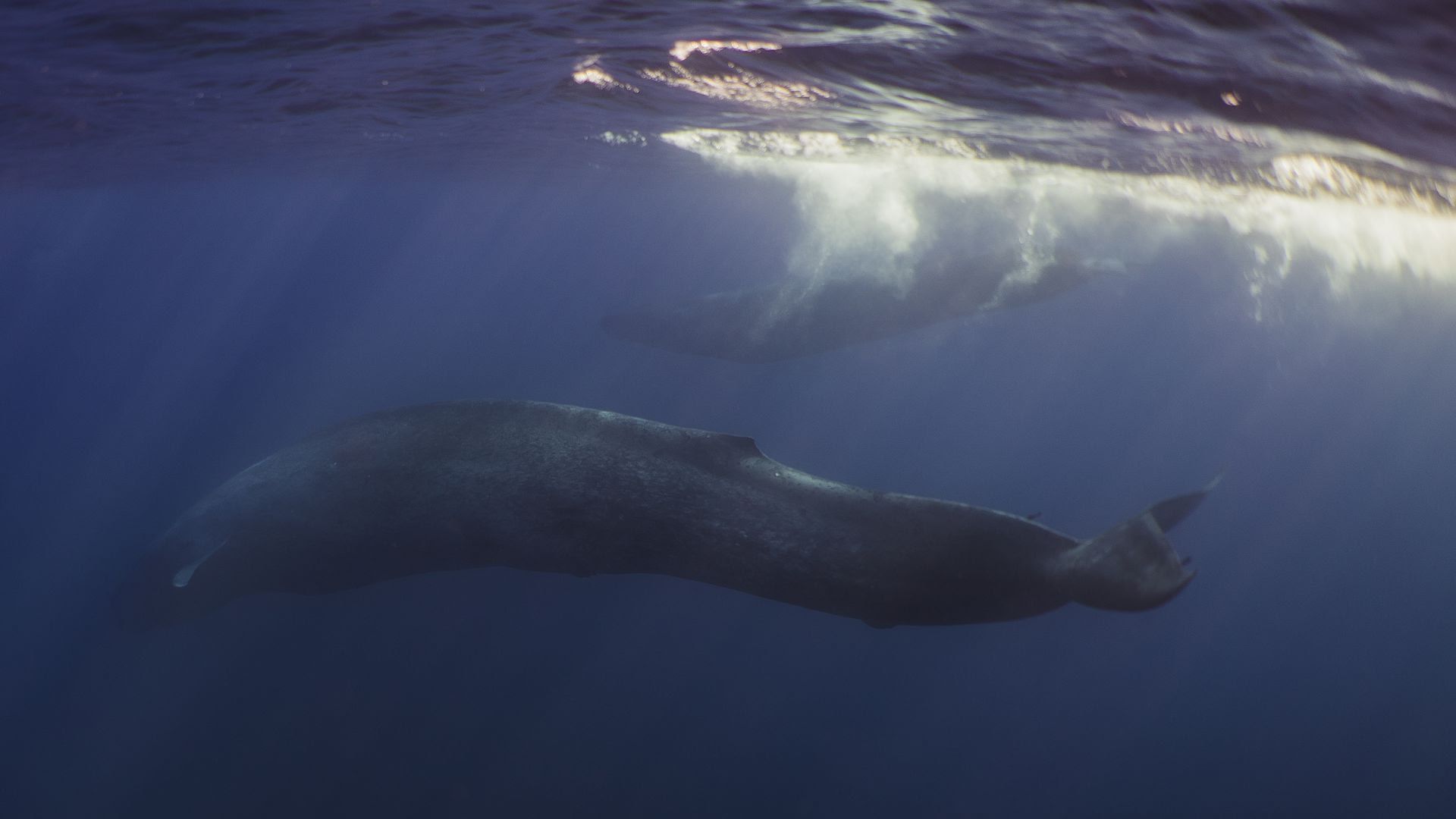
Blue whales, which are the largest creatures on Earth, rely on their memory of productive foraging sites in order to seek out prey.
Why it matters: This insight, which comes from a new study in Proceedings of the National Academy of Sciences, helps explain how these oceanic behemoths can reach such massive sizes. It also identifies a vulnerability that could challenge the species as warming and acidifying waters cause fish to shift in abundance and range, making historical knowledge less useful to the emerging reality.
At a Capitol Hill press conference Wednesday opposing the Green New Deal, Rep. Paul Gosar (R-Ariz.) was asked by a young person what he is doing to address climate change. He responded:
"Unfortunately you haven't been taught about photosynthesis. Photosynthesis is where plants take carbon dioxide to produce oxygen. That's a problem in today's world. We haven't taught kids exactly what's going on in America and in science."
Reality check: Per Axios science editor Andrew Freedman: The issue isn't photosynthesis. We're putting more carbon dioxide into the air each year than plants, trees and oceans can suck out. That is what's causing rising global temperatures. CO2 levels are the highest they've been in at least 800,000 years, and the driving reason is human activity.
For the record: In a statement to Axios, Gosar said: “At the press conference I also stated, ‘As the son of a geologist, our climate has always changed, and if you don’t doubt me, dig up some fossils. It will tell you an awful lot about how our climate has changed.’ ”
Editor's note: This story has been updated to include an additional comment from Gosar.
During a recent trip to Australia, I caught up with Matt Canavan, whose position in the Australian government is most similar to that of our Interior Secretary.
Why it matters: As Australia’s minister for resources, Canavan is responsible for this nation’s rich natural resources, including coal but also wind and solar, which are growing rapidly. When we spoke, he had just finished trips in Queensland and other parts of the country facing extreme weather, some of which scientists say is growing more extreme due to rising global temperatures.
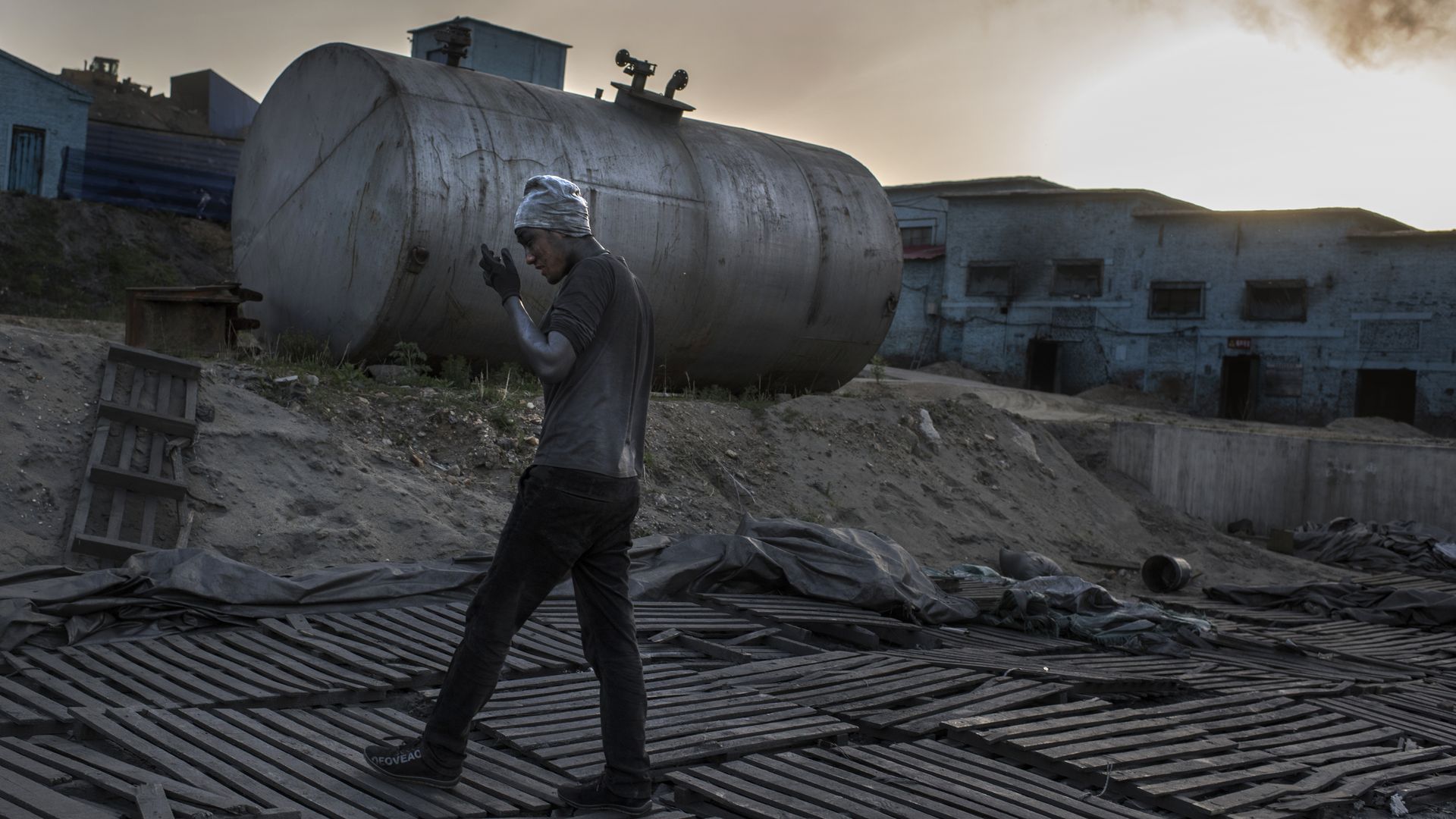
China has steadily been forcing producers of graphite — a material commonly used in smartphone and laptop batteries — to close in response to rising pollution, as mining companies fail to improve the conditions of local land and water resources.
Why it matters: Batteries account for roughly 30% of the global demand for graphite, and China produces 70% of the world's graphite supply. As demand for the material continues to grow, battery prices may rise, which would impede progress toward the $100 per kilowatt hour lithium-ion target that many companies, including Tesla and BMW, are looking to achieve.
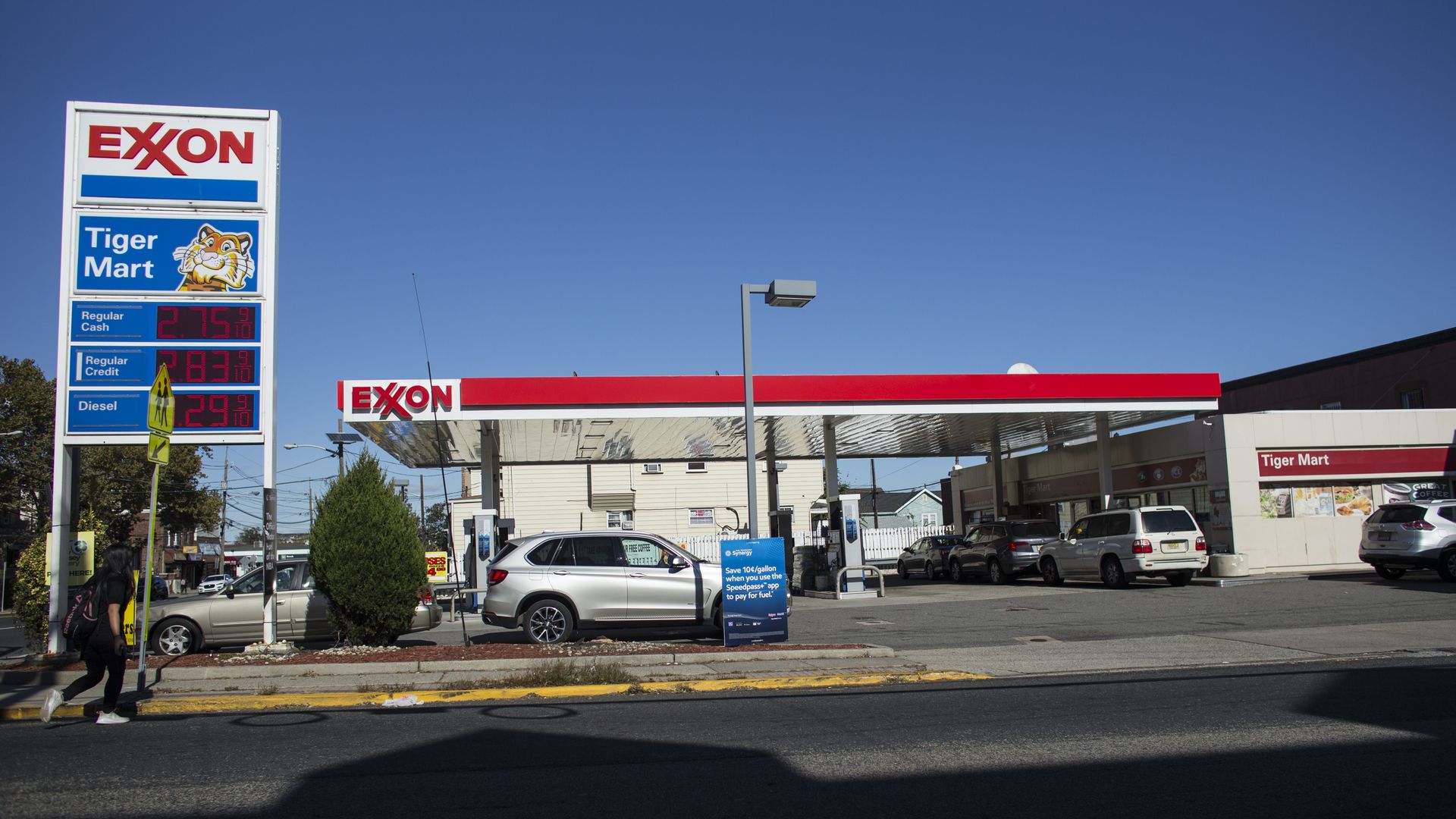
ExxonMobil said it added 4.5 billion barrels of oil equivalent to its proven reserves last year, which is over three times what the multinational giant produced in 2017.
Why it matters: The strong performance represents a major bounce back from some high-profile struggles, notably in 2016 when Exxon was forced to cut reserves by over 3 billion barrels.
Senate Democrats are taking new steps to try and parry GOP attacks on the Green New Deal after a troubled rollout that has revealed fissures in their ranks.
Why it matters: Democrats are seeking to coalesce around a strategy as Republicans look to put them in a tough political spot with the GND. The GND has uncertain support among Senate Democrats despite co-sponsorship from a half-dozen of them running for president.
While the Green New Deal is drawing both devotees and detractors on Capitol Hill, green energy is seeing nothing but love in the market.
Driving the news: The International Energy Agency reports that electricity investment has shifted towards renewables, networks and flexibility, while investments in coal dropped by a third in 2017. It's the second year in a row coal- and gas-fired power generation has seen a pullback.
Etsy is offsetting all of its carbon dioxide emissions from shipping at an annual cost of less than $1 million, the company is announcing today.
The big picture: The e-commerce company is the latest in corporate America to ramp up action on climate change in response to the public’s growing awareness on the issue and President Trump’s dismissal of it.