Senate Democrats hope to put Republicans on the record on whether they support the scientific consensus on human-caused climate change.
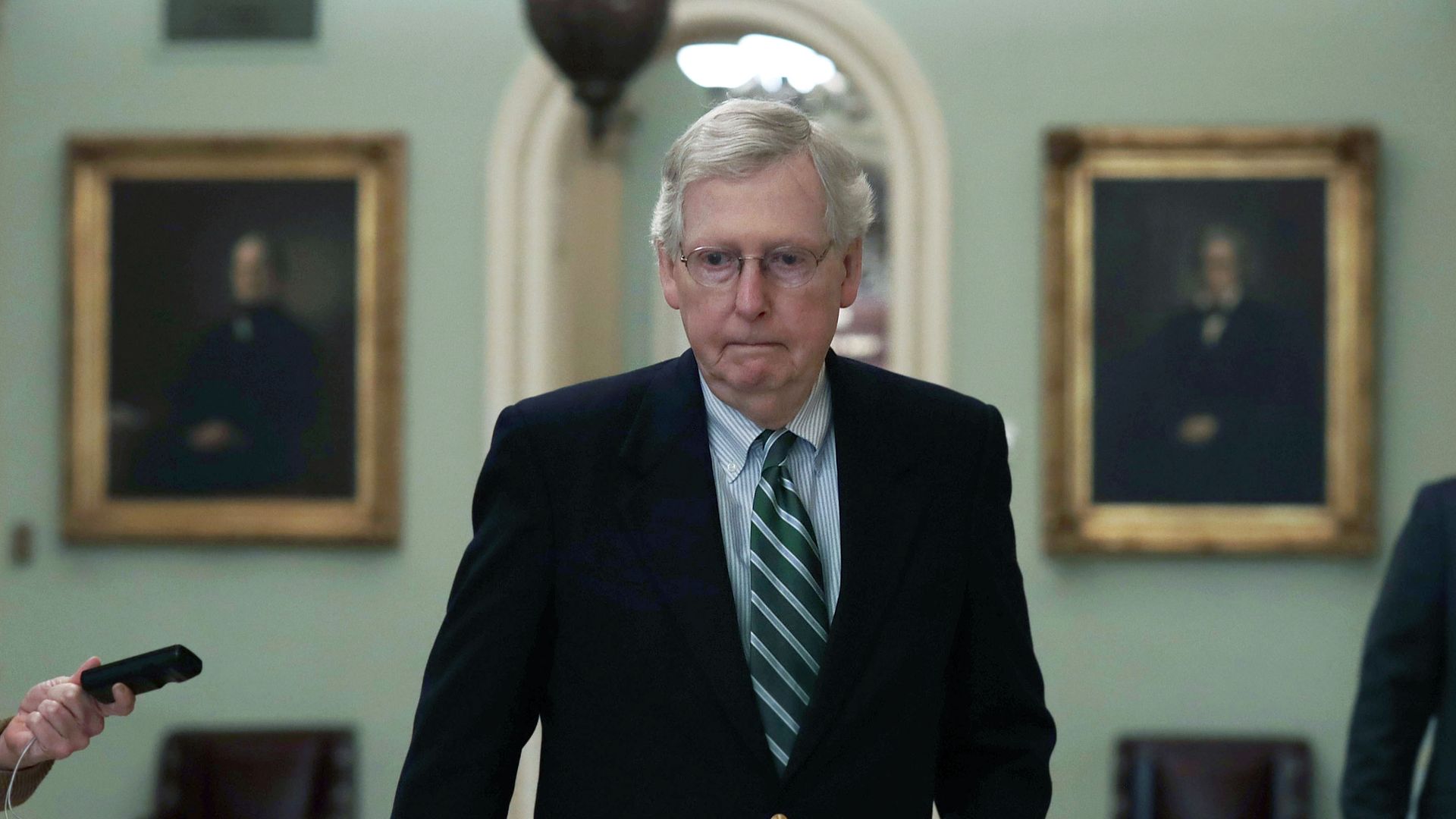
Where it stands: Senate Majority Leader Mitch McConnell is bringing up the Green New Deal resolution for a vote soon — a move that shows GOP confidence that it puts Democrats in a political bind.
While governments and corporations are starting to protect themselves from the impacts of climate change, Morgan Stanley says private businesses need to do more.
Why now: The investment bank's strategists are recommending companies strongly consider preparing for a world with more frequent and intense weather events, rising sea levels, changes to agriculture and the spread of infectious disease.
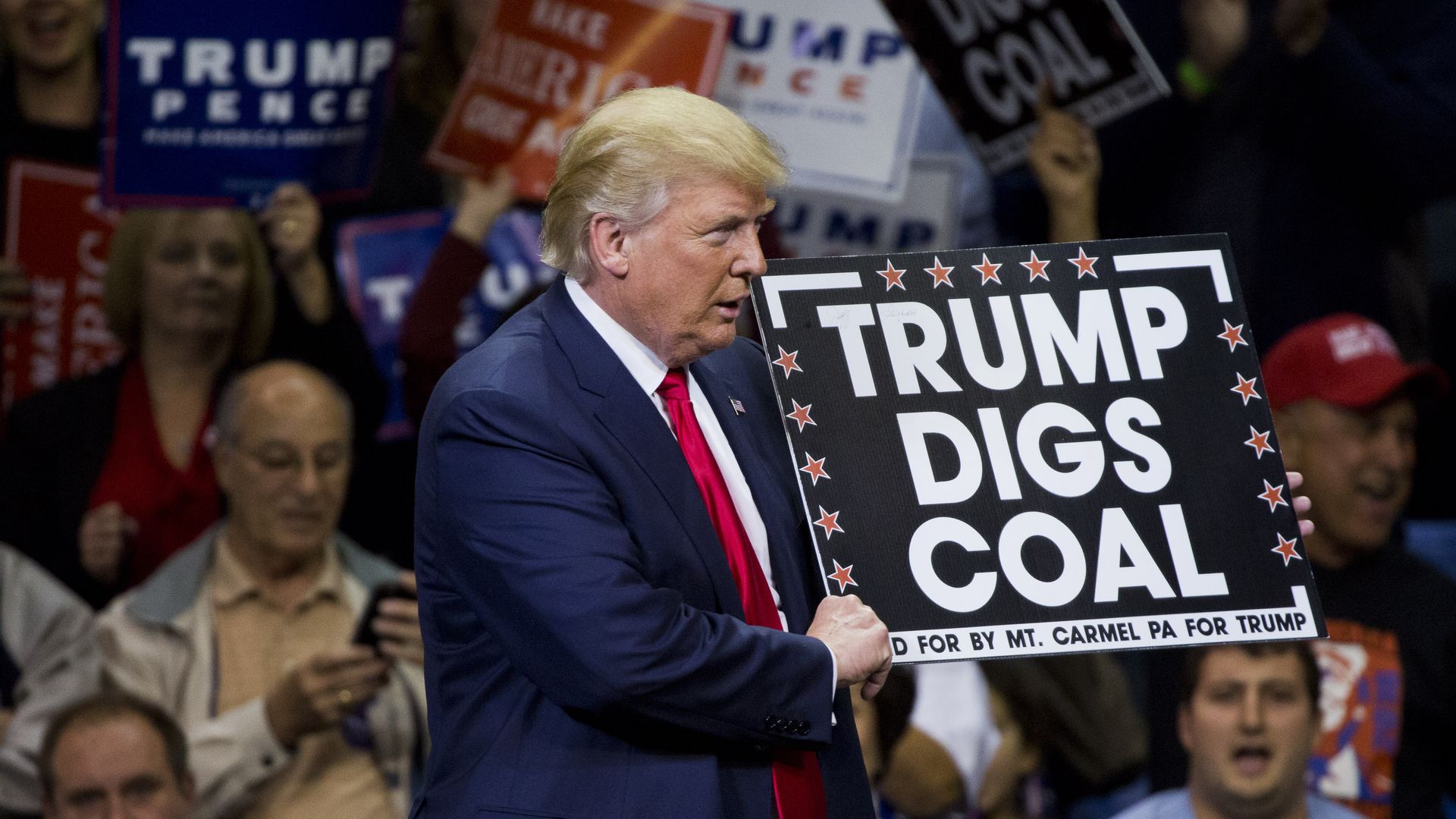
The Tennessee Valley Authority's board voted Thursday to close 2 coal plants in a lopsided decision that thwarted President Trump's pressure to support coal.
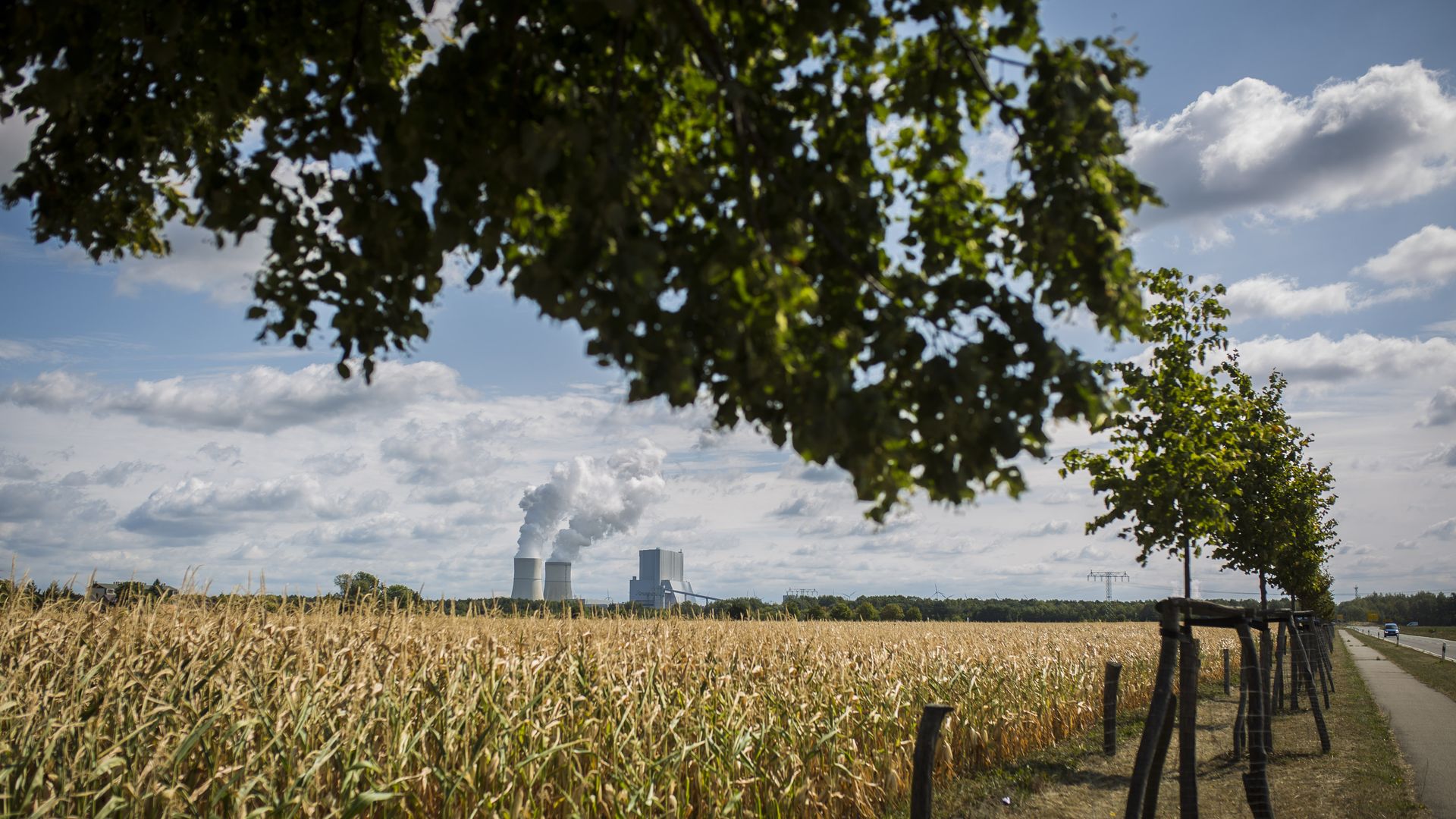
Why it matters: The TVA votes underscore the tough economics facing coal-fired power, which is steadily losing market share to gas and renewables despite White House efforts to revive the sector.
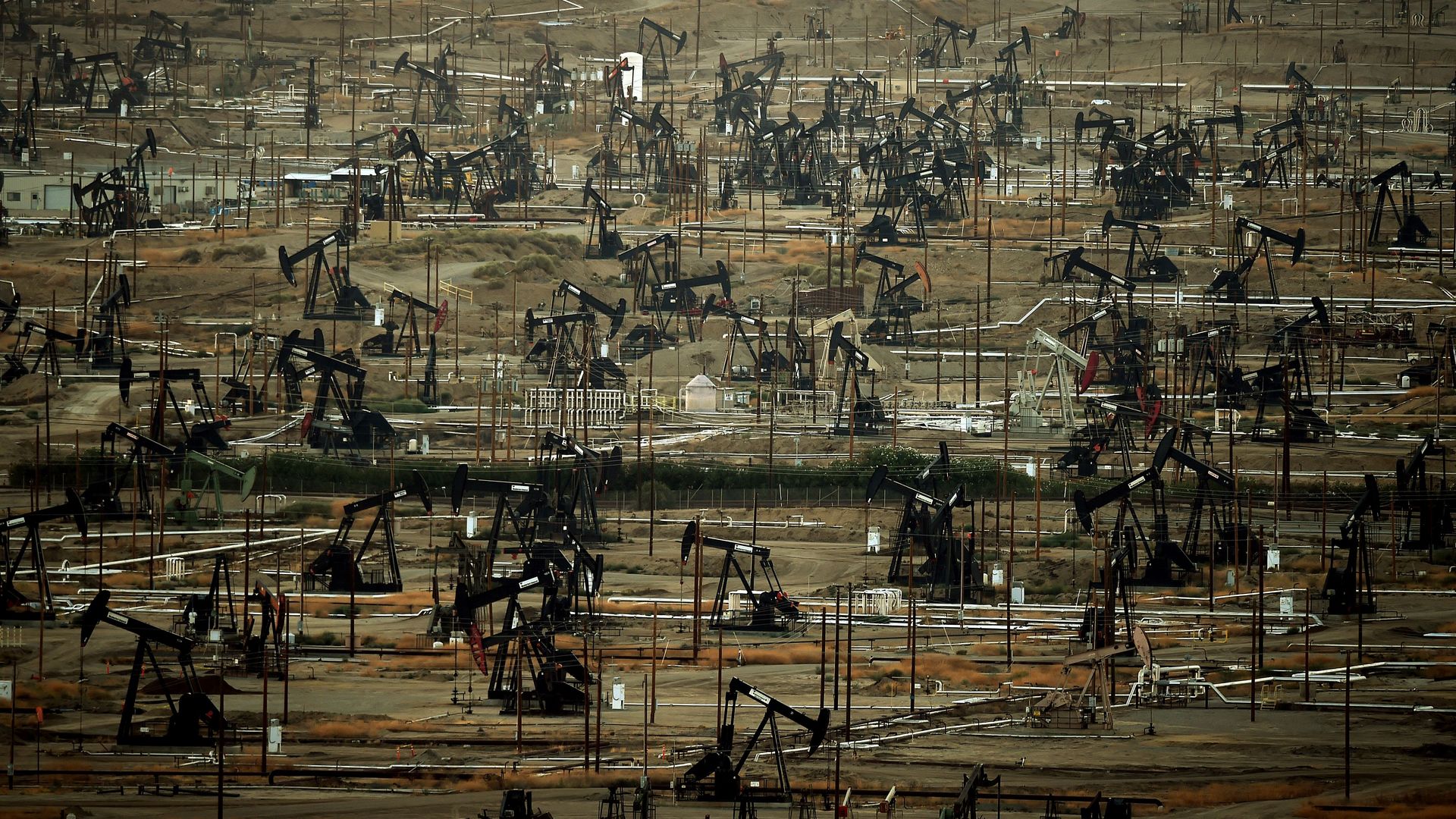
Saudi Arabia announced an oil production cut of 500,000 barrels per day on Tuesday, just weeks after Treasury Secretary Steven Mnuchin said "U.S. friends in the Middle East" would compensate for the drastic decline in Venezuelan oil production driven by U.S. sanctions.
Why it matters: Although U.S. production continues to rise, it still accounts for only 11% of global consumption, compared to OPEC’s 32%. The recent supply cuts illustrate that sudden disruptions and U.S. sanctions that take oil out of the market can put OPEC, and Saudi Arabia specifically, back in charge of global oil prices.
Three-quarters of millennials would take a job with a lower salary if it meant they could work for a company that was environmentally responsible, while 40% of millennials have chosen a job because of a company’s strong sustainability practices, according to a survey reported by Fast Company.
Why it matters: Millennials will make up about 75% of the workforce in the next 6 years, so focusing on sustainability may give businesses a competitive edge in hiring. Nearly 10% of all respondents — regardless of age — said they would take a $5,000-$10,000 pay cut to work for environmentally responsible firms.
While governments and corporations are starting to protect themselves from the impacts of climate change, Morgan Stanley says private businesses need to do more.
What to watch: The investment bank's strategists are recommending companies strongly consider preparing for a world with more frequent and intense weather events, rising sea levels, changes to agriculture and the spread of infectious disease.
By 2080, many urban areas in the U.S. could have a climate similar to cities today that are hundreds of miles to the south and southwest, according to a new study in Nature Communications.