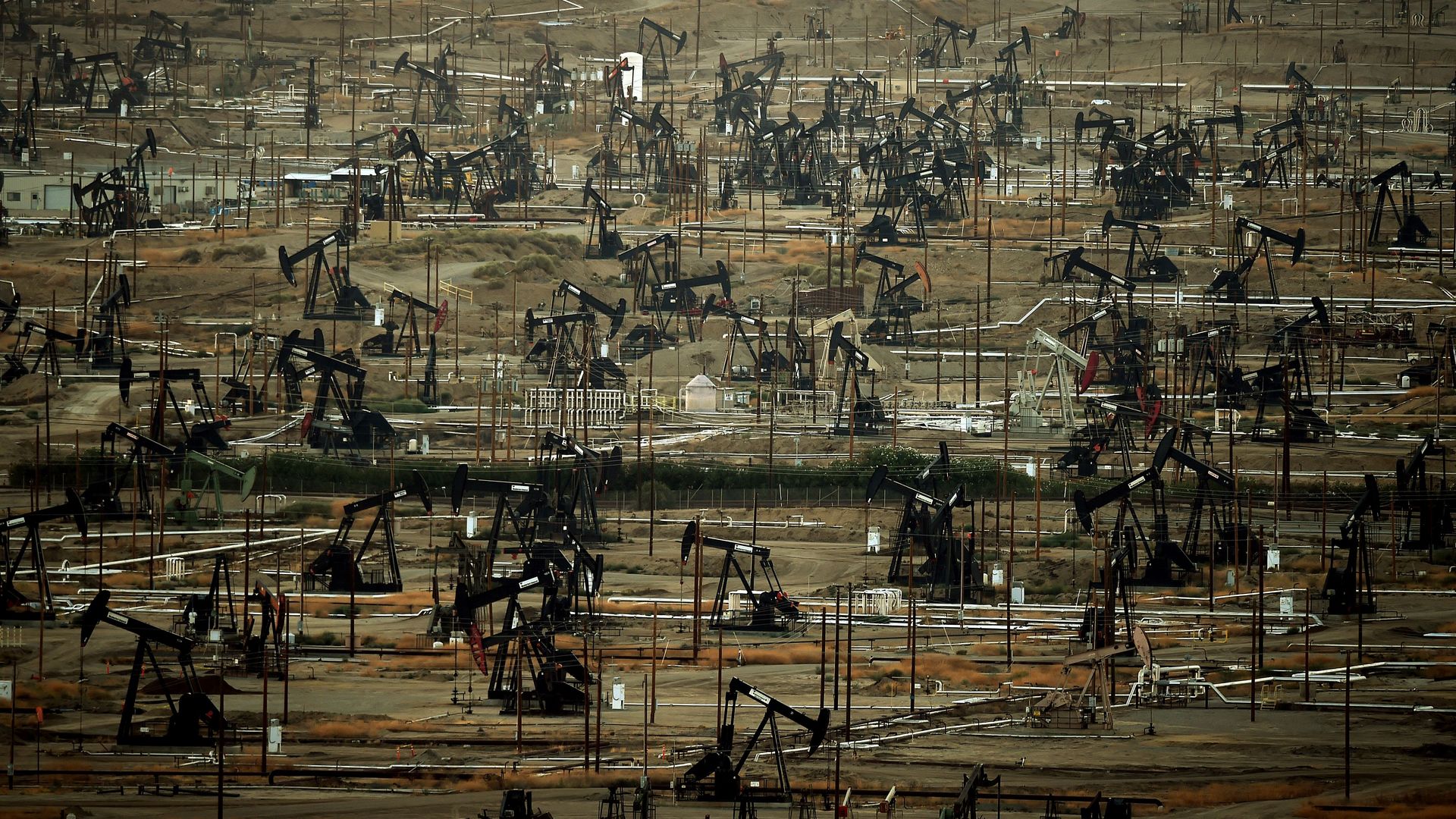
Saudi Arabia announced an oil production cut of 500,000 barrels per day on Tuesday, just weeks after Treasury Secretary Steven Mnuchin said "U.S. friends in the Middle East" would compensate for the drastic decline in Venezuelan oil production driven by U.S. sanctions.
Why it matters: Although U.S. production continues to rise, it still accounts for only 11% of global consumption, compared to OPEC’s 32%. The recent supply cuts illustrate that sudden disruptions and U.S. sanctions that take oil out of the market can put OPEC, and Saudi Arabia specifically, back in charge of global oil prices.
Three-quarters of millennials would take a job with a lower salary if it meant they could work for a company that was environmentally responsible, while 40% of millennials have chosen a job because of a company’s strong sustainability practices, according to a survey reported by Fast Company.
Why it matters: Millennials will make up about 75% of the workforce in the next 6 years, so focusing on sustainability may give businesses a competitive edge in hiring. Nearly 10% of all respondents — regardless of age — said they would take a $5,000-$10,000 pay cut to work for environmentally responsible firms.
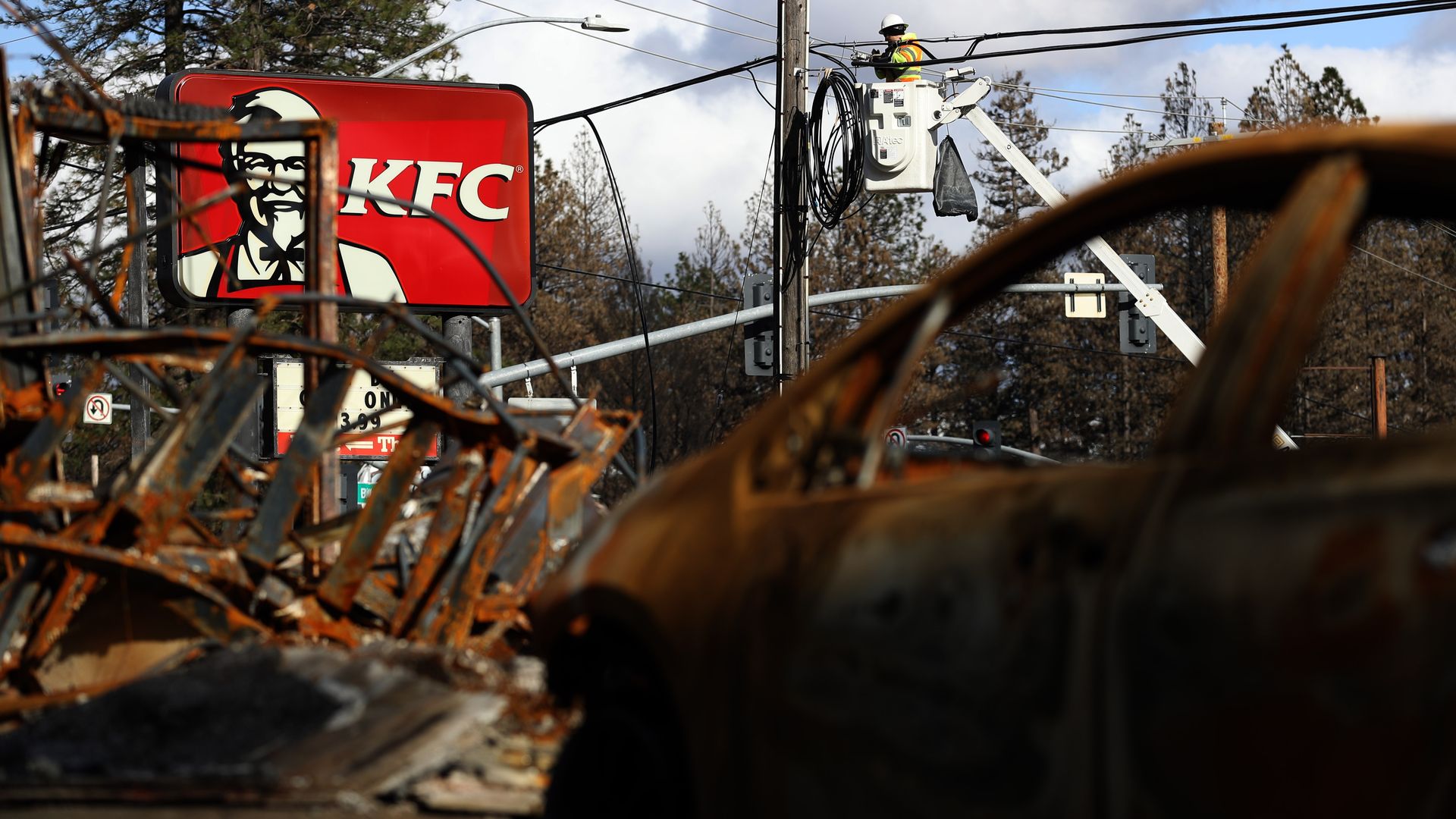
While governments and corporations are starting to protect themselves from the impacts of climate change, Morgan Stanley says private businesses need to do more.
What to watch: The investment bank's strategists are recommending companies strongly consider preparing for a world with more frequent and intense weather events, rising sea levels, changes to agriculture and the spread of infectious disease.
By 2080, many urban areas in the U.S. could have a climate similar to cities today that are hundreds of miles to the south and southwest, according to a new study in Nature Communications.
U.S. coal mines are on the decline: The Energy Information Administration is reporting that the number of active coal mines has fallen to 671 nationwide, from 1,435 in 2008.
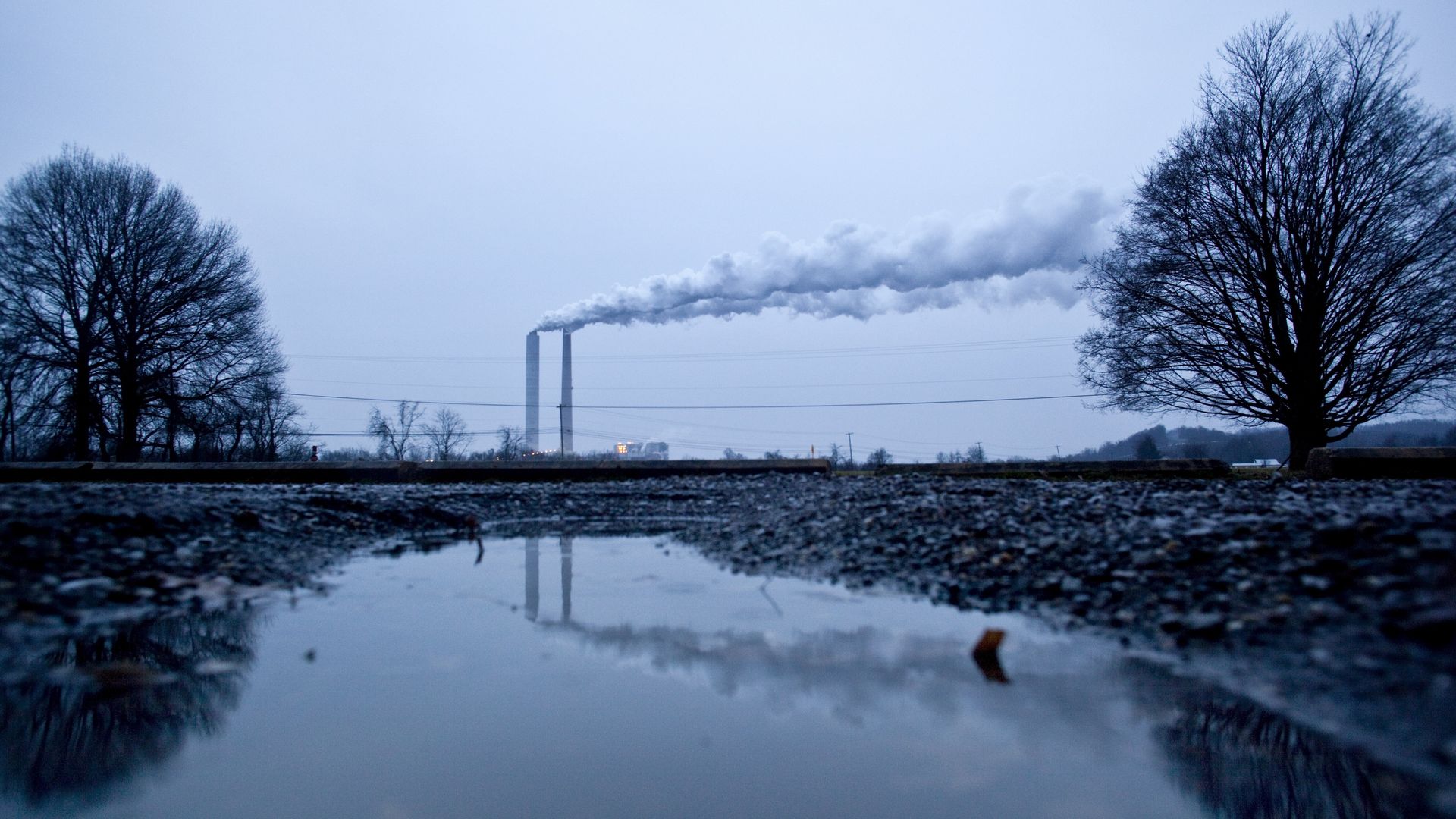
The big picture: It's increasingly clear that the market has chosen natural gas over coal as a more affordable, more efficient power source. During the past decade, the primary factor driving the closure of 764 U.S. coal mines — most of them underground — was simply a steady decline in demand.
Sen. Debbie Stabenow (D-Mich.), the chair of the Senate Democratic Policy and Communications Committee, told Axios' Mike Allen at an Axios News Shapers event on Thursday that she wishes Democrats' Green New Deal resolution had "a little more input" prior to its unveiling last week.
Why it matters: Stabenow dodged a question about whether she will vote for the resolution as it is framed now, saying, "I support the goals as it relates to climate change," but adding that "some of the wording is of concern ... because it leaves things wide open and allows folks that are opposing it to … mischaracterize it."
Electric vehicle infrastructure giant ChargePoint is using some of its recent $240 million fundraising haul to position itself for interlocking changes that await: the electrification of different types of vehicle fleets and the rise of autonomous tech.
What's new: CEO Pasquale Romano says in an interview with Axios that despite it being early stages of autonomous vehicle technology, AVs should be included in the infrastructure industry's long-term planning.