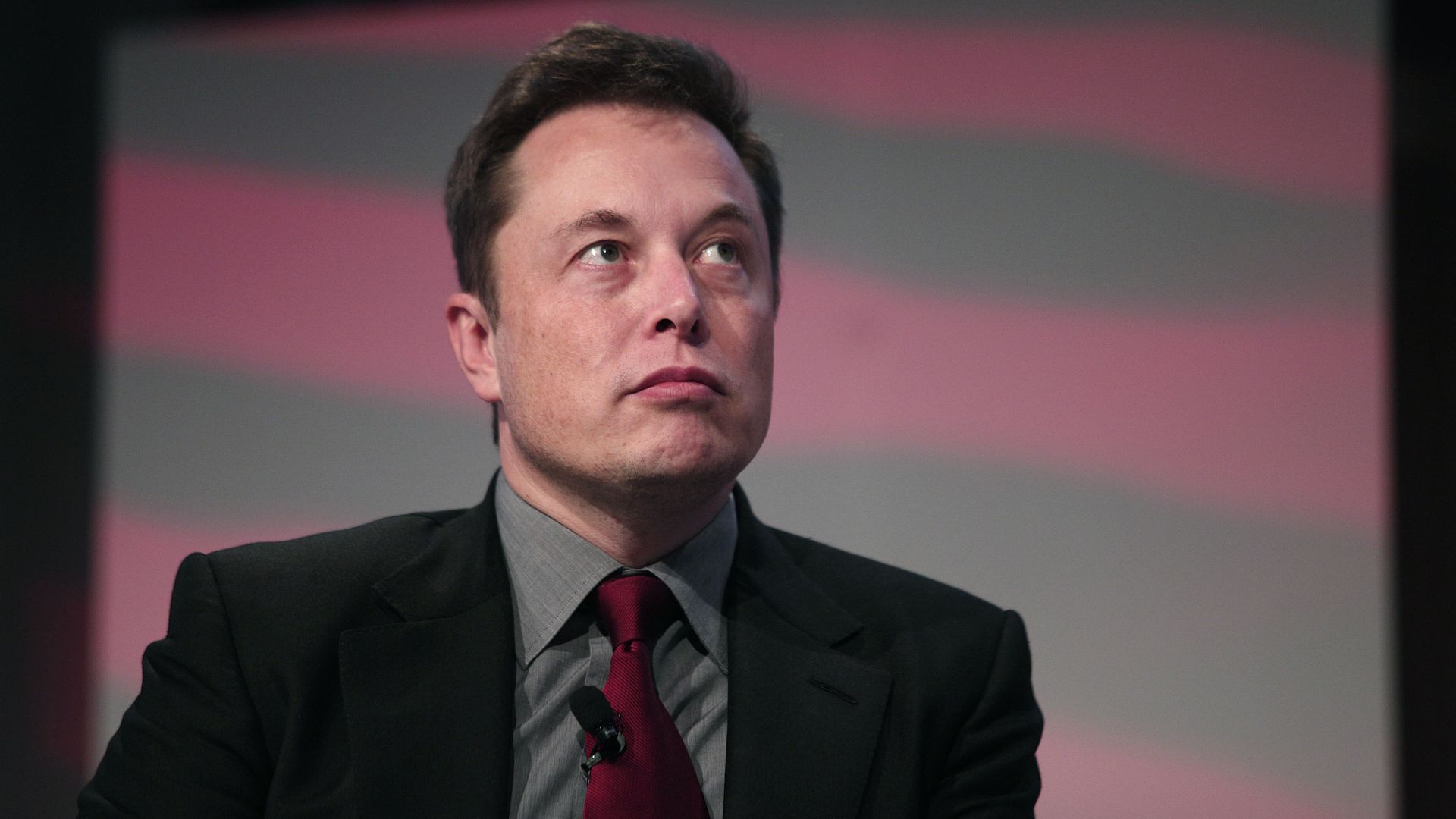
The Securities and Exchange Commission received nearly 150 pages of complaints by Tesla investors regarding Elon Musk's management of the company which were obtained by The Outline through Freedom of Information Act requests.
Why it matters: Ever since Musk's "funding secured" tweet, investors suffered the consequences as Tesla lost over $10 billion in market cap, leading them to write to the SEC calling out Musk's bluff. Since the SEC announced it was charging the Tesla CEO on Thursday with securities fraud, its stock is down almost 14%.
Elon Musk has reached a settlement with federal regulators, which had sued him on Thursday for making misleading material statements. He will get to remain as Tesla's CEO, but must step down as chairman.
The bottom line: This is a smart decision for both Musk and Tesla, as a drawn-out court case would have clouded both of their futures for months to come.
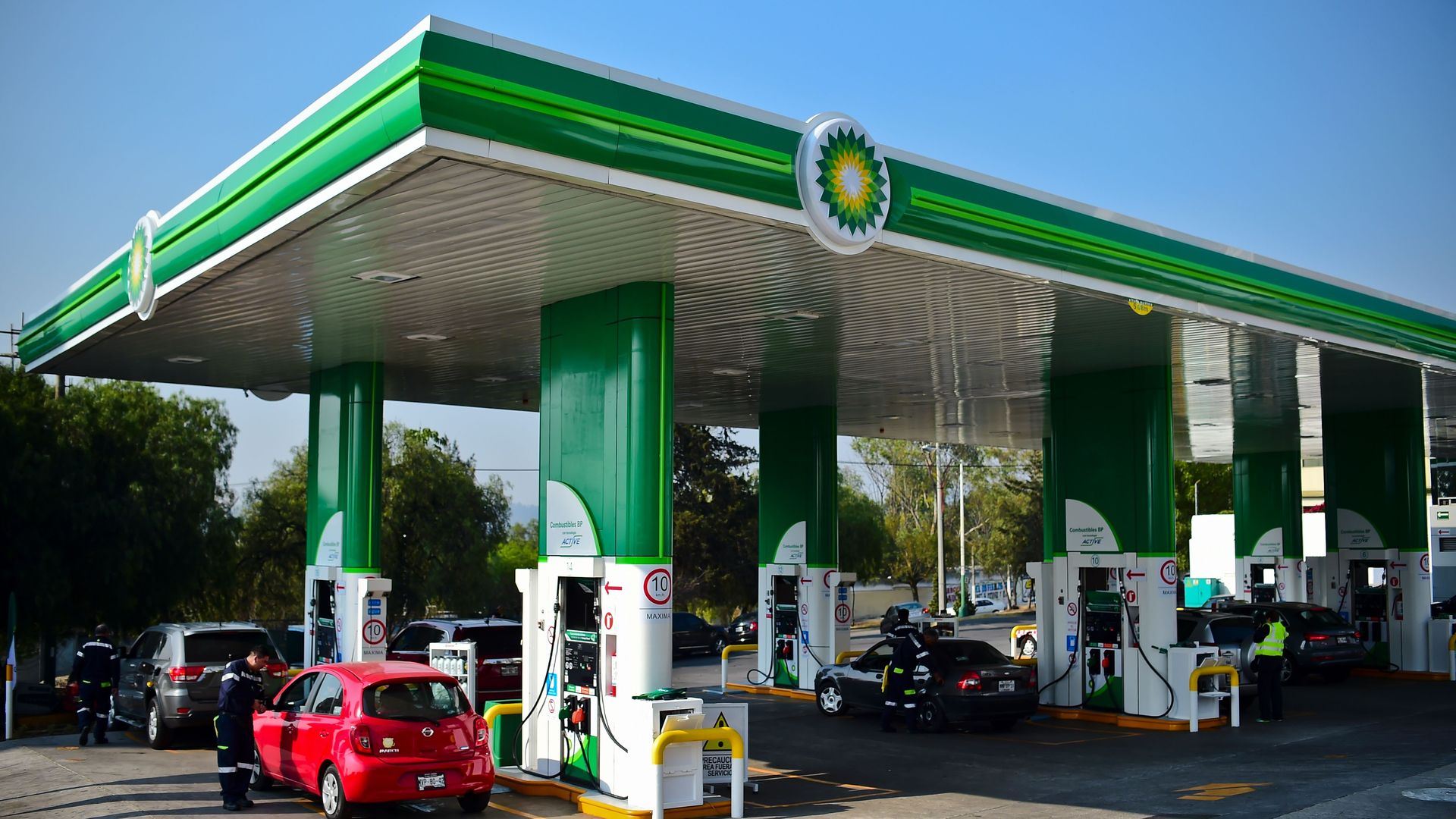
Why it matters: The payout is relatively small considering BP spent a total of $60 billion in the aftermath of the spill and paid more than $10 billion to United States fishermen and businesses. None of the $25.5 million payment is going to Mexican citizens, Janowitz writes.
The strongest-ever controlled magnetic field was activated in Tokyo earlier this year, showering a containment room with sparks for its brief lifespan: 1/1,000th of a blink of an eye.
Why it matters: Powerful magnetic fields allow scientists to study the movement of electrons, enabling research into fusion, a future source of clean energy.
Natural Resources Canada, a federal agency, recently announced C$29.8 million of funding for Halagonia Tidal Energy, a subsidiary of DP Energy, to develop a 9-megawatt tidal array demonstration project — among the largest ever built — off the coast of Nova Scotia.
Why it matters: This funding announcement marks a win for tidal energy, indicating strong confidence in the technology and its potential to meet future energy needs. Internationally, marine energy has been slow to reach widespread commercialization in comparison to other renewable technologies like wind and solar, but demonstration projects such as these reduce the technology's risk and improve investor confidence.
In calculating the potential environmental impacts of freezing federal fuel economy standards in 2020, the Trump administration made the assumption that the world will warm by about 4°C, or 7.2°F, by 2100, when compared to preindustrial levels, first reported by the E&E News and since confirmed by Axios.
Why it matters: Such a high amount of warming would also far exceed the amount that scientists say would result in potentially catastrophic impacts, including the partial to complete collapse of the Greenland and Antarctic Ice Sheets. It also would be double the amount of warming that world leaders set as their target in the Paris Climate Agreement, which the Trump administration intends to pull out of.
House Republicans are calling on Deputy Attorney General Rod Rosenstein to testify about reports that he suggested secretly recording President Trump in the White House and discussed invoking the 25th amendment to remove him from office, the Washington Post reports.
The big picture: “If Mr. Rosenstein fails to show up, we will subpoena him," Rep. Mark Meadows tweeted Friday morning. Following the New York Times report, which Rosenstein denies, he offered his resignation. Rosenstein was initially slated to meet with Trump yesterday on the matter, but the meeting was postponed so as to not "interfere" with the Kavanaugh hearing.
Wall Street analysts are reacting negatively to the Securities and Exchange Commission's fraud lawsuit against Tesla CEO Elon Musk, which sent the automaker's stock sharply lower.
Why it matters: In the past year, Elon Musk has evolved from one of Tesla's biggest assets to one of its biggest risks.
Elon Musk has been regularly compared to Donald Trump for their similar Twitter habits.
Now we've learned of yet another parallel: A refusal to correct an obvious falsehood, even when the consequences of that refusal could be far more damaging than the original misstatement.
A tangible shift over the last two years is sharpening among the world’s biggest oil companies, including in America, to more readily acknowledge and address climate change.
The bottom line: The trend, fueled by investor and lawsuit pressure, is underway regardless of, and partly in response to, President Trump’s retreat on the matter.
The Southern Ocean is the planet's main heat and greenhouse gas sink, and without it, global warming would be a lot worse. It's also one of the least-observed and understood parts of the global ocean, due largely to its remoteness and competing influences there, from Antarctic sea ice to changing weather patterns and the slow healing of the stratospheric ozone layer.
The context: We've long known that on the ocean surface, parts of the Southern Ocean have been cooling over time, while deeper waters have been warming and freshening. But why these disparate trends have occurred has eluded scientists.