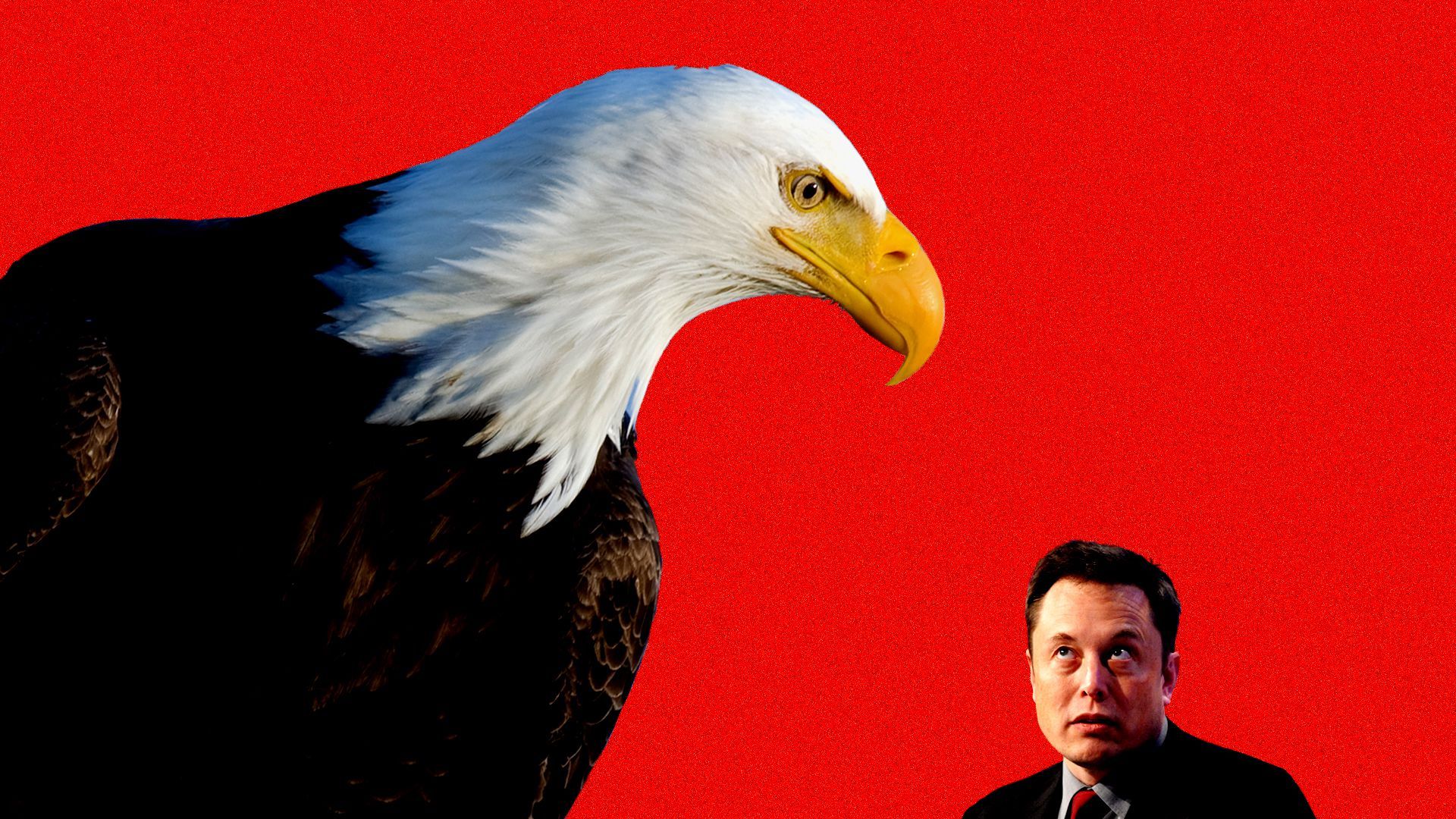
U.S. securities regulators have sued Elon Musk for allegedly making false statements related to his abandoned efforts to take Tesla Motors private.
Why it matters: Musk could be barred from serving as CEO of Tesla, or even as a director on its board. The prospect sent Tesla's stock down more than 10% in after-hours trading, representing over $5 billion in lost market cap.
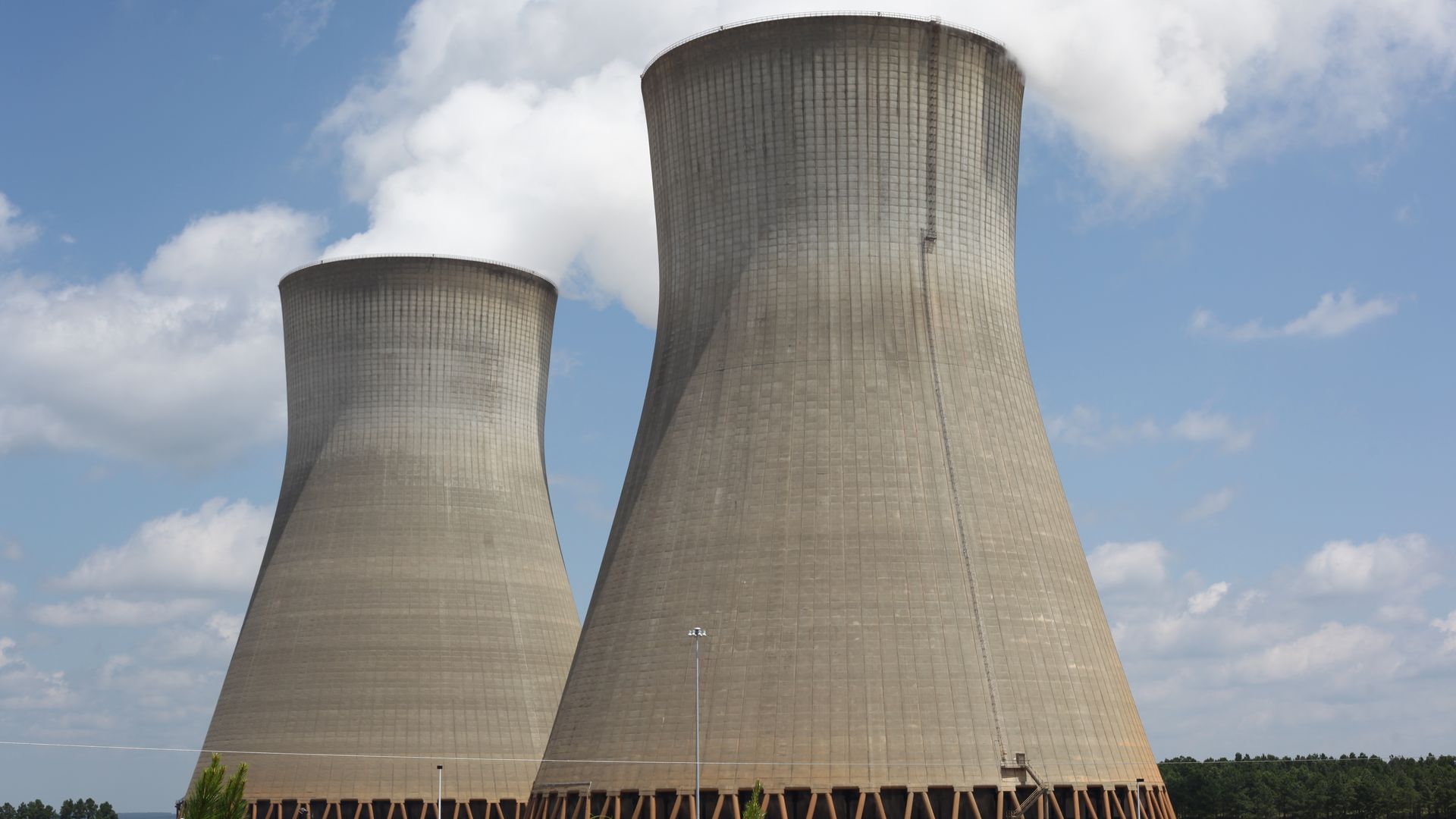
The only nuclear power project under construction in the U.S. will proceed after co-owners reached an 11th-hour deal Wednesday on how to handle further cost overruns.
Why it matters: For days, the future of Southern Company's delayed, way-over-budget construction of two new reactors at its Vogtle plant has been cloudy.
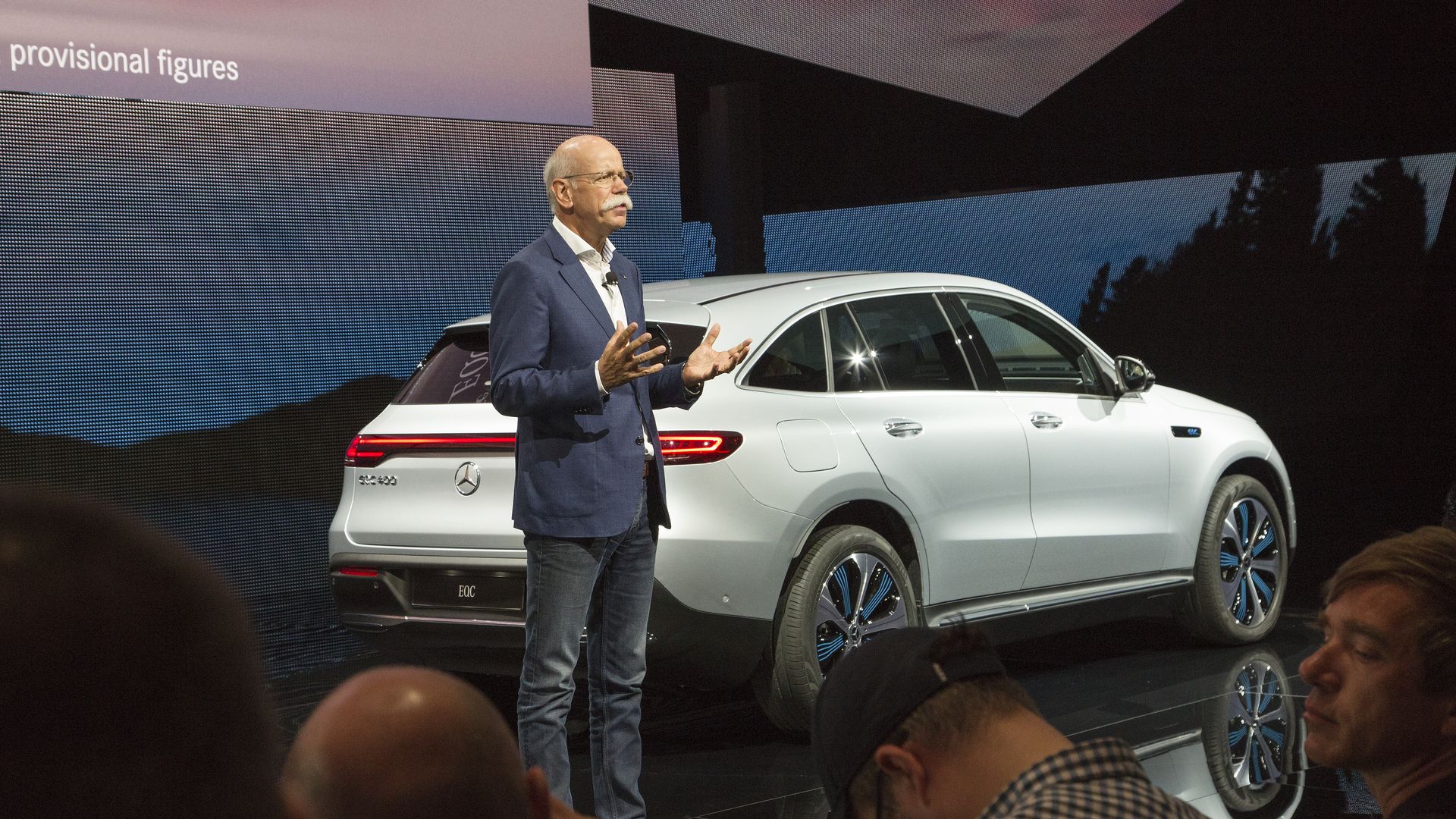
The changing of the guard at auto giant Daimler is the latest C-suite move at auto and energy giants that will help shape the future of both industries.
Driving the news: Daimler yesterday said that CEO Dieter Zetsche will step aside for current development head Ola Källenius, who the Wall Street Journal notes has been "leading the car maker’s push into electric vehicles and self-driving cars."
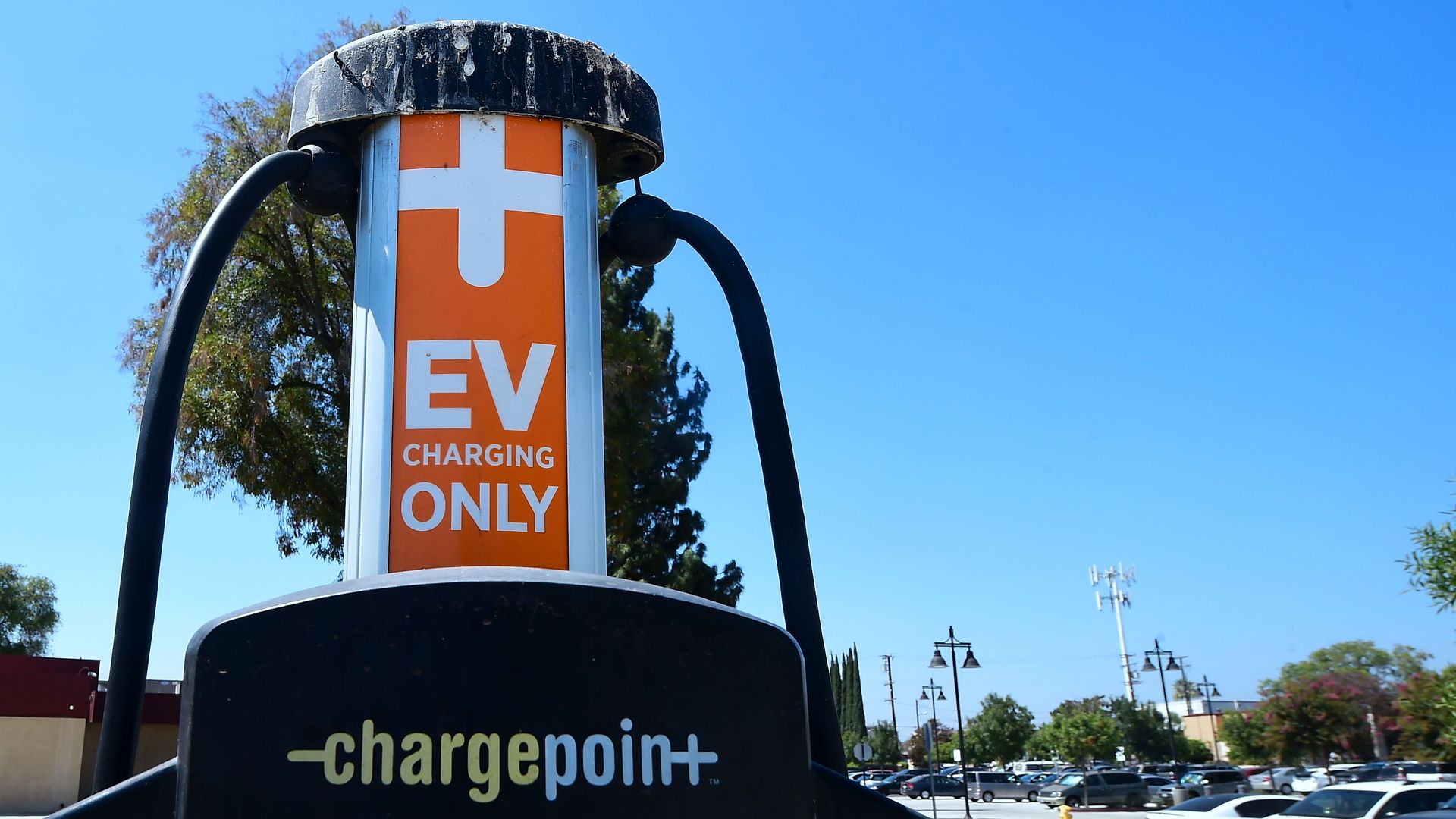
The Electric Vehicle Charging Carbon Coalition (EVCCC) recently announced a new method to certify the contribution of EV charging stations to the reduction of greenhouse gases (GHG). The certification would give EV charging station investors and installers access to the voluntary carbon market, which enables buyers to purchase carbon credits to offset their own emissions.
How it works: Carbon credits were first developed by the Climate Neutral Business Network and are now certified by third-party sources. One carbon credit represents a one-ton GHG reduction. EV charging stations would be able to obtain and sell these carbon credits to willing buyers — to a business that is struggling to reach a designated emissions reduction standard, for example, and wants to buy carbon credits to offset the gap.
The big question: Will the White House move to release oil from the Strategic Petroleum Reserve, and perhaps even throw its support behind the (largely symbolic) "NOPEC" legislation that would go after OPEC with U.S. anti-trust laws?
Royal Dutch Shell is sitting out a multi-million dollar fight over a carbon fee proposal in Washington state even as nearly all other oil companies with operations there rally to oppose it.
Why it matters: It’s a sign of the oil industry’s uneven, years-long evolution toward supporting policies that put a price on carbon emissions. And whether Washington State voters support the initiative, which is on the state-wide ballot this Election Day, will be a bellwether for other attempts at big climate policy.