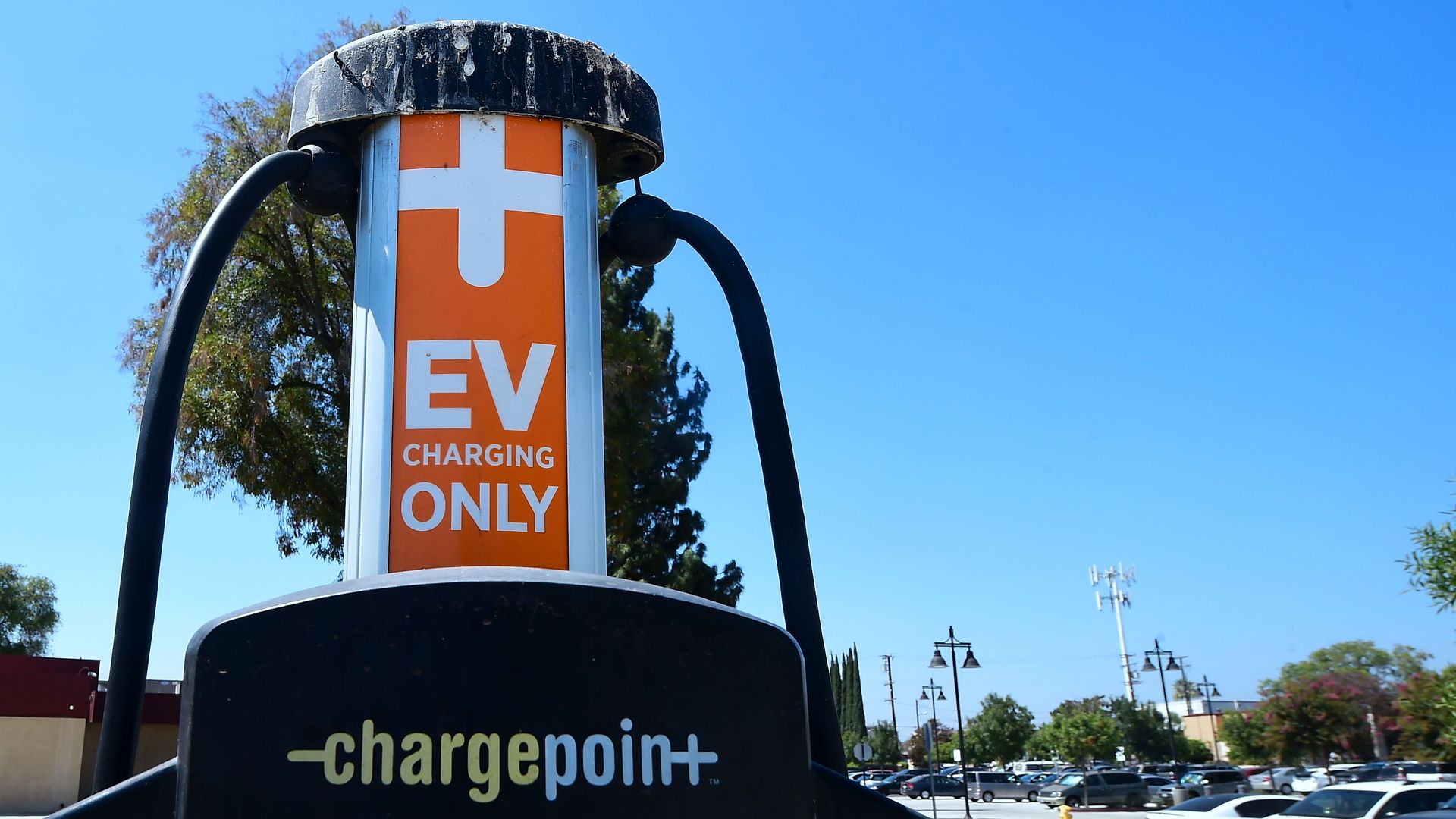
The Electric Vehicle Charging Carbon Coalition (EVCCC) recently announced a new method to certify the contribution of EV charging stations to the reduction of greenhouse gases (GHG). The certification would give EV charging station investors and installers access to the voluntary carbon market, which enables buyers to purchase carbon credits to offset their own emissions.
How it works: Carbon credits were first developed by the Climate Neutral Business Network and are now certified by third-party sources. One carbon credit represents a one-ton GHG reduction. EV charging stations would be able to obtain and sell these carbon credits to willing buyers — to a business that is struggling to reach a designated emissions reduction standard, for example, and wants to buy carbon credits to offset the gap.
The big question: Will the White House move to release oil from the Strategic Petroleum Reserve, and perhaps even throw its support behind the (largely symbolic) "NOPEC" legislation that would go after OPEC with U.S. anti-trust laws?
Royal Dutch Shell is sitting out a multi-million dollar fight over a carbon fee proposal in Washington state even as nearly all other oil companies with operations there rally to oppose it.
Why it matters: It’s a sign of the oil industry’s uneven, years-long evolution toward supporting policies that put a price on carbon emissions. And whether Washington State voters support the initiative, which is on the state-wide ballot this Election Day, will be a bellwether for other attempts at big climate policy.
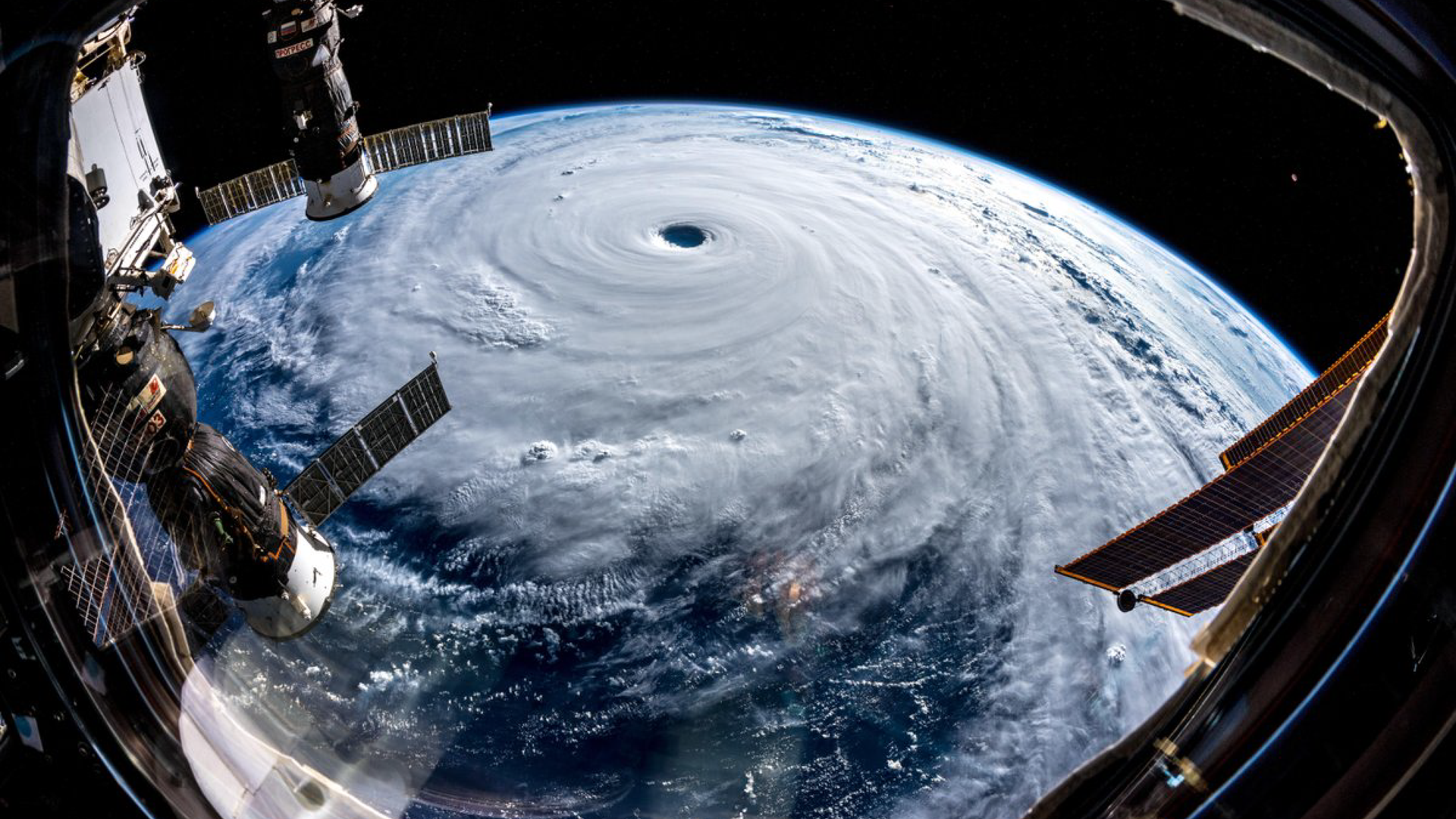
Super Typhoon Trami, which as of Tuesday afternoon was the equivalent of a Category 4 hurricane, is projected to hit Japan this weekend. The storm is likely to be weaker by then, but it will follow on the heels of severely damaging Super Typhoon Jebi, which brought a record high storm surge to Osaka Bay, flooding Osaka Kansai Airport.
The big picture: Super Typhoon Trami is one of the more powerful — and photogenic — storms to form in the northern hemisphere so far this year. Yet again it appears Japan will feel its worst effects, beginning in the Ryukyu Islands on September 28 or 29. It's also possible the storm will curve out to sea without hitting the most populous Japanese islands.
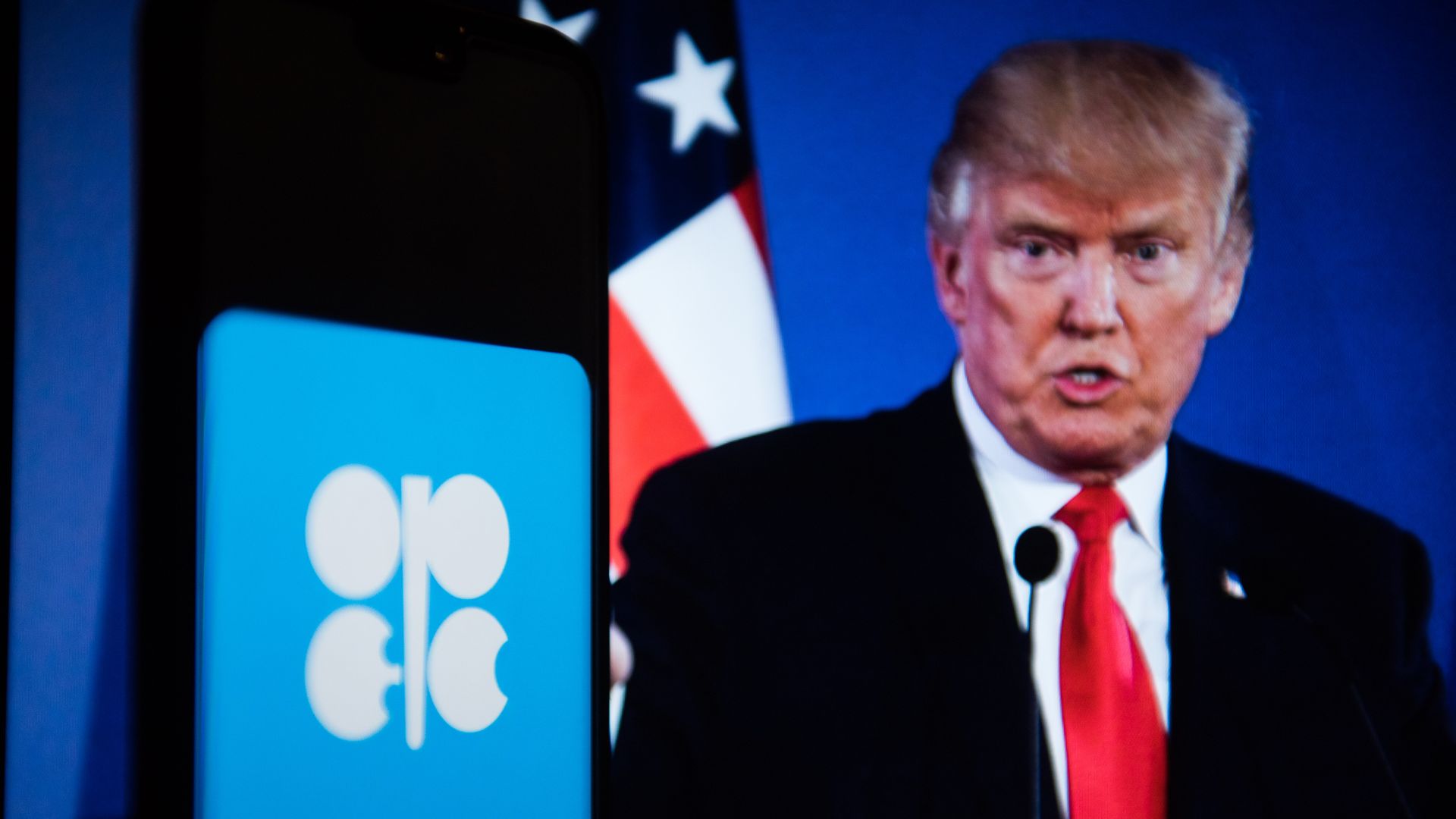
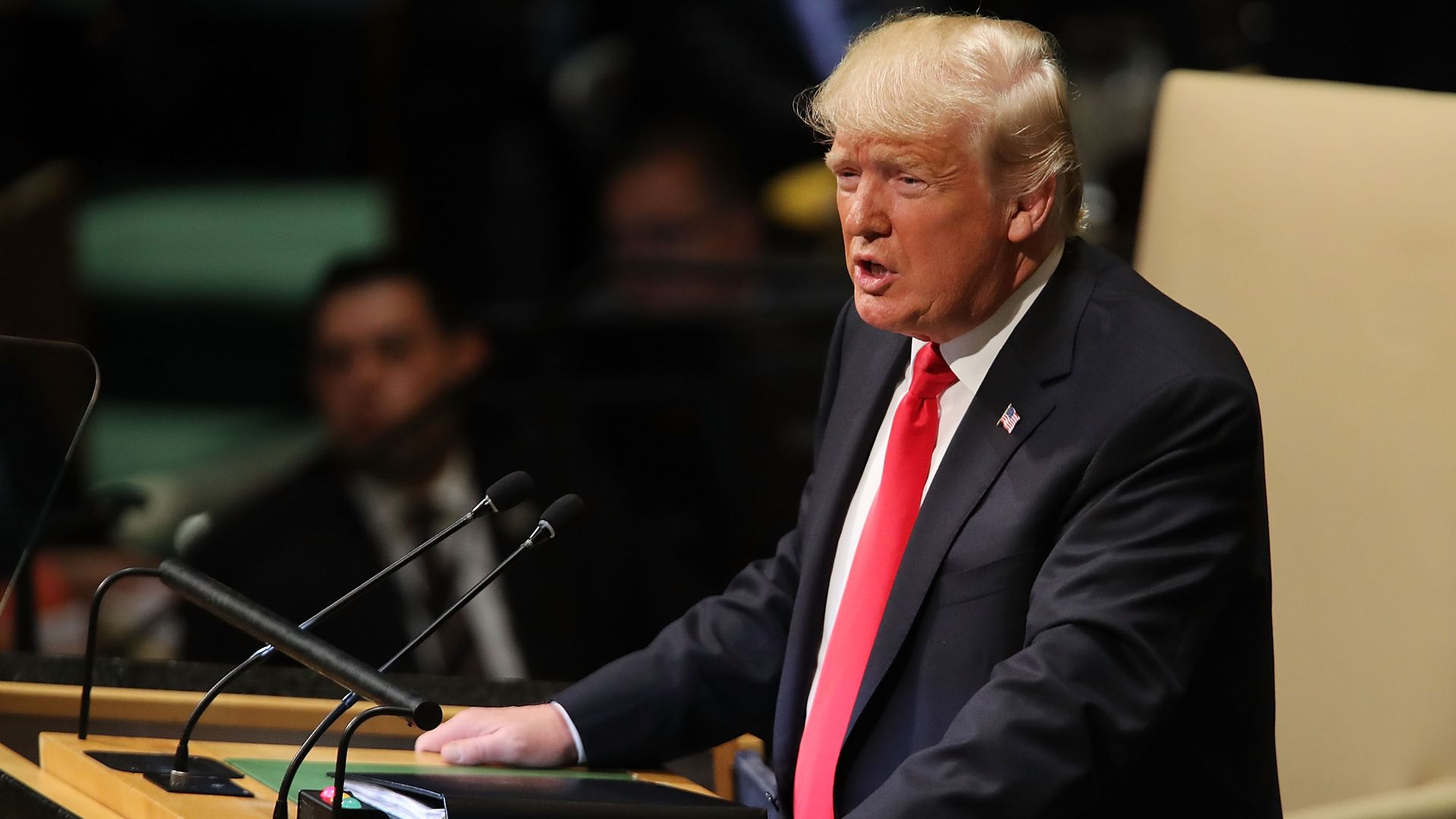
President Trump moved his criticism of OPEC from Twitter to the United Nations on Tuesday with remarks hitting the cartel for "ripping off the rest of the world."
The big picture: His comments come as crude oil prices are at their highest level in four years. They follow Sunday's meeting of OPEC ministers and allied producers — notably Russia — that ended without an agreement for new production increases.
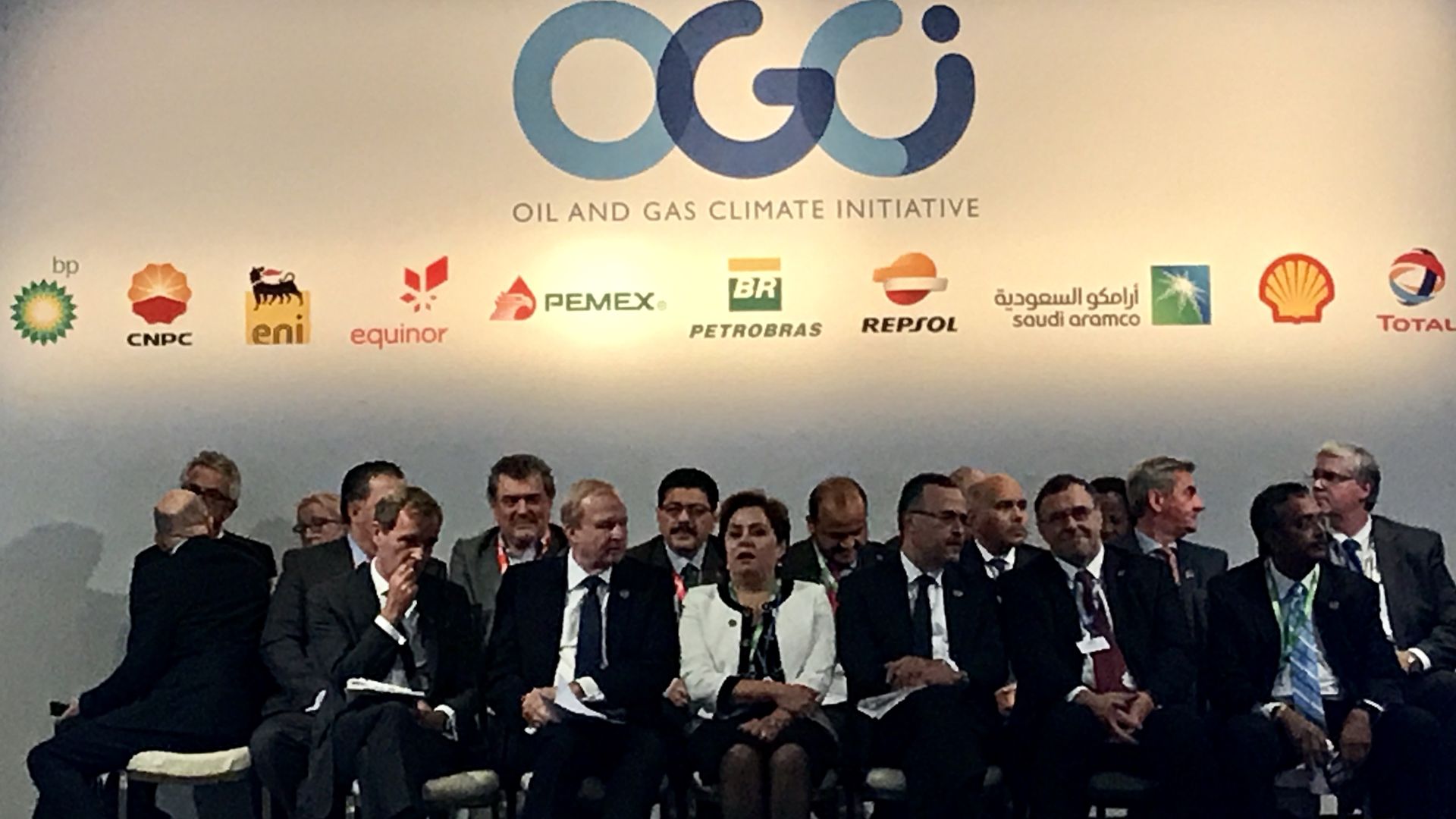
NEW YORK — CEOs of the world’s biggest oil and natural gas companies are pledging to cut their emissions of methane, a potent greenhouse gas, by one-fifth despite staying silent on the Trump administration’s regulatory rollback on the matter.
Why it matters: The announcement made Monday by the Oil and Gas Climate Initiative, a group of top oil companies that represent nearly a third of the world’s oil and gas production, is a significant move given methane's impact in warming the planet is far greater in a shorter time span than carbon dioxide.
Over the past year, the European Union Emission Trading Scheme (EU ETS) has acted on the market to reduce the number of available CO2 allowances in its cap-and-trade system. Initiated in 2005, it is the largest such system in the world designed for reducing greenhouse gas (GHG) emissions, whereby businesses must purchase a permit at a set price in order to emit CO2.
What's new: The ETS' recent action, along with the increase in post-recession industrial productivity, has led to more than a 320% rise in CO2 allowance price, to around 22 euros per ton. This is good news insofar as CO2 emissions will likely decrease, but might jeopardize the competitiveness of businesses worldwide.