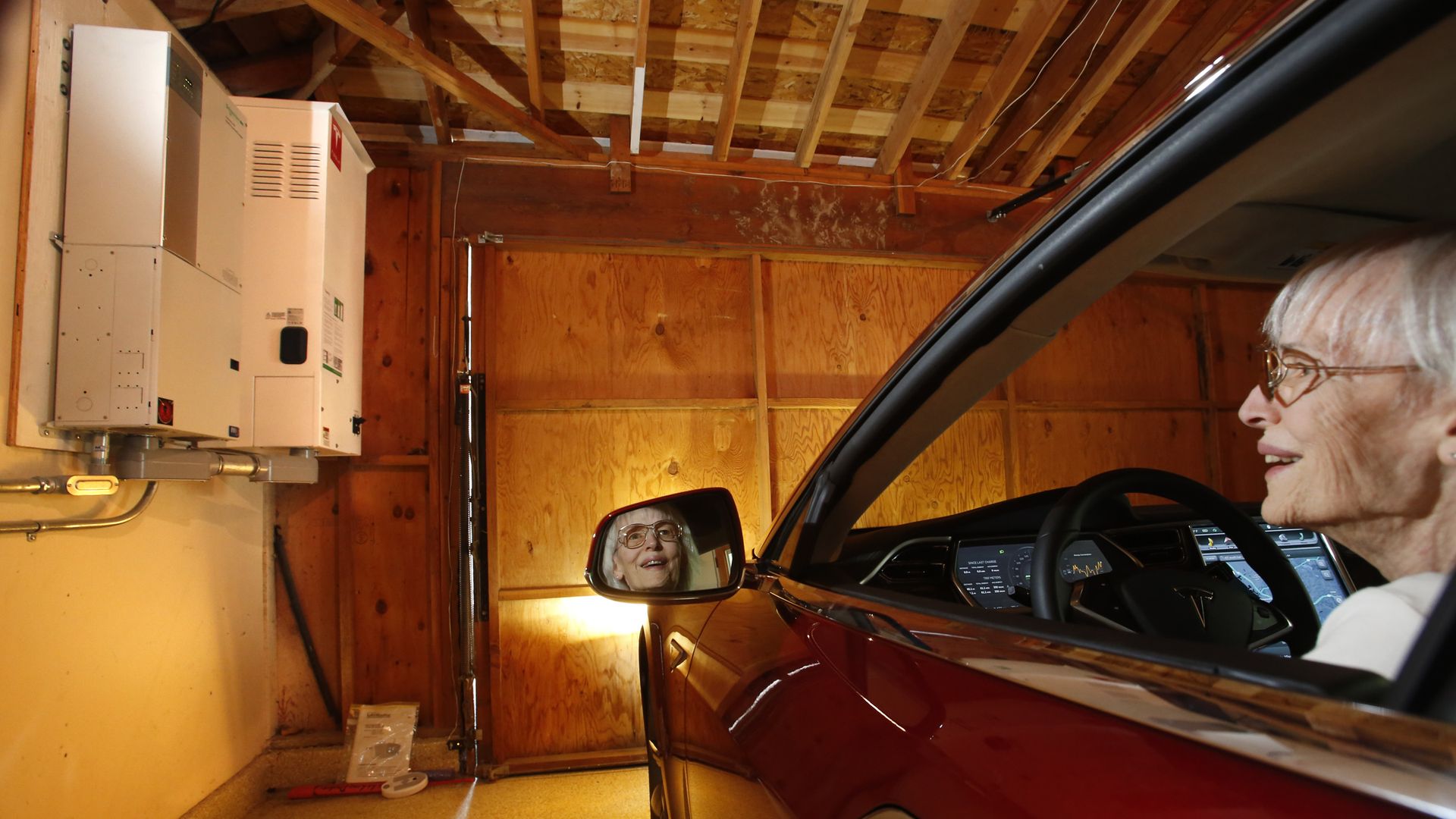
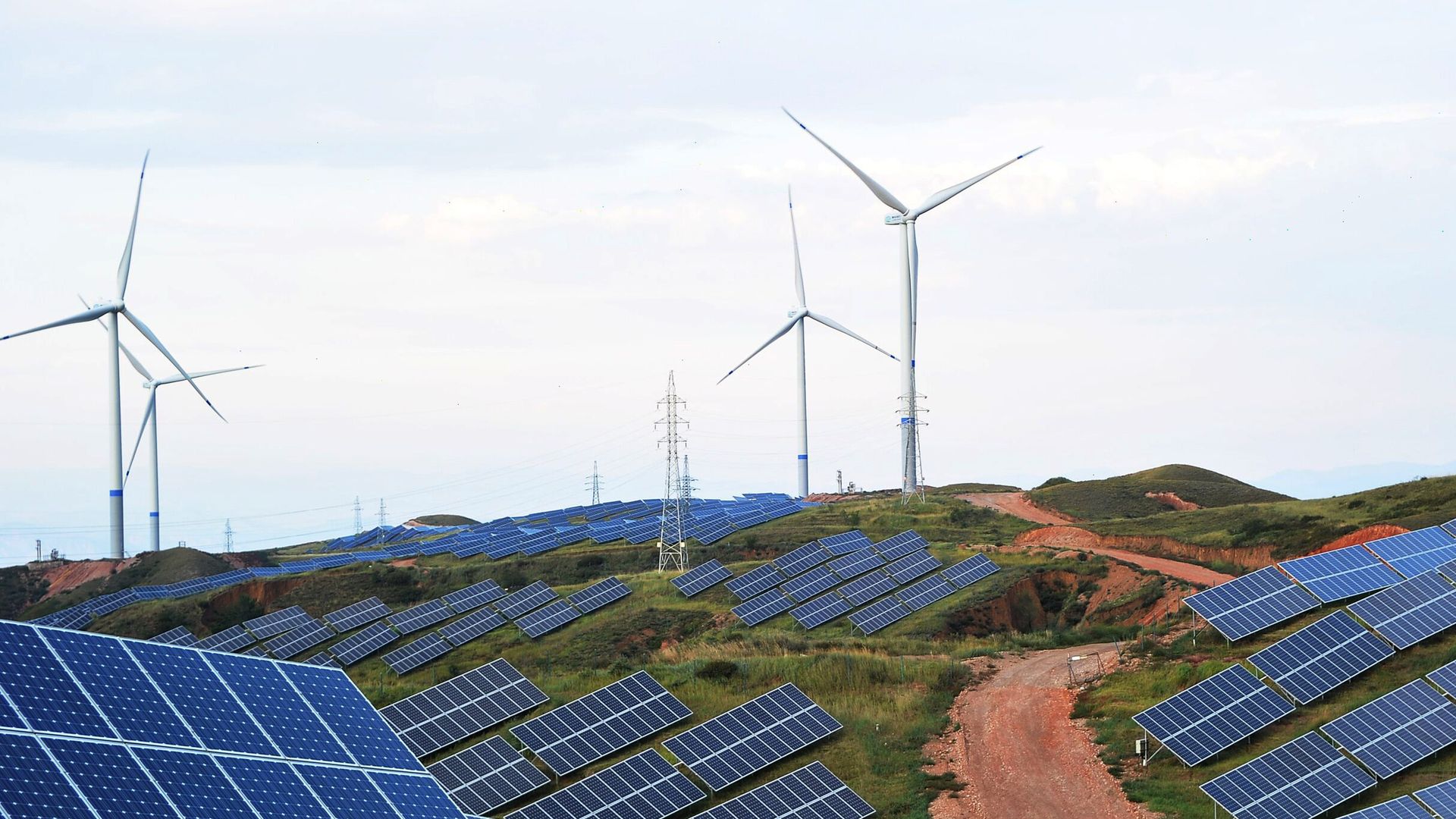
Installations of home energy storage system in the U.S. hit a record high in the first quarter of 2018, according to a new industry report. The new capacity of 36 megawatt-hours will sustain an estimated 4,000 home systems and adds to the 1,080 megawatt-hours installed in the past 4 years.
The big picture: Home energy storage systems commonly use batteries to store the electricity generated by rooftop solar panels, which can then be used during peak times and on demand to reduce utility costs or for backup power during inclement weather. The increasing penetration of residential and commercial solar installations has lowered energy demands on utilities. But the policies they have implemented to offset those losses have ended up making home energy systems even more attractive.
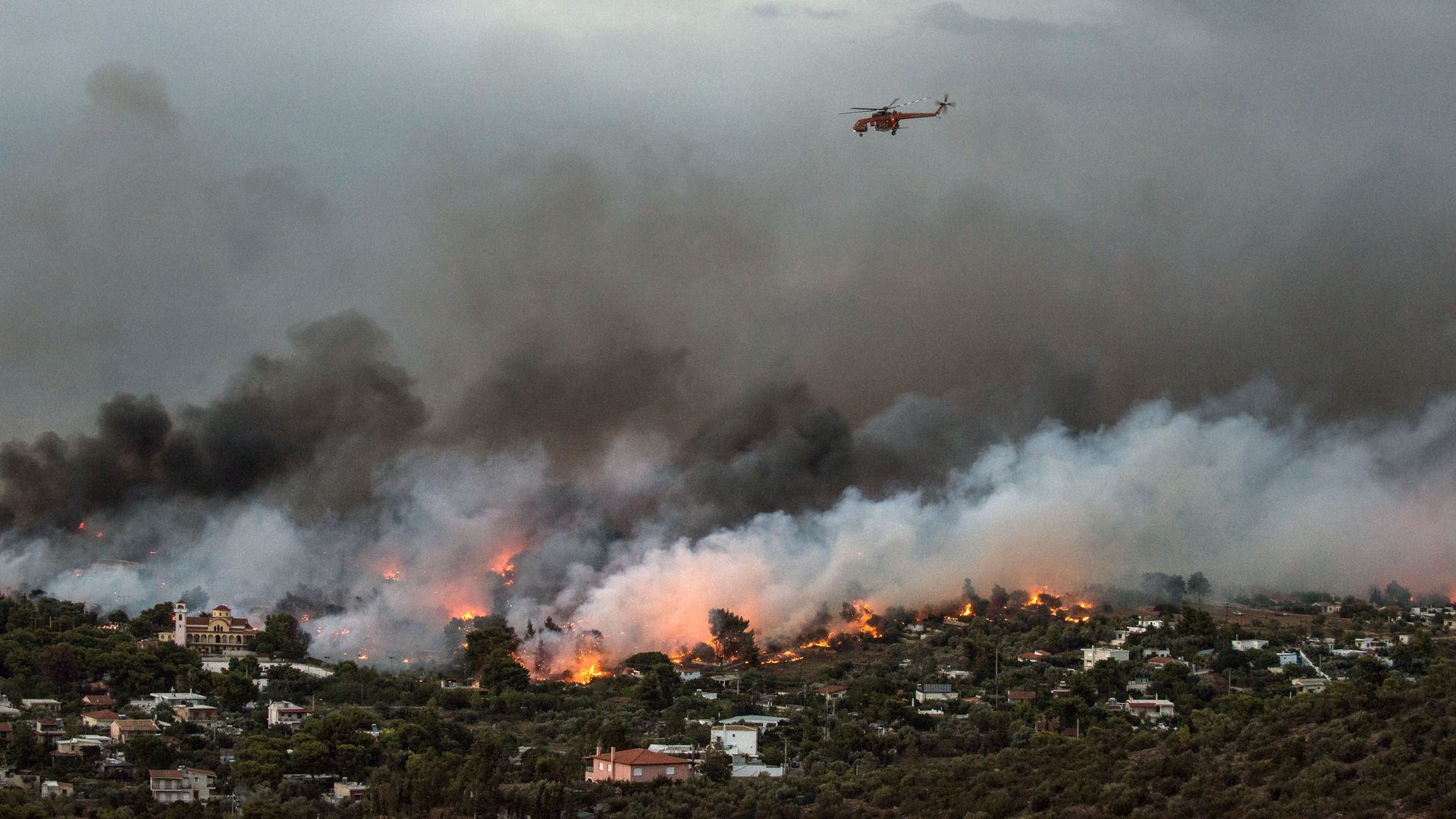
Wildfires in the Attica region of Greece, which includes the capital Athens, have killed at least 60 people and forced hundreds to evacuate, reports Reuters.
Why it matters: These are the deadliest wildfires in Greece since 2007, when three consecutive heat waves resulted in more than 3,000 fires across the country, killing 84. The European Union has dispatched firefighters and aid to Greece, Sweden, and Latvia, where forest fires have also forced evacuations, reports AFP.
ExxonMobil's mammoth discovery off Guyana's coast has grown even bigger — the deepwater Stabroek block is now estimated to contain 4 billion barrels of recoverable oil, the company announced Monday.
Why it matters: The new estimate (its prior estimate was 3.2 billion barrels) is a bright spot for Exxon, and a key part of Exxon's long-term recovery strategy. The last several years have been an atypically difficult stretch for the company, including a stock price plunge earlier this year with only partial recovery, and it has struggled to grow production even as crude prices have come back.
Some of Washington’s most influential industry trade associations, including the U.S. Chamber of Commerce, have formed a new advocacy group, launched Monday, urging President Trump to back an Obama-era climate policy.
The details: The coalition, called Let America Lead, focuses on how the policy — a phase-down of heat-trapping chemicals used in appliances like air conditioners — makes America competitive and creates jobs. Climate change isn’t mentioned.
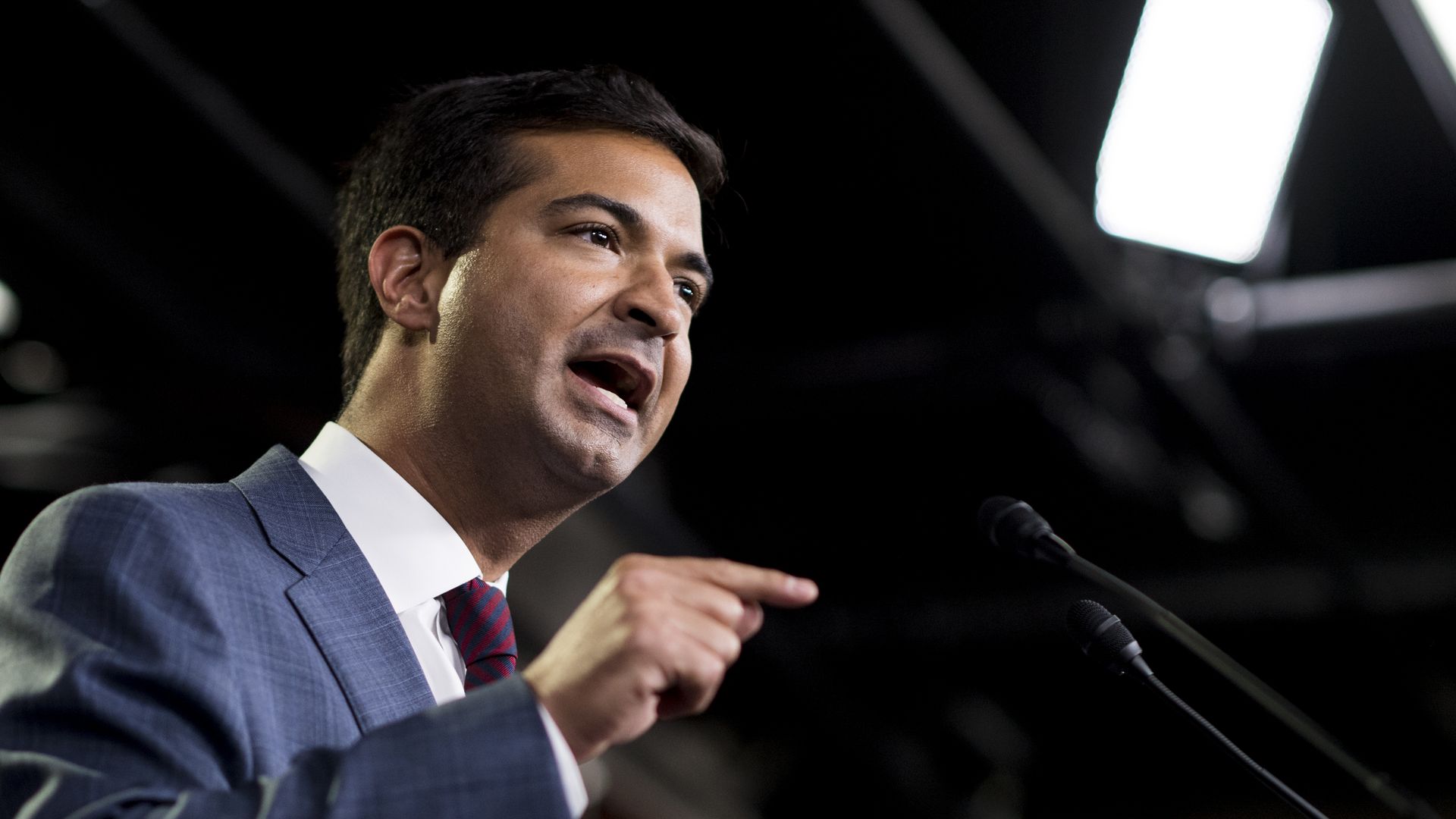
Republican Rep. Carlos Curbelo of Florida officially introduced his legislation taxing carbon emissions Monday afternoon.
The bottom line: This bill is significant not because it has a chance at passing Congress soon (it doesn’t), but because it’s the first substantive Republican measure on the issue in nearly a decade. The bill’s existence will further fuel what has been for months a simmering policy and political fight over one of the most contentious ideas Washington has ever considered.
Just weeks after floods that killed 200, Japan is facing another threatening natural phenomenon: a heat wave reaching record temperatures nationwide, already reportedly killing at least 70 people.
The big picture: Because of the lack of an El Niño event in the Pacific (which boosts temperatures), 2018 wasn't expected to be a record-shattering hot year, but it's shaping up to be a top five warmest year on record globally. The 106 °F reading, which topped the previous all-time high of 105.8°F in 2013, occurred in Kumagaya, a town 40 miles north of Tokyo.
A new nonprofit is launching today that seeks to use emerging digital technologies like blockchain to advance energy and climate-change goals by giving consumers greater control over their energy use while cutting government regulation.
Why it matters: The balkanization of the U.S. electricity market has long confused its own consumers, and the application of digital technologies in the energy and climate space is still pretty new. This nonprofit is one of the few (if only) permanent organizations focused on it.
Climate change is starting to become a political worry for some Republicans.
The big picture: For years, Republicans could ignore the issue or outright question mainstream climate science without political worry. That’s starting to change. Some congressional Republicans are beginning to find it in their political interest to at least acknowledge climate change and oppose efforts to weaken existing policies.