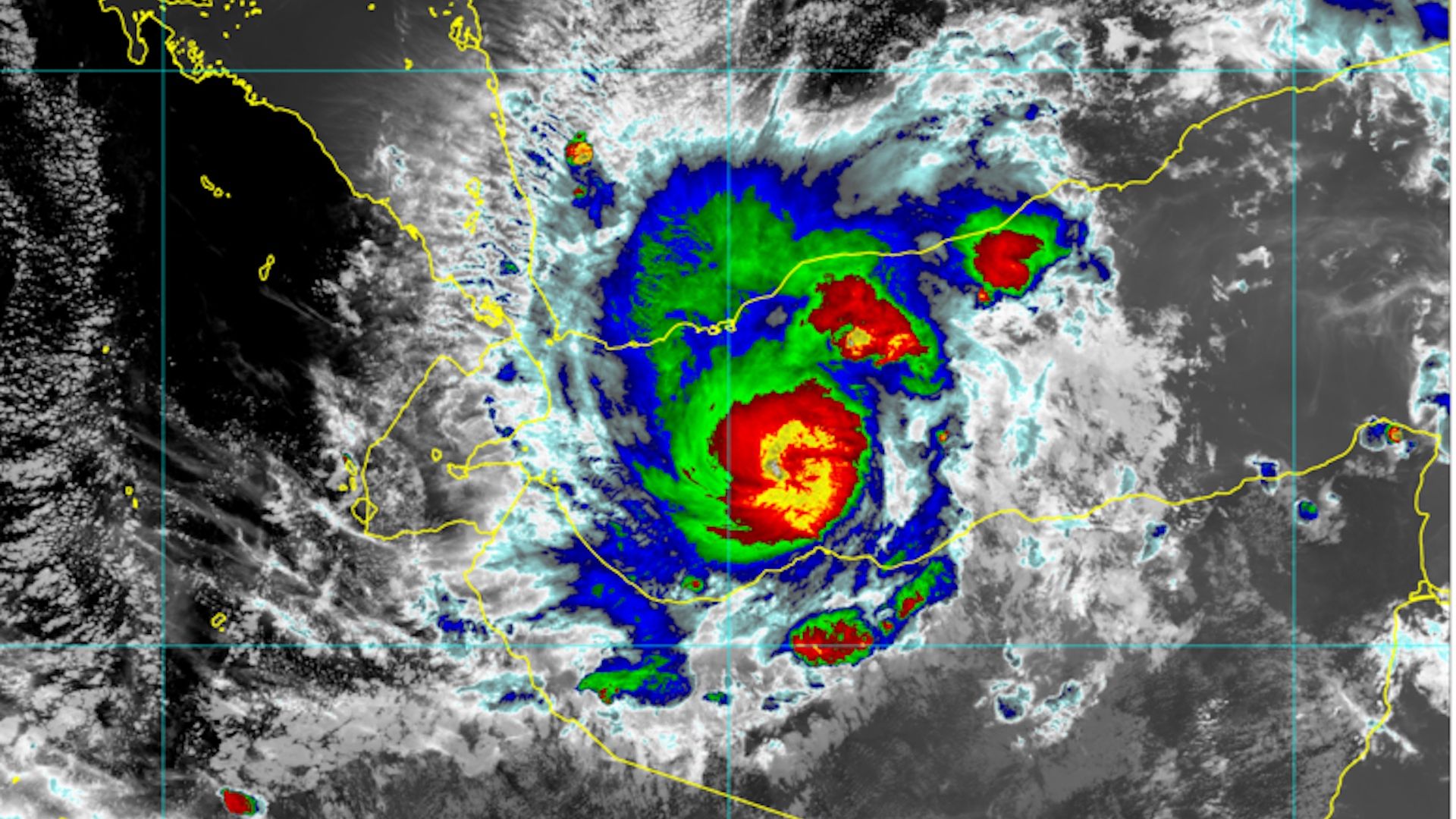
Tropical Cyclone Sagar is taking a path that few storms have taken before, as the compact storm draws on energy from the Gulf of Aden. Forecasts call for Tropical Sagar to make landfall between Somalia and Djibouti on Friday night, eastern time.
Humanitarian concerns: Somalia is still in the midst of unrest, and U.S. military forces operate there and in neighboring Djibouti, where most of America's African counterterrorism operations are based. This storm threatens to dump a year's worth of rain in just one or two days, causing flooding that may displace thousands of people, depending on the exact landfall location.
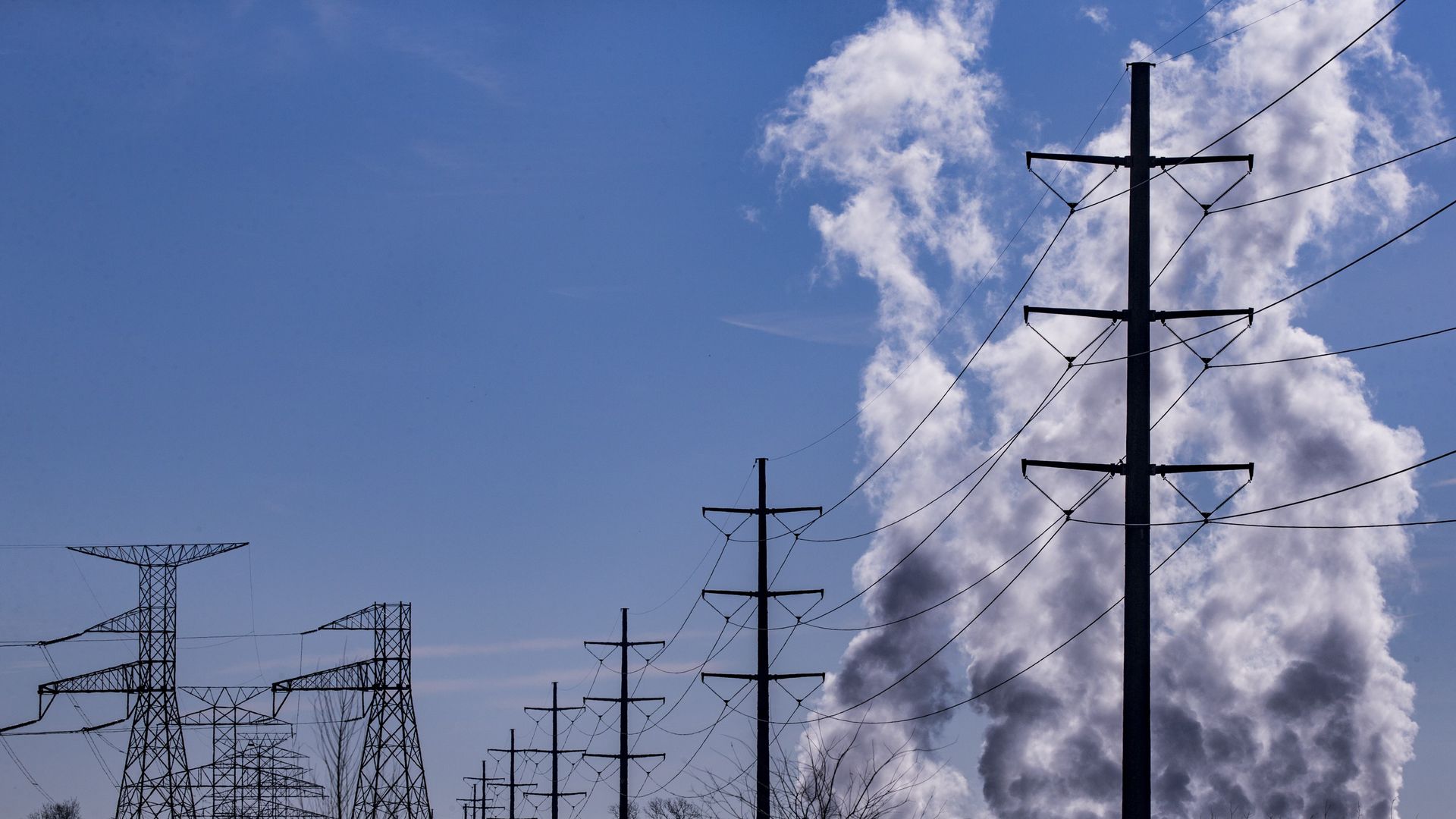
The electricity grid that serves most of Texas, known as ERCOT, operates on a relatively rare energy-only electricity market. An energy-only market pays power plants only for producing electricity, while other markets provide "capacity payments" to generators to be available even when not producing power. Texas built this lean market to keep down costs, but this summer could pose a threat to its survival.
The big picture: A combination of sustained low natural gas prices and increasing supply from renewables has kept ERCOT’s electric wholesale market prices so low for so long that some power plants have been driven out of the market.
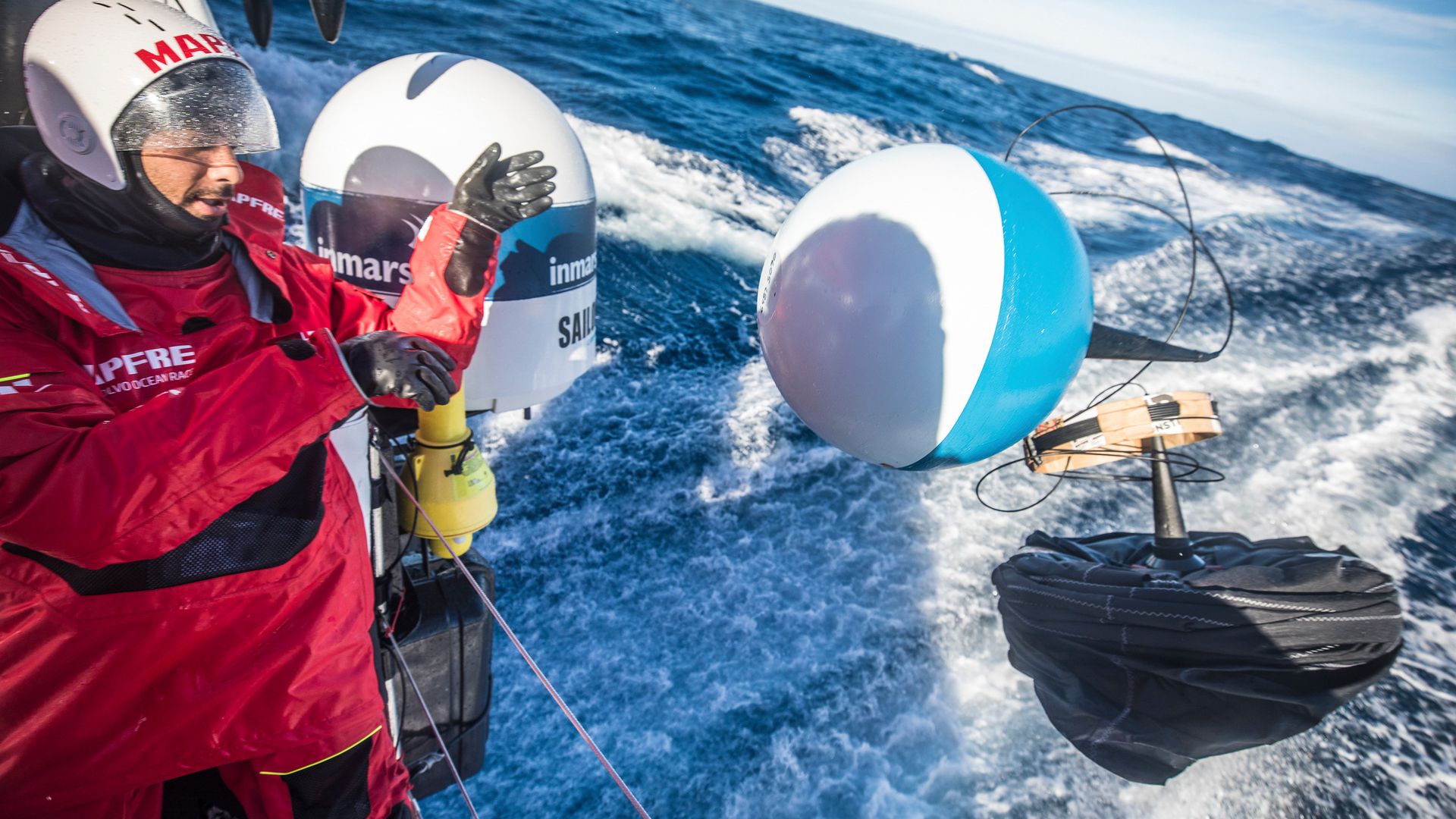
Sailors taking part in the daring round-the-world Volvo Ocean Race collected water samples at a place called Point Nemo, which is the most remote spot in the world's oceans. They found that, despite the location's distance from land, the water there contained a considerable amount of plastic.
Why it matters: The finding, announced Friday at an oceans conference in Newport, Rhode Island, bolsters conclusions from a recent study that found a plastic bag adrift in the Mariana Trench — the deepest spot in the ocean.
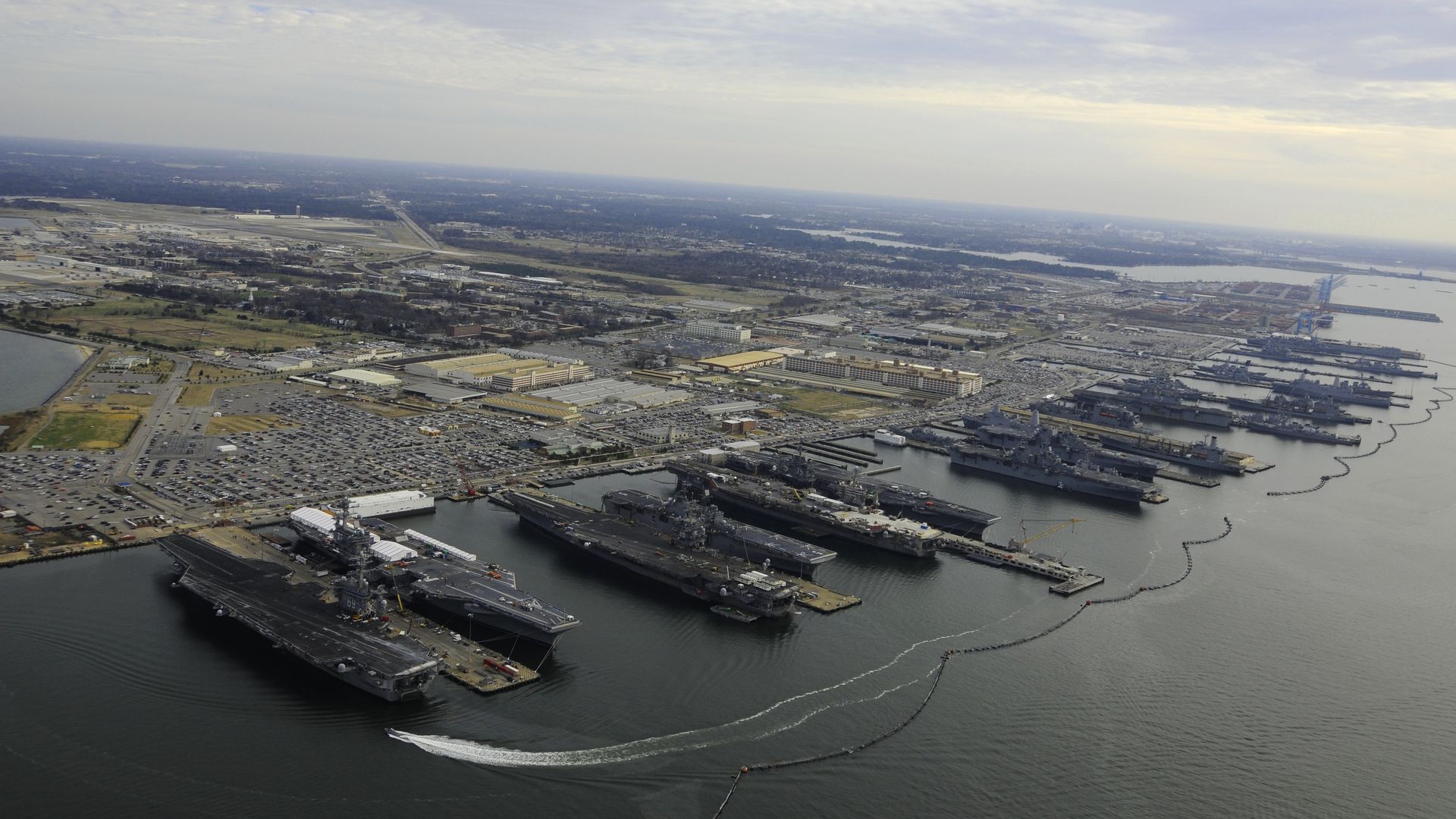
President Trump’s Defense Department cut all but 1 of 23 mentions of “climate change” from the final draft of a Congressionally mandated report on climate risks — increased flooding, drought, wildfire and extreme temperatures — to U.S. military installations.
Why it matters: This wordsmithing signals to the thousands of men and women in uniform that climate change is not an important issue for them. Refusing to acknowledge climate change in U.S. national security policy doesn’t make the threat any less real — it only impedes the formulation of concrete, necessary plans.
Human activities are encroaching on the lands we've set aside to protect vulnerable species, according to new research.
Key findings: The study, published Thursday in Science, found that about 33% — or roughly 2.3 million square miles — of protected land worldwide is under "intense human pressure" from development, such as roads, growing urban areas, and agriculture. Only 42% of protected land is free of any "measurable human pressure," the researchers found.
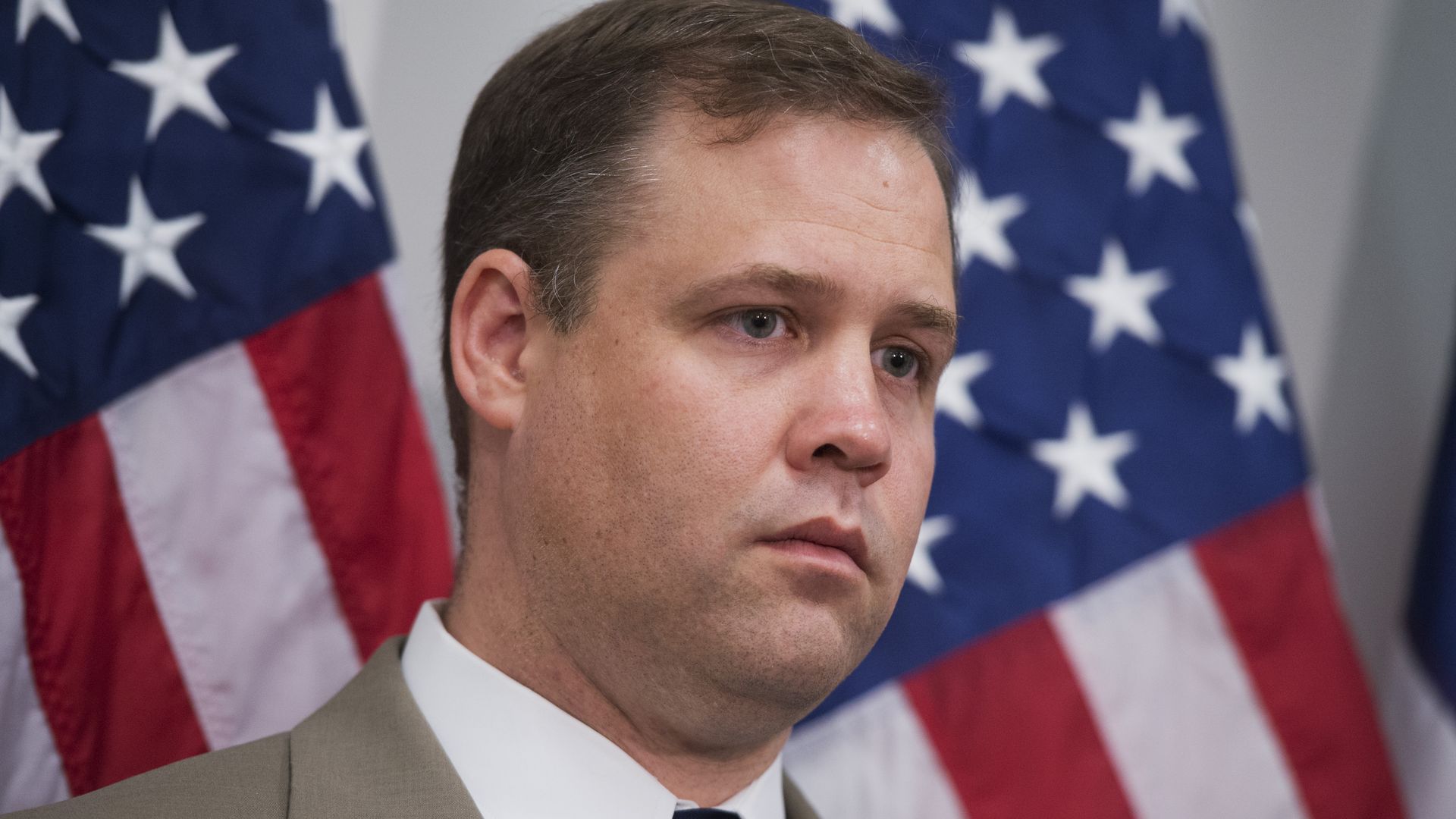
NASA Administrator Jim Bridenstine moved closer Thursday to embracing the scientific consensus that human activities are the dominant cause of global warming.
Why it matters: His comments are the closest that any top Trump administration official has come to endorsing the mainstream scientific view on the effects of human-caused greenhouse gas emissions.
New data and analyses underscore both the promise and limits of President Trump's repeated claim that the U.S. should be an "energy dominant" country.
One factor: The Energy Information Administration said yesterday that U.S. crude oil exports hit a fresh record of 2.57 million barrels per day (mbd) last week — the highest level since the 2015 lifting of the crude export ban. U.S. overall crude production is also at record highs.
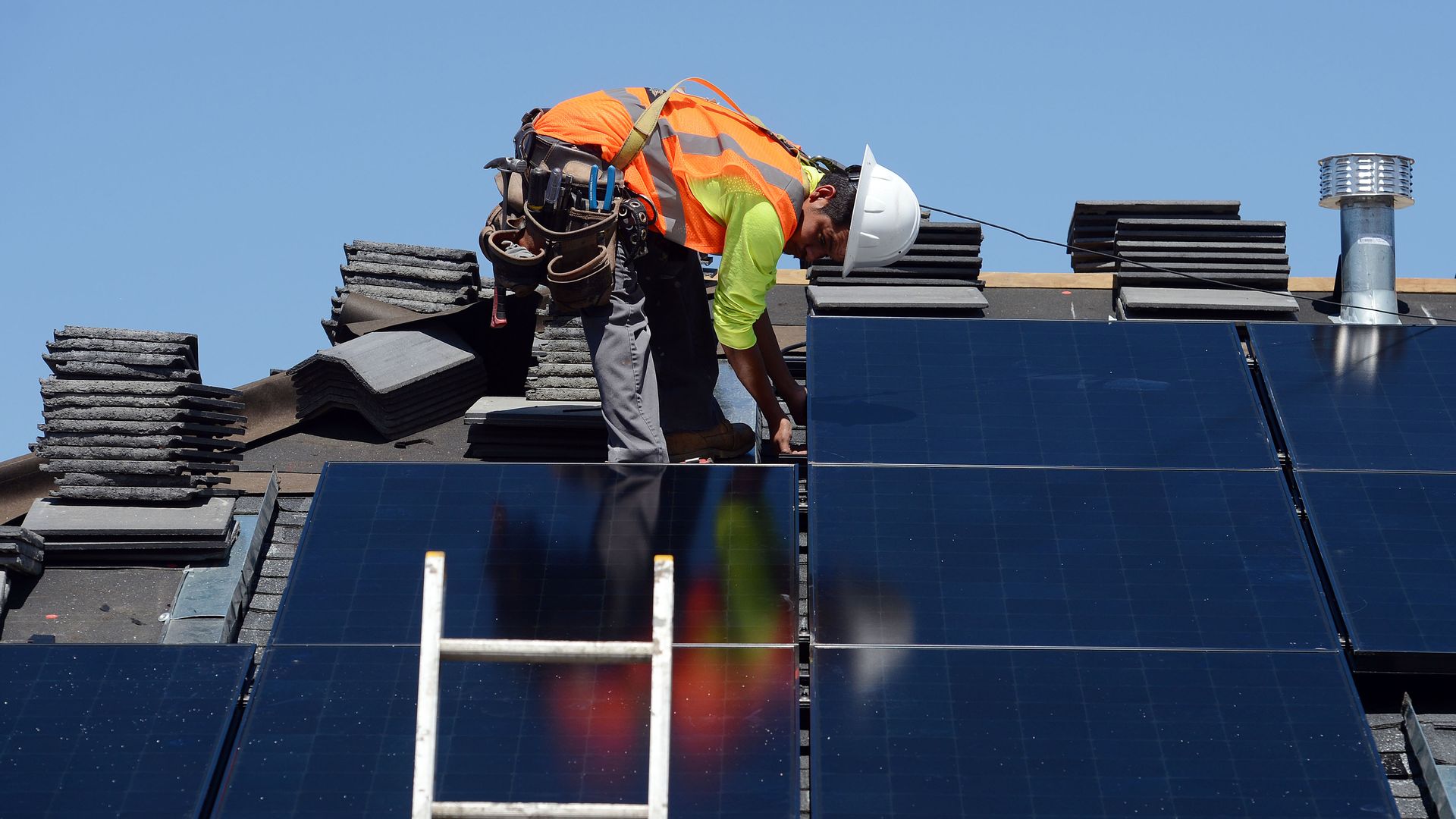
A detailed new report shows that employment in U.S. energy industries grew by 133,000 jobs in 2017 despite the first dip in solar-related employment in several years.
The big winner: The energy efficiency sector alone represented half the growth, adding a net 67,000 new jobs, according to the report.