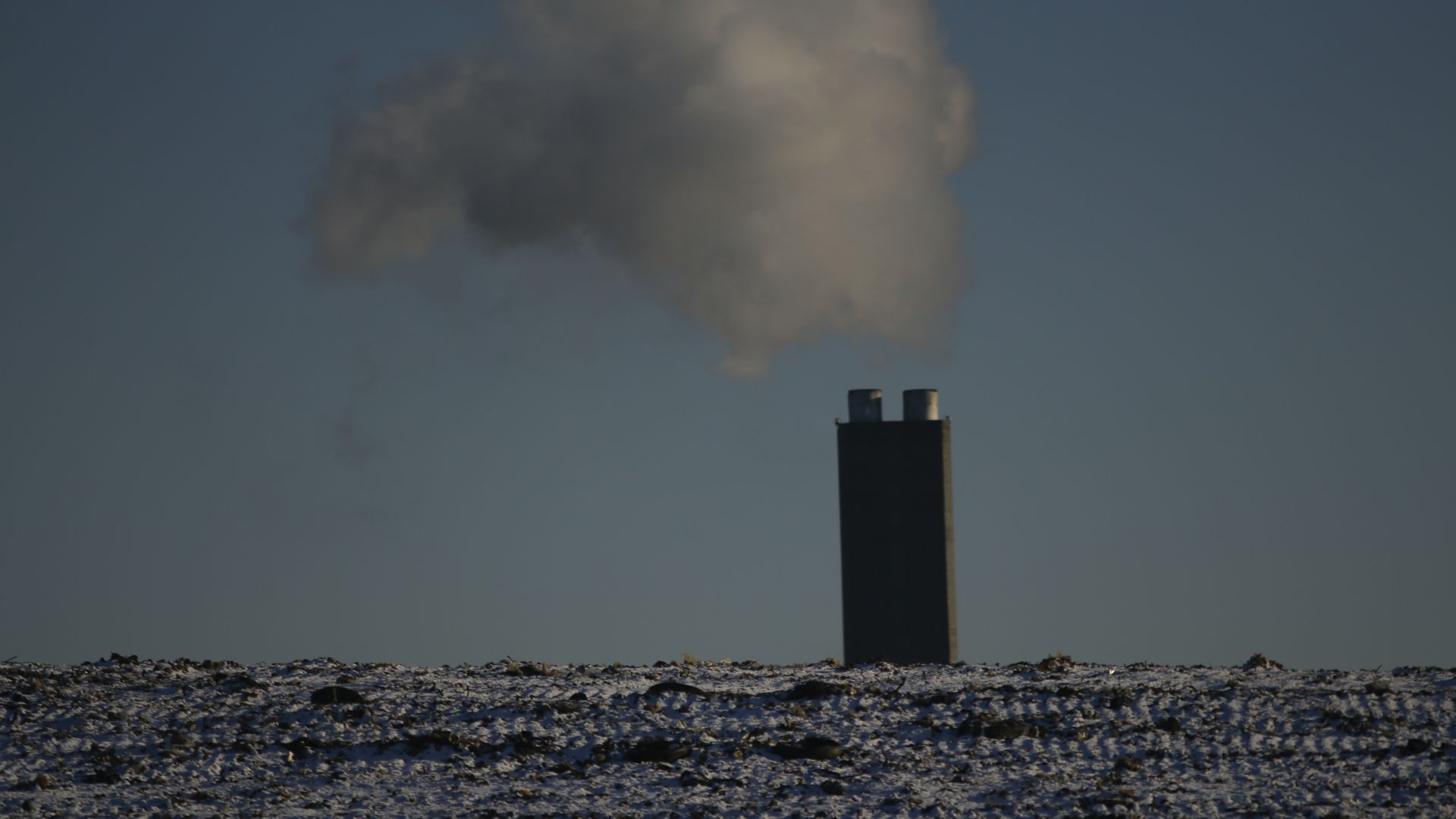
The Environmental Protection Agency released an annual report Wednesday that concludes 2016 greenhouse gas emissions are 2% lower than the previous year and 11% lower than 2005.
What they're saying: EPA Administrator Scott Pruitt said on Twitter that the report's findings aren't a result of the Obama administration’s "top-down" regulations, like a rule that cuts carbon emissions from power plants or the "misguided" 2015 Paris climate deal. Instead, Pruitt said “American ingenuity and tech breakthroughs have made US the world leader in energy dominance while reducing emissions.”
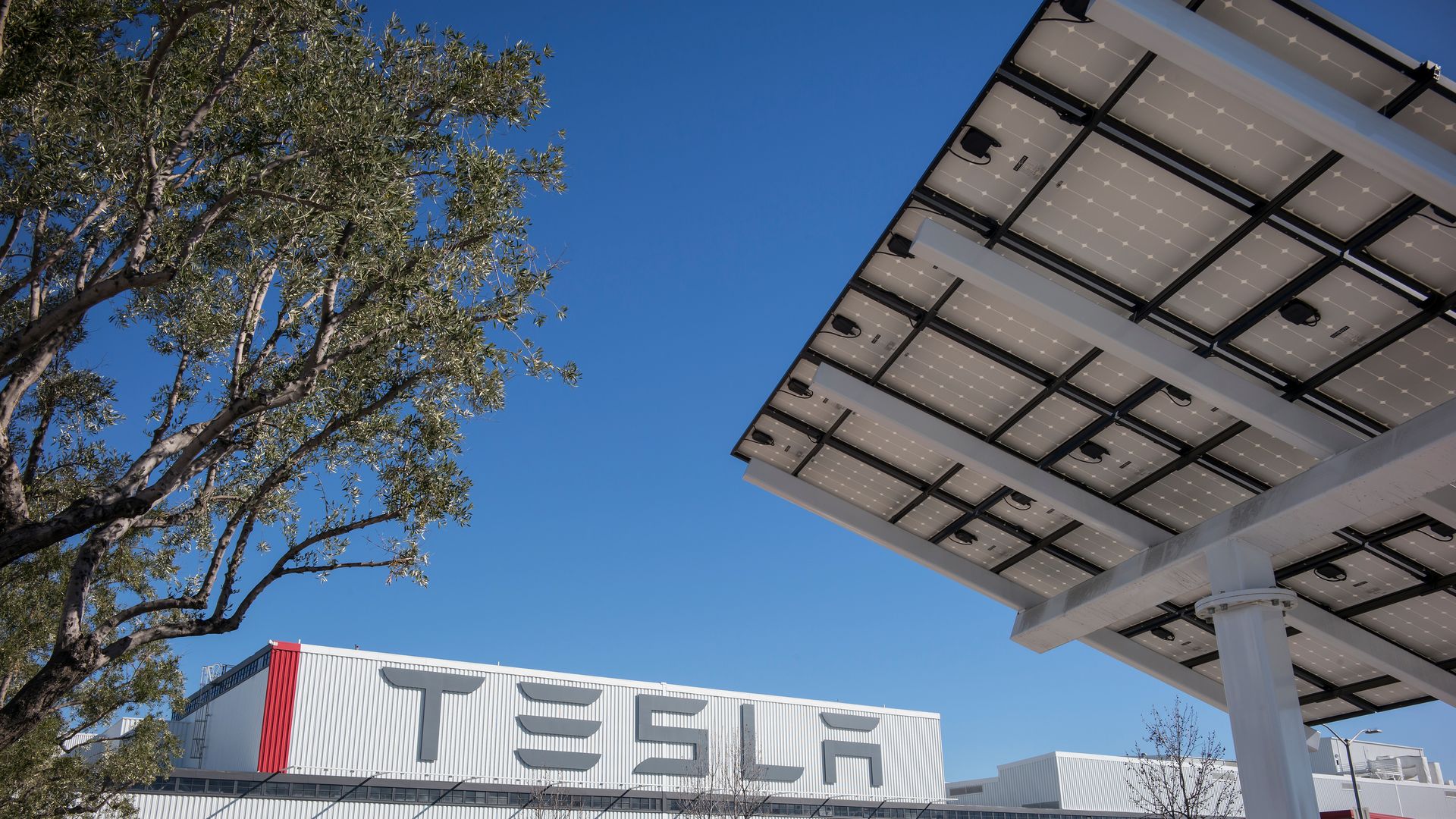
Tesla is being investigated by California’s Division of Occupational Safety and Health for its worker protection policies after a story was published by Reveal stating that the company failed to disclose worker injuries, reports Bloomberg.
The details: Reveal's story added that Tesla employees on the environment, health and safety team reported that the personal preferences of CEO Elon Musk were regularly cited as a reason not to address possible risks in production. Tesla responded to Reveal's story in a blog post calling it “an ideologically motivated attack by an extremist organization working directly with union supporters to create a calculated disinformation campaign against Tesla,” per Bloomberg.
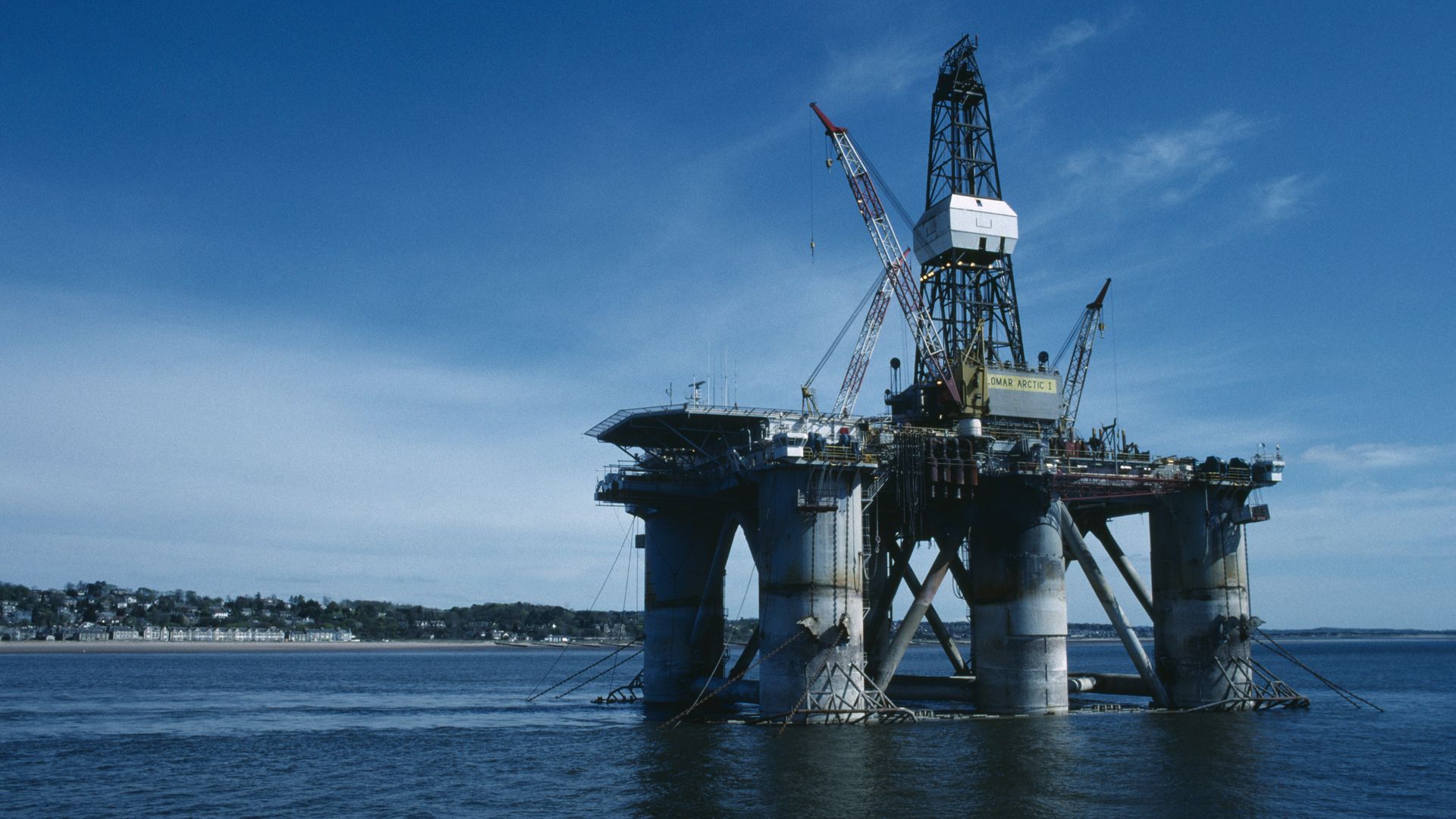
Crude oil prices jumped Wednesday thanks to new data showing more shrinkage of the U.S. oil stockpile and signs that OPEC and Russia are continuing their tight supply policy.
Why it matters: The price surge suggests that oil may no longer be stuck in the $60 to $70-a-barrel range, but may have room to rise much higher. That would put a lot more money in the coffers of the petro-states, and could bring inflation to oil-consuming states.
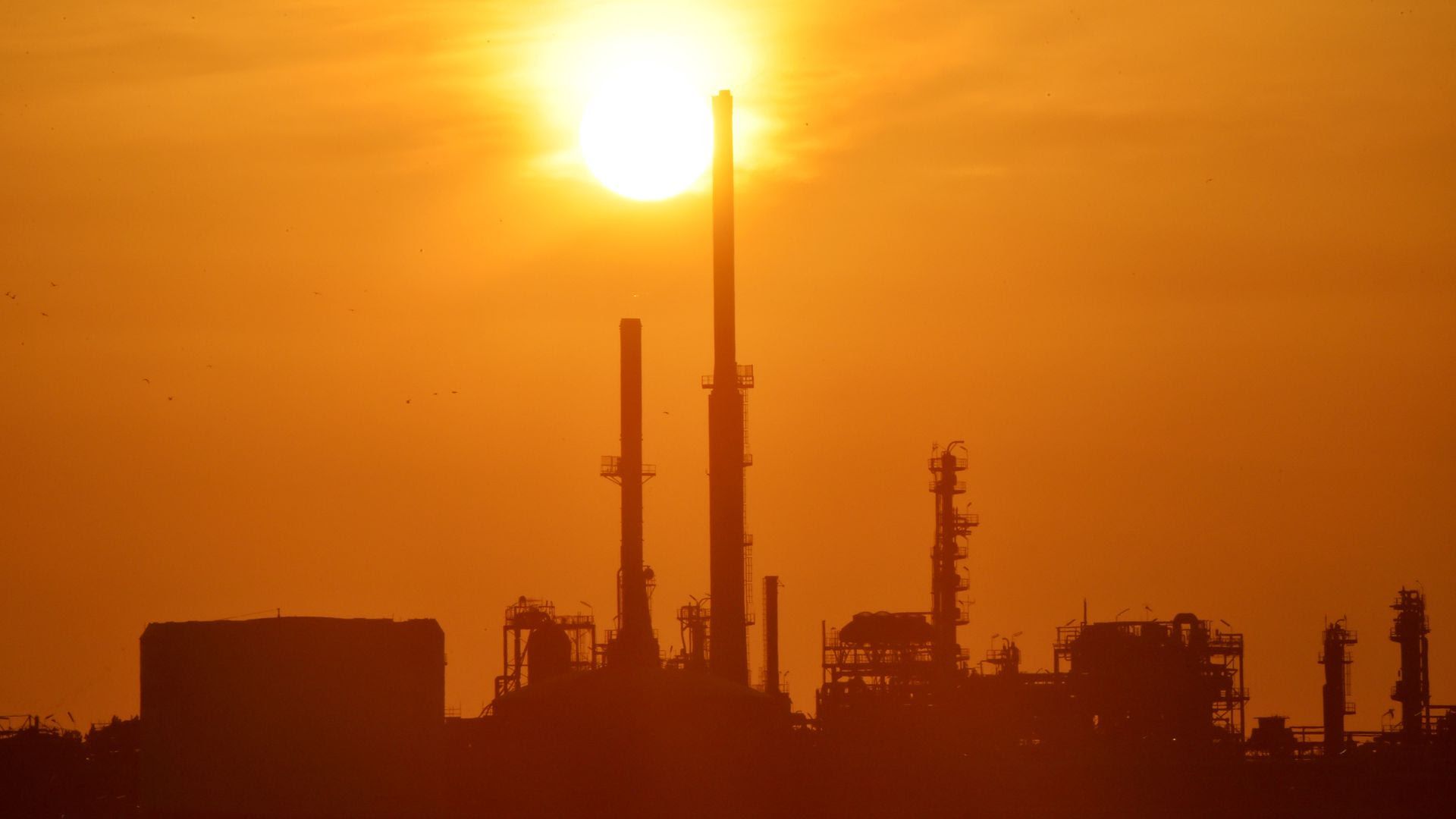
France-based multinational oil giant Total announced Wednesday that it's acquiring a 74% stake in the big French electricity company Direct Energie.
Why it matters: It's another sign that European oil giants are increasingly entering the electricity and vehicle electrification space, a move driven in part by pressure from climate policy to diversify their businesses.
Four states now generate at least 30% of their electricity annually from wind, now that Oklahoma and Kansas have joined Iowa and South Dakota on the 2017 list. That's one factoid from the American Wind Energy Association's annual report on the state of the wind power market.
Why it matters: It's a data point that underscores the growth of renewables in U.S. power markets. The chart above shows the penetration of utility-scale wind nationwide.
Glenn Booraem, head of Vanguard's investment stewardship team, is a key figure in this spring’s annual meetings with publicly owned companies where climate change is expected to be prominently featured.
Why he matters: Vanguard is one of the world’s largest investment firms, with more than $3 trillion in global assets. Climate change has become a top issue for large asset managers like Vanguard. Axios spoke to Booraem about this and much more last week.
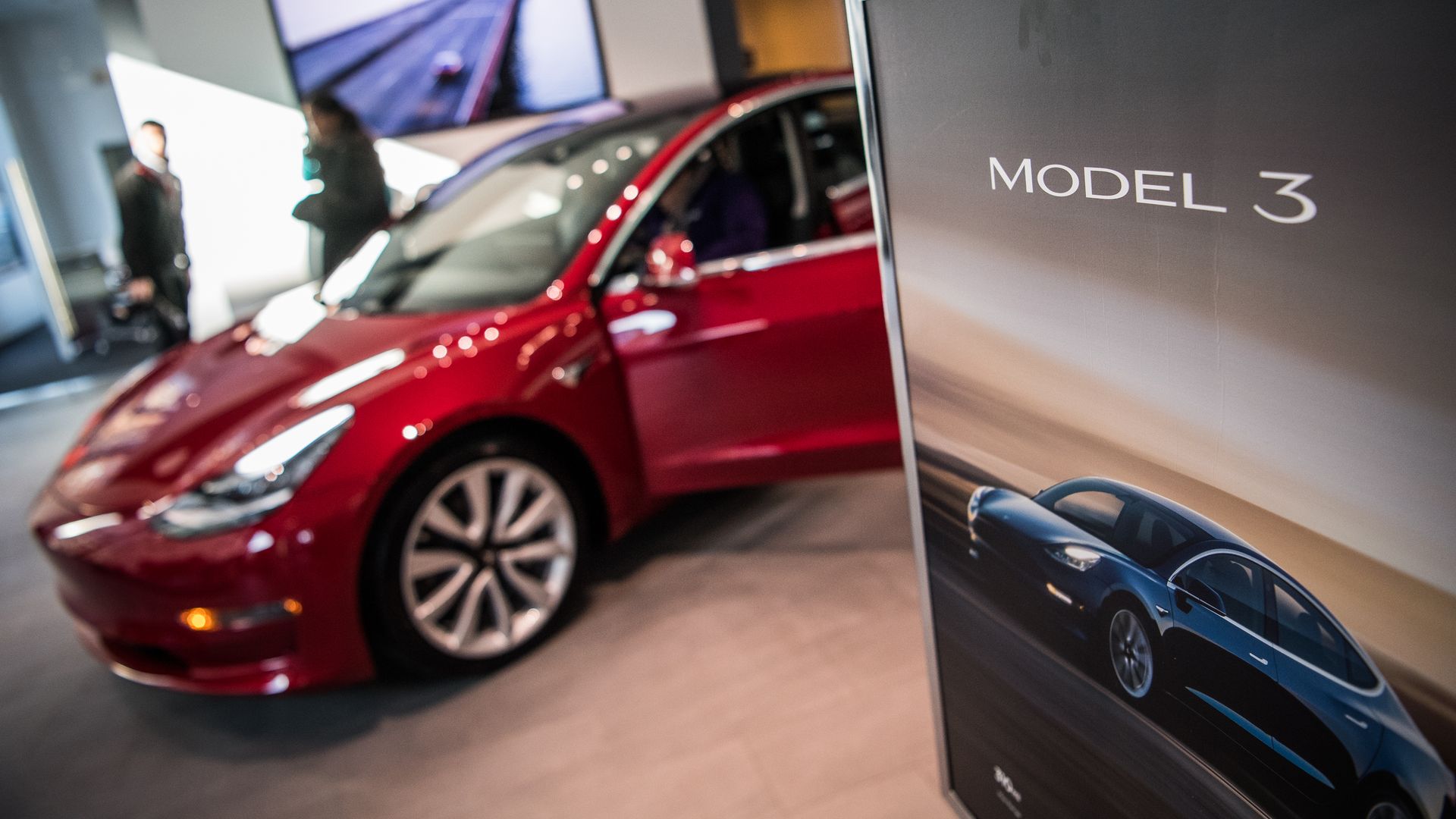
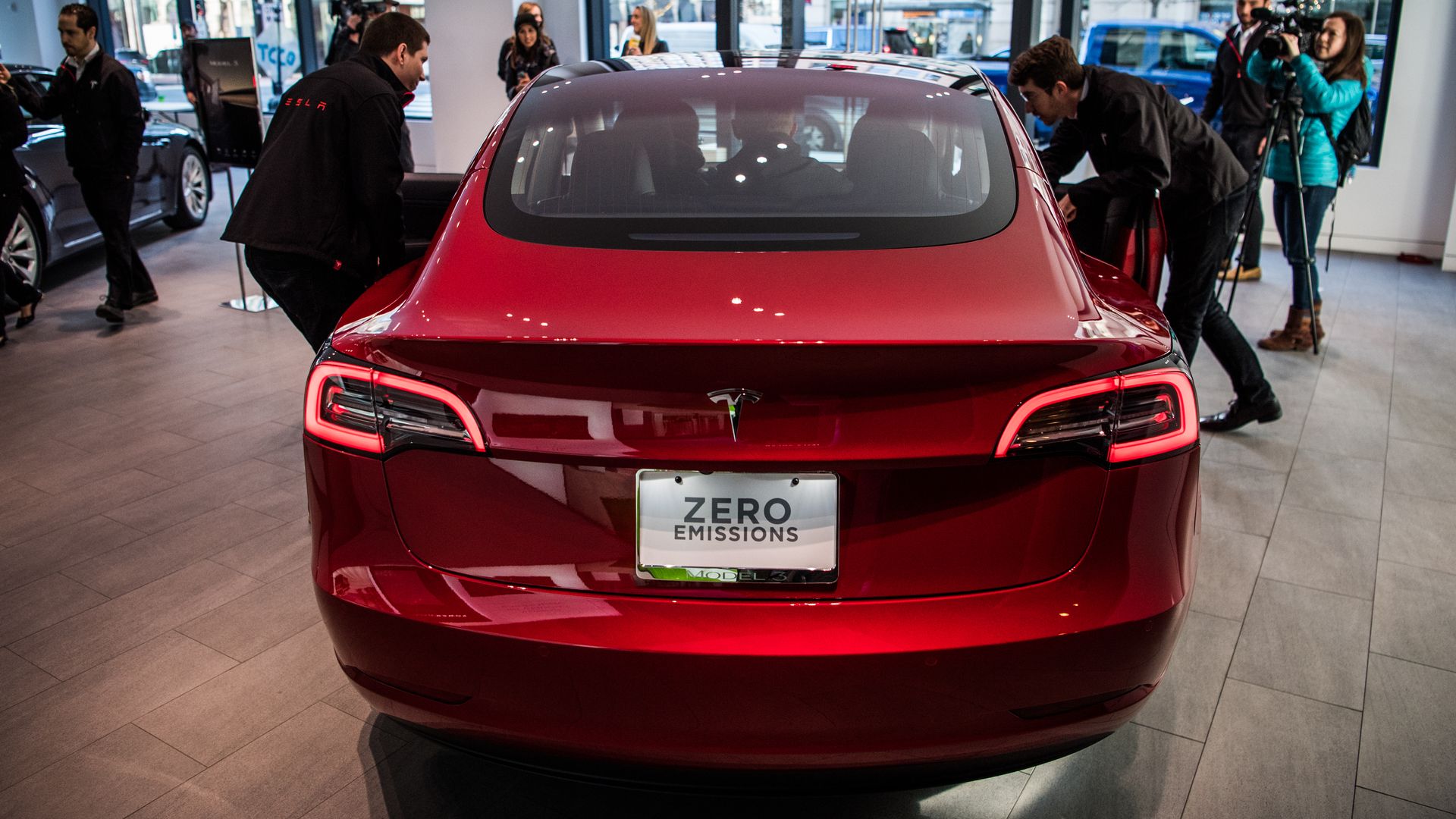
Tesla CEO Elon Musk gave an update to employees in an email on Tuesday explaining the company is halting production of its Model 3 for "a comprehensive set of upgrades," that will double its production levels, Electrek reports.
Why it matters, per Axios' Ben Geman: This lays out in some detail how the company, which has repeatedly missed targets for ramping up production of the mass market Model 3, intends to meet the closely watched pledge to reach 5,000 per week by mid-year. Successful scale up of the vehicle, which Tesla has struggled to produce at scale, is key to the company’s future.
Mike Catanzaro, the top White House staffer on domestic energy and environmental policy, will step down and return to the private sector next week as a consultant and adviser and CGCN Group. Francis Brooke, who currently works in Vice President Mike Pence's office, will replace Catanzaro on April 30.
Why it matters, from Axios' Amy Harder: Catanzaro was the adviser behind President Trump's top energy priorities, including repealing regulations and ethanol mandate reform. His departure will leave a vacuum of policy guidance even greater than that of George David Banks, his counterpart on international energy issues who resigned.
BuzzFeed broke the news last night that Tesla is temporarily shutting down production of its mass-market Model 3 sedan, a hiatus expected to last four to five days.
Why this matters: Successful large-scale production of the sedan is critical to the future of the Silicon Valley automaker, which is churning them out more slowly then initially planned.
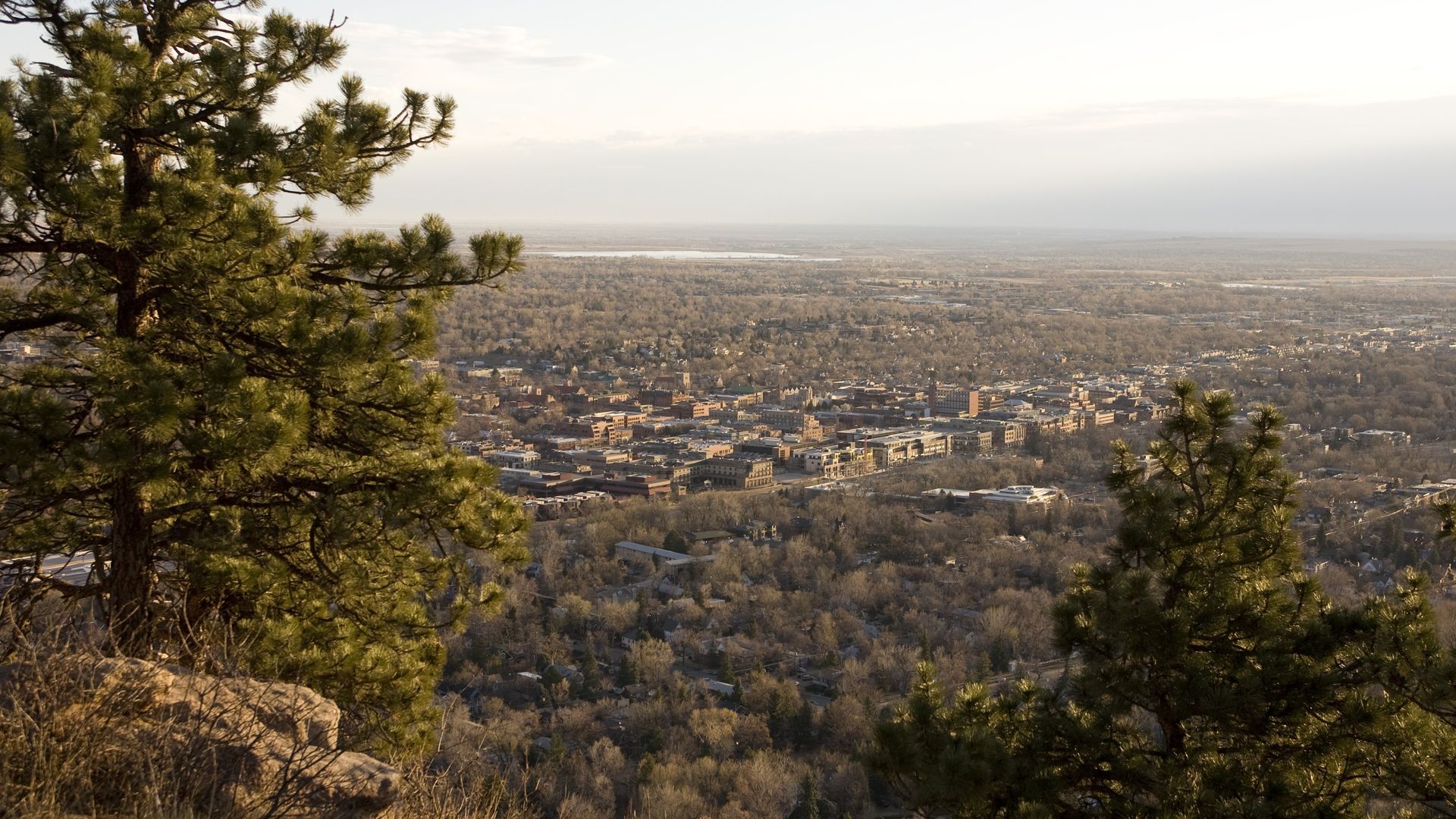
Local officials in Colorado will announce litigation Tuesday against large oil companies over the effects of climate change, according to a report in the Boulder Daily Camera and a source familiar with the plan.
Why it matters: The litigation from Boulder and San Miguel Counties and the city of Boulder signals that the current spate of climate lawsuits against fossil fuel companies is moving beyond high-profile cases in California and New York, which have focused largely on damages from sea-level rise.
Why it matters: For all the hoopla surrounding electric cars, they’re still only a sliver of America’s auto industry. Fully electric cars are gaining market share, but the overall demand for electrics and hybrids has risen only slowly. In part, this is because sustained low gasoline prices have revived Americans' traditional preference for larger vehicles, which are mainly gasoline-powered.