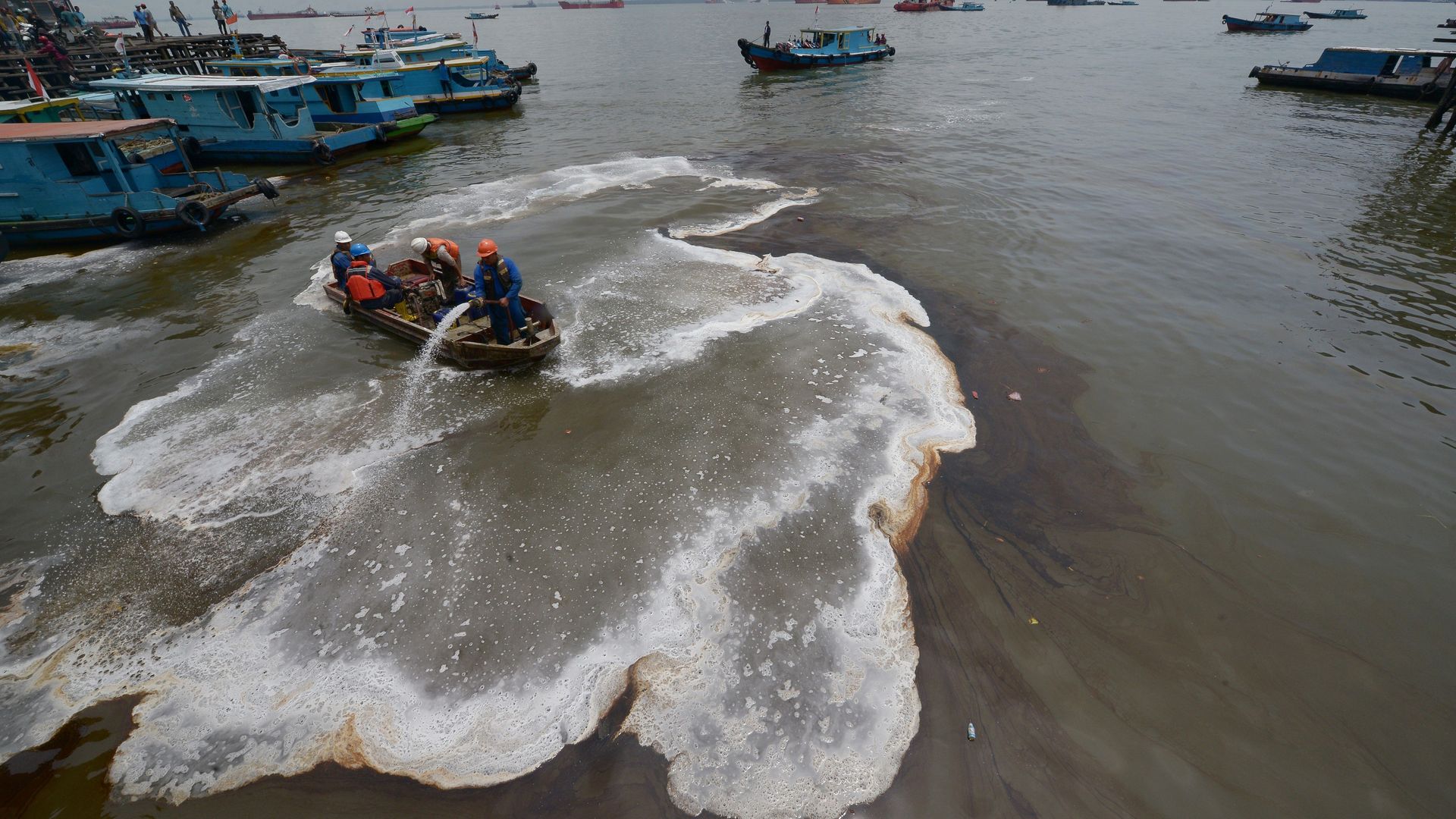
Indonesia declared a state of emergency after an oil spill near the coast of the island Borneo ignited and killed at least four people over the weekend, BBC reports.
The details: The cause of the spill is still unknown. Hundreds of people have reported "difficulty breathing, nausea and vomiting" since the fires started, per BBC. A spokesman for the environmental group Greenpeace, Arifsyah Nasution, told CNN the Indonesian government is "late to mitigate the impact of this incident." Per BBC, authorities said that "the risk of further fires is increasing."
Carnegie Mellon University just published an updated look at carbon emissions trends and data for the U.S. power sector that includes fourth-quarter and full-year 2017 information.
Why it matters: It gauges progress in wringing heat-trapping gases from what was, until recently, the largest source of U.S. carbon dioxide emissions (but has now fallen behind transportation).
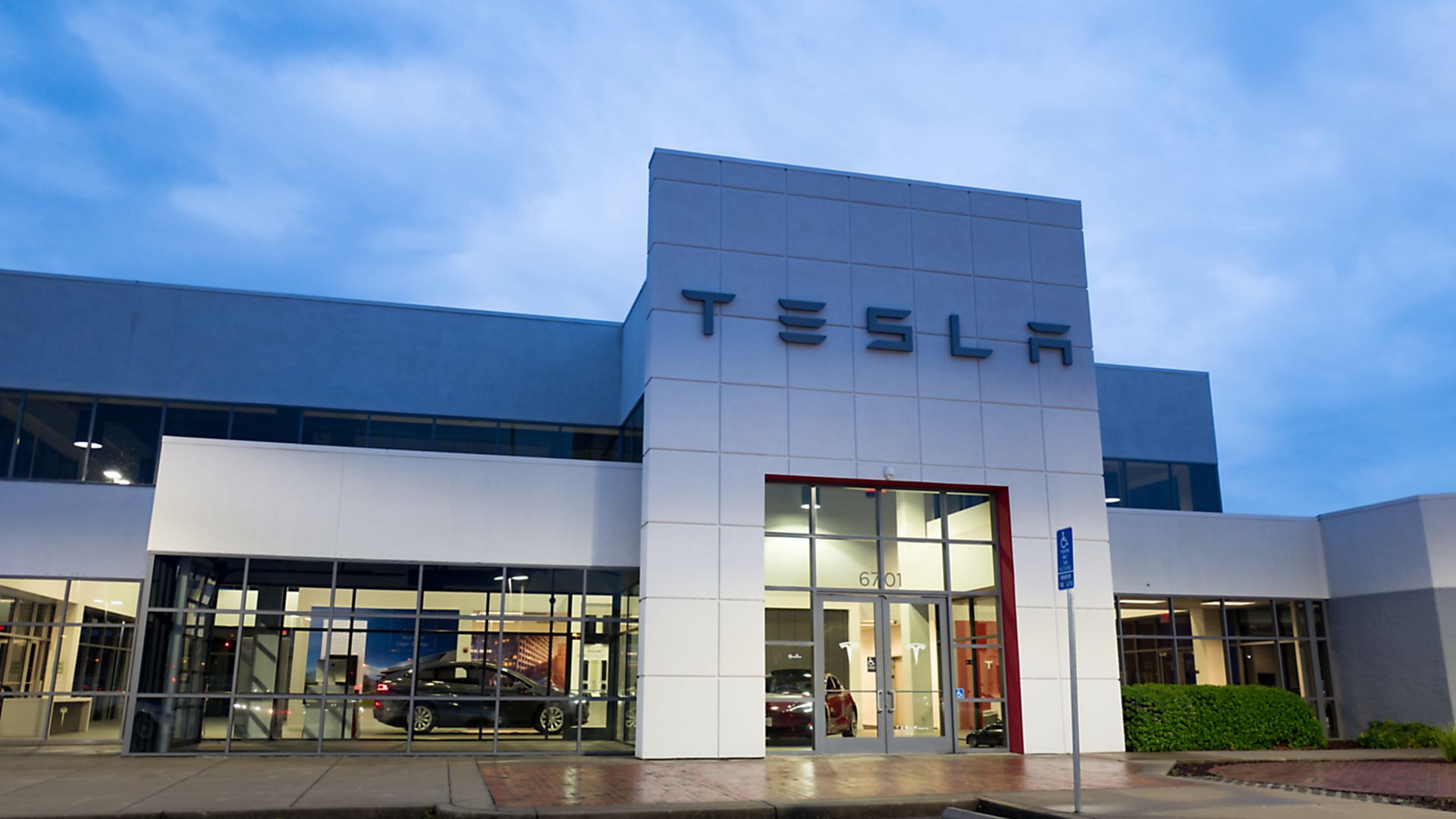
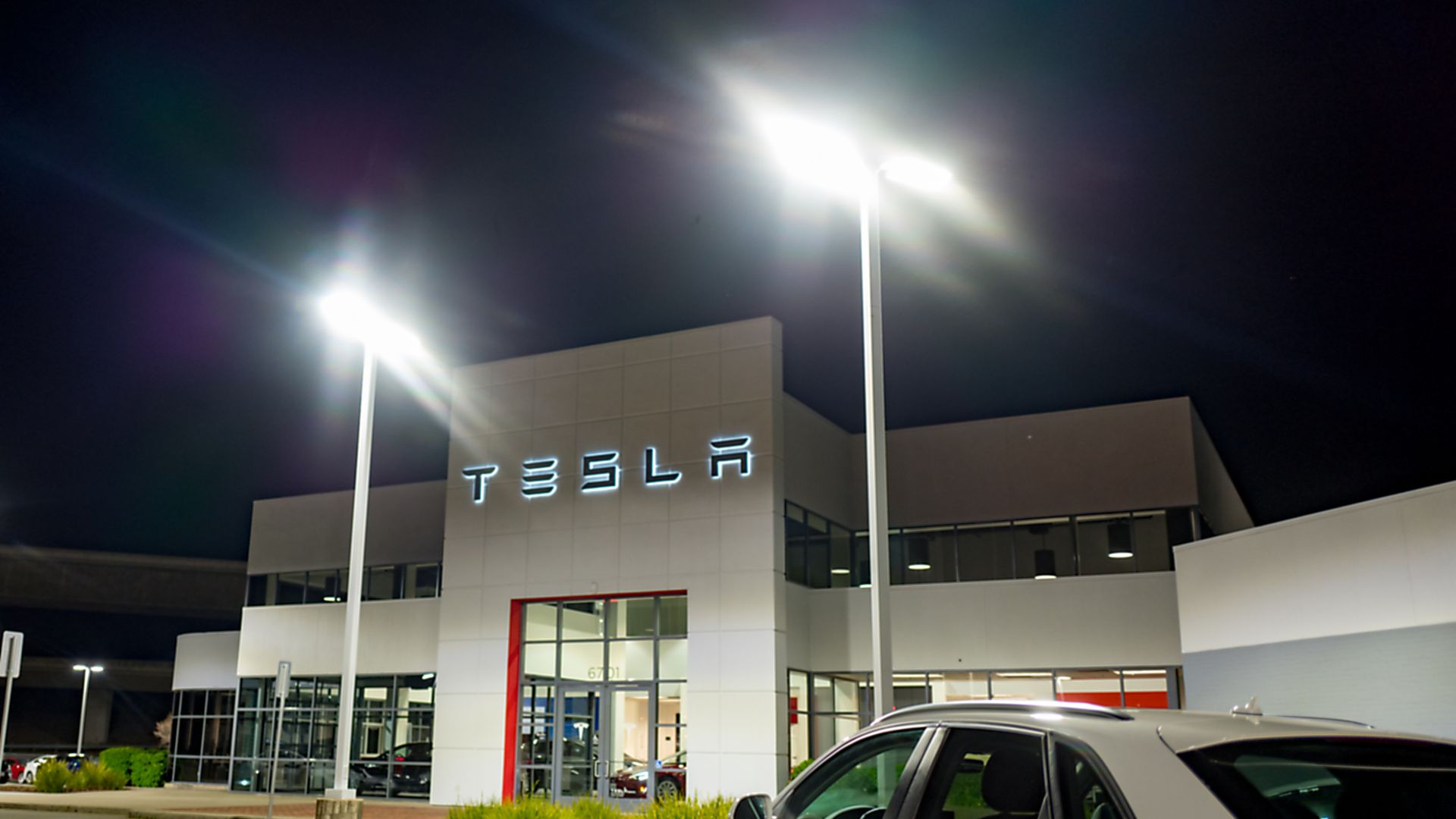
Tesla's newest Model 3 production numbers, while still short of its goals, were enough to help bolster the stock price by 6% on Tuesday after a brutal month.
Why it matters: Weaker results could have sent market confidence in the automaker reeling. But Tesla is hardly out of the woods. Analyst Karl Brauer of Kelley Blue Book pointed out that "scrutiny of the company’s inner-workings has never been higher."
Congruent Ventures, a new firm led by veteran clean energy VCs Abe Yokell and Joshua Posamentier, has raised $92 million in funds to back early-stage companies focused on sustainability-related technology.
Reversing the trend: A decade ago, a surge in appetite for investing in cleantech ended in disappointment and losses. Congruent's partners say things are different this time.
Tesla has missed its first quarter target of producing 2,500 Model 3 vehicles a week, the company announced today, a goal it planned to hit by the end of 2017 but was delayed due to production issues. But the market viewed the number it did produce — a peak of 2,020 Model 3s a week — as a buying signal: Tesla's share price, down 27% over the last month after a series of bad news including a fatal accident, was up almost 5% in early trading.
Why it matters: "It’s a move reminiscent of Tesla’s last vehicle launch — the Model X — when Musk famously kept a sleeping bag near the production line so he could immediately address any hiccups. ... The posts ... came as investors await Tesla’s first-quarter production numbers, which are expected to fall short of the company’s forecasts."
Two storylines are converging that could bring headwinds for the growth of U.S. electric vehicles: EPA's regulatory rollbacks and Tesla's rough patch. But whether they're ultimately strong gusts or merely light breezes is hard to know yet.
Why it matters: Environmentalists fear the EPA efforts could slow the transition to a cleaner vehicle mix at a time when carbon emissions from the transportation sector have become the top source of U.S. carbon dioxide output. This comes as Tesla is set to release data showing how short it's falling on producing the mass market Model 3 electric sedan, a car that could be important to the wider expansion of EVs on U.S. roads.
Michelle Edkins, BlackRock’s global head of investment stewardship, is a key figure in this spring’s annual shareholder meetings with publicly owned companies where climate change is expected to be featured prominently. I talked with Edkins for my latest Harder Line column on the topic.
Why she matters: BlackRock is the world’s largest investment firm, and Edkins was mentioned in a letterBlackRock Chairman and CEO Larry Fink sent earlier this year to companies imploring them to drive sustainable long-term growth, which includes a focus on climate.