Iran launched missiles at Israel on Sunday in retaliation for an Israeli strike in Beirut earlier in the day, marking the first direct Iranian missile attack since the April 8 ceasefire.
Why it matters: This marks a major regional escalation and threatens to unravel U.S.–Iran negotiations and reignite the war.
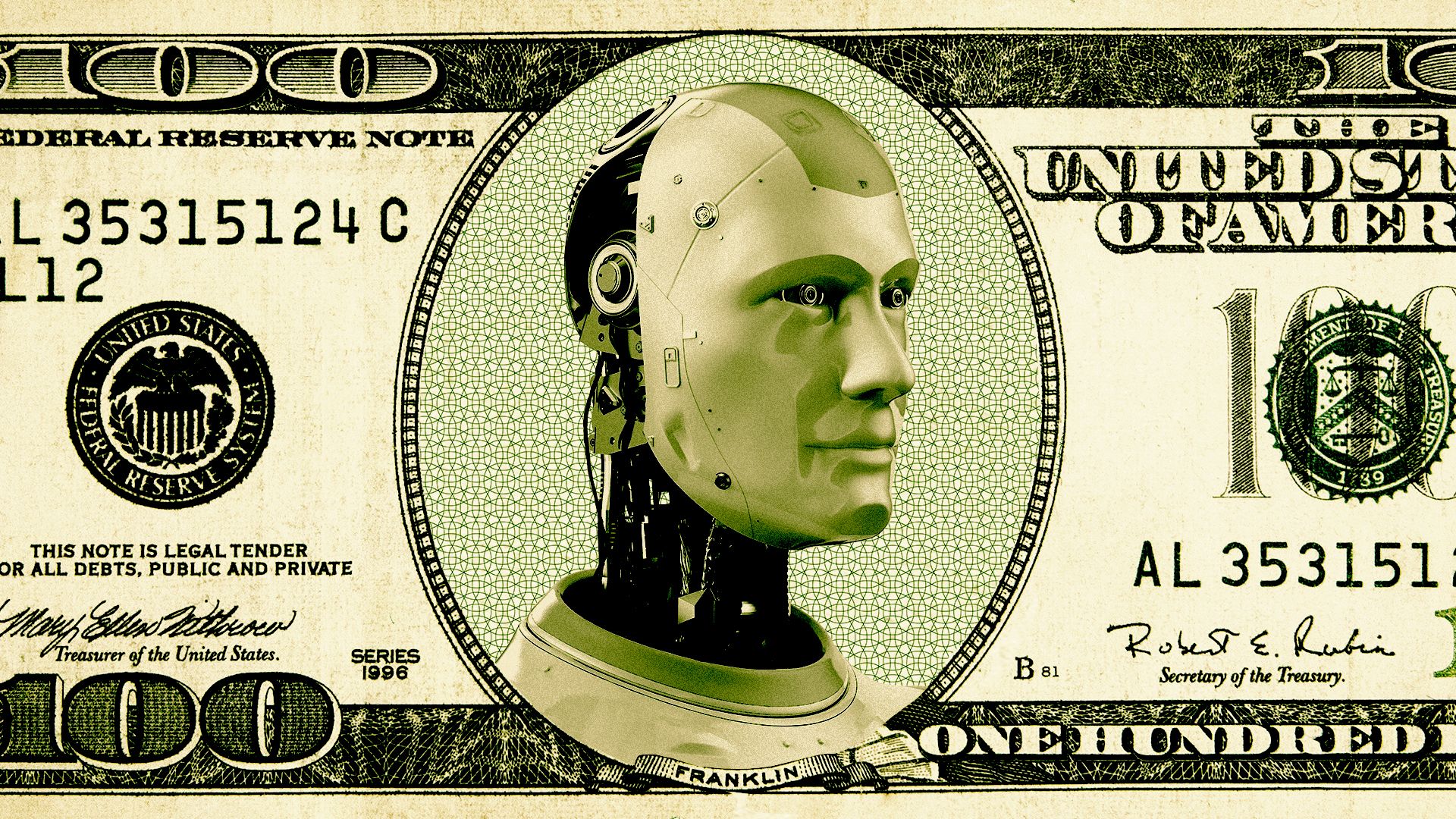
Investors were confronted this past week with four difficult realities that may fundamentally change the way they think about AI the business vs. AI the technology:
💰 AI is too expensive, say CEOs and even Microsoft itself.
🗑️ It's not paying off nearly as much as companies expected, per a new Bain study.
⛅️ Infrastructure demand is strong — but not as strong as the most optimistic wanted, as Broadcom showed with its "weak" forecast.
🏦 Financing that infrastructure is going to be more expensive for longer, with signs pointing to the Fed raising, not lowering, interest rates.
Why it matters: Those realities challenge assumptions that powered markets to historic heights over the past few years. It's hard to justify chip or memory stocks rising 1,000%+ in a year if the boom isn't what everyone assumed.
The AI bubble debate has lurched through at least three frenzied phases in the span of three years:
Suspicion: Historic sums of capital poured into AI before anyone proved it could reliably automate work. A violent market correction felt inevitable.
Mania: Claude Code and autonomous agents made the early skepticism look outdated, fueling a corporate scramble to embed AI everywhere and maximize usage.
Reckoning: Companies discovered that AI can be extraordinary when aimed precisely — and ruinously expensive when treated as a universal productivity machine.