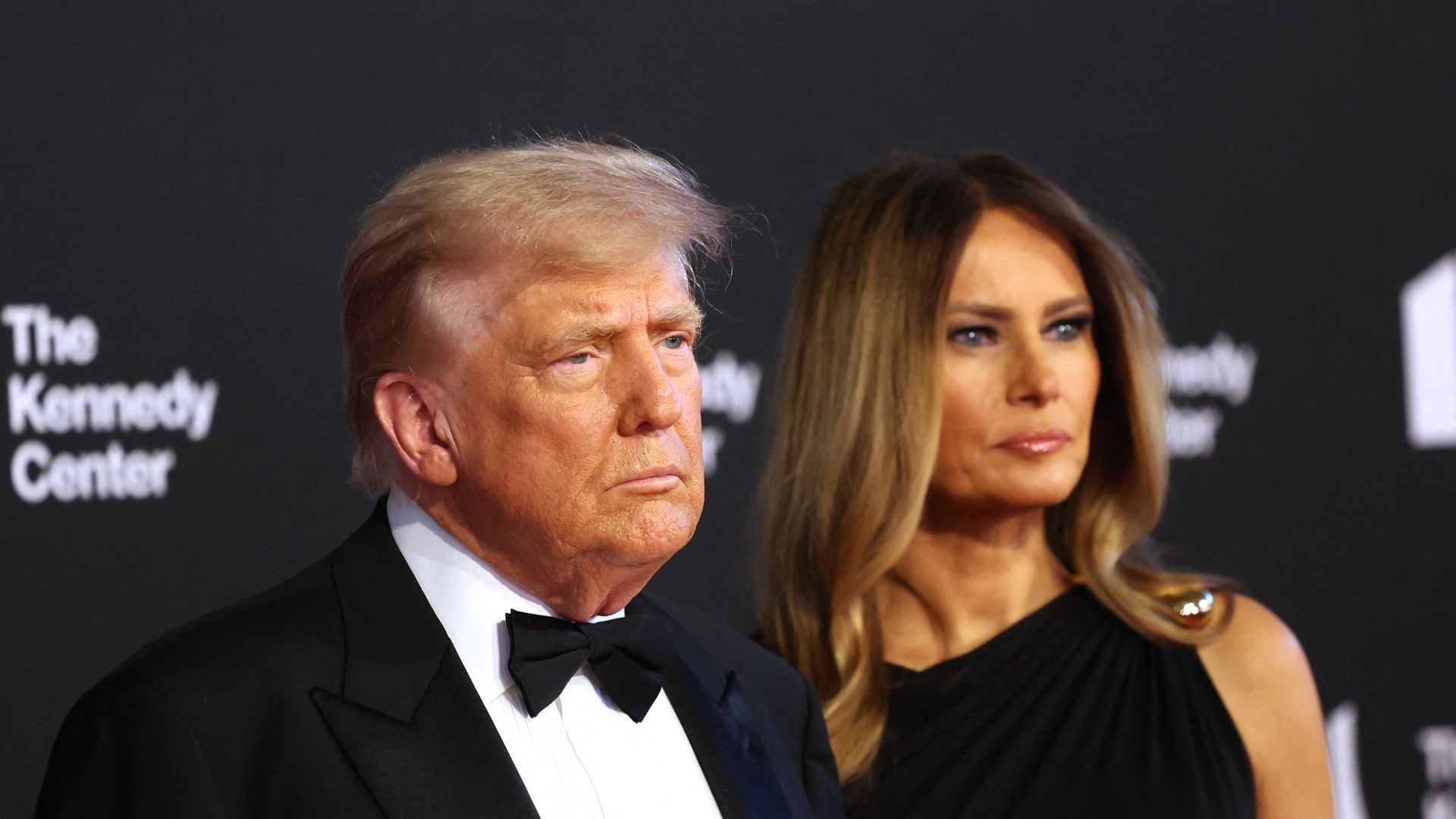
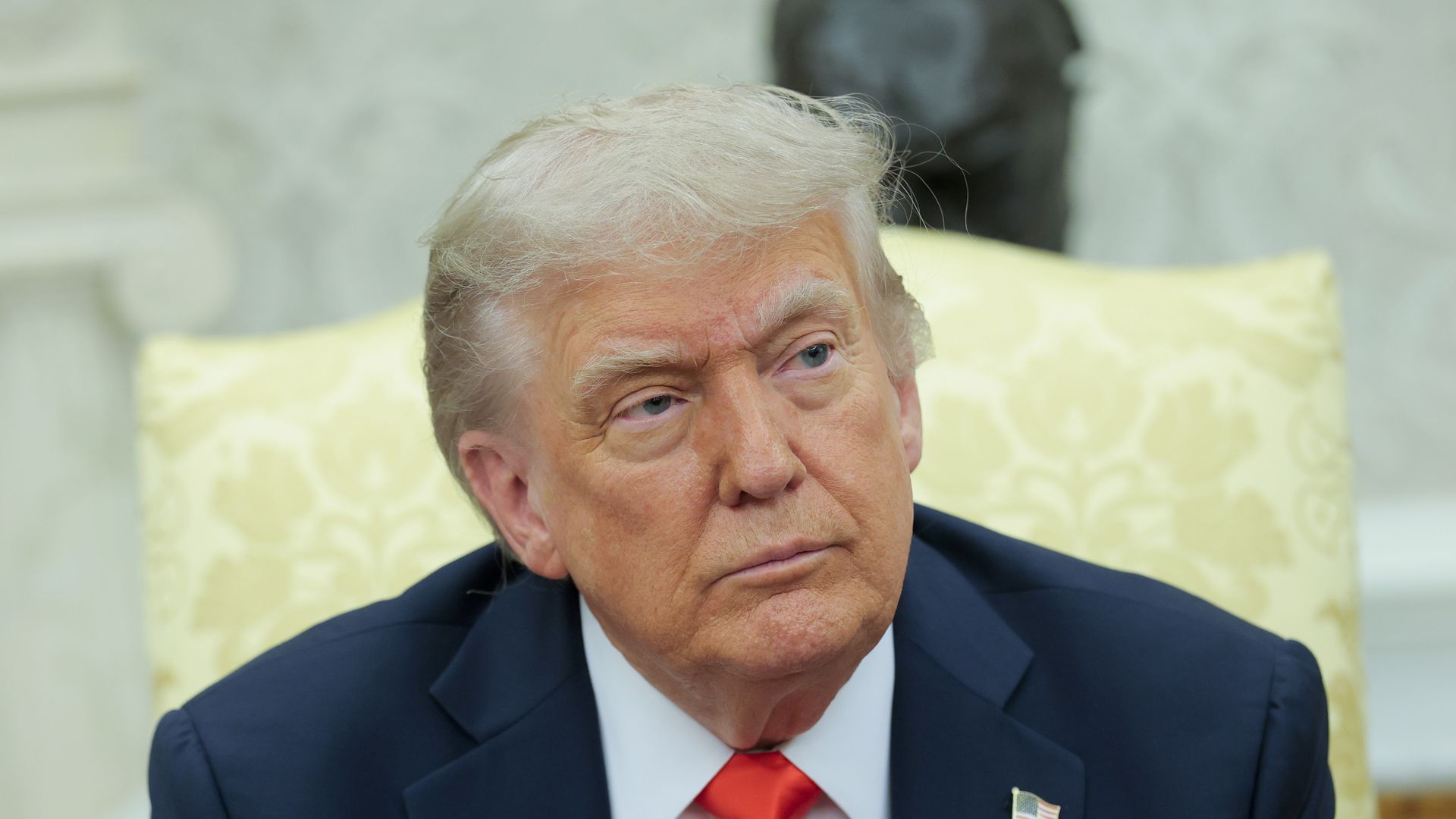
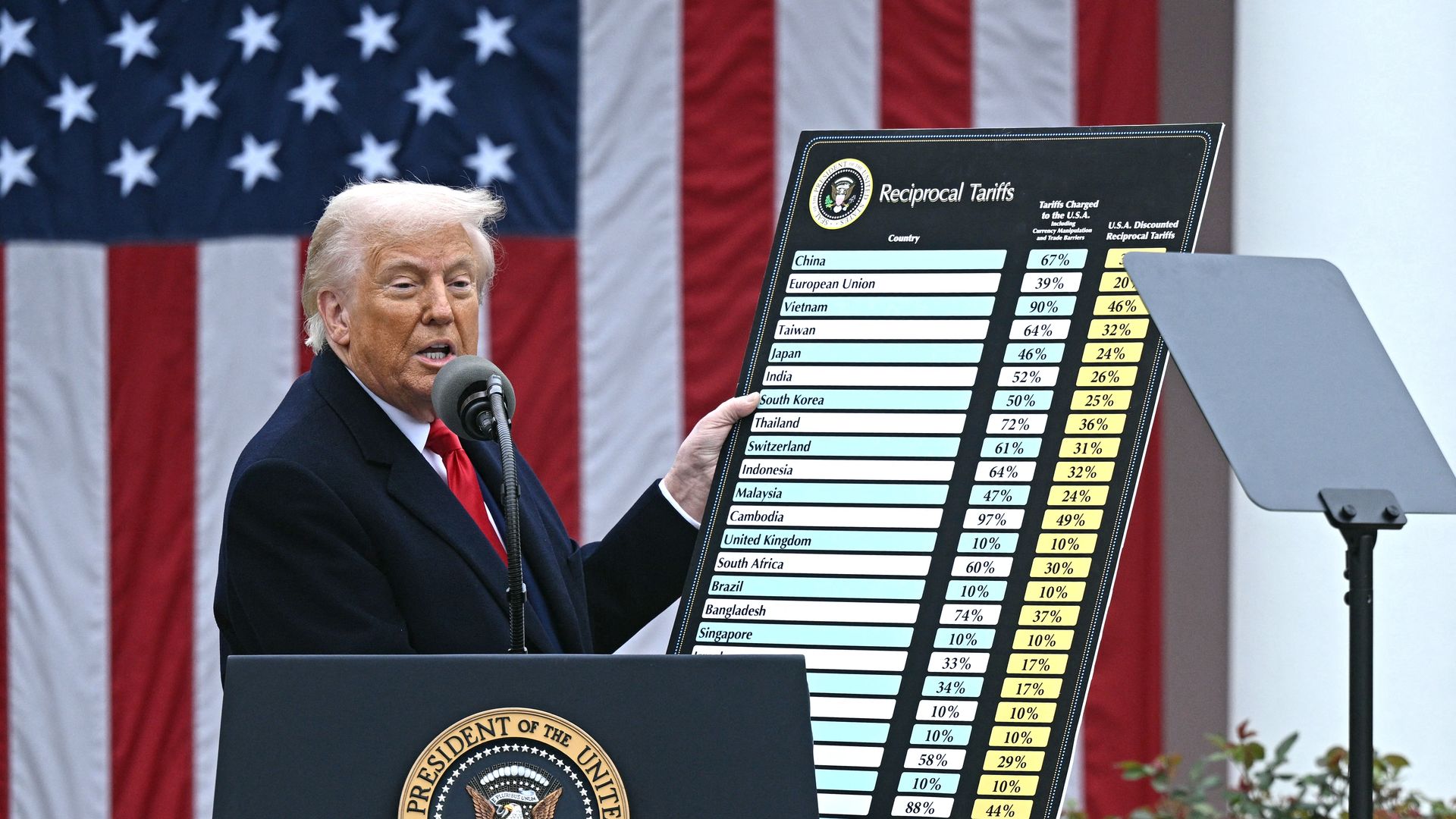
The U.S. will send take-it-or-leave-it trade offers to dozens of countries within the next two weeks, President Trump said Wednesday.
Why it matters: Trump is suggesting time is running out for nations to make trade deals, even as both he and his Treasury secretary indicate existing deadlines are also fungible.
LAS VEGAS — Starbucks crowned its first global barista champion Wednesday in a competition that tested coffee knowledge, technical skills and customer connection.
The big picture: The three-day competition held in Las Vegas featured 12 baristas from around the world, narrowed down from over 84,000.
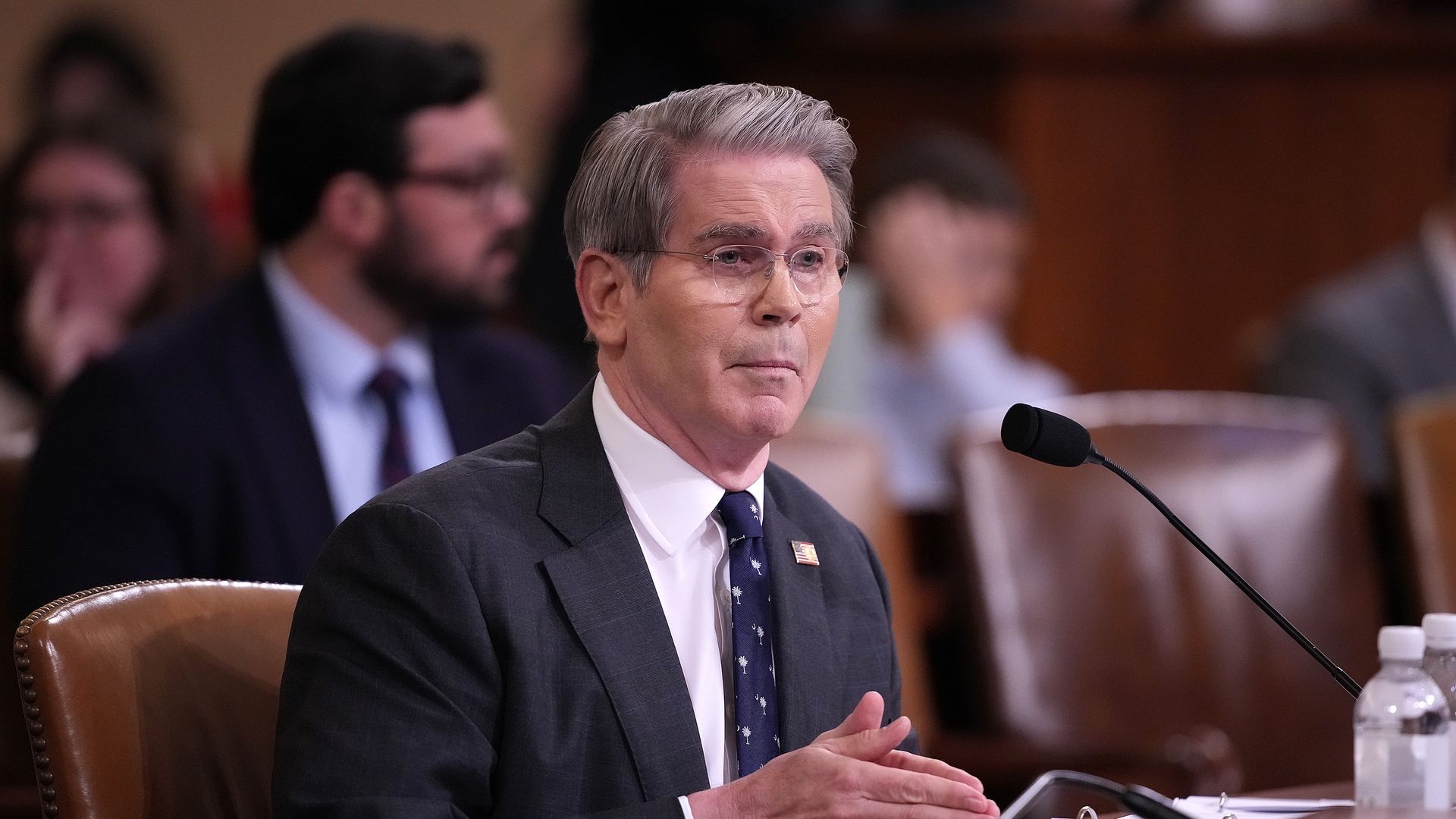
It is "highly likely" that tariffs will be delayed for countries involved in good-faith trade talks with the United States, Treasury Secretary Scott Bessent said on Wednesday.
Why it matters: Bessent's comments signal to the world — again — that U.S. tariff deadlines are fungible.
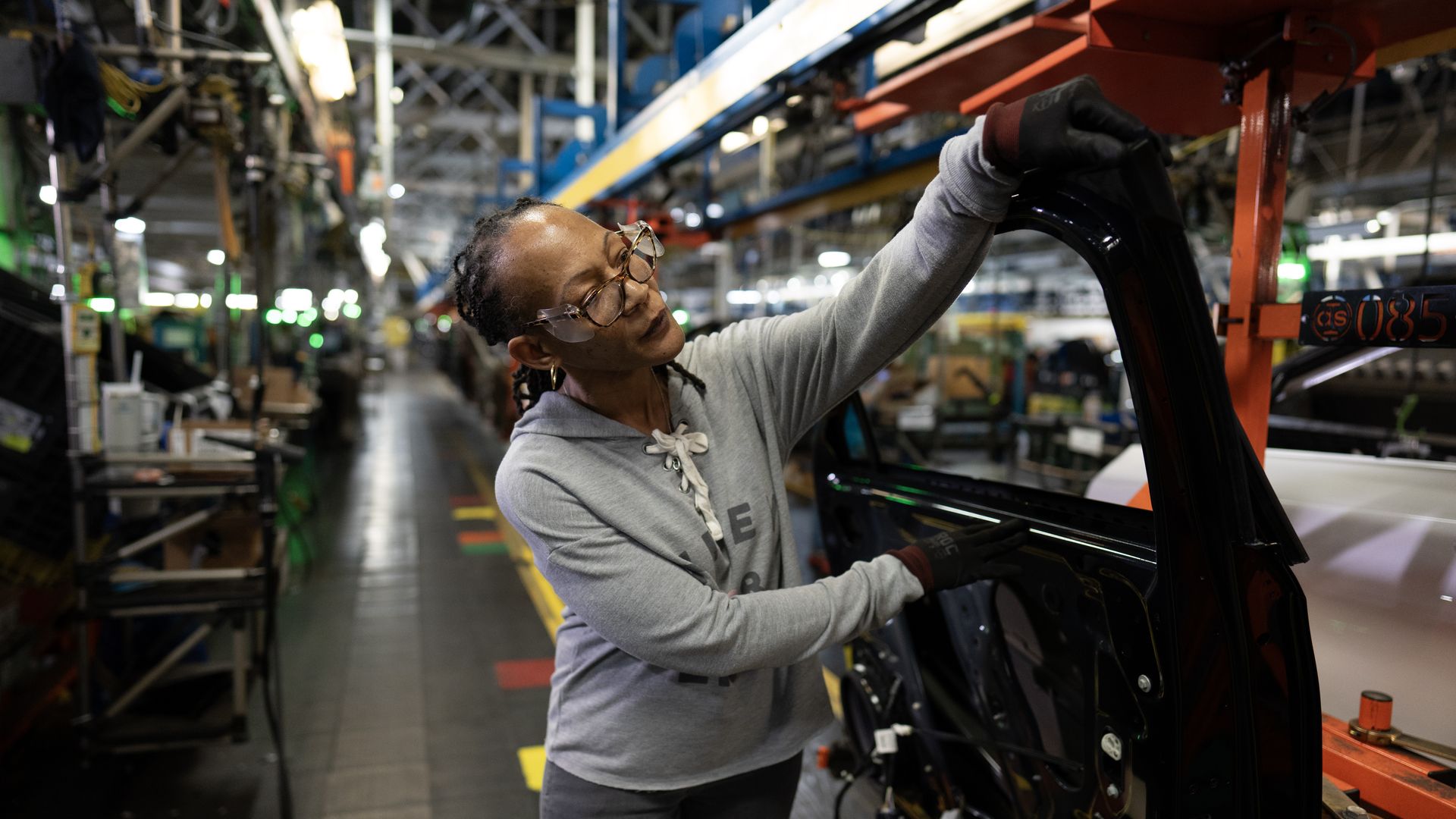
General Motors is investing $4 billion to produce more gasoline vehicles in the U.S. to cope with the twin challenges of high tariffs and low demand for electric vehicles.
Why it matters: The plan — which includes shifting some production from Mexico — will no doubt be viewed as a win for President Trump's tariff policies.
A run of better-than-expected indicators — including Wednesday's inflation report — so far point to a strikingly resilient economy.
Why it matters: Those waiting for signs of a tariff-wrecked economy will have to keep waiting.
Economists anticipate President Trump's policies, particularly those related to trade, will weaken growth and raise consumer prices. But how, when, or even if looks more uncertain than ever.
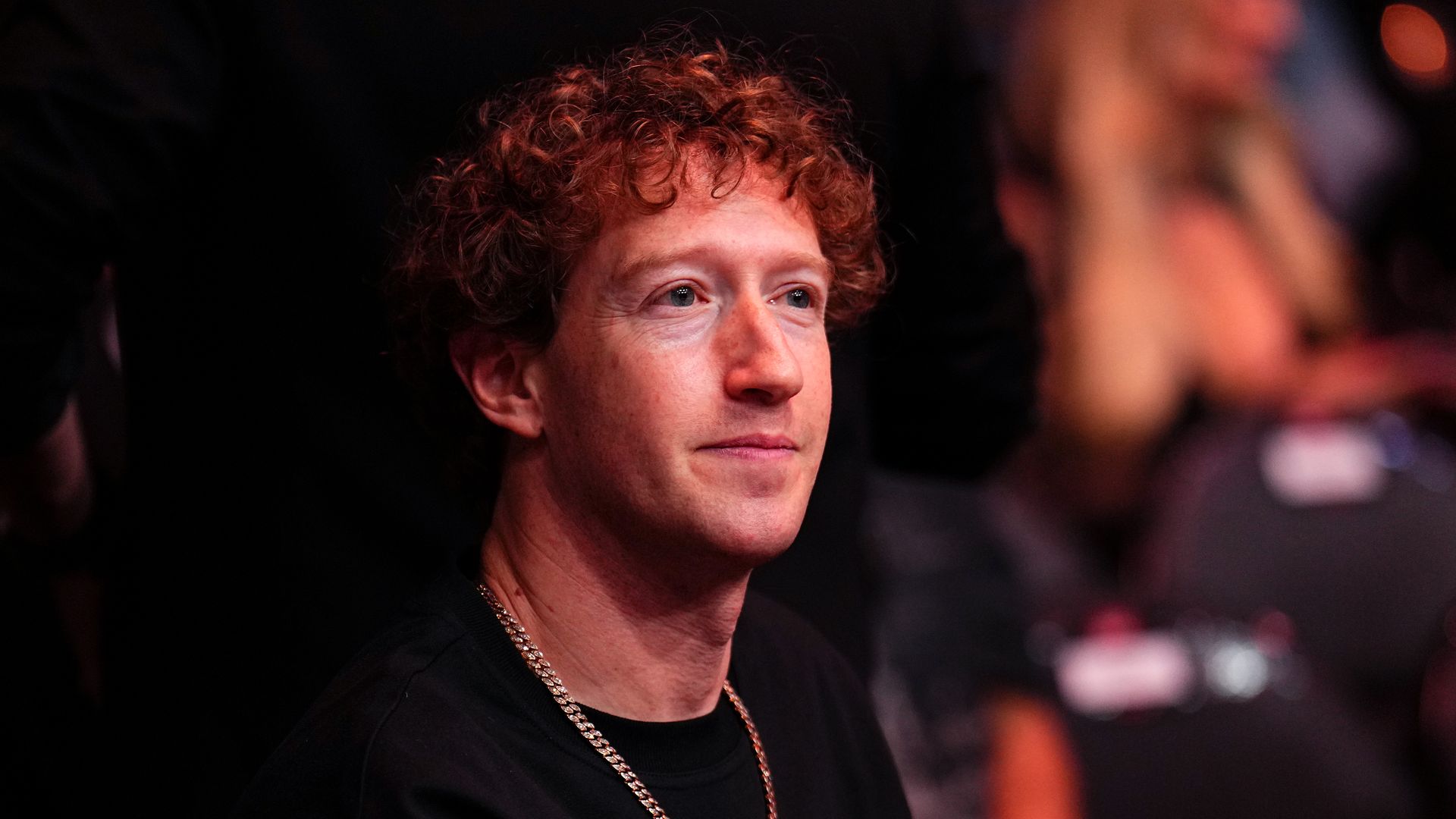
Meta reportedly is planning to invest around $14.8 billion for a 49% stake in Scale AI, with the startup's CEO to join a new AI lab that Mark Zuckerberg is personally staffing.
When the news broke yesterday, albeit still unconfirmed by either side, lots of commenters suggested that the unusual structure was to help Meta sidestep antitrust scrutiny.
A monthslong streak of cooler inflation trends continued in May, the Bureau of Labor Statistics said on Wednesday.
Why it matters: Many economists project that President Trump's tariffs will reignite inflation this year, but so far effects from the trade war are not apparent in official economic data.
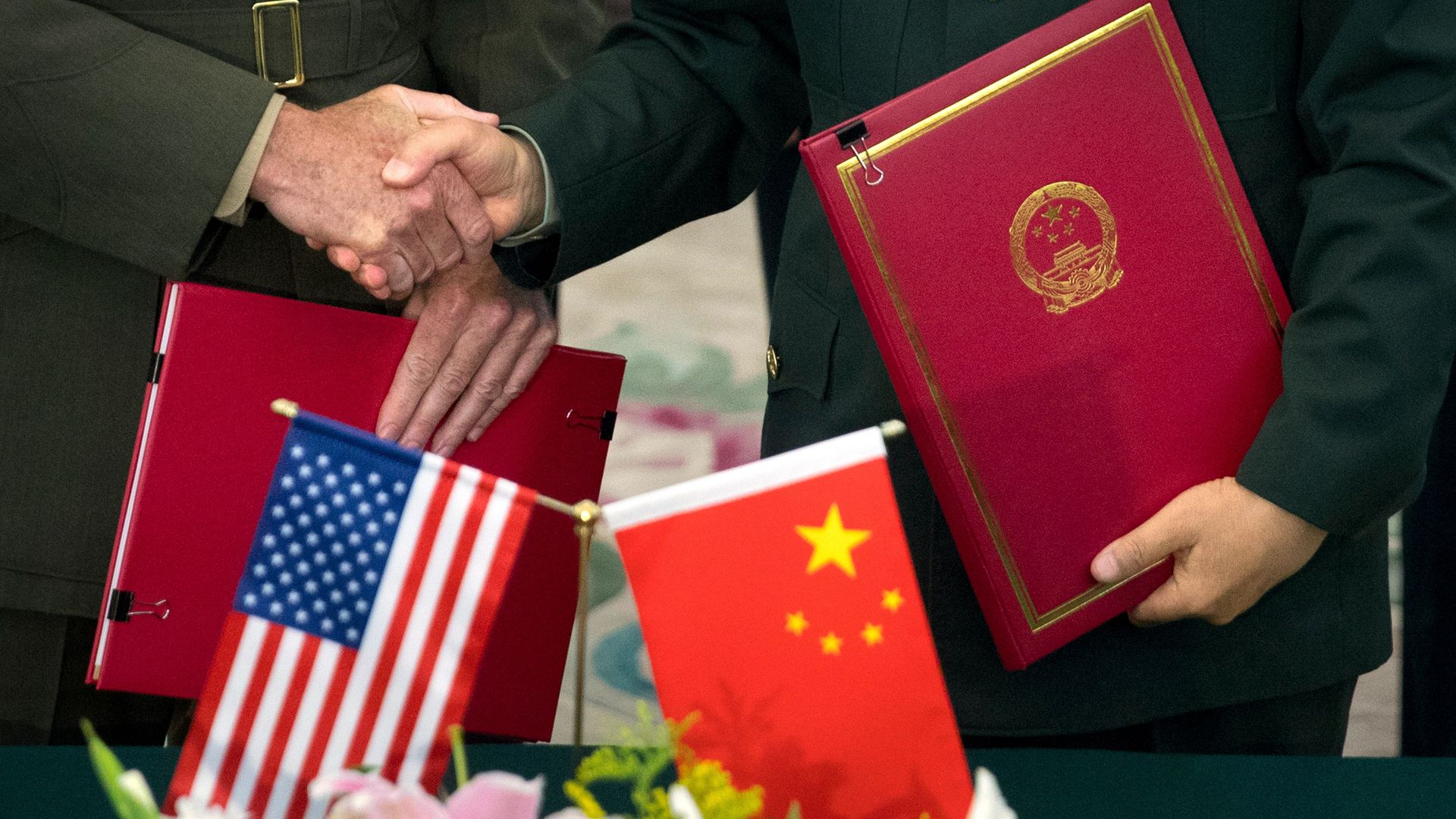
President Trump on Wednesday said the newest trade deal with China would provide the U.S. the full necessary supplies of rare earth materials, and also permit visas for Chinese students.
Why it matters: The rare earths, crucial for hundreds of technology products, had become the sticking point that derailed the tariff truce the two countries struck in May.
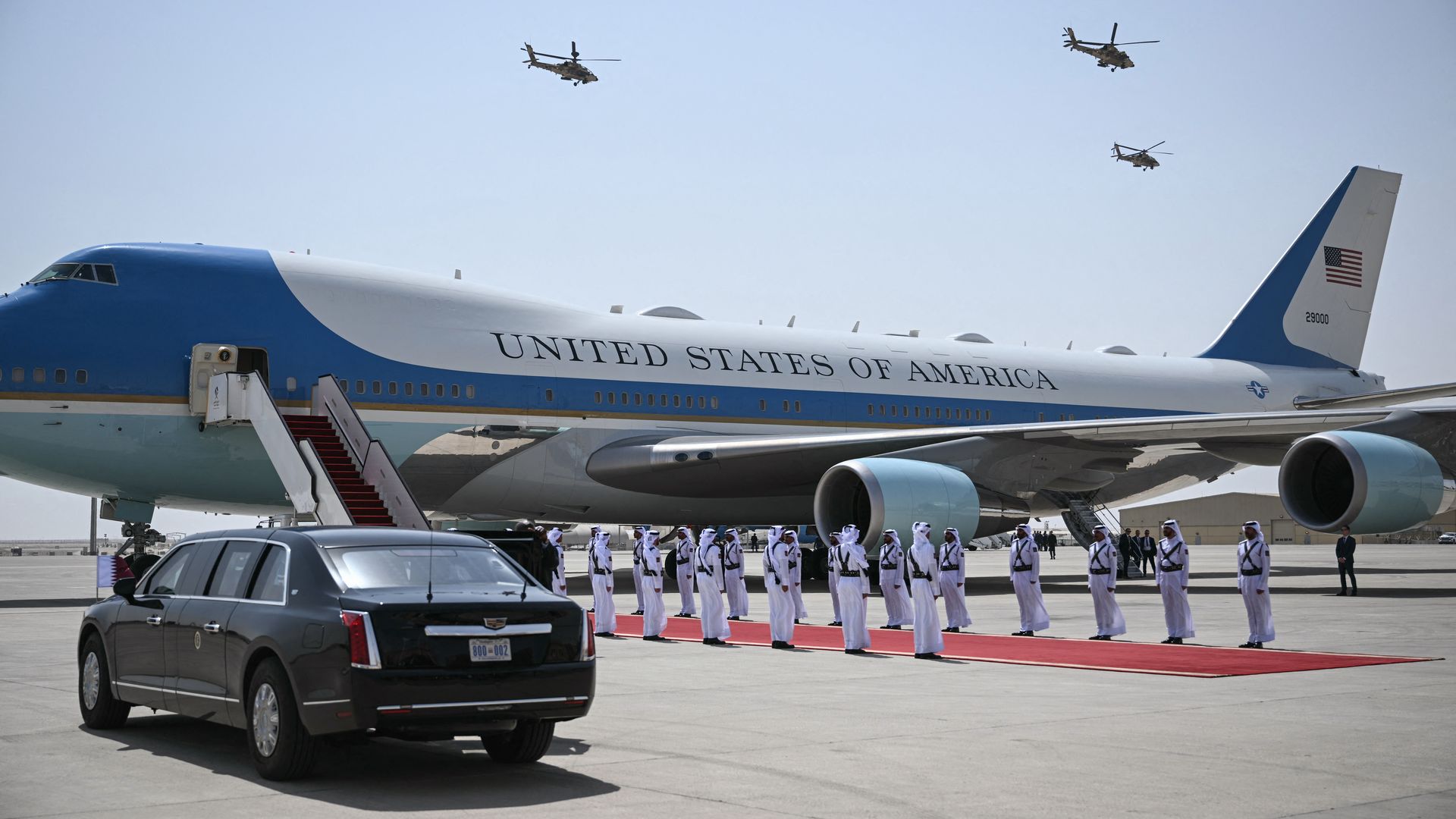
It will cost less than $400 million to turn a luxury Qatari jet into President Trump's airborne command center, according to the U.S. Air Force.
Why it matters: That's far less than previous public estimates for the Air Force One conversion, which should account for counterintelligence sweeps and the installation of specialty communications gear, medical equipment, avionics and defensive countermeasures.
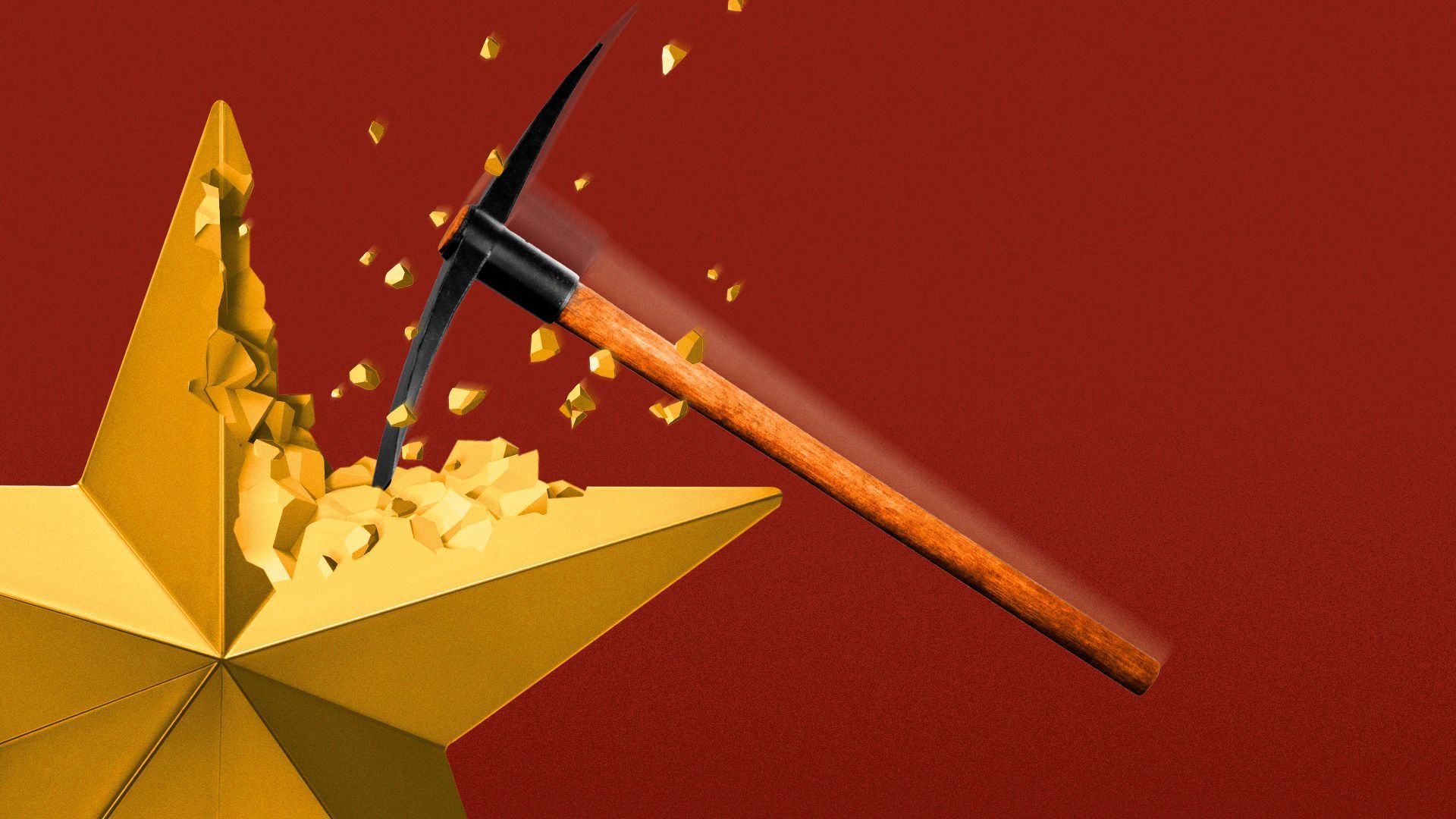
While U.S. trade negotiators work to ease an immediate shortage of rare earth magnets from China, the Trump administration is scrambling to line up viable alternatives that would reduce America's reliance on its chief economic rival.
Why it matters: Small-but-powerful rare earth magnets are essential to high-tech products, from cars and robots to electronics and weapons. But China controls 90% of the world's supply of the critical components.
A federal appellate court issued a stay Tuesday night freezing a lower court's ruling that had invalidated most of President Trump's tariffs.
Why it matters: The ruling preserves, for now, Trump's sweeping efforts to reorder international trade, but will also prolong the uncertainty over their impact.
After two days of talks in London, the U.S. and China agreed late Tuesday on a "framework" to implement a trade deal struck last month, pending approval from both countries' leaders, Commerce Secretary Howard Lutnick said.
Why it matters: Progress on trade peace with China, particularly if it resolves the issue of crucial Chinese rare earth minerals exports, would be a boon to an economy and markets that have struggled for months with the impact of President Trump's tariff program.