Americans are snapping up small cars again, not because they want to, but because it's what they can afford.
Why it matters: Higher sticker prices, plus lofty borrowing rates, are making it harder for people to buy the new car of their dreams, so they often have to settle for a smaller vehicle or look for a bargain on a used car.
This time two years ago, seemingly every economist worth their salt was predicting a recession was imminent. They were wrong then. But that doesn't mean we're out of the woods now.
The big picture: There have been a series of subtle, but worrying, signs in economic data over the last several weeks that show cracks in what has been a robust post-pandemic expansion.
When investors woke up this morning, the continuing story of a fruitless AI spending splurge looked set to ensure that markets ended the week on a down note.
Then the jobs report hit.
Why it matters: The market's fading love affair with Big Tech has suddenly collided with a steady stream of worrying macro data — themes sure to dominate attention until the Fed's next rate decision in September.
State of play: Major stock indexes all fell hard today. The Dow fell over 600 points, or 1.8%, while the tech-heavy Nasdaq Composite shed 2.4%, ending the day in correction territory from its recent high on July 10.
Something is going wrong in the mighty U.S. economy. The evidence has been building for months in various minor data points. Now, the big kahuna of economic data confirms it.
Why it matters: The July employment numbers showed weak job creation and the highest unemployment rate since October 2021. The jobless rate is still low, but in a healthy economy, the kind of rise we've seen — a gain of 0.6 percentage points since January — simply doesn't happen.
Binance remains the world's No. 1 venue for cryptocurrency trading, and it's really not even close — it's one of the things that have remained relatively unchanged from the last bull run to the present.
Why it matters: The cryptocurrency industry may be maturing, with leaders establishing market share for the foreseeable future.
By the numbers: Trading on centralized exchanges remains sizable, generating more than $1 trillion in collective volume every month since December 2023. (March saw $2.5 trillion, ahead of the Bitcoin halving.)
Over the same period, decentralized exchanges, or DEXes, have seen at least $100 billion in volume every month (also peaking in March). That ratio of DEX to centralized volume seems fairly stable, at something like 1 to 10.
Bitcoin difficulty just shot up to its highest level ever, after about two months of cooling.
Why it matters: It's going to be even harder for bitcoin miners to make money without a significant appreciation in bitcoin price.
How it works: Difficulty is a measure of how hard it is for a miner to win a block. The network adjusts it based on how many participants there are.
Catch up fast: The Bitcoin halving took place in April, cutting in half the block reward won by a miner that wins the contest to validate and add transactions to Bitcoin's ledger.
It seems like we are getting near the end of the Do Kwon/Terraform Labs/terra USD saga — Montenegro has (mostly) decided to return the founder of the financial Fyre Festival to his home country of South Korea.
Why it matters: His trial there is likely to be the last one we see stemming from the mess that was cryptocurrency in 2022.
Michael Saylor, chairman and cofounder of MicroStrategy, rolled out a new metric the company's adopting, saying it will help investors better understand its bitcoin strategy.
Why it matters: The enterprise software firm turned itself into a bitcoin proxy stock when it started accumulating bitcoin in the summer of 2020, tapping equity, debt or hybrid issuances to fund its purchases.
Why it matters: The jobless rate kept moving higher in July, adding to fears that the labor market—the bedrock of the economy—is slowing down and the economy is at risk of a recession.
Three companies that reported second-quarter earnings on Wednesday — Moderna before the bell, and Intel and Snap after the close — got harshly punished by the markets.
Why it matters: The better the stock market broadly is doing, the more individual companies tend to fall on bad news.
Russian military intelligence hackers have been embedding luxury car advertisements with credential-harvesting malware in a likely attempt to dupe diplomats, according to new research exclusively shared with Axios.
Why it matters: Targeting diplomats' devices can give Russian cyber spies access to state secrets and get ahead of any schemes designed to undermine the Kremlin's own agenda.
The biggest weekend of the year for tax-free shopping has arrived with 10 states holding sales tax holidays in early August.
Why it matters: It's a rare tax break for families preparing for a new school year with many grappling with higher-priced school supplies and clothing.
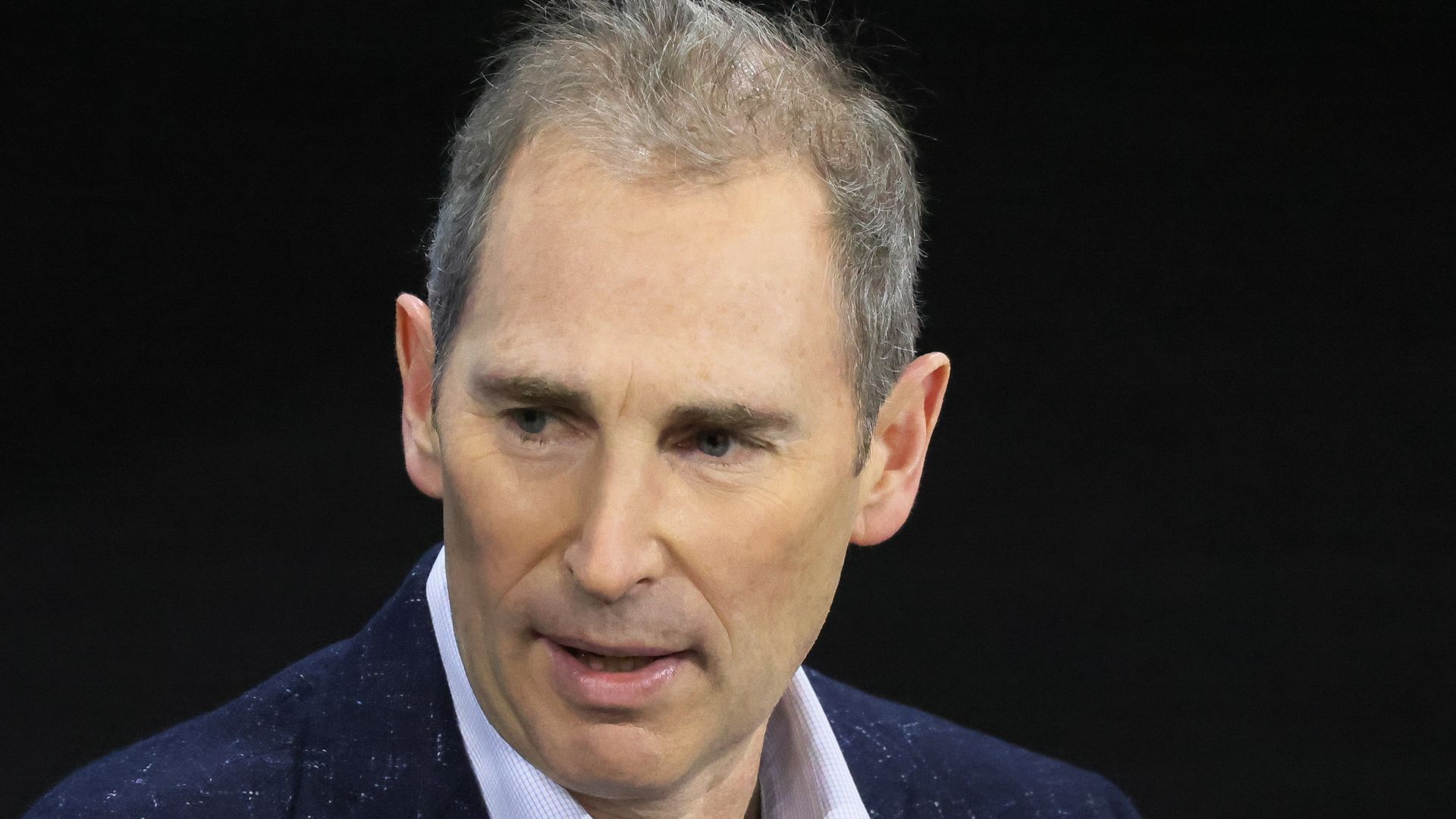
Drug stores' woes are working in favor of Amazon. CEO Andy Jassy on Thursday said that anti-theft measures in brick and mortar chains are helping to drive more customers to shop online and use Amazon's pharmacy business.
Why it matters: Walgreens, CVS and Rite Aid are among big pharmacy chains that have been struggling to keep up with the changing economics of their industry and shifts in consumer behavior.





/2024/08/02/1722607992412.gif?w=3840)