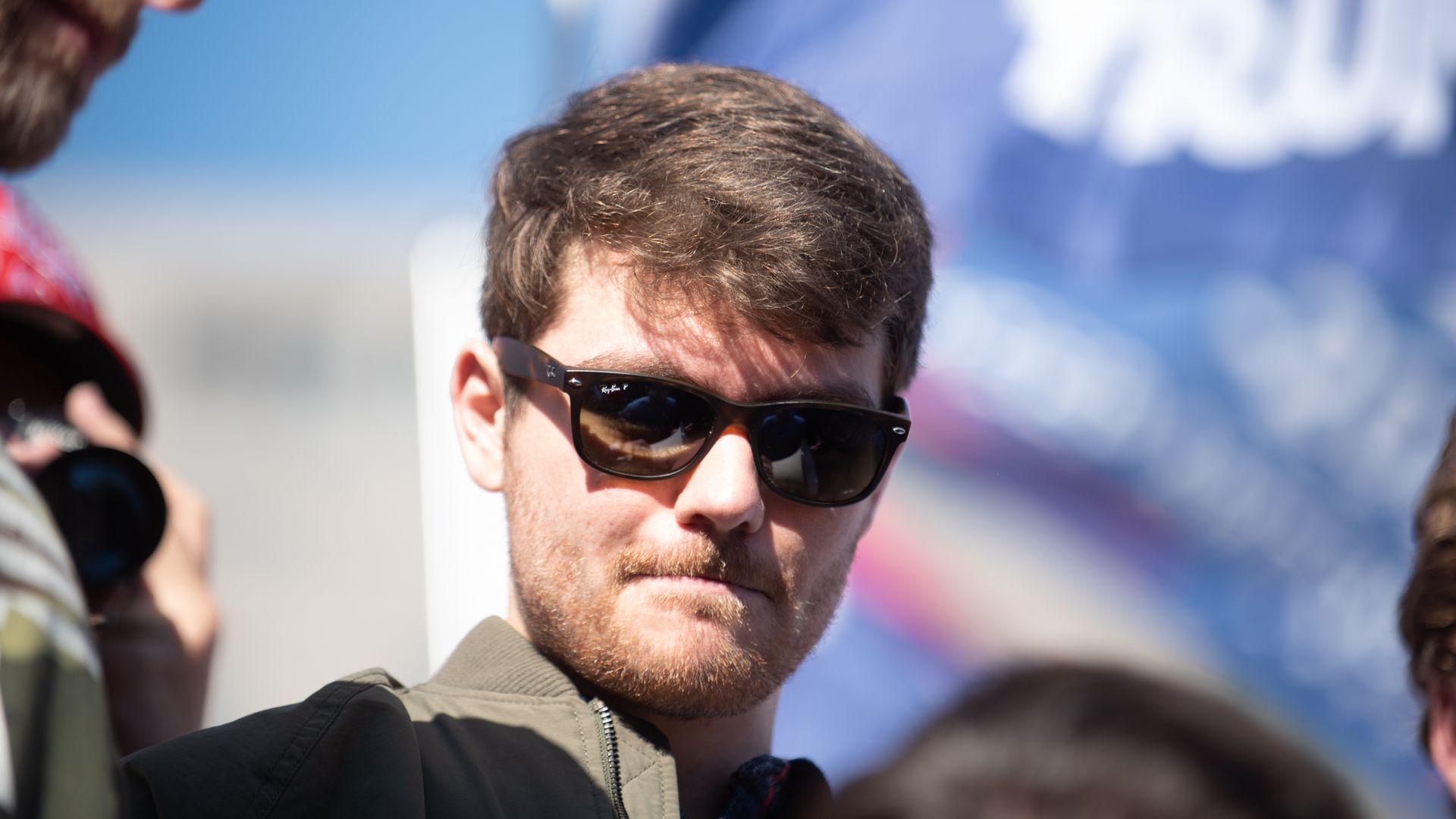
Twitter re-banned white nationalist Nick Fuentes after he made a new account on Saturday, according to The Daily Beast.
Why it matters: He and other far-right figures who were previously banned by Twitter have attempted to return to the platform since it was officially purchased last week by Elon Musk, who has emphasized that he wants the company to prioritize free speech.
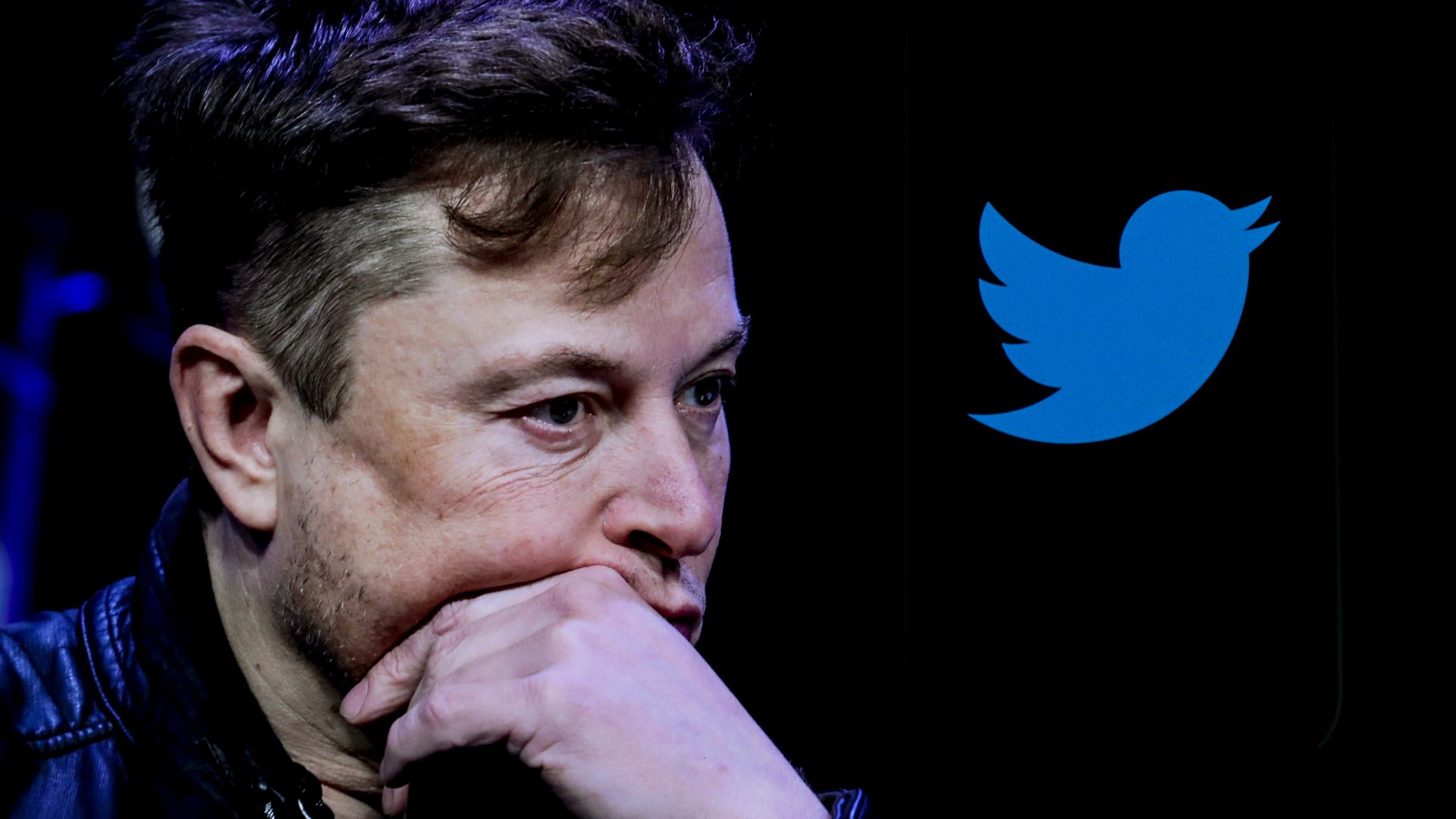
It's been just two days since Elon Musk officially bought Twitter. Already, the billionaire businessman is using the platform to spread misinformation to his 112 million followers — about the biggest U.S. news of the weekend.
Driving the news: Early on Sunday, Musk cited a widely discredited website that implied the brutal attack on House Speaker Nancy Pelosi's husband, Paul, wasn't carried out by an unhinged far-right blogger — but rather was linked to an anti-LGTBQ "theory" about a skirmish at a local bar.
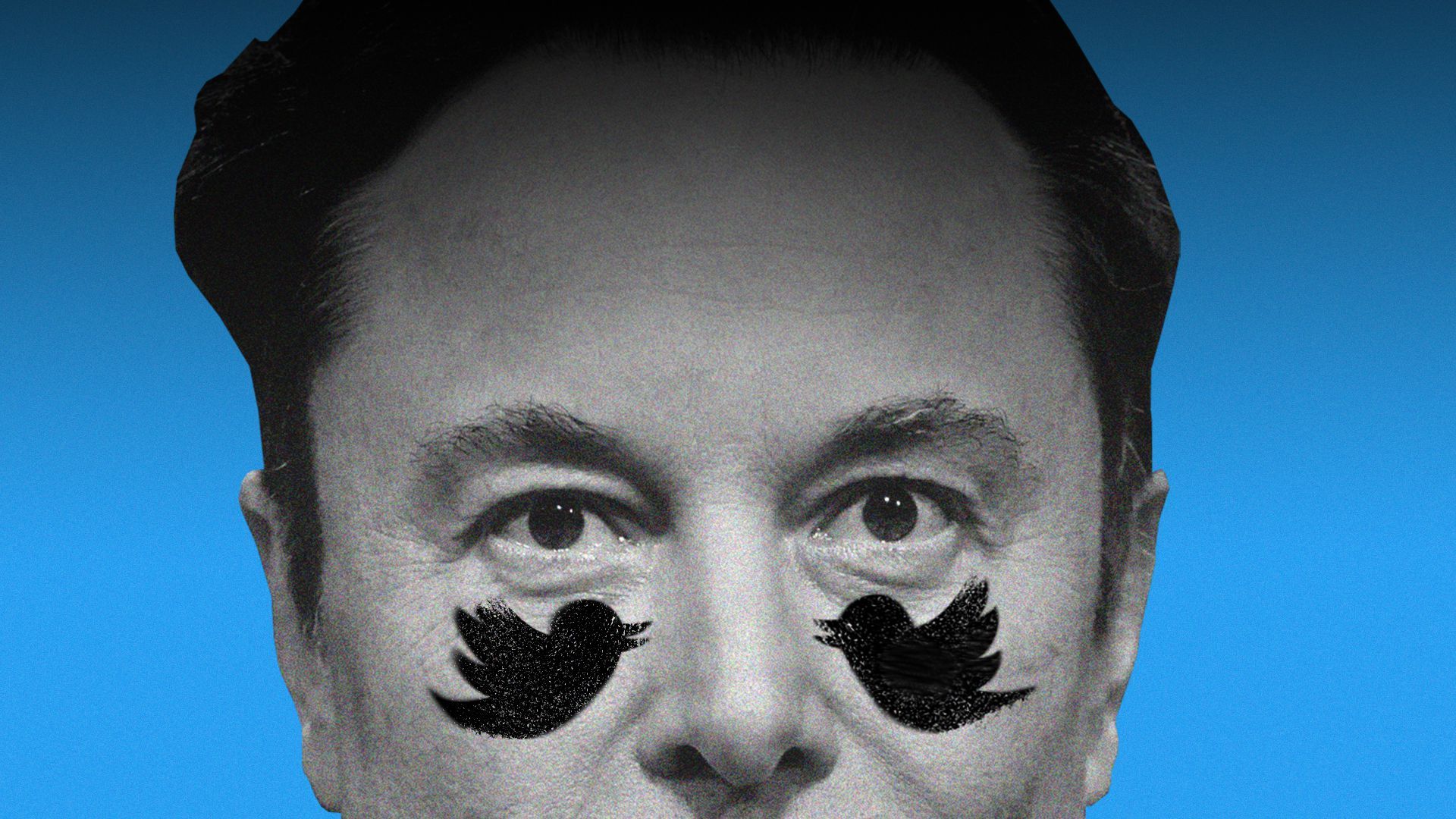
After firing much of Twitter's senior management team, Elon Musk now plans to cut up to 30% of staff in certain departments, beginning this weekend, sources told Axios.
Why it matters: Musk's breakneck pace shows his determination to reshape Twitter's organization but could also result in chaos inside the company.
Foster Farms is recalling approximately 148,000 pounds of fully cooked frozen chicken products sold at select Costco clubs for possible contamination, according to an alert posted by the USDA.
Why it matters: The Department of Agriculture's Food Safety and Inspection Service is urging consumers not to eat the Farmerville, Louisiana company's affected frozen, breaded chicken breast patties because they may contain hard clear pieces of plastic.
People are ditching physical “thank you” cards in favor of alternative ways of expressing appreciation — a convenience for some recipients, a shameful breach of etiquette to others.
Why it matters: These kinds of changes in how we communicate can reshape the contours of our personal, professional and transactional relationships.
Now that Elon Musk has officially acquired Twitter, we'll never get the Delaware courtroom showdown we were once promised. But the case was indisputably one of the most closely watched merger and acquisition disputes, with huge precedent-setting potential.
Why it matters: The lawsuit leading up to it was a unique opportunity for experts and mainstream observers to examine underlying legal concepts, says Lauren Pringle, editor-in-chief of The Chancery Daily newsletter.
Crypto exchange giant Binance poured $500 million into Elon Musk's Twitter acquisition.
Why it matters: Binance sees this as "an R&D opportunity" to apply blockchain and Web3 technology to Twitter, chief strategy officer Patrick Hillmann tells Axios.
Elon Musk and Mark Zuckerberg have both vaporized tens of billions of dollars in personal wealth in their idiosyncratic attempts to control the systems underpinning the quotidian lives led by the rest of us.
Why it matters: These actions — Zuckerberg pivoting to the metaverse, Musk buying Twitter — are unprecedented in their expense. They reveal a world run not by faceless corporations, but by unpredictable and capricious individuals with almost no real financial constraints.
Up until this week, Credit Suisse could credibly lay claim to being a bulge-bracket bank, alongside maybe eight others in the world. It might have been a troubled bank, but it was huge, and tried to offer a full menu of financial services to its customers.
Why it matters: Now, the bulge bracket has shrunk by one bank. Credit Suisse has announced that it's breaking itself up into four parts, in an echo of how the story of GE is ending with a whimper.
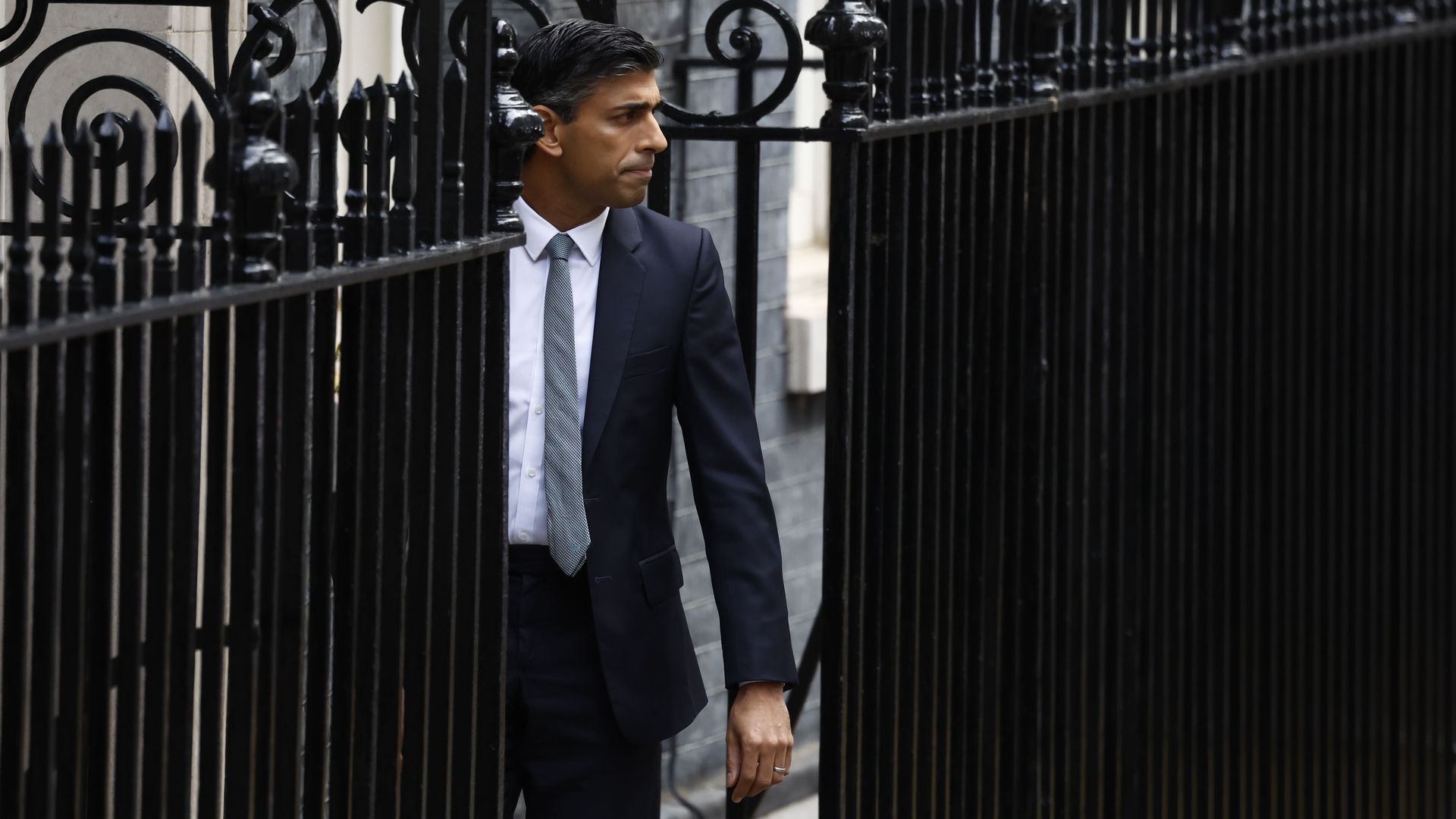
Rishi Sunak, the youngest UK prime minister in more than 200 years, is very comfortable taking extreme positions. The markets, however, are satisfied that, contra his two predecessors, he's neither fiscally nor morally incontinent. That makes him pretty much the best that they can hope for right now.
Why it matters: Sunak enthusiastically supported Brexit, the root cause of all of Britain's current mess, going against then-leader David Cameron. But he's also pragmatic enough to deal with that mess by using an orthodox austerity playbook that will at least keep the bond vigilantes at bay.
Public figures are speaking out about Twitter's change in ownership, with sentiments ranging from enthusiastic support to despair.
Why it matters: Like Twitter co-founder and former CEO Jack Dorsey, Elon Musk will likely be bombarded with a continuous flood of user feedback — particularly about what content is allowed and what's not — and his responses will likely reveal patterns and inconsistencies in decision making along the way.