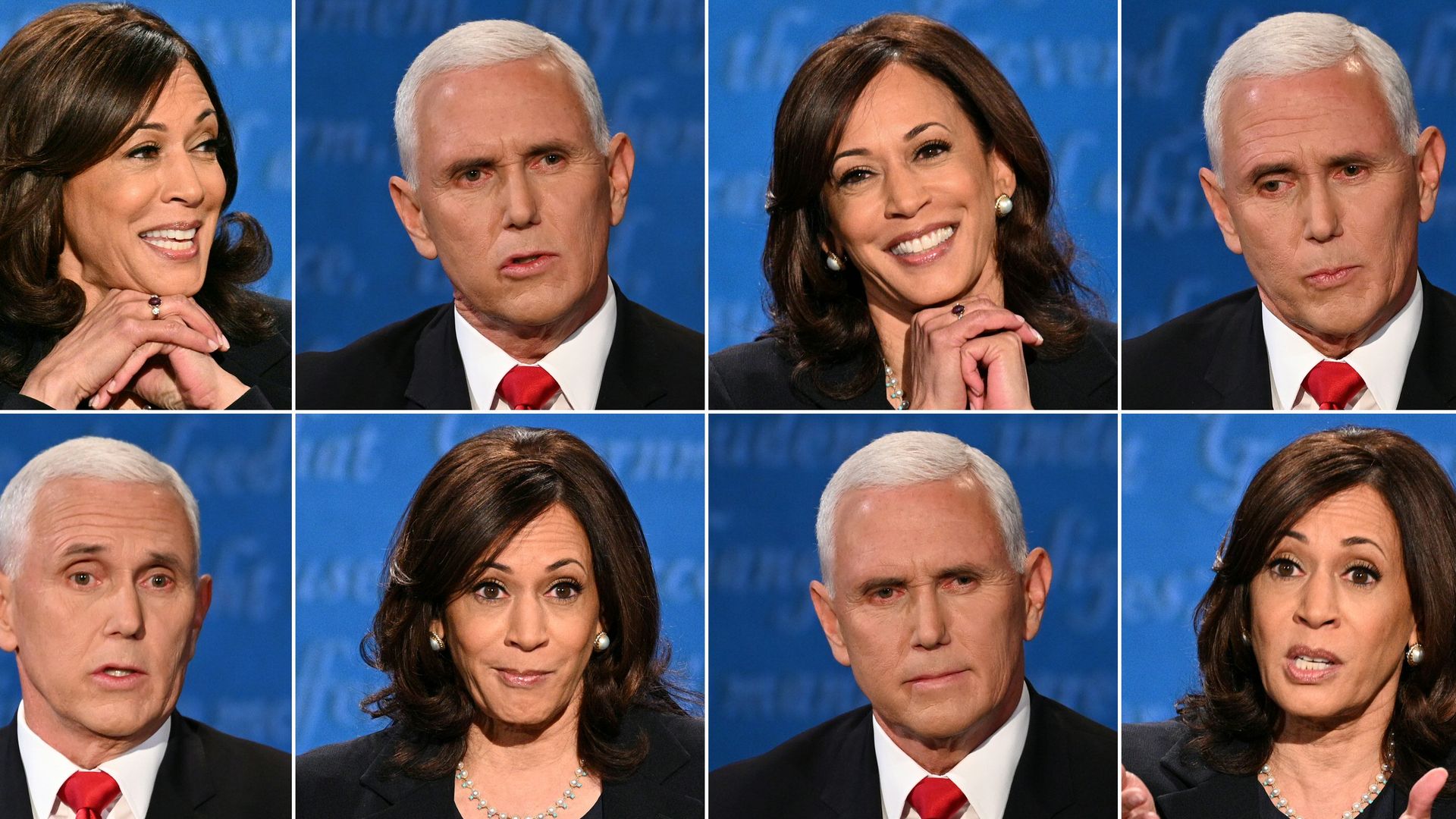
Nearly 58 million people watched the vice presidential debate between Sen. Kamala Harris and Vice President Mike Pence on television on Wednesday night, according to Nielsen ratings, making it the second most-watched VP debate in TV history.
Why it matters: The debate was the first major political event since President Trump was diagnosed with coronavirus last week. It featured two candidates that could theoretically be asked to step in for their bosses if elected, incentivizing viewers to watch.
Over the past six months, if you're like most Americans, you've spent a lot less money on clothes than you normally would — while also spending a decent amount of money on masks.
Why it matters: Behind the change in behavior is a huge change in capital flows from some of the largest names in fashion — including Balmain, Urban Outfitters, and Walmart. The biggest losers are some of the poorest people in the world.
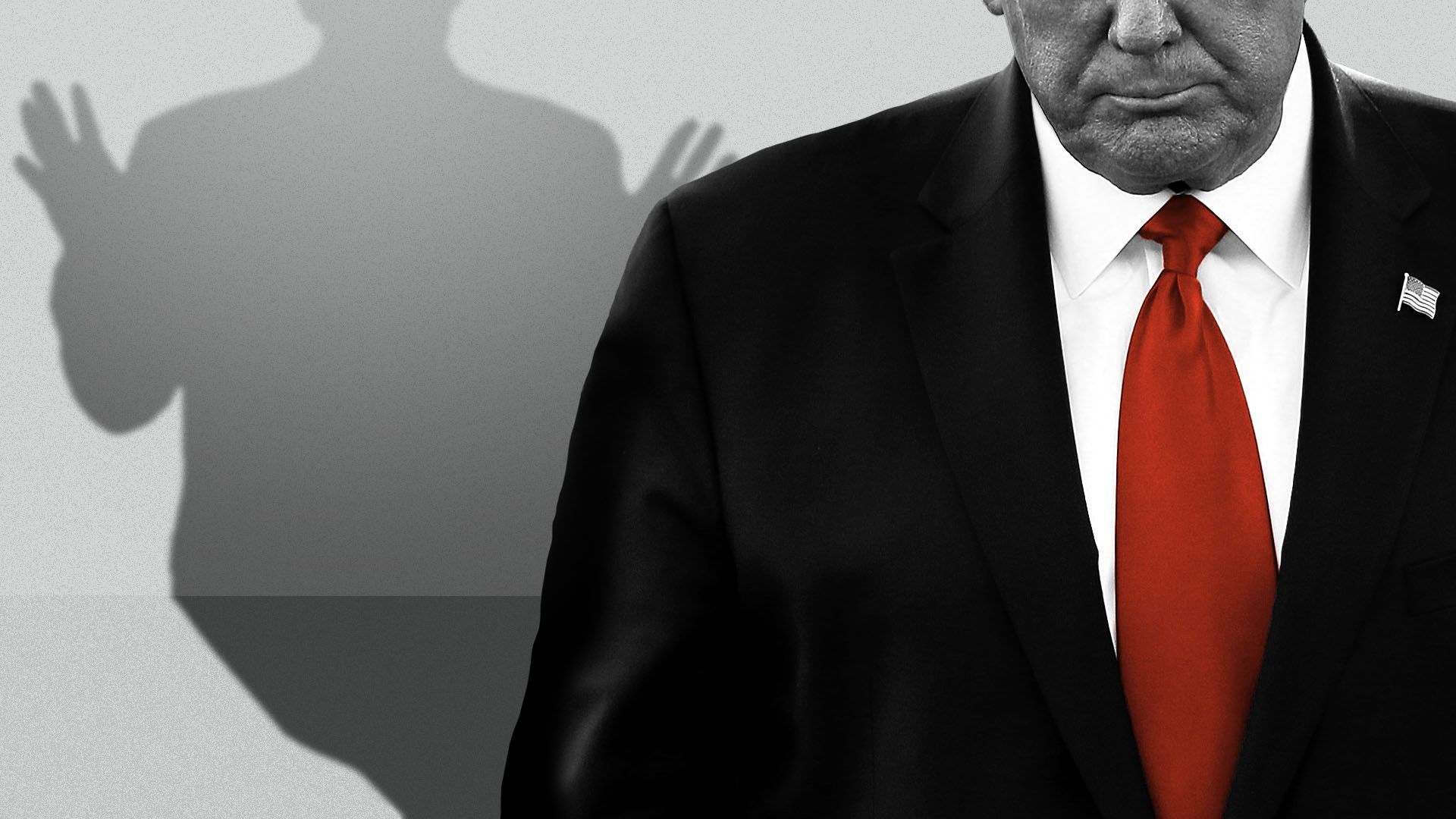
The paradoxes of Trumpism were on full display Tuesday.Over the course of the day,Trump agreed with Fed chair Jay Powell that the need for fiscal stimulus is urgent, requested that Congress fund a new round of stimulus checks — and, at the same time, instructed his Treasury secretary to cease all negotiations on Capitol Hill and put off any stimulus until after the election.
The latest: As Axios' Alayna Treene and Jonathan Swan reported Thursday, Trump phoned House Minority Leader Kevin McCarthy and indicated he was worried by the stock market reaction and wanted a "big deal" with Speaker Nancy Pelosi.
Within a day of tweeting that he was calling off bipartisan talks for a coronavirus stimulus deal, President Trump phoned House Minority Leader Kevin McCarthy and indicated he was worried by the stock market reaction and wanted a "big deal" with Speaker Nancy Pelosi, per two sources familiar with the call.
What we're hearing: Trump was spooked after seeing the instant drop in the stock market and intense backlash to his tweet, and he has since directed Treasury Secretary Steven Mnuchin to push for a more comprehensive relief bill before the election.
Cities urgently need to convince residents that it's safe to ride public transit if they want to recover from the coronavirus-induced double whammy of dwindling ridership and higher fixed costs.
Why it matters: Urban transit systems are cleaner than ever, yet they suffer from public perceptions that the filth-o-meter is still in the danger zone — and that traveling in enclosed spaces (other than one's own car) is inherently parlous.
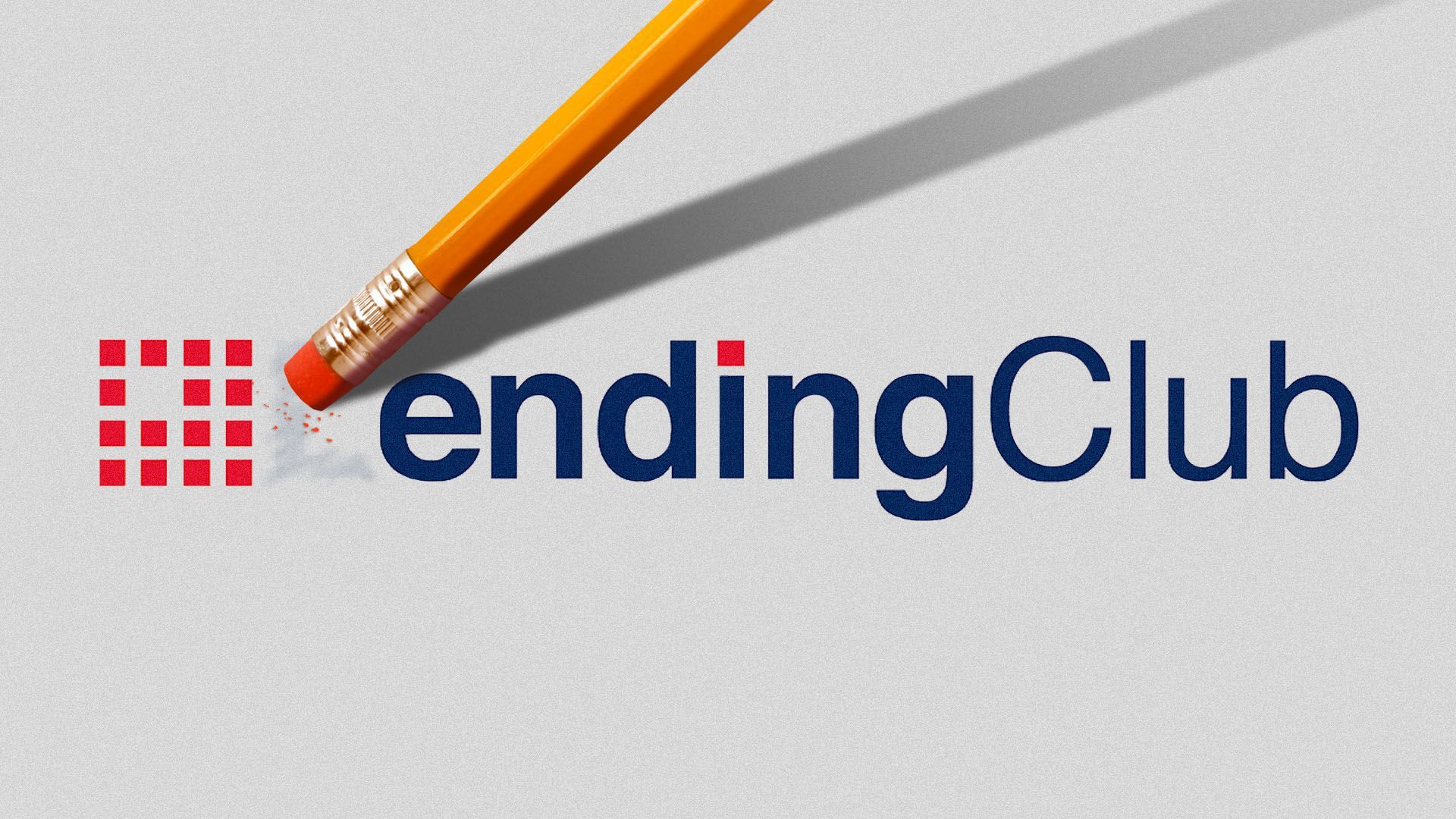
After it offered employees an exit package if they no longer feel aligned with the company's mission and culture, Coinbase says about 5% of its employees (60 of them) have taken the deal. It adds that employees of underrepresented groups did not leave disproportionately.
Why it matters: CEO Brian Armstrong sparked fiery debate within the tech industry with a recent blog post stating the crypto company plans to not take any political stances going forward and won't be holding any company-wide discussions not related to its work.
Morgan Stanley on Thursday announced an agreement to buy Boston-based investment manager Eaton Vance for $7 billion in cash and stock.
Why it matters: This solidifies the idea that Morgan Stanley views acquisition as its best path to predictable growth, as it comes just days after completing a $13 billion deal for E*Trade.
Prop 22 is shaping up to be California's most expensive ballot question ever, and its outcome could upend a gig economy business model that's attracted hundreds of billions of investment dollars.
The state of play: Prop 22, supported by such companies as DoorDash and Uber, is favored in most recent polling. But it's no sure bet, due to a large chunk of still undecided voters.
The cost of job-based health insurance averaged more than $21,000 for families and almost $7,500 for individuals in 2020 — roughly 4% higher than 2019, according to new survey data from the Kaiser Family Foundation.
The big picture: These costs only accounted for coverage offered heading into 2020, and therefore didn't factor in the coronavirus pandemic. And although the 4% growth rate was the lowest since 2017, it still exceeded the average growth of workers' wages (3.4%) and general inflation (2.1%) — meaning employer health care continues to eat away at people's budgets.
Market participants got little more information on how the Fed plans to boost U.S. inflation with the minutes from the central bank's latest policy meeting on Wednesday, and in particular, lacked guidance on its quantitative easing program.
Why it matters: Some have blamed the Fed's lack of specifics on the future path of QE for the market's pullback since early September.
Trading platform Robinhood is growing — up to 10 million users — and is not just made up of wet-behind-the-ears gamblers and sports bettors, a new survey from CivicScience shows.
More than half of Robinhood users describe themselves as either long-term or 401(k) investors.
What it means: Retail traders broadly have been looked at with skepticism and scorn by much of the investment community, and Robinhood users, especially, are seen as capricious and naively bidding up trend stocks. However, the data show most of the platform's users aren't active traders.
NextEra Energy, the world’s largest solar and wind power generator, has surpassed ExxonMobil in market value, jumping from a $32 billion valuation in October 2010 to more than $145 billion on Wednesday.
Why it matters: The crash in Exxon shares reflects a similar crash in oil — in price and standing — over the past decade and investors' increasing bets on renewable energy.
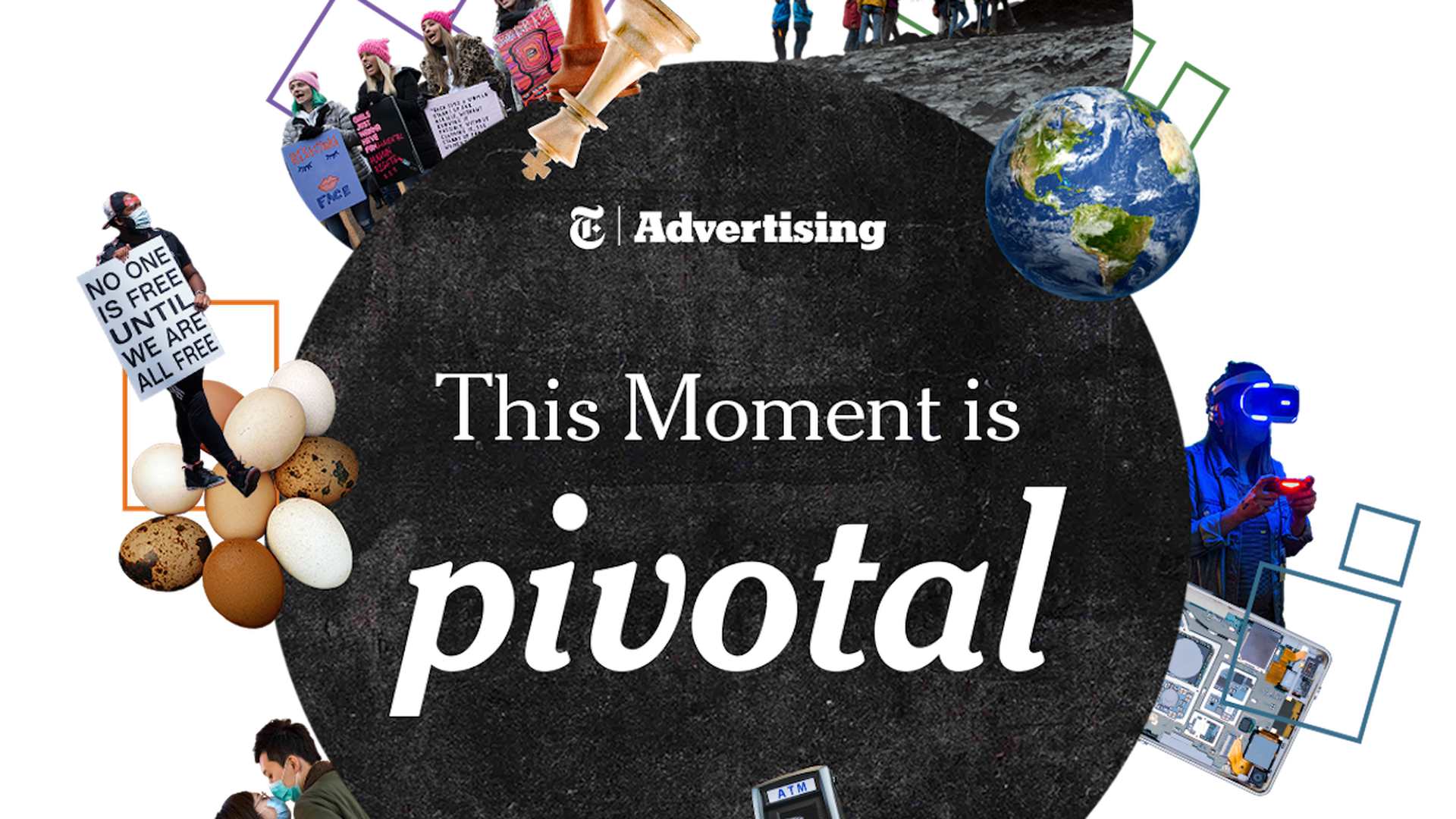
The New York Times is launching a new advertising insights program called "Pivotal" which will provide marketing partners with research and guidance on the best ways to address controversial issues like race, climate, sex, gender, tech and money.
Why it matters: "This is one of the most ambitious things we've done in advertising to-date," says Allison Murphy, The Times' senior vice president of ad innovation.
JPMorgan Chase announced Thursday a $30 billion investment over the next five years that the company says will address some of the largest drivers of the massive wealth gap between Black and white Americans.
The commitment makes the bank by far the largest monetary contributor to efforts by businessesto fight systemic inequality and racismin the U.S.







/2020/10/08/1602179400958.gif?w=3840)