Comcast, NBCUniversal's parent company, and Roku struck an agreement on a video distribution deal, a Roku spokesperson confirmed to Axios on Friday evening.
Why it matters: The deal means that all of NBCU's apps, its 11 network apps, 12 NBCU local station apps and 23 Telemundo-owned local station apps, won't go dark on Roku. It also means that Peacock will be available to Roku customers.
President Trump has 48 hours left to either follow through on his threatened ban of TikTok, or accept a proposed tech partnership with Oracle.
Axios Re:Cap digs into how the TikTok user community has reacted to this political drama, and what comes next, with New York Times tech reporter Taylor Lorenz.
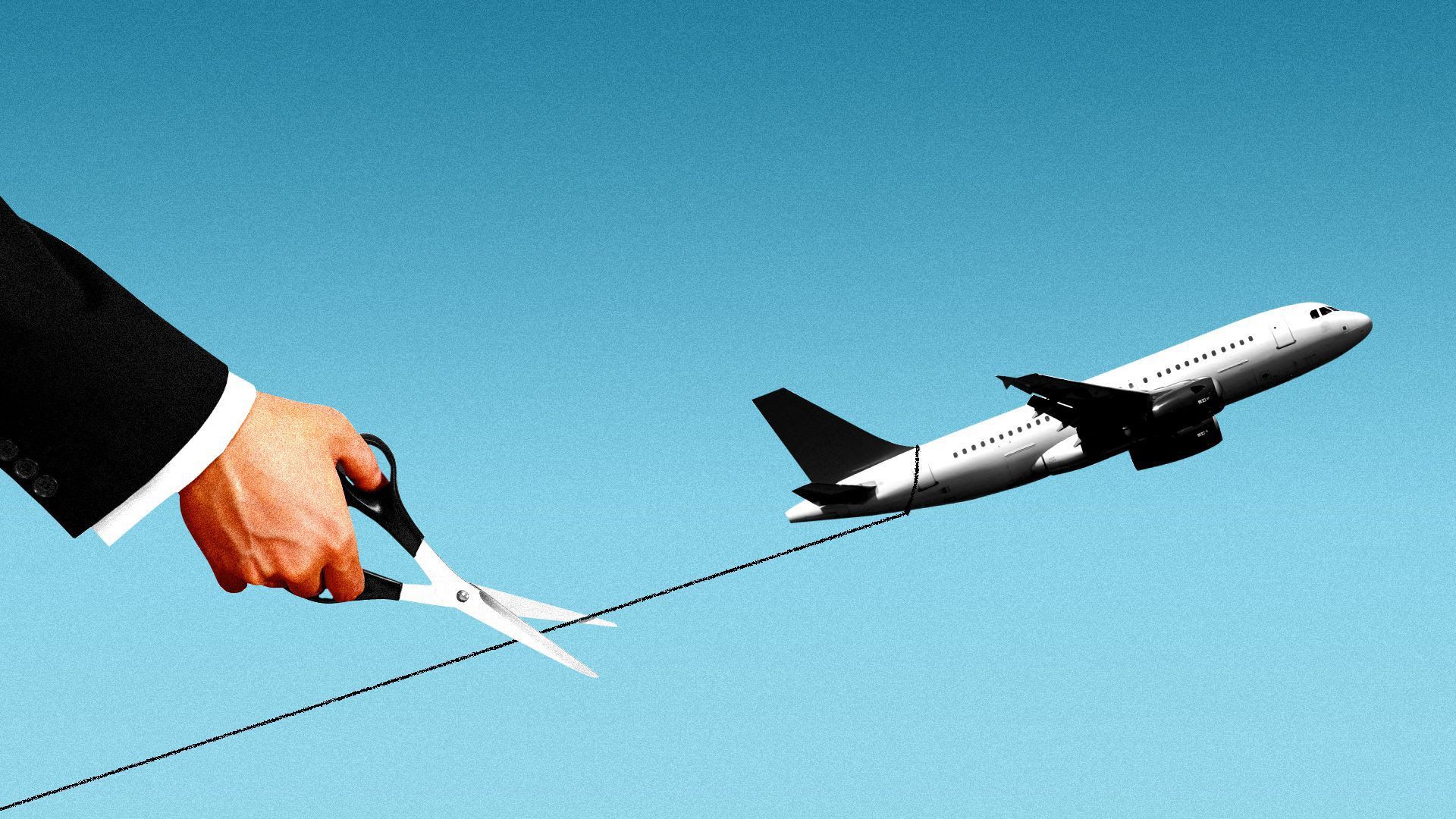
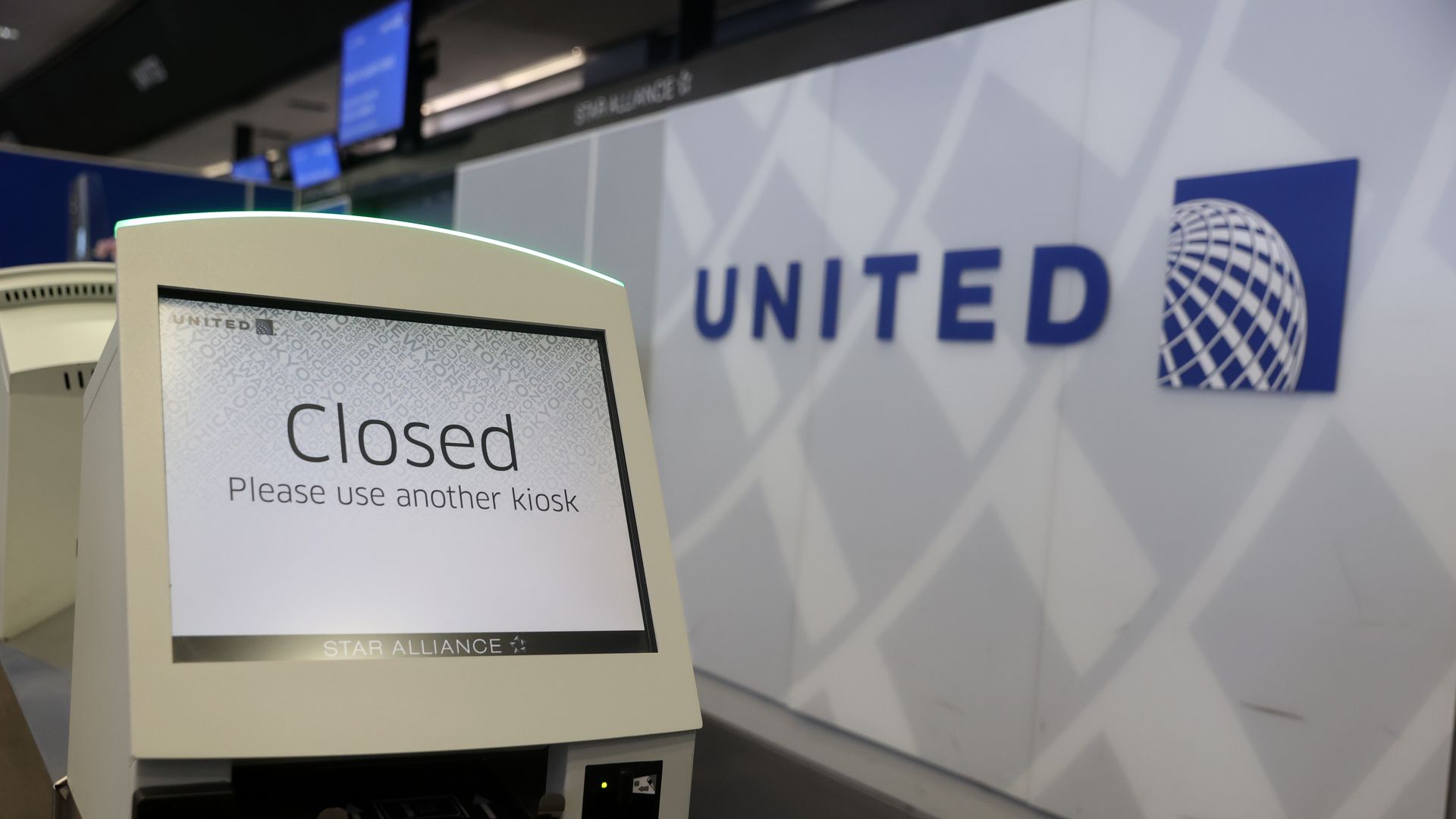
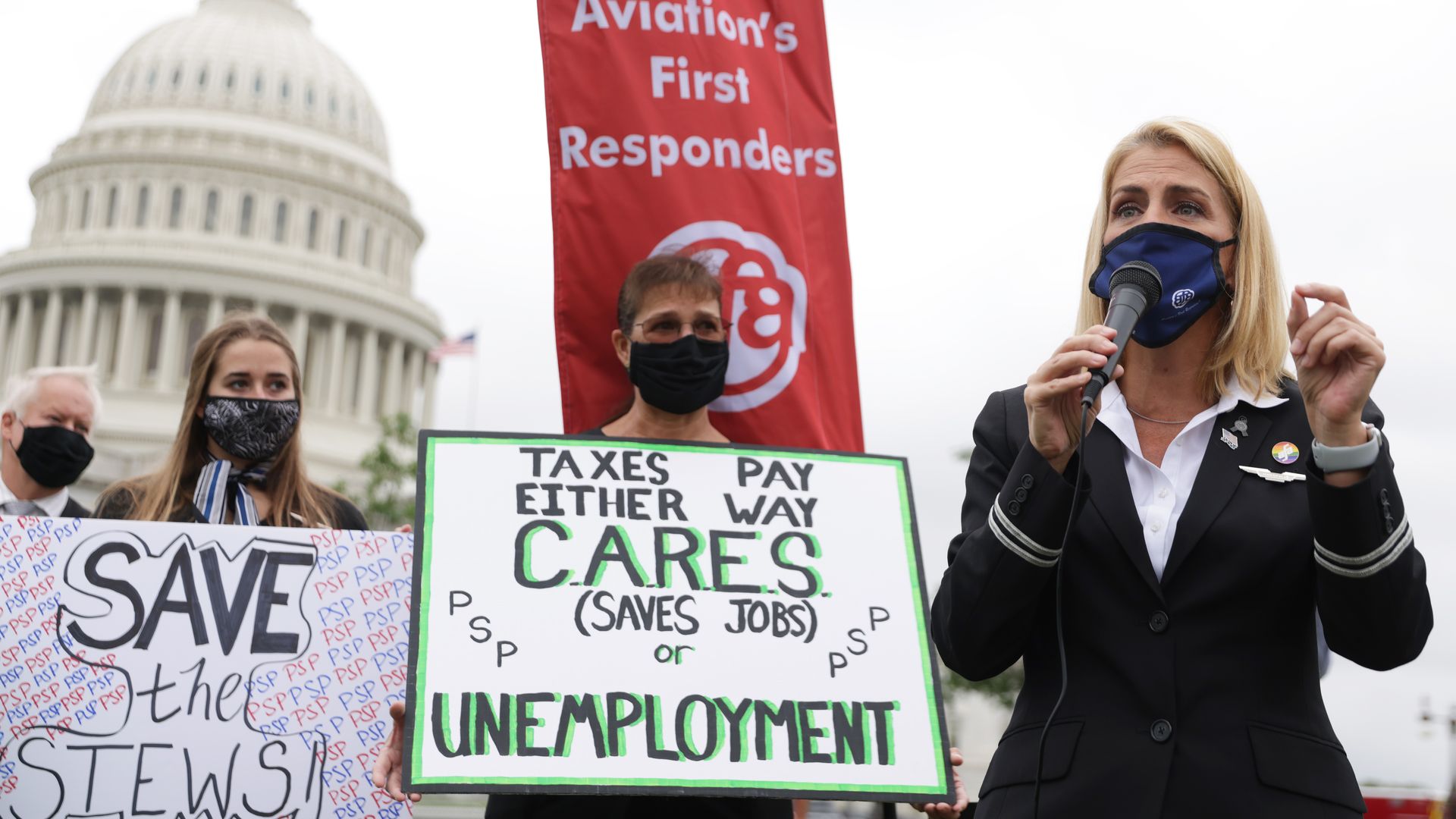
United Airlines' CEO Scott Kirby and union leaders asked Congress and the White House in a letter on Friday to restart talks on coronavirus aid, warning that United may be forced to furlough as many as 16,000 employees starting Oct. 1 if the current aid package is not extended.
The state of play: The federal government's payroll support program for airlines is set to expire on Sept. 30. White House Chief of Staff Mark Meadows in a meeting with airline executives on Thursday said President Trump would support a $25 billion extension to Congress' current aid package.
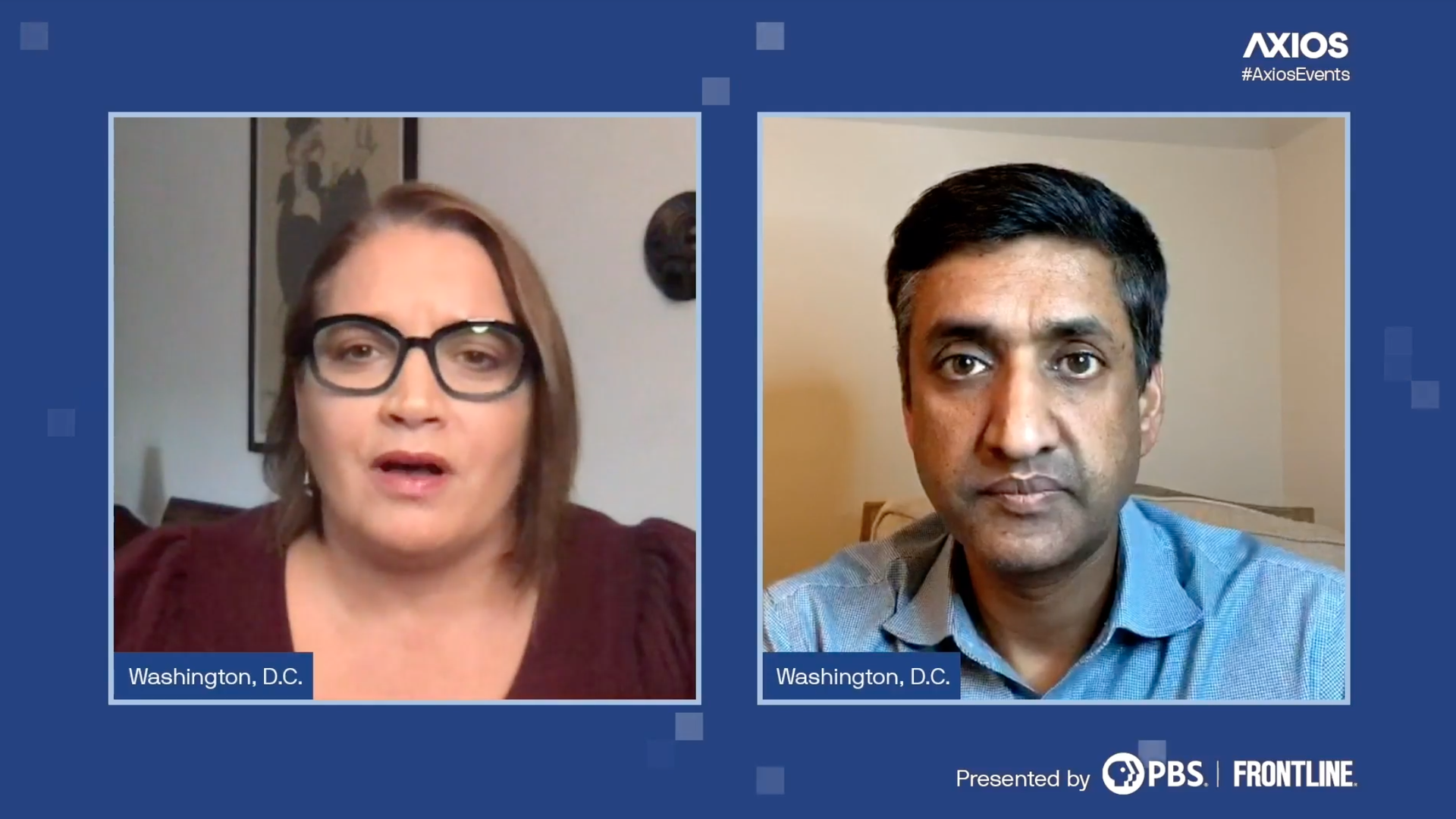
The universal experience of COVID-19 could change how opponents view Medicare for All, Rep. Ro Khanna (D-Calif.) said at an Axios virtual event on Friday.
What they're saying: "The pandemic has reminded us of our shared humanity with other American citizens. It's no longer possible to think, 'Oh, we're not part of those who get sick.' Now almost everyone knows, unfortunately, someone who has been hospitalized, someone who had a serious bout with COVID," Khanna said.
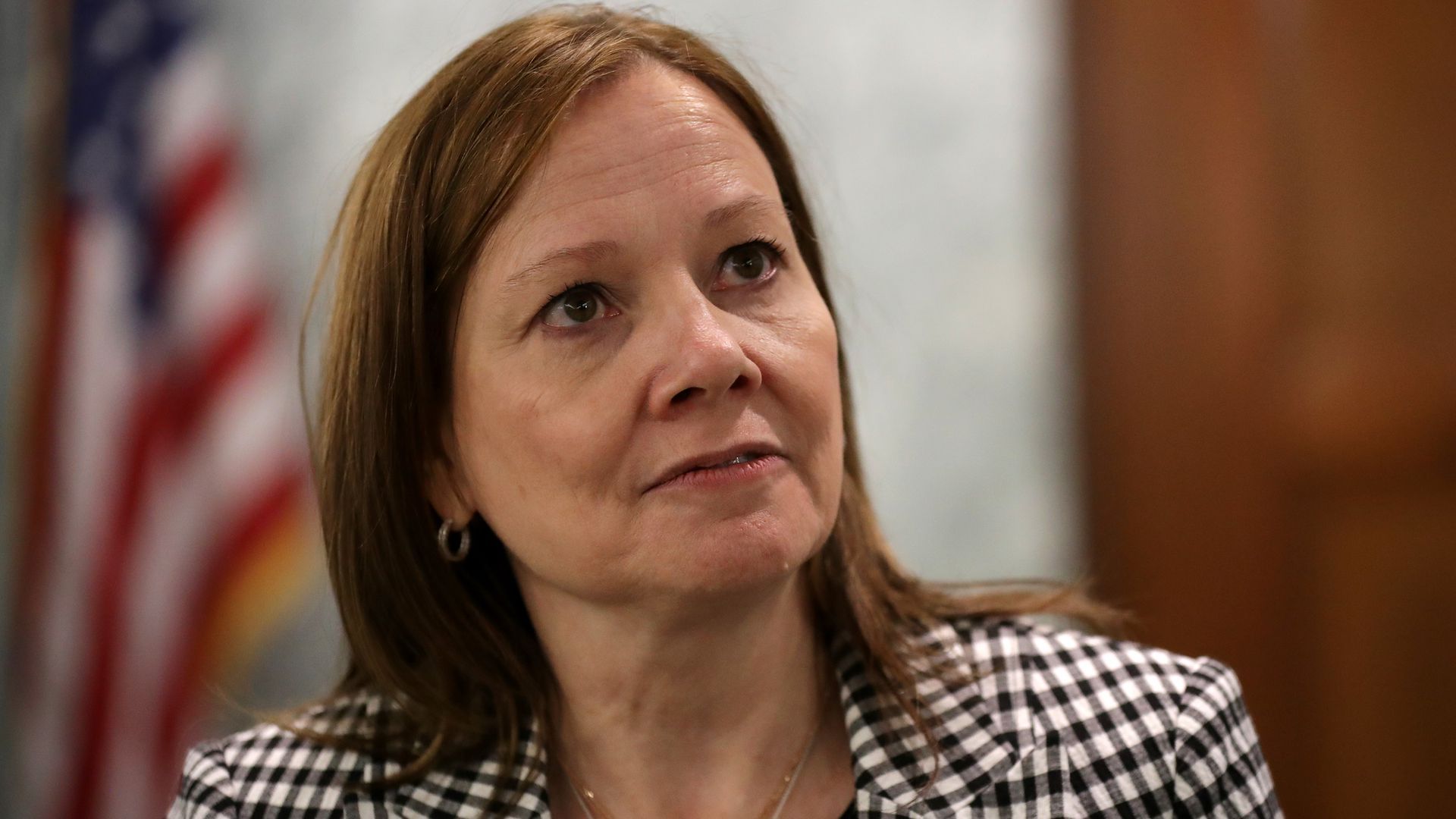
This week General Motors found itself having to defend a deal in which it can't lose — illustrating how distorted the markets have become over newly public electric vehicle companies.
Catch up quick: On Sept. 8, GM announced a strategic partnership with Nikola Motor Co., a high-flying startup with ambitions to build electric and hydrogen fuel-cell trucks, but no revenue. Nikola shares soared 40% on the news, and GM climbed too.
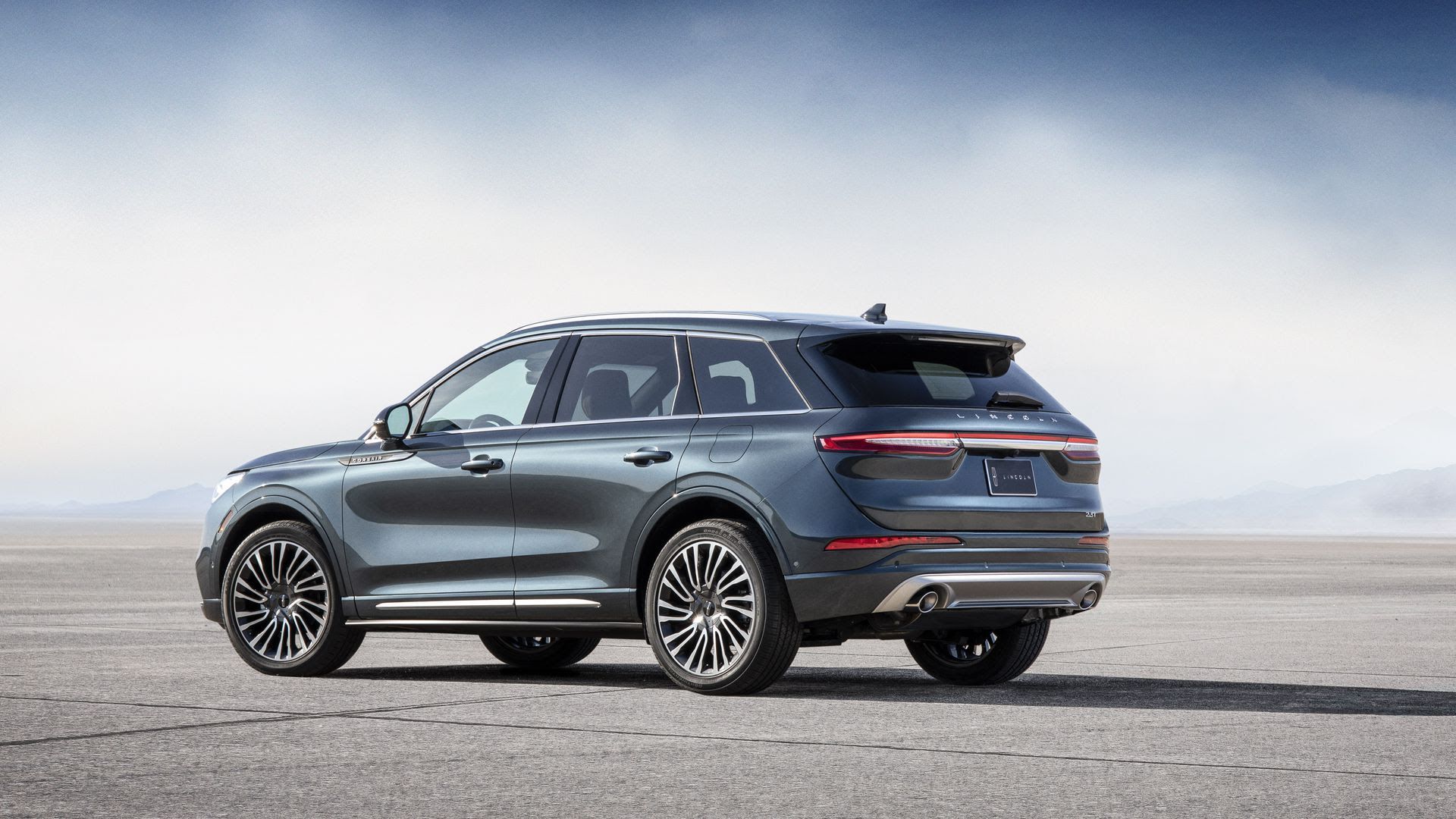
This week I drove the 2020 Lincoln Corsair Reserve, a compact luxury SUV offering more evidence that Lincoln is back.
The big picture: As Ford Motor's premium brand, Lincoln has struggled to find its footing among Japanese and European luxury competitors. But starting a few years ago, it stopped trying to copy those guys and focused instead on pampering customers with a modern interpretation of American luxury.
The clock is ticking for tens of thousands of anxious airline employees, who face mass reductions when the government's current payroll support program expires on Sept. 30.
Where it stands: Airline CEOs met Thursday with White House Chief of Staff Mark Meadows, who said President Trump would support an additional $25 billion from Congress to extend the current aid package through next March.
GNC Holdings, the Pittsburgh-based nutritional supplements retailer, received bankruptcy court approval to sell itself to China’s Harbin Pharmafor $770 million, although the deal still faces U.S. political pressures over how GNC customer data is protected.
Why it matters: It's a reminder that the U.S.-China merger mess goes well beyond smartphone apps, with Sen. Marco Rubio asking for a CFIUS review.
Matt Peterson, a senior Amazon exec, joined the "Axios Re:Cap" podcast to explain the thinking behind the tech and commerce giant's climate venture capital fund, which rolled out its first investments on Thursday.
Why it matters: The fund, $2 billion to start, is beginning to invest on the heels of Amazon's late 2019 pledge to be net-zero emissions by 2040.
Americans were starting to fall off the rolls of unemployment. But Thursday's claims report shows the drop-off hasn't just stalled out — the trend continues to reverse course.
Why it matters: Skepticism about the underlying data remains. But economists are still worried about the high level of Americans relying on some form of unemployment benefits, which is once again rising six months after the pandemic hit, even as the economy has reopened.
The pandemic put Boeing and its European competitor Airbus on nearly the same playing field, at least in the eyes of investors.
Between the lines: Boeing and Airbus have a duopoly on the plane manufacturing market. In the midst of Boeing's 737 MAX crisis, Airbus delivered more than Boeing and became the world's top aircraft deliverer for the first time in years. But it was COVID-19 — not that victory — that brought the companies’ market caps to the narrowest gap on record earlier this year. Since then, Boeing has rebounded to widen its lead.
The grounding of Boeing’s 737 MAX was the worst crisis in the plane-maker’s century-long history. At least until the global pandemic hit.
Why it matters: Wall Street expects it will be cleared to fly again before year-end. Orders for what was once the company’s biggest moneymaker were expected to rebound after the ungrounding, but now the unprecedented slump in travel will dash airlines’ appetite for the MAX and any other new planes, analysts say — putting more pressure on the hard-hit company.
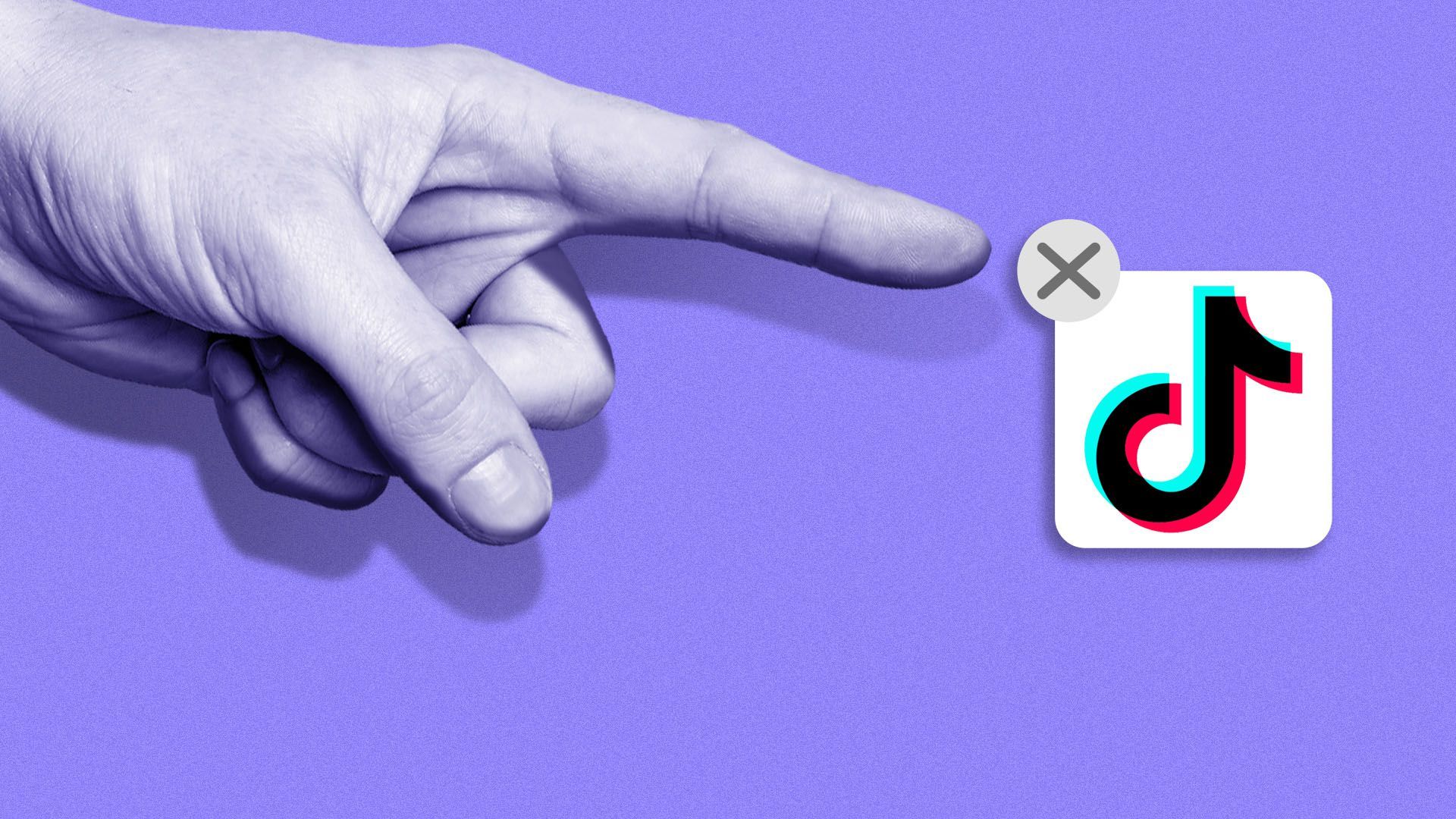
The Commerce Department issued Friday an order blocking new downloads of WeChat and TikTok in the U.S. as of Sept. 20.
The state of play: President Trump has been in a standoff with TikTok, threatening to ban the app if its Chinese owner, ByteDance, does not relinquish control to a U.S. company. A deal is in the works with the American tech company Oracle, but would need to go through before Sunday to prevent TikTok from being ousted from app stores.
"About one million homeowners have fallen through the safety net Congress set up ... to protect borrowers from losing their homes, according to industry data, potentially leaving them vulnerable to foreclosure and eviction," The Wall Street Journal reports.
What's happening: "Homeowners with federally guaranteed mortgages can skip monthly payments for as long as a year without penalty and make them up later," The Journal reports. "Many people have instead fallen behind on their payments, digging themselves into a deepening financial hole through accumulated missed payments and late fees."







/2020/09/18/1600436446666.gif?w=3840)