The fashion industry is reeling from the stunning blow dealt by a global pandemic that closed stores, largely ended international travel, and caused consumer demand for its products to shrivel.
The S&P 500 closed down 3.51%, while the Nasdaq was off 4.98% (598 points) and the Dow fell 2.78% (808 points) on Thursday. Stocks had their worst day since June.
The big picture: The indices are still hovering near their highest levels ever — the S&P 500 is still higher than it was at any time before the pandemic — but the pullback is being led by a drop in the technology stocks that led the advance to record highs.
The most popular locations for people and families renting homes for 28 days or longer are — so far — all places that offer a beautiful escape from the heat during the summer, according to data from Airbnb.
The state of play: Destinations topping the list this summer are clustered in Vermont, Maine, Colorado, and upstate New York. Expect that list to migrate south to Florida and New Mexico as winter arrives. (One thing the top destinations have in common: A lot of open space).
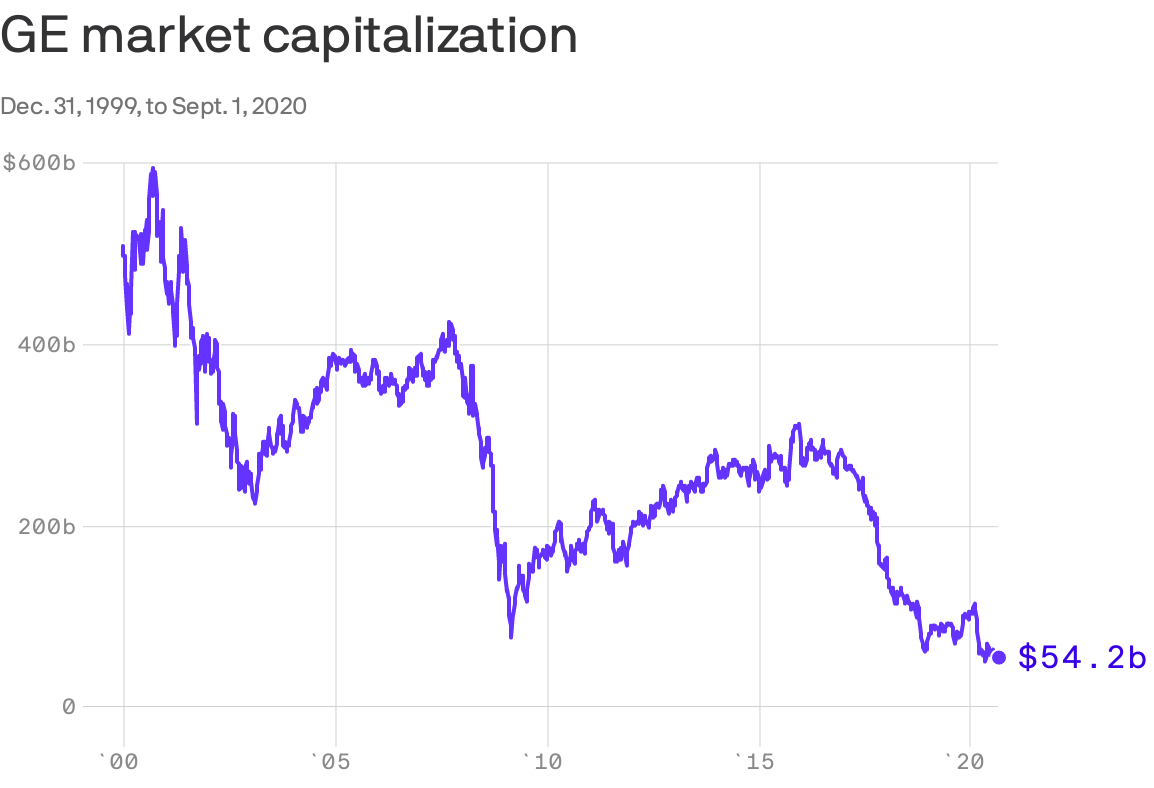
General Electric was the largest public company in the world in the early 2000s, a mighty conglomerate spanning everything from nuclear power plants to credit cards and daytime TV, but it's now worth less than companies you've may have never heard of, like Becton Dickinson or Crown Castle International.
In fact, according to new research from JPMorgan analyst Stephen Tusa, GE stock — once the classic "widows and orphans" investment — might be worth nothing at all.
You wait 10 years for the Office of the Comptroller of Currency to start approving bank charters for startup banks, and then two arrive in less than month.
Driving the news: Thursday morning, a quiet startup named Jiko announced that it had obtained a bank charter by acquiring its partner bank, Mid-Central National Bank of Minnesota.
There are few positions more uncomfortable nowadays than being an American company reliant on China. But reconfiguring supply chains is far from easy.
The big picture: A recent McKinsey report showed almost all industries at risk of supply-chain disruption. The exceptions are largely regional industries like glass, cement, and food.
Xfund, a seed-stage investment firm focused on university research-based startups, tells Axios that it raised $120 million for its third fund.
Why it matters: This illustrates how the pandemic hasn't really slowed down venture capital fundraising or deal-making, even for a firm focused on sparsely-populated university campuses.
The Blackstone Group and Global Infrastructure Partners have made a second offer to buy Kansas City Southern (NYSE: KSU), as first reported by the Wall Street Journal. No word yet on price, but any accepted deal expected to be worth north of $20 billion.
Why it matters: Kansas City Southern is one of North America's largest freight railroads, with a major share of traffic between the U.S. and Mexico.
Why it matters: Persistently subdued air travel is one of the biggest reasons analysts are increasingly expecting global oil demand to plateau below pre-pandemic levels.
Mike Greenberg's new show, "Bettor Days," debuts on ESPN+ Thursday.
The big picture: The 15-minute show, which tells the stories behind sports betting's craziest wins and losses, is part of a larger sports betting push by ESPN. The company just debuted its new Las Vegas studio, which will host the network's one-hour weekday sports betting show, "Daily Wager," and other related programming.
The state of play: The boom was aided by the emergence of grading agencies, which fundamentally changed the art of card collecting, while attracting a new type of clientele and, in some cases, incentivizing fraud.
Differences in consumer sentiment by income are beginning to increase again as overall confidence picks up in the U.S., according to data from Morning Consult.
What's happening: While overall consumer confidence has returned to its mid-March levels, Americans who earn less than $50,000 a year are trailing badly compared to other income groups and to their earlier confidence levels.
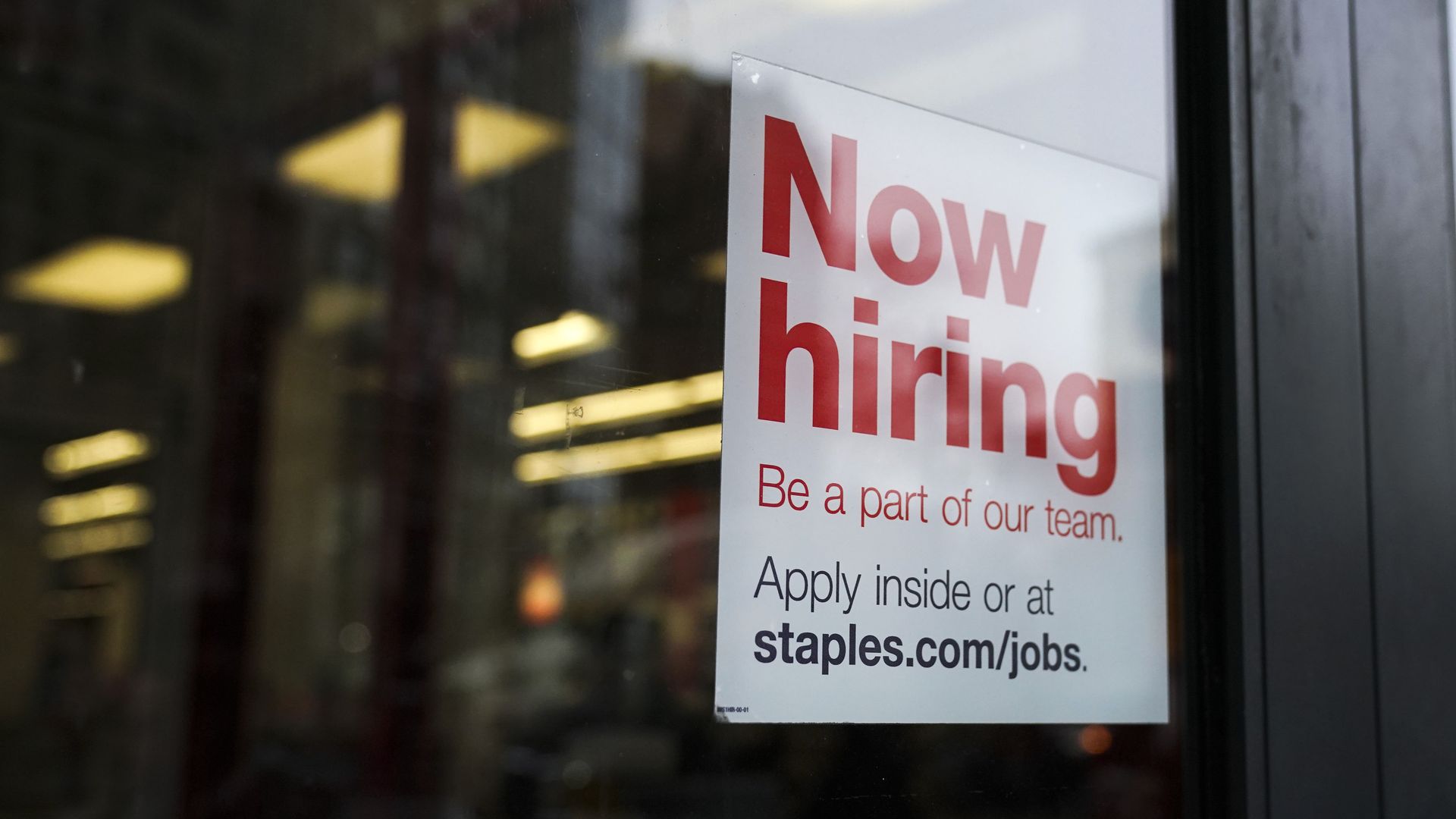
Thursday's initial jobless claims report will look a bit different as the Department of Labor announced it will change the methodology it uses to seasonally adjust data.
The state of play: The seasonal adjustments will switch from multiplying by a seasonal factor to adding.
U.S. consumers are getting less concerned about the impact of tariffs on their daily lives, new data show.
What happening: After consumer concern about the tariffs rose to record highs in April and May, CivicScience noted a consistent decline that has pushed overall readings on concern down to nearly their levels before the pandemic began in the U.S.
U.S. stocks continue their surge, with the S&P 500, Dow Jones Industrial Average and the Nasdaq all finishing the day higher on Wednesday, as seemingly every sector of the market has rallied since the start of the third quarter.
What it means: The "buy anything" rally continues as reopening and stay-at-home stocks both remain bid and every sector of the S&P has seen a sizable jump since the quarter began on July 1.
The federal budget deficit will reach $3.3 trillion in the fiscal year ending this month — more than triple the 2019 shortfall, the nonpartisan Congressional Budget Office (CBO) projected on Wednesday.
Why it matters: That would be 16% of GDP, the largest amount since the end of World War II in 1945. The national debt is projected to exceed 100% of GDP in 2021 and rise to 107% in 2023 — "the highest in the nation's history," the CBO notes.




/2020/09/03/1599153024070.gif?w=3840)